Newsfeed
Nutrition research, analysed
A new analysis every hour. Each one covers a recent study or report: What was found, the numbers behind it and the sources to check. We write about research from the last two weeks, not the news of the day.
Toddler feeding · November 2, 2026
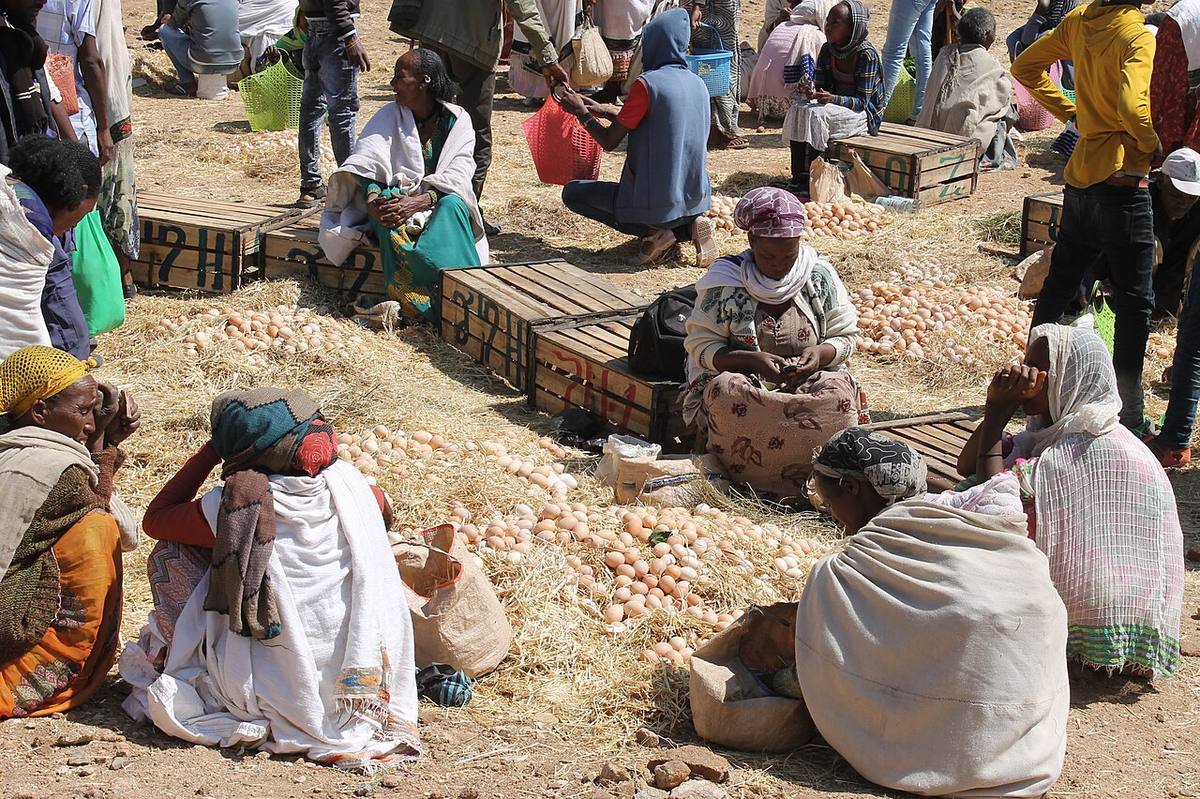
A local woman with three days of training called once a month for nine months. Toddlers in rural Ethiopia ate more varied meals, but eggs and meat rose just as much without her
Among 802 mothers in West Gojjam, meeting all four feeding marks rose from 10.7% to 24.0% with the home visits and stayed near 8.5% without them. Yet three in four counselled toddlers still fell short, the answers came from the mothers themselves, and this paper does not say whether the children grew any better.
Read the analysis
Supplement safety · November 2, 2026
Japan's red yeast rice scandal put kidneys in the spotlight. In Taiwan, 67,876 people on a prescription version reached dialysis far less often, but the comparison group was much sicker
Insurance records show 0.9 cases of kidney failure per 1,000 person-years on the capsule against 3.7 on lovastatin. Yet the lovastatin patients were more than twice as likely to have kidney disease already, most of the gap in the matched analysis opens in the first two years, and the capsule itself contains lovastatin.
Read the analysis
Probiotics · November 2, 2026
Stressed teenagers took a probiotic for 12 weeks. Their stress scores fell, and so did the scores of the teens on placebo
A Utah trial with 87 finishers found no significant difference in stress or cortisol between the capsules. The paper's main positive is one saliva marker out of seven, the company that supplied the capsules paid for the study, and its registry entry was filed long after the last visit.
Read the analysis
Recovery after surgery · November 1, 2026
An AI wrote their diet plan after cancer surgery. Two in three reached their calorie target, against two in five on the usual handout, and the AI may not be the reason
In a 90-patient trial in Wuhan, a tailored plan from a large language model beat a one-page leaflet on food diaries and on symptoms. Weight and blood tests did not budge, and the authors themselves say the trial cannot tell whether the AI did the work or the numbers on the page did.
Read the analysis
Sugary drinks · November 1, 2026
Nearly three cans a day, about an hour of coaching. Two in three California hospital workers stayed to the last call, but whether they drank less is still unpublished
A new paper from a 15-hospital US trial shows that busy staff will stick with a short course of calls about sugary drinks. It measures who turned up and how motivated they said they felt. The number everyone wants, how much they actually cut back, is held for a later report.
Read the analysis
Cancer risk · November 1, 2026
Of 204,494 UK adults, 848 later turned up in hospital records with a myeloid blood cancer. Those eating more ultra-processed food were slightly more likely to be among them
A new UK Biobank analysis links ultra-processed food to cancers that start in the bone marrow, and the link held even in people with no detectable early warning mutations in their blood. The rise in risk is modest, the disease is uncommon, and the authors stop short of calling it cause and effect.
Read the analysis
Heart health · November 1, 2026
In women, higher triglycerides came before stiffer arteries three years later. Then 2,989 UK adults' blood pressure was put into the model, and the link no longer held up
A new UK Biobank analysis asked which comes first, troublesome blood fats or stiffening arteries. The arrows pointed from fats to arteries, mainly in women. But once changing blood pressure was allowed for, almost nothing was left standing.
Read the analysis
Shift work · November 1, 2026
Same factory, 265 more calories a day. In 52 Turkish men, those on rotating shifts ate more fat, yet their diets looked no more 'inflammatory' than the day crew's
Researchers expected the men working days, evenings and nights in turn to score worse on an index of how inflammatory a diet is. They did not. A link between that score and poor sleep did turn up, then faded once the numbers were adjusted.
Read the analysis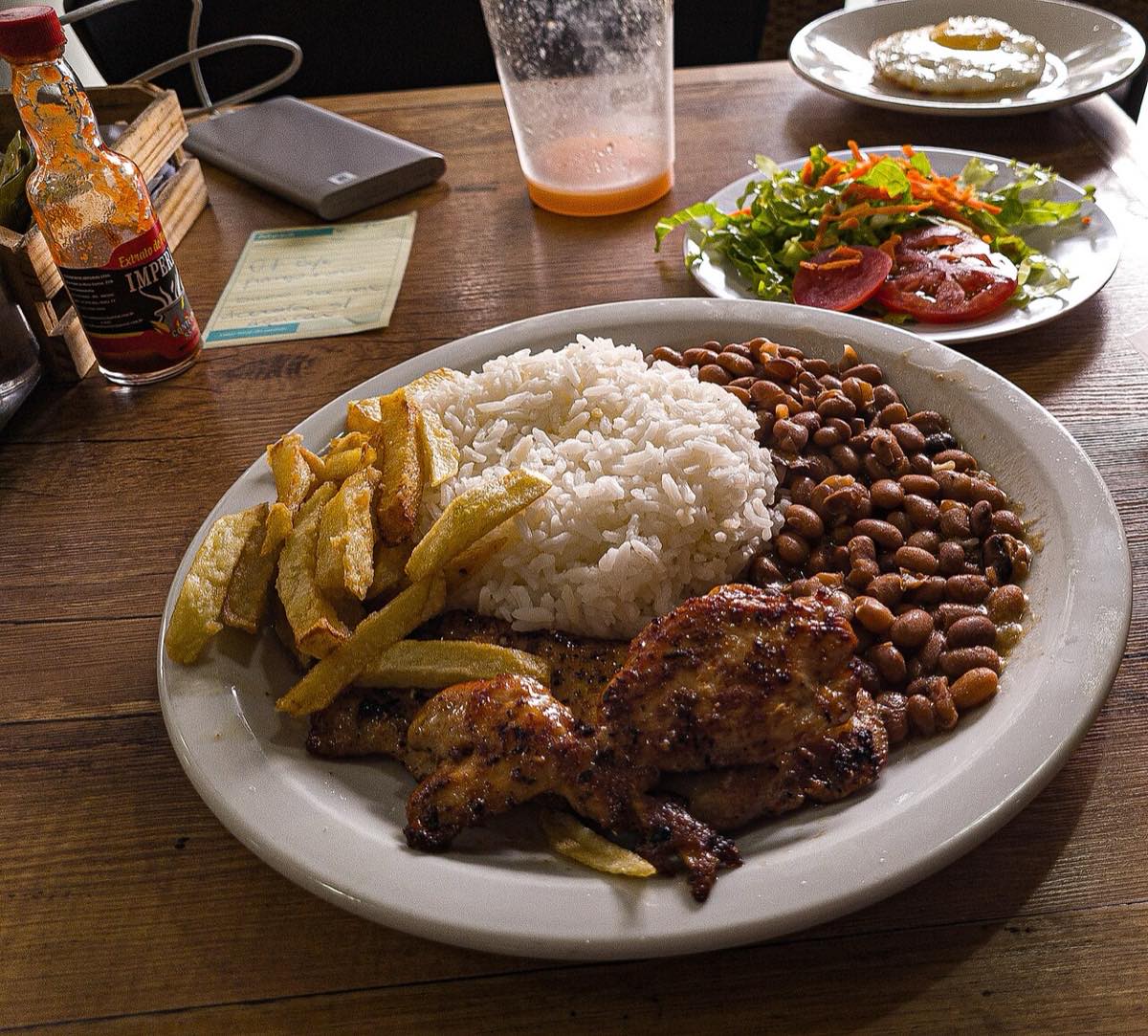
Diabetes · November 1, 2026
A year of nutrition classes, measuring cups included. In 33 older adults with diabetes or prediabetes, blood sugar did not budge, but body fat slipped
The classes at a public clinic in Brasília were built around 'eating competence': enjoying food, trusting hunger and planning meals rather than following a list of banned foods. The overall score hardly moved. One part of it did line up with who lost fat.
Read the analysis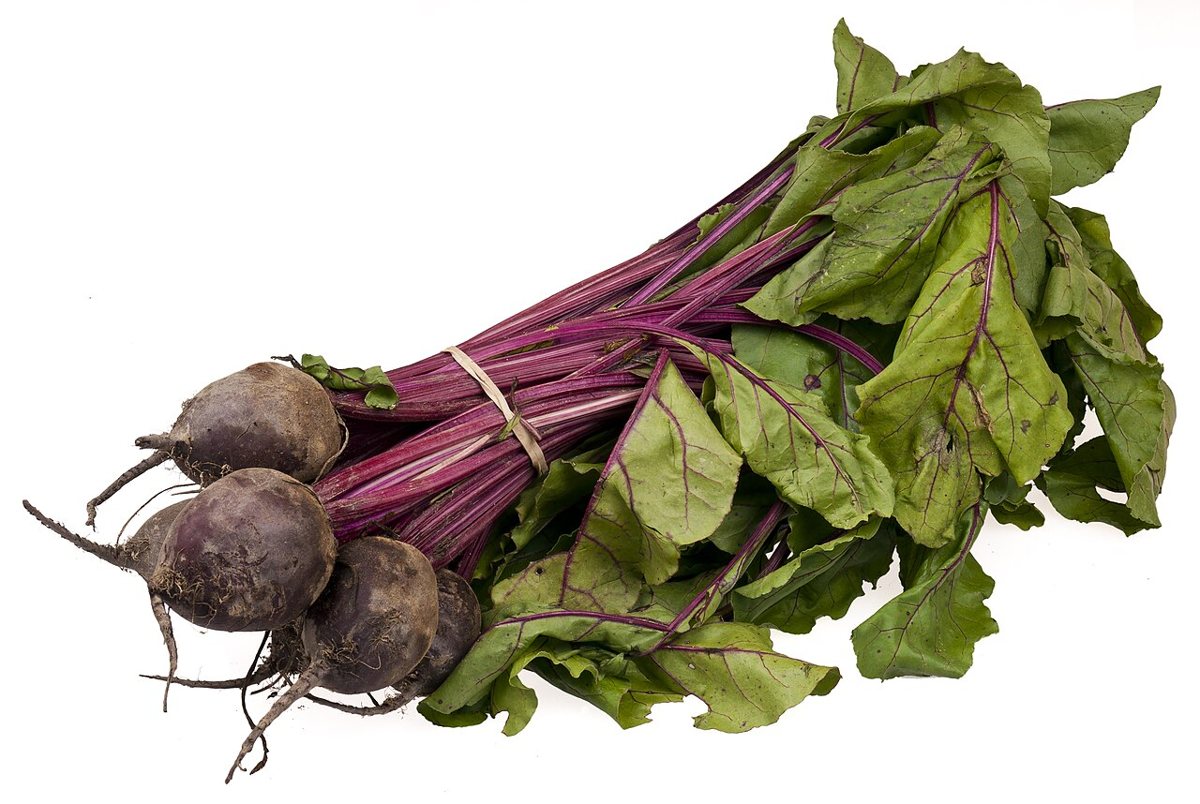
Performance supplements · November 1, 2026
Beetroot juice is one of sport's favourite legal boosts. Pooling 45 trials and 659 athletes, a new review could not find a gain on any of the six things it measured
Peak power, oxygen use, heart rate, how hard the effort felt: none of them clearly moved. But the authors warn against calling it proof that nitrate does nothing, and the measure many racers care about most was not one of the six.
Read the analysis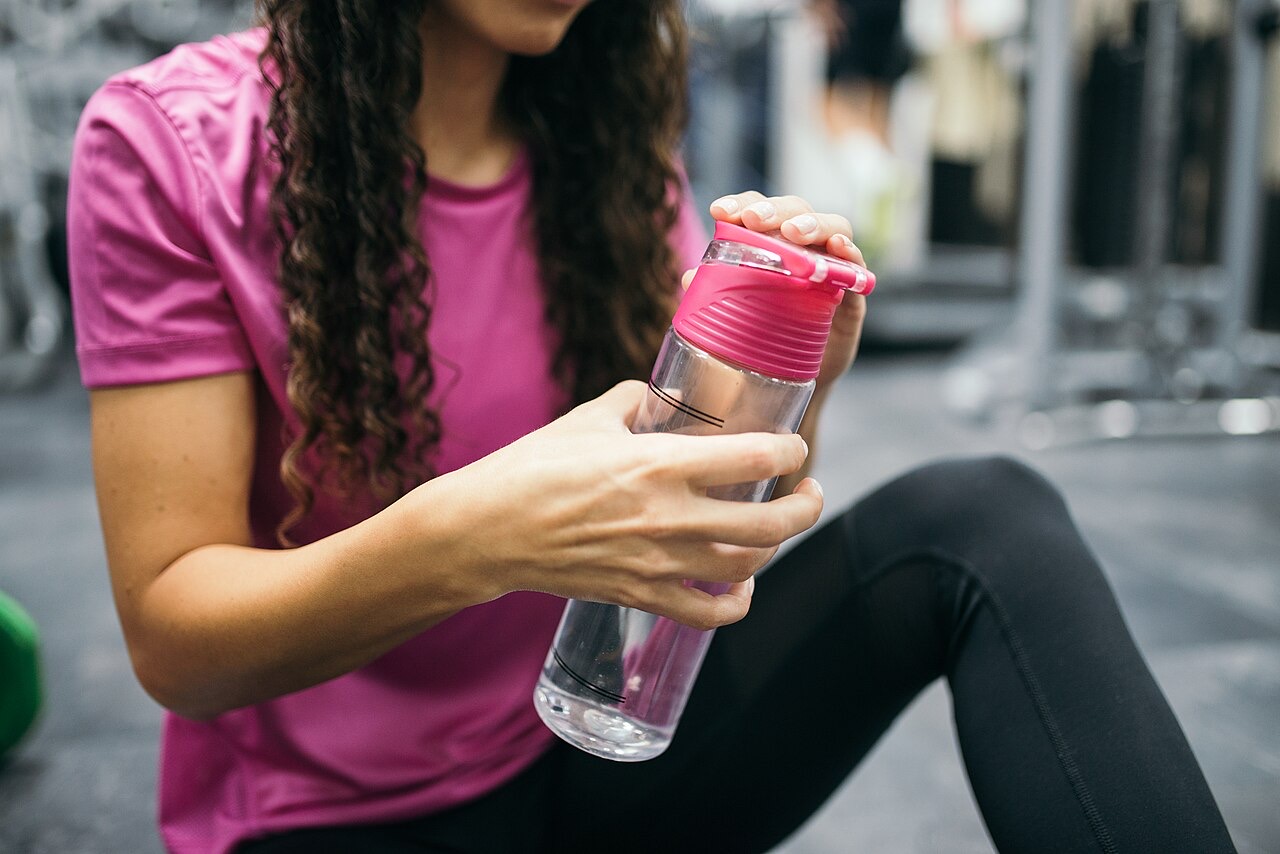
Hydration · November 1, 2026
After a sweaty workout, salty drinks held on to water better than plain water. Sugar-free or sugary? A trial in 20 adults could not settle it, and the drinks' maker paid for it
Twenty people sweated off almost 2% of their body weight, then drank as much as they liked for four hours. Plain water was the drink their bodies kept least of. Whether the sugar mattered is the part the study could not settle, and the authors say so themselves.
Read the analysis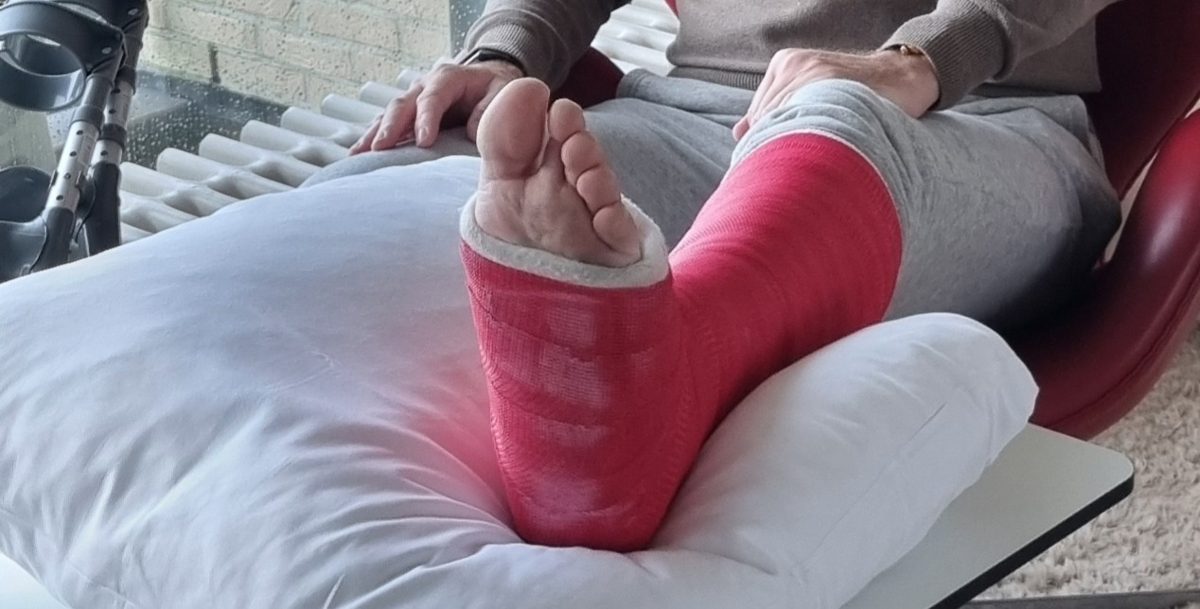
Injury recovery · November 1, 2026
Creatine did not stop muscle shrinking inside a cast in the two trials that scanned it. Six small studies suggest the question may be what happens after the cast comes off
Some of the trials looked encouraging, until the reviewers checked how they had measured muscle. The studies that imaged the thigh directly found the same loss with creatine or a placebo. The more hopeful numbers come later, during rehab, and they rest on very few people.
Read the analysisFrom our articles
Read, then eat a little better
Plain-language guides on nutrition and wellness, backed by research.

Women's health
Inositol for PCOS: the 40:1 ratio, trial doses, and food milligrams
Why do randomized trials in polycystic ovary syndrome prioritize the 40:1 myo to D-chiro inositol ratio? Here is the science behind the ovarian epimerase paradox, clinical ovulation and insulin metrics, and why cantaloupe cannot replace 4,000 mg trial powder.
21 Nov 2026

Everyday eating
Extra virgin olive oil polyphenols: the EU health claim, smoke point myths, and cooking stability
Does extra virgin olive oil degrade when cooked? What does the EU 5 mg polyphenol health claim require, how does oleocanthal act like ibuprofen, and why does oxidative stability matter more than smoke point in domestic frying? Here is the clinical and culinary data.
21 Nov 2026

Food and nutrition
L-theanine and caffeine: what cognitive trials measured on sustained attention, and milligrams in matcha vs green tea
Combining L-theanine with caffeine produces clean focus without caffeine jitters. Here is what randomized trials measured on attention-switching, EEG alpha brain waves, and the exact milligrams across ceremonial matcha, culinary powder, gyokuro, and sencha.
20 Nov 2026
Start with a virtual consultation
Tell Dr. Triveni what you want to change. You will leave with a clear next step, whether you are in Toronto, London, New York or Chennai.