Newsfeed
Nutrition research, analysed
A new analysis every hour. Each one covers a recent study or report: What was found, the numbers behind it and the sources to check. We write about research from the last two weeks, not the news of the day.

Diabetes prevention · November 2, 2026
A year with a community health worker, and no fewer diabetes diagnoses: 5.9% against 4.3% in 2,509 New Yorkers with prediabetes. The coaching averaged about five contacts
The plan allowed for weekly calls or meetings for six months. It didn't turn out that way, weight barely moved in either group, and the two groups were never quite alike. The extra doctor visits may have muddied the count too.
Read the analysis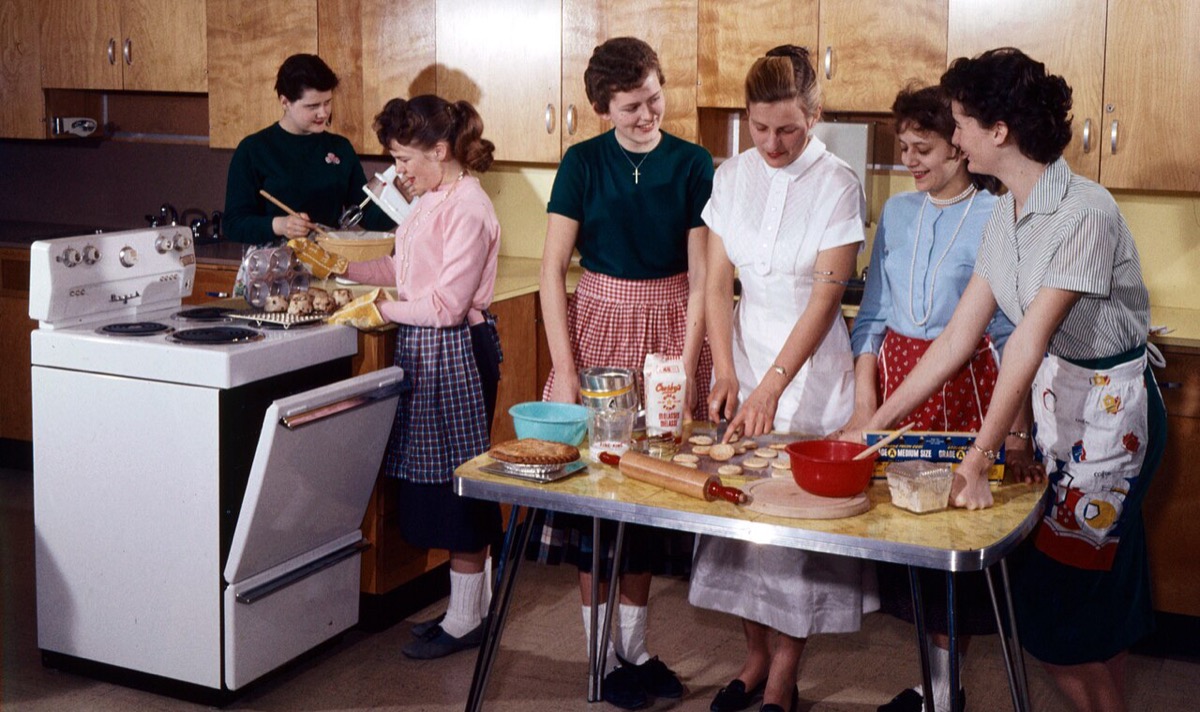
Teen mental health · November 2, 2026
Among 1,032 Brazilian teens, those who sometimes helped shop and cook for the family were less stressed than those who never did. Those who always helped weren't
Heavy stress was reported by 41.5% of the occasional food shoppers, 52.0% of the regulars and 51.8% of those who never went. Loneliness followed a different pattern, and this one survey can't tell us whether the kitchen had anything to do with either.
Read the analysis
Vitamins · November 2, 2026
So many people with long COVID were already taking B vitamins that it was the top reason for turning them away from this trial. Then, over 28 days, the vitamins did no better than going without
People on dummy capsules improved by 2.9 points and people on the vitamins alone by 3.2. A low-dose steroid tested alongside them did help a little, but less than the bar the researchers set beforehand, and the gap was no longer significant by day 60.
Read the analysis
Appetite · November 2, 2026
A food smell, a cooking video, pizza chewed and spat out: 24 studies asked if the senses can stir appetite. Mouths watered, but who ate more is unclear, and the volunteers were mostly healthy
The authors hope this could one day help people who struggle to eat. Every pooled result on hunger came from smell tests in women who rated themselves on a scale, and the randomised trials on eating never tested smell at all.
Read the analysis
Kidney health · November 2, 2026
More than half of 1,027 older Chinese adults with diabetes called their diet light. Urine tests put 94% over the salt limit, and the saltiest quarter more often showed an early kidney warning sign
A routine check-up flagged 45% of them for albumin in the urine. The salt link survived adjustment, but only the top quarter clearly stood apart, and the salt figure itself was worked out from a morning sample, not a full day's collection.
Read the analysis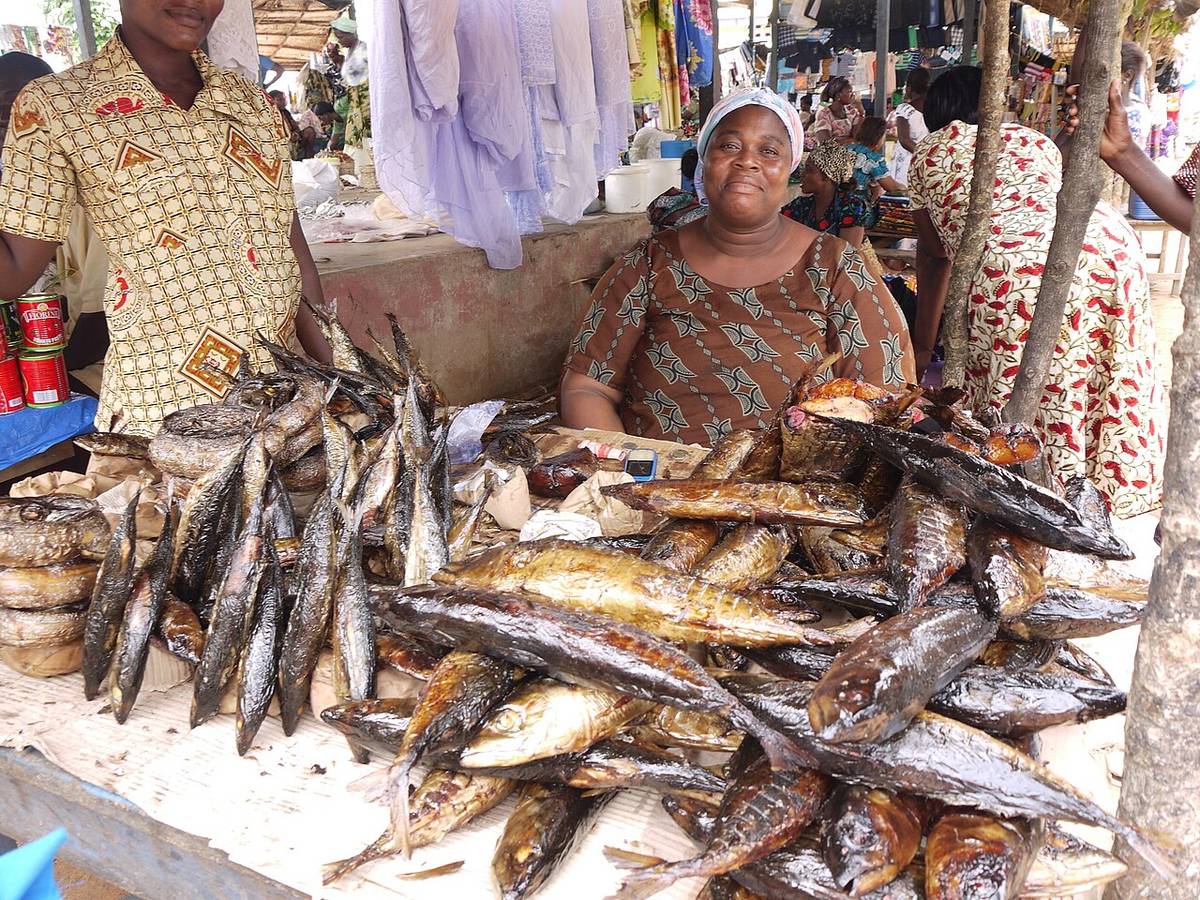
Child development · November 2, 2026
Under-twos in Ghana who ate one more food group the day before scored slightly higher on development. Mothers' play and talk went with higher scores at every age checked; fathers' showed no clear link
Mothers and fathers in Greater Accra each listed what they had done with their child in the past 24 hours. Mothers also reported the child's food and milestones. The pattern is neat, but one person answering most of the questions may be part of why.
Read the analysis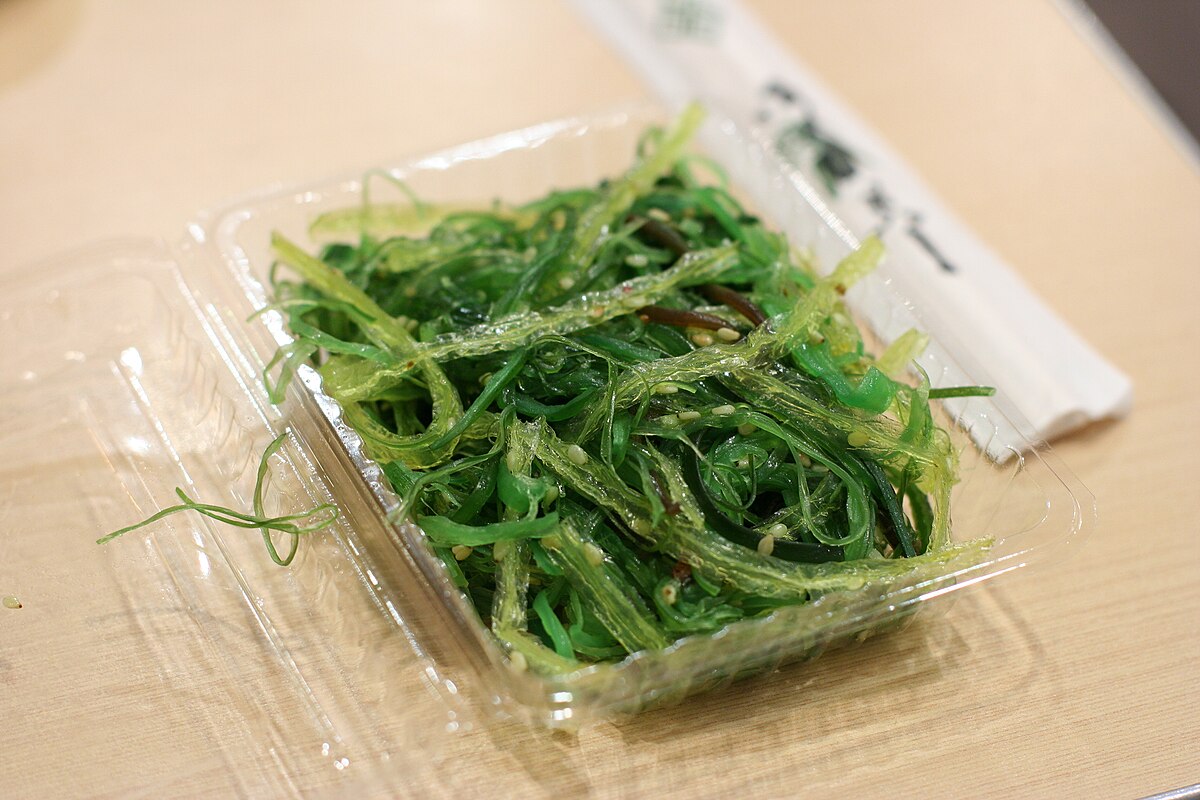
Food perceptions · November 2, 2026
Seaweed's problem may not be the flavour. Among 3,486 Europeans willing to try it, more people marked down the look and the chew, and 57% of Irish people who had never eaten it already held the texture against it
A survey in Ireland, Norway, Spain and Turkey asked people what they remember or imagine about seaweed. Nobody tasted anything. Those who had eaten it were kinder on every count, but that alone doesn't prove one bite changes minds.
Read the analysis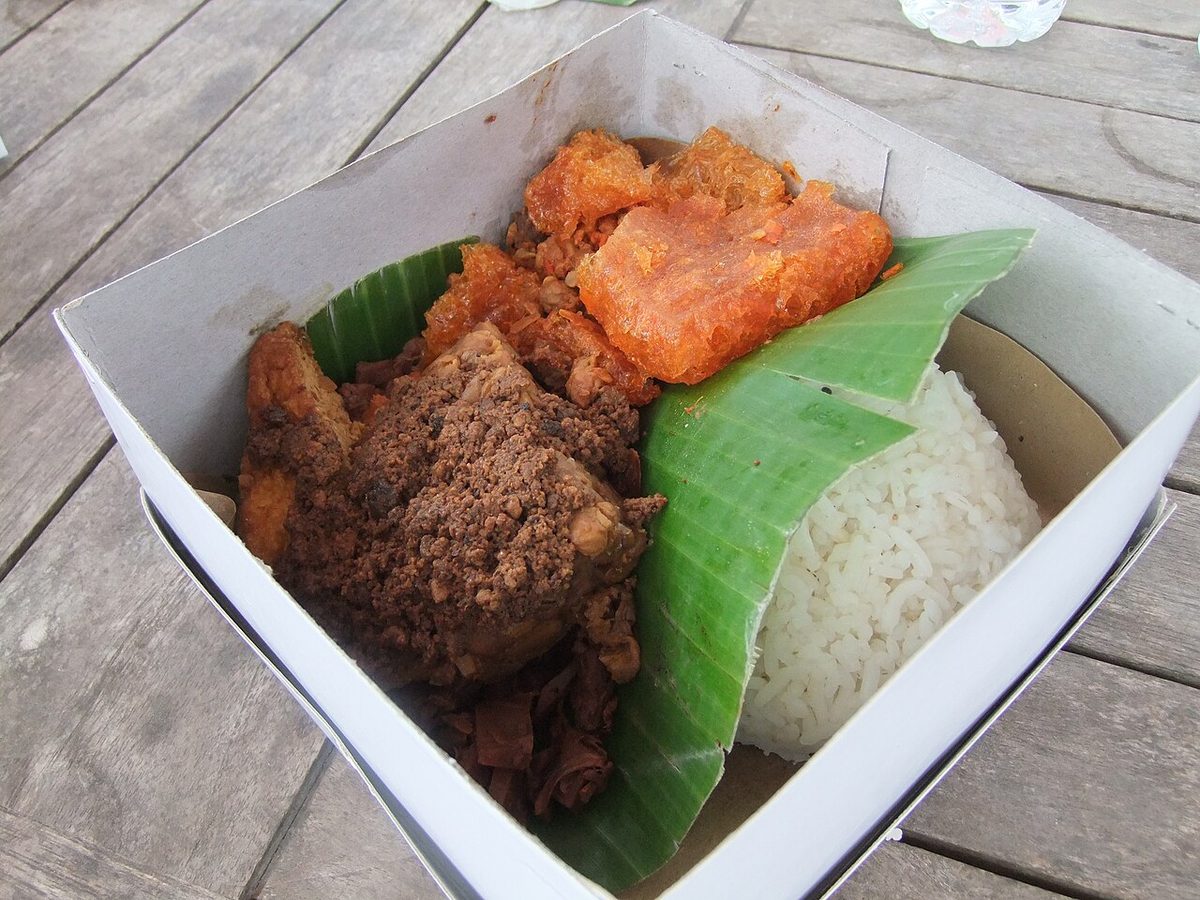
Food rescue · November 2, 2026
Only 8 of 156 rescued-food 'meals' in an Indonesian city reached the calorie mark for one sitting. Some were a single dish, and 98 came from one donor of burgers, nuggets and fried chicken
Researchers went through the records of a food rescue group in Yogyakarta that collects surplus from hotels, bakeries and a food factory. Protein held up fairly well. Calories, carbohydrate and fruit did not. But what counts as a meal here decides a lot of the answer.
Read the analysis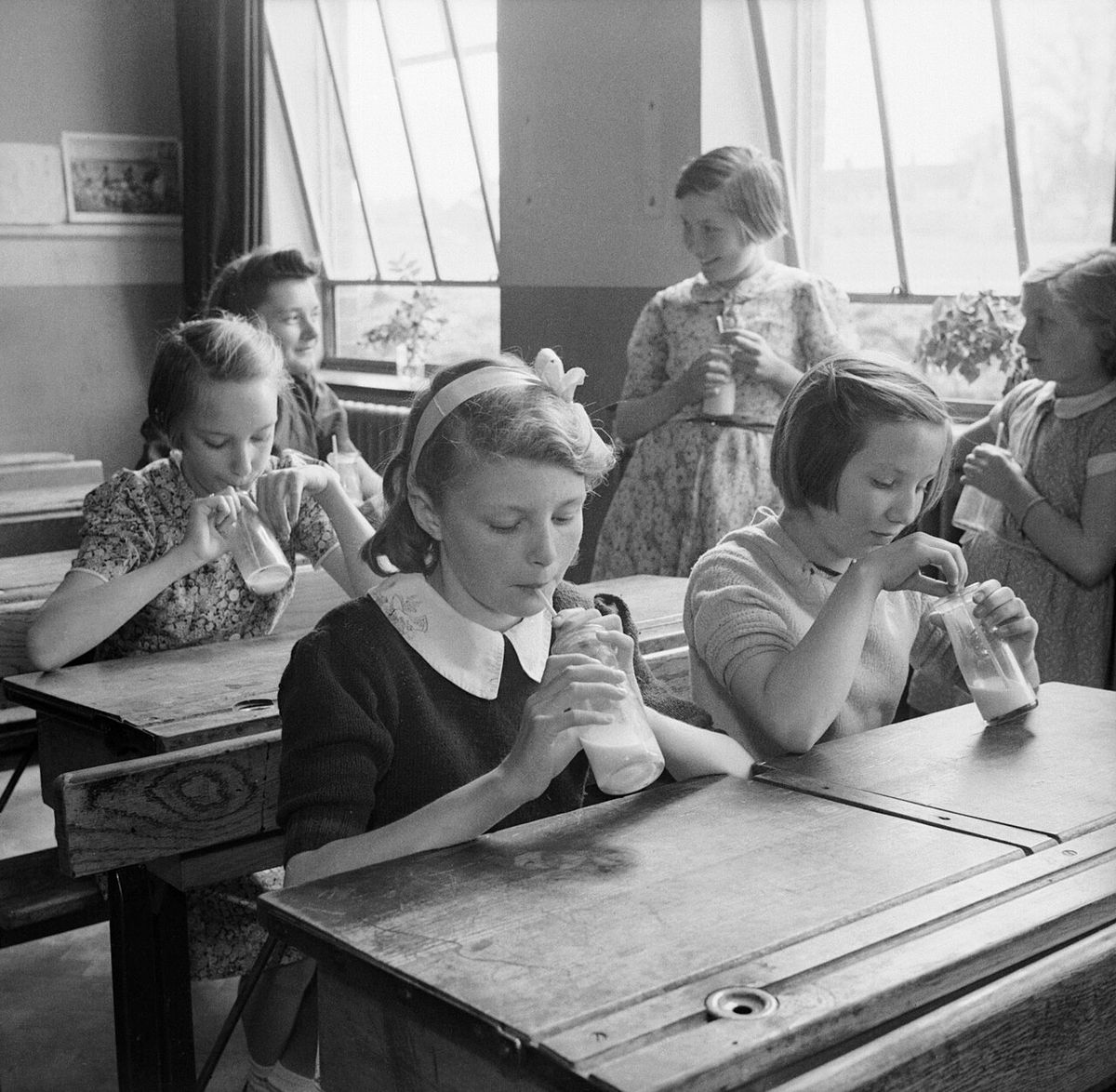
Lung health · November 2, 2026
US adults who remember drinking milk daily at age 5 to 12 blew out about 230 mL more air in a second than those who never did. Only 81 people were in the 'never' group, and the memories were decades old
A new analysis of 3,935 American adults set their recalled childhood milk habits beside a lung test taken in a mobile clinic. The gap showed up for milk at 5 to 12 but not for milk in the teens or twenties. How the groups were split, and what was never measured, matter as much as the number.
Read the analysis
Sleep · November 2, 2026
In 1,936 adults from Catania, those eating closest to the 'planet-friendly' diet were more likely to say they slept well. They didn't sleep any longer, and the answers were collected in 2014
A new analysis from Sicily scored people's diets against the EAT-Lancet reference diet and set the scores beside a standard sleep questionnaire. The top quarter reported good sleep more often than the bottom quarter, especially among people carrying extra weight. The middle of the table, and what the study could not measure, tell you how far to take it.
Read the analysis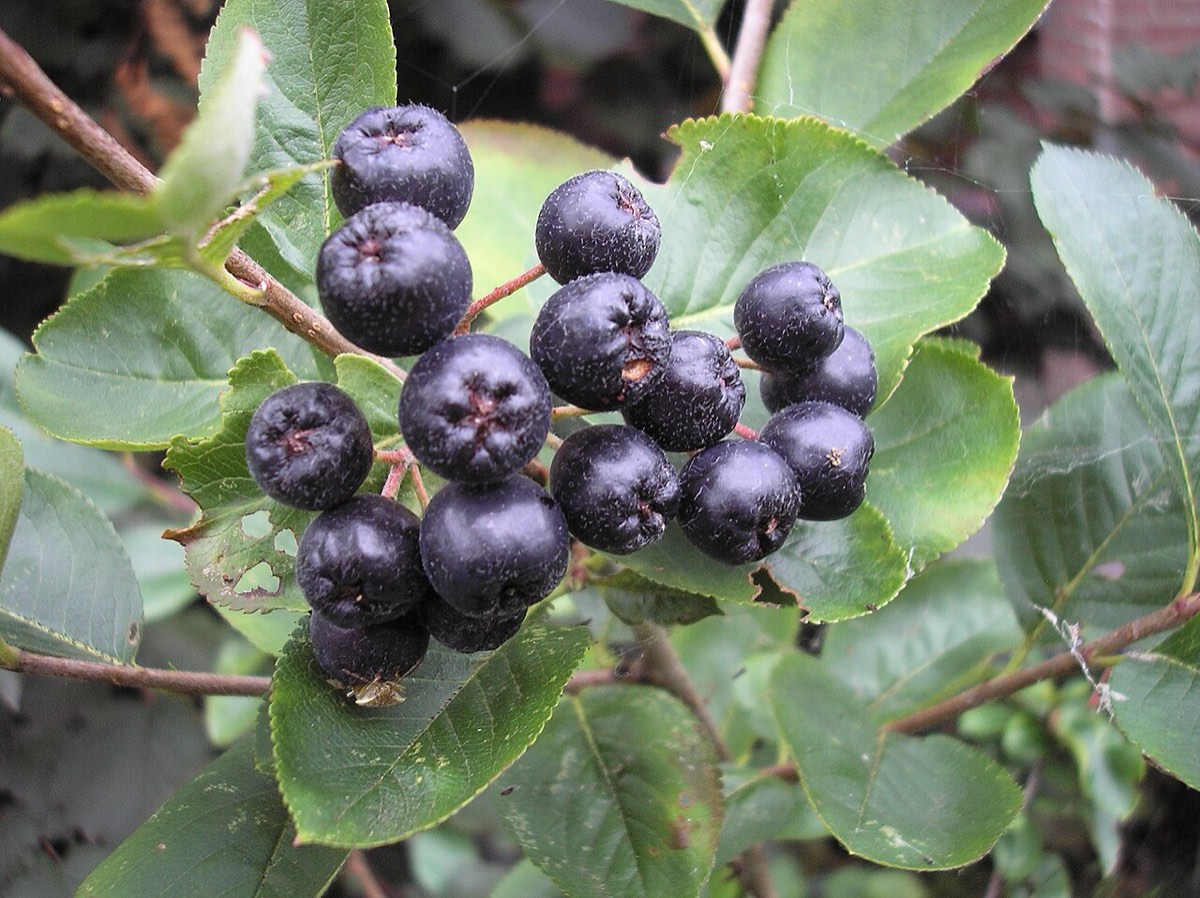
Sports nutrition · November 2, 2026
Chokeberry capsules for national-team rowers: the gut and stress markers came out ahead, mostly because the placebo group's went the wrong way
Fifteen Polish rowers took black chokeberry extract or a look-alike placebo for eight weeks, then raced a flat-out 2,000 m on the rowing machine. The berry group ended with lower blood markers linked to gut leakiness and lower cortisol an hour later. The authors are unusually blunt about what that does not prove, and a look at the numbers shows why.
Read the analysis
Plant-based foods · November 2, 2026
Plant-based meat beat the real thing on the Nutri-Score in Norway. Plant milk, cheese and yoghurt mostly lost, and the grade never looks at vitamins
Graded against the foods they copy, the 41 plant-based products Norwegian adults reported eating split neatly by type, and an unfortified one could still score well. Most of the country barely touches them, though: 8% of 1,815 adults have one twice a week, and they supply 0.3% of the average person's food energy.
Read the analysisFrom our articles
Read, then eat a little better
Plain-language guides on nutrition and wellness, backed by research.

Women's health
Inositol for PCOS: the 40:1 ratio, trial doses, and food milligrams
Why do randomized trials in polycystic ovary syndrome prioritize the 40:1 myo to D-chiro inositol ratio? Here is the science behind the ovarian epimerase paradox, clinical ovulation and insulin metrics, and why cantaloupe cannot replace 4,000 mg trial powder.
21 Nov 2026

Everyday eating
Extra virgin olive oil polyphenols: the EU health claim, smoke point myths, and cooking stability
Does extra virgin olive oil degrade when cooked? What does the EU 5 mg polyphenol health claim require, how does oleocanthal act like ibuprofen, and why does oxidative stability matter more than smoke point in domestic frying? Here is the clinical and culinary data.
21 Nov 2026

Food and nutrition
L-theanine and caffeine: what cognitive trials measured on sustained attention, and milligrams in matcha vs green tea
Combining L-theanine with caffeine produces clean focus without caffeine jitters. Here is what randomized trials measured on attention-switching, EEG alpha brain waves, and the exact milligrams across ceremonial matcha, culinary powder, gyokuro, and sencha.
20 Nov 2026
Start with a virtual consultation
Tell Dr. Triveni what you want to change. You will leave with a clear next step, whether you are in Toronto, London, New York or Chennai.