Appetite · November 2, 2026
A food smell, a cooking video, pizza chewed and spat out: 24 studies asked if the senses can stir appetite. Mouths watered, but who ate more is unclear, and the volunteers were mostly healthy
The authors hope this could one day help people who struggle to eat. Every pooled result on hunger came from smell tests in women who rated themselves on a scale, and the randomised trials on eating never tested smell at all.
Your body starts getting ready for a meal before the first bite. Saliva flows, and insulin can rise a little, in what physiologists call the cephalic phase response. A hospital nursing and radiotherapy team in Suzhou, China, wanted to know how far that could be pushed, and which sense does it best. Their review, published in The Journal of Nutrition, Health & Aging on 26 October, opens with the problem of people who don't eat enough, including older adults and cancer patients.
They searched five databases up to 1 May 2025 and went from 8,094 records to 24 studies in 22 reports, with 1,008 adults. The tests were an odd and likeable mix. Ambient smells of beef, chocolate, melon or cucumber. Cooking videos of shrimp in chili sauce. Pasta in three shapes at one lunch. Luncheon meat, hard or soft, eaten at a cinema. And modified sham feeding, where people chew a peanut butter sandwich, cream cheese or cheese pizza and spit it out.
The firmest result is the least surprising: food cues make your mouth water. Two randomised trials pooled to a standardised mean difference of 1.04, which is a large effect on the usual rule of thumb. Those two trials had 45 people between them, by our count from the paper's table, and the review rated them as raising some concerns about bias. Five non-randomised studies could also be pooled on saliva. In those, taste (1.03) and touch or chewing (1.12) clearly raised flow. Smell alone (0.37) didn't reach significance.
Hunger is where the gaps show. The pooled appetite figure of 0.54 comes from four non-randomised smell studies, all listed in the paper's table as women only: 123 of them, on our count. All used rating scales, which the authors say may not reflect real changes in appetite regulation. The only randomised trial touching appetite had 12 young adults and found that a picture and a smell together worked better than either alone. It couldn't be pooled with anything.
Eating more is less certain still. Three randomised trials pooled to 0.32, with an interval running from a small reduction to a large rise (-0.25 to 0.88) and very high disagreement between them. They tested texture, texture with sweetness, and the look of pears and peppers. None tested smell. In one, soft textures led to more eating; in the cafeteria trial, varied shapes and colours of pears and peppers made no overall difference. The non-randomised studies gave a small positive figure of 0.19, but it stopped being significant when certain single studies were removed, and smell's own subgroup (0.20) wasn't significant either.
Insulin looks like the best story and has the thinnest evidence. Four non-randomised studies, 102 people on our count, pooled to 0.95, again losing significance when certain studies were dropped. One taste study found a rise with sucrose and saccharin, but not with sour, salty, bitter or umami tastes. And a 1980 study found insulin rose at the sight and smell of a meal in women with obesity but not in healthy women, which the authors take as a hint that the person matters as well as the cue.
The bigger issue is who was tested. The authors describe the people as predominantly healthy, with two groups of women with obesity. Reading the review's table, we can't find a group picked for poor appetite or malnutrition. The oldest group, 25 people averaging 72, was only tested on saliva. Most tests were one-off lab sessions lasting seconds to minutes. So the idea that a smell before dinner might help someone who has stopped eating remains a reasonable idea with no test behind it here. The authors say as much: they call for trials in at-risk groups, and for checking whether nutrition actually improves.
It also matters which way you read this. The same studies that raise hopes for poor eaters include bread smell raising appetite and intake in women with obesity. More appetite is only good news if you need it. And the review can't tell you what any of this means in a real kitchen: its authors say the laboratory settings leave real-world eating uncertain, and no eligible study looked at sound at all.
Food sensory cues and four responses: pooled results from 24 studies in 1,008 adults (The Journal of Nutrition, Health & Aging, 2026)
24
Studies in 22 reports: 6 randomised, 18 not. Search ran to 1 May 2025
1,008
Adults in all, 595 women and 413 men, predominantly healthy
SMD 1.04
Saliva, 2 randomised trials (95% CI 0.64 to 1.45)
SMD 0.32
Food intake, 3 randomised trials: not significant (95% CI -0.25 to 0.88)
SMD 0.54
Appetite with smell, 4 non-randomised studies (95% CI 0.29 to 0.79)
SMD 0.95
Insulin release, 4 non-randomised studies (95% CI 0.24 to 1.66)
SMD 0.19
Food intake, 4 non-randomised studies (95% CI 0.02 to 0.35)
6 of 18
Non-randomised studies at serious risk of bias. The other 12 were moderate, and all 6 trials raised some concerns
Figures come from the open-access paper's abstract, tables and results. A standardised mean difference (SMD) puts different measures on one scale, in standard deviations; by a common rule of thumb 0.2 is small, 0.5 medium and 0.8 large, and it doesn't tell you how many grams or millilitres were involved. Heterogeneity (I²) was 93.1% for food intake in randomised trials, 75.2% for insulin, 81.6% for saliva in non-randomised studies and 28.6% for saliva in randomised trials. Some estimates relied on data read off published graphs, converted measures of spread, or an assumed correlation of 0.50. For insulin, the authors say sham feeding had the largest effect (0.96, 95% CI 0.50 to 1.41), though taste's figure was numerically higher but very imprecise (1.15, 95% CI -0.97 to 3.28). The counts of 45, 123 and 102 people are our arithmetic from Table 1, as is the reading that all four pooled appetite studies were in women and that no group was chosen for a poor appetite. The work was funded by Suzhou research programmes and the Chinese Nursing Association, and the authors declare no conflicts of interest.
- One study compared citric acid, a vanilla-custard smell and chewing Parafilm. Citric acid produced the highest saliva flow.
- In one 1982 lunch study, people ate more when the pasta changed shape from course to course than when they stuck with their favourite shape. A second test found the same with changing flavours.
- In one randomised trial, 106 adults spent 90 minutes eating at a cinema. Harder or softer versions of luncheon meat, a meat replacer and chewy candy made no difference to how much they ate.
- Menthol and caffeine had no effect on saliva in one study, while capsaicin and MSG did.
- Exposure ranged from 10 seconds in some taste and sham-feeding tests to 30 minutes of ambient smell in another study.
- Of the 167 full-text papers the team rejected, 53 didn't measure the outcomes they wanted and 18 weren't in humans.
- The relative efficacy of sensory modalities in driving insulin release, salivary secretion, appetite, and food intake: A systematic review and meta-analysisThe Journal of Nutrition, Health & Aging, 26 October 2026 · The paper's DOI. Open access under CC BY-NC-ND.
- Full text of the paperPubMed Central · Search, Table 1 of study details, pooled results, sensitivity analyses, limitations, funding.
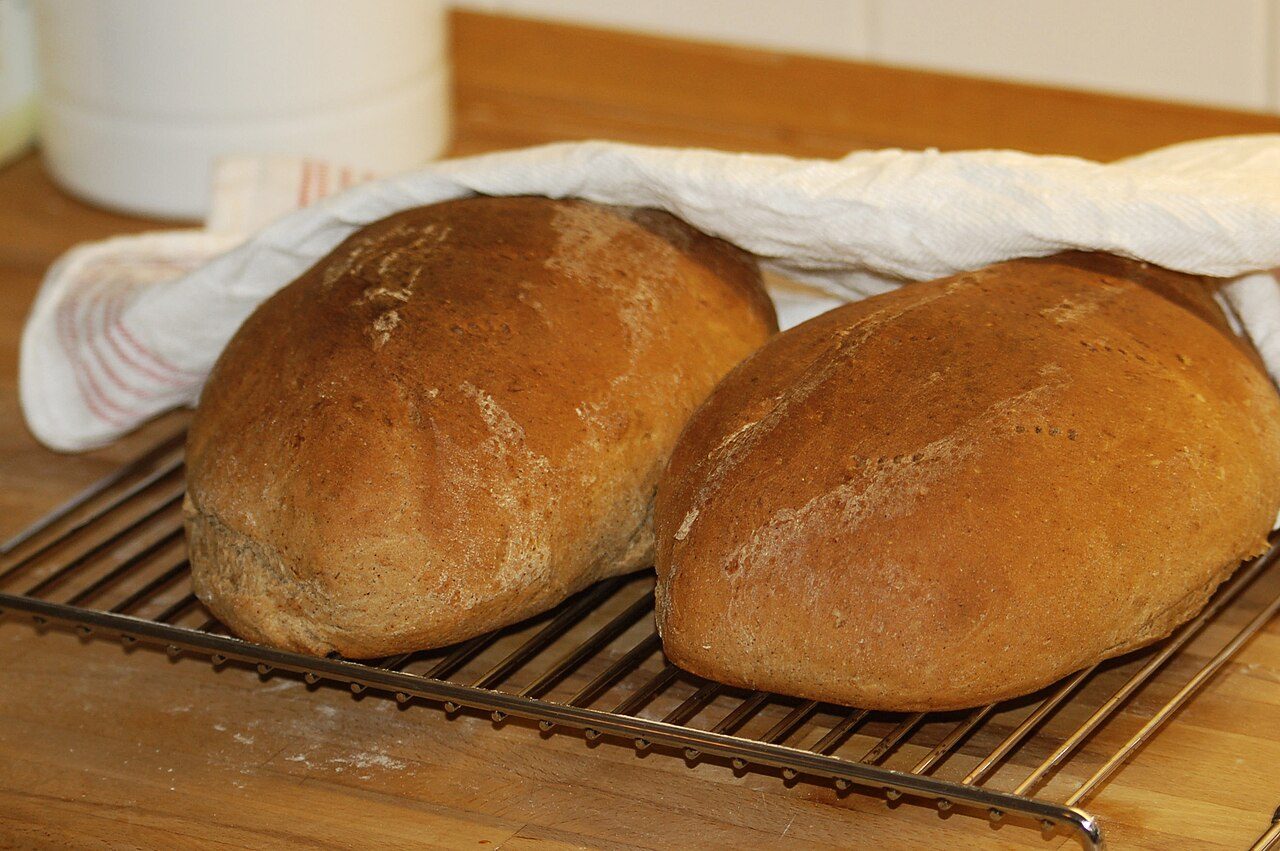
- Loaves of breadWikimedia Commons · CC BY 2.0 photograph by erik forsberg, used as an illustration.
General information, not medical advice. These were mostly short lab tests in healthy adults, and they don't show that food smells or tastes treat poor appetite or malnutrition. If you or someone you care for is eating too little or losing weight without trying, talk to a doctor or a registered dietitian.
Analysis by NutroPractic from the sources listed. Written for general readers; it does not replace advice from your own doctor.
From our articles
Read, then eat a little better
Plain-language guides on nutrition and wellness, backed by research.
Gut health
Gluten-free without coeliac disease: who actually benefits, and what the blinded gluten challenges found
In blinded trials only 16% of people who said gluten made them ill reacted to gluten rather than placebo, and in Oslo fructans caused more bloating than gluten. Who really needs to avoid it, how to get tested before you stop, how much gluten is in a slice of bread or a roti, and what gluten-free food costs (159% more in the UK) and lacks.
1 Nov 2026
Diabetes
Fenugreek, cinnamon and turmeric for blood sugar: what the trials in an Indian kitchen measured
Fenugreek seed at 5-10 g a day lowered HbA1c by about 0.85 points in pooled trials, and in a 3-year Hyderabad study 23% went on to diabetes against 55%. Cinnamon trims fasting glucose by 15-25 mg/dL, but a teaspoon of cassia tops the coumarin limit. Curcumin: about 0.3-0.4 points, and rare liver injury from capsules. Doses in teaspoons, and a fair way to test it at home.
1 Nov 2026

Diabetes
Potatoes and blood sugar: boiled, cooled, mashed or fried, and what the cohorts and trials found
Fries were linked to 20% higher diabetes risk per three servings a week in 205,000 US adults; boiled, baked and mashed potatoes to almost none. GI by cooking method, resistant starch in grams after chilling, the glycaemic load of a potato against a cup of rice, and how to fit aloo into an Indian plate.
30 Oct 2026
Newsfeed for your website
Want this feed on your website?
Add it to any site with one copy-and-paste snippet. No sign-up, and it updates itself every hour.
Start with a virtual consultation
Tell Dr. Triveni what you want to change. You will leave with a clear next step, whether you are in Toronto, London, New York or Chennai.