Supplement safety · November 2, 2026
Japan's red yeast rice scandal put kidneys in the spotlight. In Taiwan, 67,876 people on a prescription version reached dialysis far less often, but the comparison group was much sicker
Insurance records show 0.9 cases of kidney failure per 1,000 person-years on the capsule against 3.7 on lovastatin. Yet the lovastatin patients were more than twice as likely to have kidney disease already, most of the gap in the matched analysis opens in the first two years, and the capsule itself contains lovastatin.
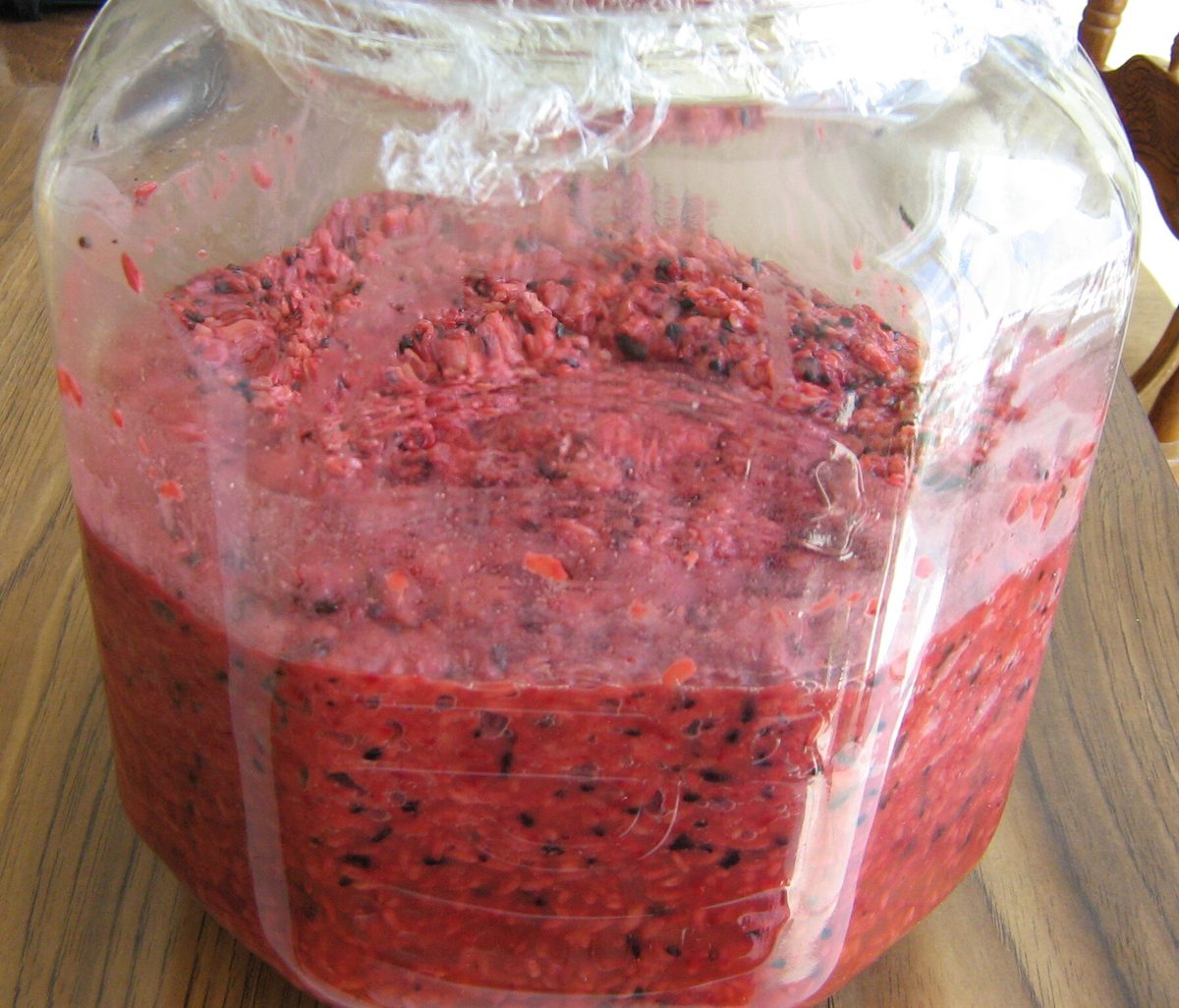
In early 2024, people in Japan who had taken a red yeast rice supplement, Benikoji CholesteHelp, began turning up with damaged kidneys. Suspicion fell on puberulic acid, a by-product of a Penicillium mould that got into the fermentation, rather than on the red yeast itself. That left a wider question hanging: is red yeast rice hard on the kidneys when nothing has gone wrong in the factory? A team from Taipei Medical University and China Medical University went looking in Taiwan's national insurance records, and published what they found in PLOS One on 27 October.
They compared 67,876 adults with high cholesterol who were prescribed a medical-grade capsule, LipoCol Forte, between 2010 and 2014 with 90,836 who were prescribed the statin lovastatin and never the capsule, following both groups through 2019. The outcome was kidney failure needing long-term dialysis. It came at 0.9 cases per 1,000 person-years on the capsule and 3.7 on lovastatin, an adjusted hazard ratio of 0.36. Taken at face value, that is a clean bill of health and then some, with risk about two-thirds lower. Against atorvastatin, rosuvastatin and three other statins the ratio ran from 0.16 to 0.35.
The two groups were not alike to begin with. At the start, 34.6% of the lovastatin group already had chronic kidney disease against 14.4% of capsule users, 52.7% had diabetes against 23.8%, and 56.5% were 60 or older against 24.8%. Claims data hold no creatinine or eGFR, so nobody can say how close anyone's kidneys already were to failing, and no BMI or smoking either. The authors themselves raise a "healthy user" effect, and the subgroups fit it: the ratio was 0.08 among people with no other illnesses on the comorbidity score, but 0.77 among those with the highest scores. Timing points the same way. In a supplementary analysis of 21,881 matched pairs, 496 of the 705 lovastatin cases came in the first two years, about 11.6 per 1,000 person-years against 1.4 on the capsule. By our sums from the paper's table, the gap after that narrows to roughly 1.2 against 0.7. On our reading, that fits some people being started on lovastatin with kidneys already failing, and the matched baseline table does not list chronic kidney disease among the things it balanced.
The paper's other supports are weaker than its abstract suggests. It reports a "dose-dependent reduction", but the ratios are 0.40 for one prescription, usually a 30-day supply, 0.39 for two, 0.31 for three, 0.43 for four and 0.32 for five or more, which is hardly a slope. The check that dropped cases from the first months moved the ratio from 0.36 to 0.72, and it then sat at exactly 0.72, with the same confidence interval, at every cut-off from two months to six. Some person-year counts do not reconcile either (see the note under the data). The authors do call for randomised trials and caution that the findings may not apply to other products. Above all, a capsule holding 5.7 mg of lovastatin was compared with lovastatin, so this is not a test of a supplement against a drug. What the study can fairly say is narrower: it found no sign that this one prescription capsule raised dialysis risk compared with lovastatin. It says nothing about shop-bought supplements, and it does not show that red yeast rice protects kidneys.
Prescription red yeast rice (LipoCol Forte) vs lovastatin and later kidney failure needing dialysis, Taiwan insurance claims, 2010 to 2019 (PLOS One, 27 October 2026)
67,876 vs 90,836
Adults with high cholesterol prescribed the capsule vs lovastatin
0.9 vs 3.7
Kidney failure cases per 1,000 person-years, capsule vs lovastatin (508 vs 3,344 cases)
0.36
Adjusted hazard ratio for the capsule against lovastatin (95% CI 0.32 to 0.40)
14.4% vs 34.6%
Already had chronic kidney disease at the start, capsule vs lovastatin
24.8% vs 56.5%
Aged 60 or older at the start, capsule vs lovastatin (our sum from the paper's age bands)
0.08 vs 0.77
Hazard ratio among people with a comorbidity score of 0 vs a score of 3 or more
0.40 vs 0.32
Hazard ratio after one prescription vs five or more
0.72
Hazard ratio after dropping cases from the first two months (95% CI 0.64 to 0.81)
496 of 705
Lovastatin-group cases arising in the first two years, in the 21,881 matched pairs (hazard ratio 0.27 overall)
11.4 mg
Lovastatin a day in the standard two capsules (5.7 mg each, our multiplication)
Figures were read in the open-access paper and its supplementary tables. This is observational insurance data, so it cannot show cause and effect; adherence and actual doses taken are unknown, and the paper does not report the lovastatin group's dose. Two things we could not reconcile: Table 5 gives capsule users 669,468 person-years for years 0 to 10, more than the 562,606 in the whole-study total in Table 2 (the matched tables show the same mismatch, 215,484 vs 158,193); and the lovastatin group's reported mean follow-up of 10.1 years is longer than the 10 years possible for someone first prescribed from January 2010 and followed to December 2019. The rates after year two are our arithmetic from those matched tables. The figures for Japan are the paper's own, and we did not check them against official Japanese records.
- Monacolin K, the active compound in red yeast rice, is structurally identical to lovastatin, says the US National Center for Complementary and Integrative Health. Its side effects can be the same as a statin's, including muscle, kidney and liver damage.
- Shop-bought products can differ enormously. The same US agency cites a 2017 review in which monacolin K ranged more than 60-fold, from 0.09 to 5.48 mg per 1,200 mg of red yeast rice. Two LipoCol Forte capsules, also 1,200 mg, hold 11.4 mg by the paper's figures, above that whole range.
- The US FDA considers red yeast rice products high in monacolin K to be unapproved new drugs that cannot legally be sold there. The US agency adds that consumers have no way of knowing how much a product contains.
- Puberulic acid is not the only contaminant to worry about. Some red yeast rice products contain citrinin, which the US agency says is toxic and can damage the kidneys.
- According to the paper, 236 people had been admitted to hospital with severe kidney impairment possibly linked to the Japanese supplement by 17 April 2024, and authorities eventually connected 76 deaths to the episode.
- The authors note that a significant share of capsule users may have chosen it after side effects such as muscle pain on an earlier statin, one more way the groups could differ from day one. Capsule users also skewed young: 18.3% were under 40, against 3.9% on lovastatin (our sums).
- Does receiving red yeast rice prescriptions (LipoCol Forte) increase the risk of end-stage renal disease or not? A retrospective cohort studyPLOS One, 27 October 2026 · The paper's DOI. Open access under CC BY.
- Full text of the paper (PMC13712715)PubMed Central, US National Library of Medicine · Baseline characteristics, rates, hazard ratios, capsule contents, funding and limitations.
- S4 Table: risk by follow-up period in the propensity-matched cohortPLOS One supporting information · The 496 and 59 cases in the first two years. S2 and S3 Tables, in the same supporting information, give the matched baseline and the overall ratio of 0.27.
- Red Yeast RiceUS National Center for Complementary and Integrative Health · Monacolin K, FDA position, product variation, citrinin, side effects and pregnancy.
- Red rice wine hong zhao (cropped)Wikimedia Commons · Public domain photograph by Gluo88, used as a general illustration.
General information, not medical advice. This observational study does not show that red yeast rice protects the kidneys, and it does not apply to over-the-counter supplements. Red yeast rice can act like a statin and interact with medicines, and it is not recommended in pregnancy or while breastfeeding. Do not stop or swap a cholesterol medicine without talking to your doctor, and ask first if you have kidney or liver problems.
Analysis by NutroPractic from the sources listed. Written for general readers; it does not replace advice from your own doctor.
From our articles
Read, then eat a little better
Plain-language guides on nutrition and wellness, backed by research.
Gut health
Gluten-free without coeliac disease: who actually benefits, and what the blinded gluten challenges found
In blinded trials only 16% of people who said gluten made them ill reacted to gluten rather than placebo, and in Oslo fructans caused more bloating than gluten. Who really needs to avoid it, how to get tested before you stop, how much gluten is in a slice of bread or a roti, and what gluten-free food costs (159% more in the UK) and lacks.
1 Nov 2026
Diabetes
Fenugreek, cinnamon and turmeric for blood sugar: what the trials in an Indian kitchen measured
Fenugreek seed at 5-10 g a day lowered HbA1c by about 0.85 points in pooled trials, and in a 3-year Hyderabad study 23% went on to diabetes against 55%. Cinnamon trims fasting glucose by 15-25 mg/dL, but a teaspoon of cassia tops the coumarin limit. Curcumin: about 0.3-0.4 points, and rare liver injury from capsules. Doses in teaspoons, and a fair way to test it at home.
1 Nov 2026

Diabetes
Potatoes and blood sugar: boiled, cooled, mashed or fried, and what the cohorts and trials found
Fries were linked to 20% higher diabetes risk per three servings a week in 205,000 US adults; boiled, baked and mashed potatoes to almost none. GI by cooking method, resistant starch in grams after chilling, the glycaemic load of a potato against a cup of rice, and how to fit aloo into an Indian plate.
30 Oct 2026
Newsfeed for your website
Want this feed on your website?
Add it to any site with one copy-and-paste snippet. No sign-up, and it updates itself every hour.
Start with a virtual consultation
Tell Dr. Triveni what you want to change. You will leave with a clear next step, whether you are in Toronto, London, New York or Chennai.