Shift work · November 1, 2026
Same factory, 265 more calories a day. In 52 Turkish men, those on rotating shifts ate more fat, yet their diets looked no more 'inflammatory' than the day crew's
Researchers expected the men working days, evenings and nights in turn to score worse on an index of how inflammatory a diet is. They did not. A link between that score and poor sleep did turn up, then faded once the numbers were adjusted.
The usual story about shift work and food goes like this: odd hours lead to worse eating, worse eating feeds inflammation, and inflammation wrecks sleep. Two nutrition researchers from Ankara University and Acibadem University put that chain to the test at a defence factory in Ankara, comparing 26 men who always worked 08:00 to 16:00 with 26 who rotated each week through day, evening and night shifts. Everyone had at least a year on his schedule and no diagnosed chronic disease. The paper appeared in PLOS One on 22 October.
The first link in the chain held up, at least in part. A dietitian took three separate 24-hour food recalls from each man, covering working days and a day off. The rotating group reported about 2,428 kcal a day against 2,163 for the day workers, a gap of 265 kcal. Saturated fat ran about 12 g a day higher (49.4 g against 37.4 g), and the median cholesterol intake was roughly double (577 mg against 266 mg). Fat made up 45.5% of the rotating men's energy and 41.7% of the day men's. They also took in more iron, calcium, folate, vitamin A and phosphorus, which the authors warn may simply reflect eating more food overall.
The second link did not. The Dietary Inflammatory Index, which scores a diet from its nutrients and a few foods such as garlic and tea, was the study's main measure, and the researchers had predicted a higher score for the rotating group. It came out at -0.2 for them and +0.2 for the day workers, a difference well within chance. The authors suggest one reason may be the institutional meals both groups shared at the factory, which could have narrowed the gap. Blood pressure, blood sugar, blood fats, C-reactive protein and homocysteine showed no link with the score either. Sleep scores leaned the expected way (6.0 against 4.7 on a scale where higher is worse), but that gap was not statistically significant.
The third link is where a quick reading could mislead. Across all 52 men, a higher inflammatory score went with worse sleep (r = 0.28, p = 0.046), and the pattern looked stronger among the rotating group. After allowing for age, BMI, smoking, physical activity and work schedule it was no longer statistically significant (p = 0.112). This was one snapshot, in one workplace, of men only, with food and sleep both self-reported, so it cannot say that diet affected sleep or the reverse. The sample was sized to catch a large difference in the index, so a smaller one could have gone unseen, and with so many nutrients compared the authors ask for caution there too.
26 fixed daytime and 26 rotating shift workers, all men, at a defence factory in Ankara, Türkiye (PLOS One, 22 October 2026). Fixed daytime first, rotating second
2,163 vs 2,428 kcal
Average daily energy intake, from three 24-hour recalls (p = 0.010)
37.4 vs 49.4 g
Saturated fat a day (p < 0.001)
41.7% vs 45.5%
Share of energy from fat (p = 0.046)
266 vs 577 mg
Median cholesterol intake a day (p = 0.001)
+0.2 vs -0.2
Dietary Inflammatory Index, the main measure; negative means more anti-inflammatory (p = 0.54)
30.8% vs 38.5%
Men counted as poor sleepers, Pittsburgh score above 5 (not statistically significant)
p = 0.046 → 0.112
Link between inflammatory score and overall sleep score, before and after adjustment
Cross-sectional study, so it shows associations only. Data were collected from October 2022 to May 2023. BMI (24.6 vs 26.5) and body fat (20.1% vs 23.4%) leaned higher in the rotating group but missed statistical significance (p = 0.068 and 0.061). Men with diagnosed chronic disease or food allergies or intolerances were excluded, and women were not included because the rotating shifts at this factory were worked mostly by men. Food and sleep were self-reported. The authors report no specific funding and no competing interests.
- More of the men on steady day shifts smoked and drank in this sample: 15 of 26 smoked against 9 of 26 on rotation, and 9 drank alcohol against 4. Neither gap was statistically significant, but it is a reminder that the day crew was not simply the healthier group.
- Roughly four in ten men in both groups ate only two main meals a day (21 of the 52), and snacking habits looked much the same, so the extra calories on rotation did not show up as extra meals or snacks in the questionnaire.
- Protein looked almost identical once body weight was counted: 1.07 g per kg a day for day workers and 1.10 g for those on rotation.
- The inflammatory index in this study used 33 items, including onion, garlic, pepper, turmeric and green or black tea alongside the usual nutrients.
- The Pittsburgh Sleep Quality Index has 19 questions about the past month and adds up to a score from 0 to 21. This group ranged from 1 to 17.
- Association among Dietary Inflammatory Index, sleep quality and nutritional status in fixed daytime and rotating shift workersPLOS One, 22 October 2026 · Open-access paper (CC BY): methods, Tables 1 to 5, the adjusted regression, limitations and funding.
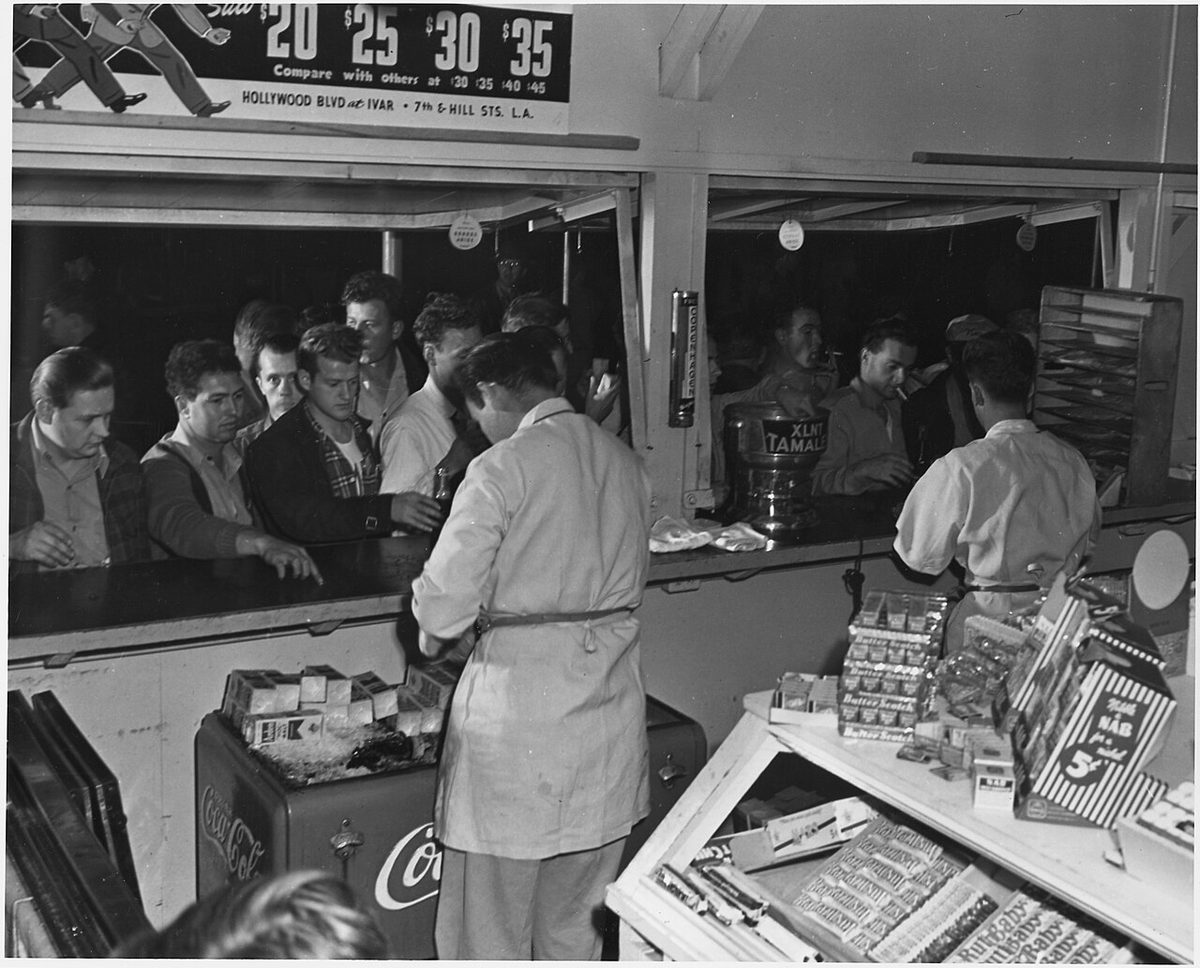
- A canteen on the grounds of a large western aircraft plant serves workers hot food, drinks and refreshmentsUS National Archives, via Wikimedia Commons · Public domain photograph, used as a general illustration.
General information, not medical advice. This small one-time study of men at a single factory cannot show that shift work changes diet, or that diet changes sleep. If you work shifts and are worried about your weight, sleep or heart health, talk to your doctor or a registered dietitian.
Analysis by NutroPractic from the sources listed. Written for general readers; it does not replace advice from your own doctor.
From our articles
Read, then eat a little better
Plain-language guides on nutrition and wellness, backed by research.

Diabetes
Potatoes and blood sugar: boiled, cooled, mashed or fried, and what the cohorts and trials found
Fries were linked to 20% higher diabetes risk per three servings a week in 205,000 US adults; boiled, baked and mashed potatoes to almost none. GI by cooking method, resistant starch in grams after chilling, the glycaemic load of a potato against a cup of rice, and how to fit aloo into an Indian plate.
30 Oct 2026

Children's nutrition
Picky eaters aged 2 to 8: what feeding studies show works at the table
Fussy eating peaks between two and six and is usually a normal stage, not a parenting failure. Feeding trials show what moves it: small repeated tastes, eating together, no pressure and the right kind of reward. Here is how to use them, and the signs that mean it's more than picky eating.
30 Oct 2026

Women's health
PCOS and food: what the diet trials show for cycles, insulin and weight
PCOS affects about one woman in ten, and most are told to "lose weight" with little else. Here is what drives it, why insulin matters even in slim women, how much weight loss brings cycles back, what the low-GI and Mediterranean trials found, what inositol and metformin do, and which tests to ask for.
30 Oct 2026
Newsfeed for your website
Want this feed on your website?
Add it to any site with one copy-and-paste snippet. No sign-up, and it updates itself every hour.
Start with a virtual consultation
Tell Dr. Triveni what you want to change. You will leave with a clear next step, whether you are in Toronto, London, New York or Chennai.