Newsfeed
Nutrition research, analysed
A new analysis every hour. Each one covers a recent study or report: What was found, the numbers behind it and the sources to check. We write about research from the last two weeks, not the news of the day.

Alcohol and surgery · November 1, 2026
Two glasses of red wine a day after surgery, or none at all: a Milan trial put the question to 123 regular drinkers
Wine drinkers have long been advised to stop around an operation, yet by the authors' account no randomised trial had ever tested the idea. This one measured out the wine for 30 days. The wine group did not feel meaningfully better, and the paper's most eye-catching number comes with a warning from its own authors.
Read the analysis
Teen nutrition · November 1, 2026
A quarter too thin, a quarter too heavy: in one Saudi city's middle schools, the habit that stood out was eating in front of a screen
Researchers weighed and measured 268 pupils in Ha'il and found underweight and overweight side by side in almost equal shares. Of all the habits they asked about, only one tracked with weight clearly enough to pass their test, and it was not how many hours the children spent on screens.
Read the analysis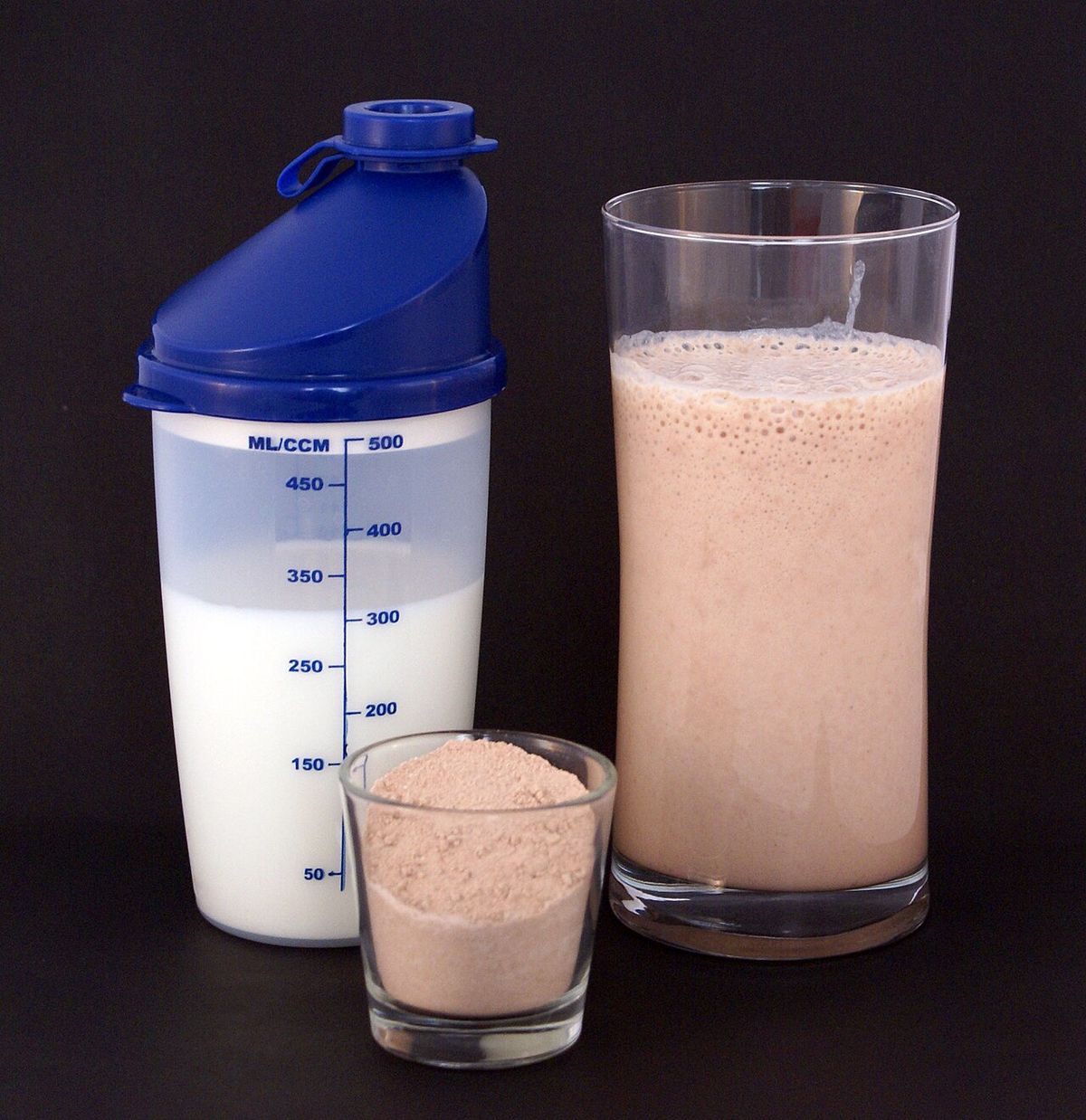
Protein supplements · November 1, 2026
Soy and pea kept pace with whey across five strength-training trials. So why won't the authors call it a tie?
A new review pooled the trials it could find of plant protein against whey in people new to the weights, and found no clear gap in muscle or fat. It also explains why that result is not the same as proving the two are equal, and the longest trial in the set still leaned towards whey.
Read the analysis
Food labels · November 1, 2026
Only 49 of 683 adults knew the five-a-day minimum for fruit and vegetables. A Saudi survey asks who actually reads the back of the packet
In an online survey of Saudi adults, people who knew more about nutrition, had a diploma or degree, or were on a diet of some kind used food labels more. Being on a diet mattered most. Age, income and body weight made no clear difference, and the knowledge quiz turned up a few surprises of its own.
Read the analysis
Early-life nutrition · November 1, 2026
"Did you often go to bed hungry as a child?" Seven in ten older adults in a Chinese survey said yes, and their answers still lined up with a thinking test decades later
Among 9,297 people aged 65 to 99, those with cognitive impairment were more likely to remember childhood hunger: about 77% against 69%. After accounting for birth decade, schooling and family background, the odds stayed about a fifth higher. It is a modest link, built on old memories, with blind spots its authors openly name.
Read the analysis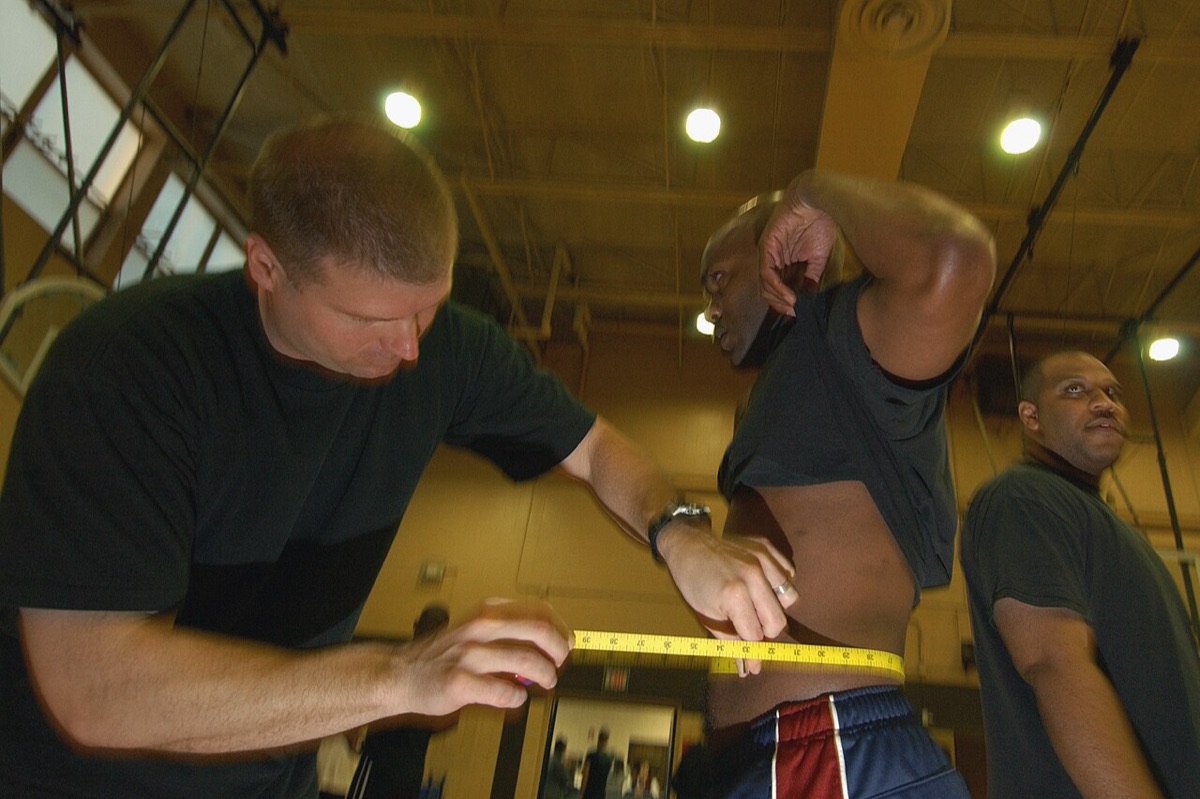
Weight and waistline · November 1, 2026
The scale moved a little, the tape measure a lot: in seven years Mexican waistlines grew almost three times faster than weight alone predicts
Between 2002 and 2009 the average Mexican waist grew by 8.5 cm while body mass index rose only about one point. By the end, seven in ten adults had abdominal obesity but only three in ten counted as obese on BMI. A new analysis of a national survey makes the case for measuring both, and is frank about what its older data cannot tell us.
Read the analysis
Women's health · November 1, 2026
Two points on a 100-point diet score separated women newly diagnosed with PCOS from those without it. What a Mecca study of 300 women can and cannot say
Women recently diagnosed with polycystic ovary syndrome reported eating less fruit, fewer vegetables and less low-fat dairy than women without it. Those whose diets scored in the top third had 70% lower odds of having PCOS. But the gap was small, the design looks backwards, and the most surprising number points the other way.
Read the analysis
Healthy ageing · November 1, 2026
The eating plan made in hospital often never makes it home. A review of 13 trials asks what actually helps older patients after discharge
In one Australian audit, only 1 in 10 hospital stays by malnourished older patients ended with nutrition advice in the discharge summary. A new review lines up the trials that tried to fix that gap with home visits, phone calls, free food and supplement drinks. Most people ate better. Fewer clearly stayed out of hospital.
Read the analysis
Breastfeeding · November 1, 2026
New mothers on thyroid pills often wonder if their first milk is 'weaker'. In 120 Polish mothers, it was not
Researchers at a Gdańsk hospital milk bank measured the fat, protein, sugar and calories in the first milk of 45 women whose underactive thyroid was treated in pregnancy and 75 women without thyroid disease. The two sets of samples were almost identical, and the size of the daily dose made no difference. What the study could not see matters too.
Read the analysis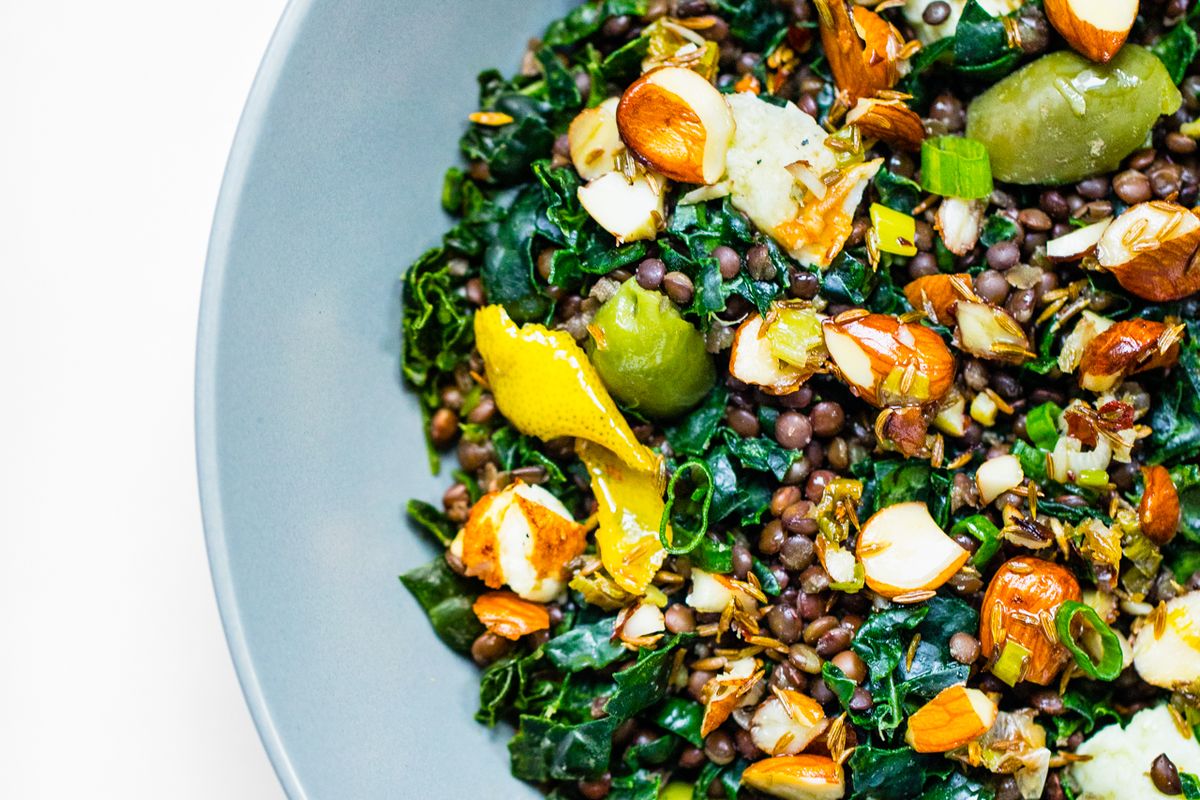
Mindful eating · November 1, 2026
Adding mindful eating to an online DASH diet course changed how 37 office workers thought about food. Their plates and blood pressure did not move
A six-week, self-paced web course taught the blood-pressure-friendly DASH diet to university employees, and half of them also got mindful eating lessons. People stuck with it far better than online programmes usually manage. The extra mindfulness shifted two eating-attitude scores, but not diet scores, weight or blood pressure.
Read the analysis
Paediatric nutrition support · November 1, 2026
For 71 children with spinal muscular atrophy, a dietitian on a screen eased some feeding problems. The study could not say how much that changed daily life
Families managing spinal muscular atrophy can be dealing with food, tube feeds and growth as well as the condition itself. A three-arm Turkish trial compared live and message-based dietitian support with usual care. Both remote options moved caregiver-reported feeding problems, but the scores were newly devised and the children were followed for only one study period.
Read the analysis
Eating patterns and ageing · October 31, 2026
Could older adults with memory concerns manage a 16-to-18-hour fasting window? A small trial says the first test was feasibility, not a brain result
Time-restricted eating is often promoted as a simple health habit, but it can be harder to study in people who may need extra support to manage routines. In a 12-week pilot, 33 older adults with mild cognitive impairment and metabolic risk factors tried a 16-to-18-hour eating break two or three days a week. Every enrolled participant completed the sessions and assessments—but the study was designed to test practicality, not to prove benefits.
Read the analysisFrom our articles
Read, then eat a little better
Plain-language guides on nutrition and wellness, backed by research.

Women's health
Inositol for PCOS: the 40:1 ratio, trial doses, and food milligrams
Why do randomized trials in polycystic ovary syndrome prioritize the 40:1 myo to D-chiro inositol ratio? Here is the science behind the ovarian epimerase paradox, clinical ovulation and insulin metrics, and why cantaloupe cannot replace 4,000 mg trial powder.
21 Nov 2026

Everyday eating
Extra virgin olive oil polyphenols: the EU health claim, smoke point myths, and cooking stability
Does extra virgin olive oil degrade when cooked? What does the EU 5 mg polyphenol health claim require, how does oleocanthal act like ibuprofen, and why does oxidative stability matter more than smoke point in domestic frying? Here is the clinical and culinary data.
21 Nov 2026

Food and nutrition
L-theanine and caffeine: what cognitive trials measured on sustained attention, and milligrams in matcha vs green tea
Combining L-theanine with caffeine produces clean focus without caffeine jitters. Here is what randomized trials measured on attention-switching, EEG alpha brain waves, and the exact milligrams across ceremonial matcha, culinary powder, gyokuro, and sencha.
20 Nov 2026
Start with a virtual consultation
Tell Dr. Triveni what you want to change. You will leave with a clear next step, whether you are in Toronto, London, New York or Chennai.