Teen nutrition · November 1, 2026
A quarter too thin, a quarter too heavy: in one Saudi city's middle schools, the habit that stood out was eating in front of a screen
Researchers weighed and measured 268 pupils in Ha'il and found underweight and overweight side by side in almost equal shares. Of all the habits they asked about, only one tracked with weight clearly enough to pass their test, and it was not how many hours the children spent on screens.
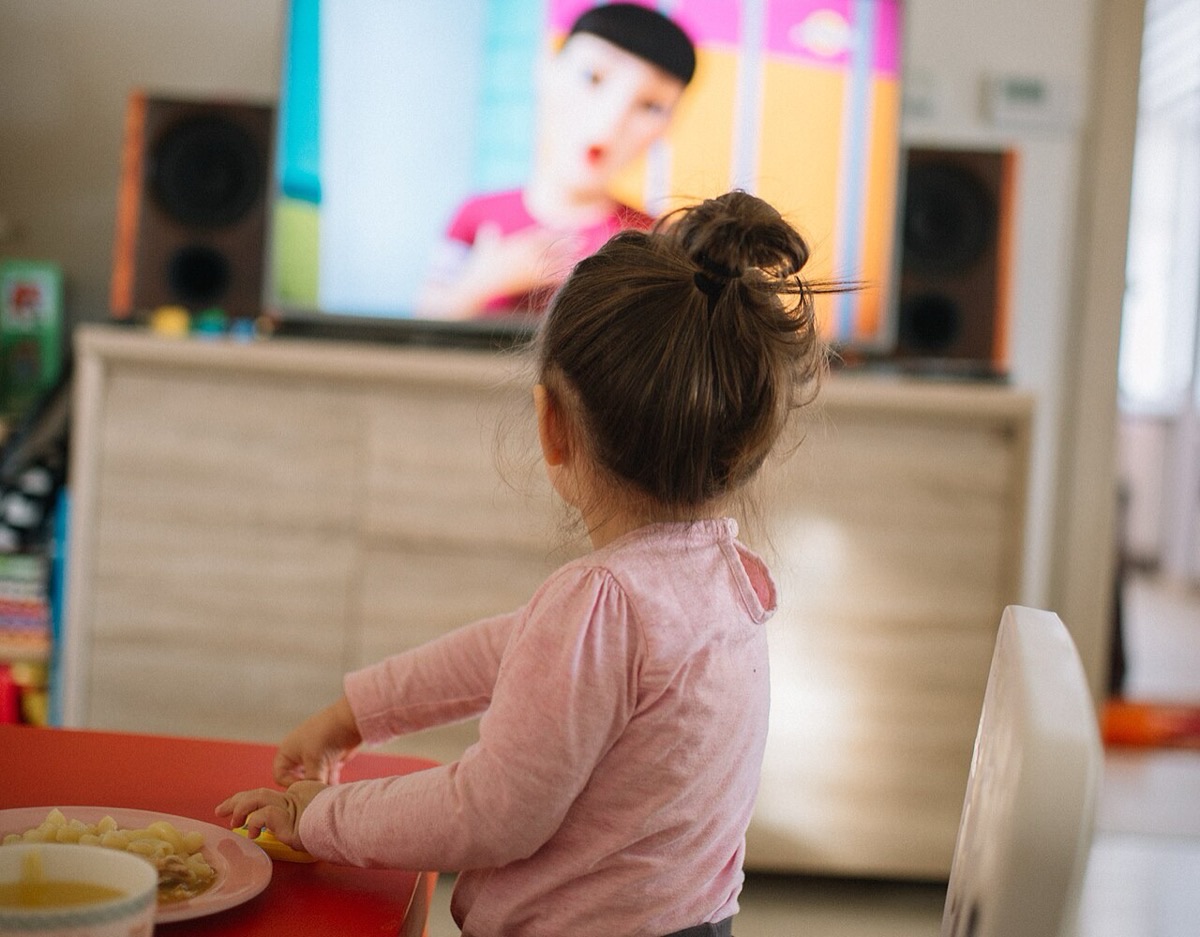
Public health talk about children's weight usually means one thing: too much of it. A nursing team at the University of Ha'il in northern Saudi Arabia set out to look at both ends at once. Between October and December 2024 they visited four middle schools, one picked at random from each of four groups (east or west of the city, state or private), measured the height and weight of 268 pupils in grades 7 to 9 and asked them about meals, snacks, exercise and screens. The results appeared in Frontiers in Nutrition on 30 October.
After weighting the sample to stand for the pupils in those schools, 25.3% were underweight by the World Health Organization's growth reference for their age and sex, 24.5% were overweight or obese, and only about half, 50.2%, sat in the healthy range. The authors call this a double burden of malnutrition: undernutrition and excess weight in the same population, often the same classroom. Earlier national surveys they cite found about 11% of Saudi children and adolescents overweight and 9% obese, and close to 15% of adolescents underweight.
Then came the habits. Of everything they tested, one link passed their significance test: eating while using screens. Among pupils who said they never ate in front of a screen, 12.1% were overweight or obese; among those who sometimes did, 26.5%; among those who always did, 32.9%. Total screen time showed no such link. In fact pupils who reported more than two hours a day were, if anything, less often overweight (19.3%) than those reporting two hours or less (30.5%), though that gap was not significant either. Eating with a phone in hand, skipping breakfast, sweets, fast food and exercising only once a week all leaned the expected way for excess weight, but none crossed the line.
The authors are frank about how far this goes. Only four schools were sampled, which left the statistics so thin that their planned model, the one that would have checked each habit while allowing for the others, could not be fitted at all. Everything is a one-habit-at-a-time comparison, measured once, so it cannot show whether screen meals lead to weight gain or simply travel with other things at home. Habits were self-reported, about two thirds of the pupils were girls, and income, parents' education, sleep, puberty and total calories were not recorded. Underweight did not follow any of the habits, which suggests its causes lie elsewhere, from portion size to food insecurity. What the study does show is that a school health check that only looks for excess weight would miss half the problem.
Weight status and lifestyle habits of 268 middle-school pupils in Ha'il, Saudi Arabia (Frontiers in Nutrition, 30 October 2026)
268
Pupils in grades 7 to 9 measured in four of the city's 16 middle schools, October to December 2024
25.3%
Underweight (survey-weighted; 95% CI 11.9% to 38.7%)
24.5%
Overweight or obese (survey-weighted; 95% CI 15.0% to 33.9%)
12.1% to 32.9%
Overweight or obese among pupils who never ate in front of a screen, against those who always did (p = 0.046)
7.4% to 36.8%
The same comparison for eating with a mobile phone, never against always (not significant, p = 0.148)
12.2% to 40.0%
Overweight or obese among pupils active every day, against those active once a week (not significant, p = 0.099)
Percentages are weighted to the population of the sampled schools, and each habit was compared with weight status on its own. With only four schools, the authors could not fit a model adjusting the habits for each other, so no habit was treated as an independent predictor. Weight status uses WHO BMI-for-age cut-offs (overweight above +1 SD, obese above +2 SD, underweight below -2 SD) and is a weight classification, not a clinical diagnosis. The authors declared no conflict of interest; the work was funded through a University of Ha'il research project.
- Underweight was more common among pupils who said they ate breakfast regularly (33.8%) than among those who did not (17.0%), the reverse of the overweight pattern. The authors read underweight as tied to things the survey did not measure.
- Pupils who reported three or more fast-food meals a day were overweight or obese 61.6% of the time, but only 22 pupils were in that group and the overall fast-food link did not reach significance.
- Before the study the questionnaire was translated into Arabic and back again, checked by eight public health and paediatrics experts and piloted with 20 pupils, who were then left out of the results.
- 750 pupils in the four schools were eligible; the 268 in the results are those who were available and took part, which the authors flag as a possible source of bias.
- The study did not test blood for iron, vitamin D or other nutrients, so 'hidden hunger' in children of normal or high weight would not show up in these figures.
- Lifestyle behaviors associated with the population-level double burden of malnutrition among middle school students in Saudi Arabia: a cross-sectional studyFrontiers in Nutrition, 30 October 2026 · Open-access paper (CC BY): sampling, Tables 1 to 5, and the authors' strengths and limitations.
- BMI-for-age (5-19 years) growth referenceWorld Health Organization · The reference the study used to classify pupils as underweight, healthy weight, overweight or obese.
- Child enjoying a colorful animated show on television while sitting at a red table in a cozy living roomWikimedia Commons · CC BY 2.0 photograph by Shixart1985, used as a general illustration.
General information, not medical advice. This was a small one-time survey in four schools in one Saudi city; it shows habits that went together with weight status, not what causes it. If you are worried about a child's weight, growth or eating, talk to a paediatrician or a qualified dietitian rather than changing their diet on your own.
Analysis by NutroPractic from the sources listed. Written for general readers; it does not replace advice from your own doctor.
From our articles
Read, then eat a little better
Plain-language guides on nutrition and wellness, backed by research.

Diabetes
Potatoes and blood sugar: boiled, cooled, mashed or fried, and what the cohorts and trials found
Fries were linked to 20% higher diabetes risk per three servings a week in 205,000 US adults; boiled, baked and mashed potatoes to almost none. GI by cooking method, resistant starch in grams after chilling, the glycaemic load of a potato against a cup of rice, and how to fit aloo into an Indian plate.
30 Oct 2026
Children's nutrition
Picky eaters aged 2 to 8: what feeding studies show works at the table
Fussy eating peaks between two and six and is usually a normal stage, not a parenting failure. Feeding trials show what moves it: small repeated tastes, eating together, no pressure and the right kind of reward. Here is how to use them, and the signs that mean it's more than picky eating.
30 Oct 2026
Women's health
PCOS and food: what the diet trials show for cycles, insulin and weight
PCOS affects about one woman in ten, and most are told to "lose weight" with little else. Here is what drives it, why insulin matters even in slim women, how much weight loss brings cycles back, what the low-GI and Mediterranean trials found, what inositol and metformin do, and which tests to ask for.
30 Oct 2026
Newsfeed for your website
Want this feed on your website?
Add it to any site with one copy-and-paste snippet. No sign-up, and it updates itself every hour.
Start with a virtual consultation
Tell Dr. Triveni what you want to change. You will leave with a clear next step, whether you are in Toronto, London, New York or Chennai.