Breastfeeding · November 1, 2026
New mothers on thyroid pills often wonder if their first milk is 'weaker'. In 120 Polish mothers, it was not
Researchers at a Gdańsk hospital milk bank measured the fat, protein, sugar and calories in the first milk of 45 women whose underactive thyroid was treated in pregnancy and 75 women without thyroid disease. The two sets of samples were almost identical, and the size of the daily dose made no difference. What the study could not see matters too.
An underactive thyroid is one of the most common hormone problems in pregnancy. The authors of a new study put it at 3 to 5.5% of pregnant women, and most are treated with levothyroxine, a daily tablet that replaces the missing hormone. Thyroid hormones help the breast prepare for milk, and earlier studies have hinted that untreated or poorly controlled hypothyroidism can change what is in the milk. That leaves treated mothers with an obvious question: is my first milk as good as everyone else's? A study published on 29 October in Frontiers in Nutrition looked at exactly that early milk, colostrum.
The team works at the neonatology department and human milk bank of the University Clinical Center in Gdańsk, Poland. Between March 2024 and April 2026 they recruited 120 women who had just given birth there: 45 whose hypothyroidism had been treated and kept within pregnancy target ranges, and 75 with normal thyroid function. Smokers, women with diabetes and women whose babies had recently had formula were left out. Each mother gave up to 15 mL of colostrum in the first five days after birth, mostly on day four or five, collected between 8 a.m. and 2 p.m. The samples were coded so the people analysing them did not know which group they came from, then run through a mid-infrared milk analyser two or three times each.
The results were strikingly similar. Median fat was 2.5 g per 100 mL in the thyroid group and 2.6 g in the comparison group; crude protein was 2.0 and 2.1 g; carbohydrate 7.9 and 7.8 g; energy 64 and 63 kcal per 100 mL. None of the differences came close to statistical significance, and the effect sizes were described as negligible. Within the thyroid group, the levothyroxine dose before delivery averaged 89 micrograms a day (range 25 to 235), and a bigger or smaller dose was not linked to any of the milk measures. The babies were also similar in birth weight, length, head size and Apgar scores.
The authors are careful about what this does not show. To protect feeding, they only took samples from mothers who had milk to spare, so women whose milk came in late or in small amounts, a problem that has been linked to thyroid trouble, were not in the study. The analyser measures only fat, protein, sugar and calories, not fatty acid types, vitamins, hormones or immune factors, and only colostrum was tested, not mature milk. The study was large enough to spot a moderate difference between groups but not a small one. One exploratory finding, that milk sugar rose slightly with pregnancy length in the comparison group but not in the thyroid group, needs confirming. Within those limits, it is a reassuring result for mothers whose thyroid is well managed.
Colostrum macronutrients in mothers with well-controlled hypothyroidism versus healthy controls, prospective cohort in Gdańsk, Poland (Frontiers in Nutrition, 29 October 2026)
120
Mothers studied: 45 with treated, well-controlled hypothyroidism and 75 without thyroid disease
2.5 vs 2.6 g
Median fat per 100 mL of colostrum, thyroid group versus controls (p = 0.32)
2.0 vs 2.1 g
Median crude protein per 100 mL (p = 0.33)
7.9 vs 7.8 g
Median carbohydrate per 100 mL (p = 0.55)
64 vs 63 kcal
Median energy per 100 mL (p = 0.40)
89 µg
Average daily levothyroxine dose before delivery (range 25 to 235); dose was not linked to any milk measure
Days 1 to 5
Collection window after birth; most samples were taken on day 4 or 5
A single-hospital observational study with no sample size calculated in advance; a later check showed it could detect moderate but not small differences. Only mothers with surplus milk gave samples, and only fat, protein, carbohydrate, total solids and energy were measured, in colostrum only. Figures are medians.
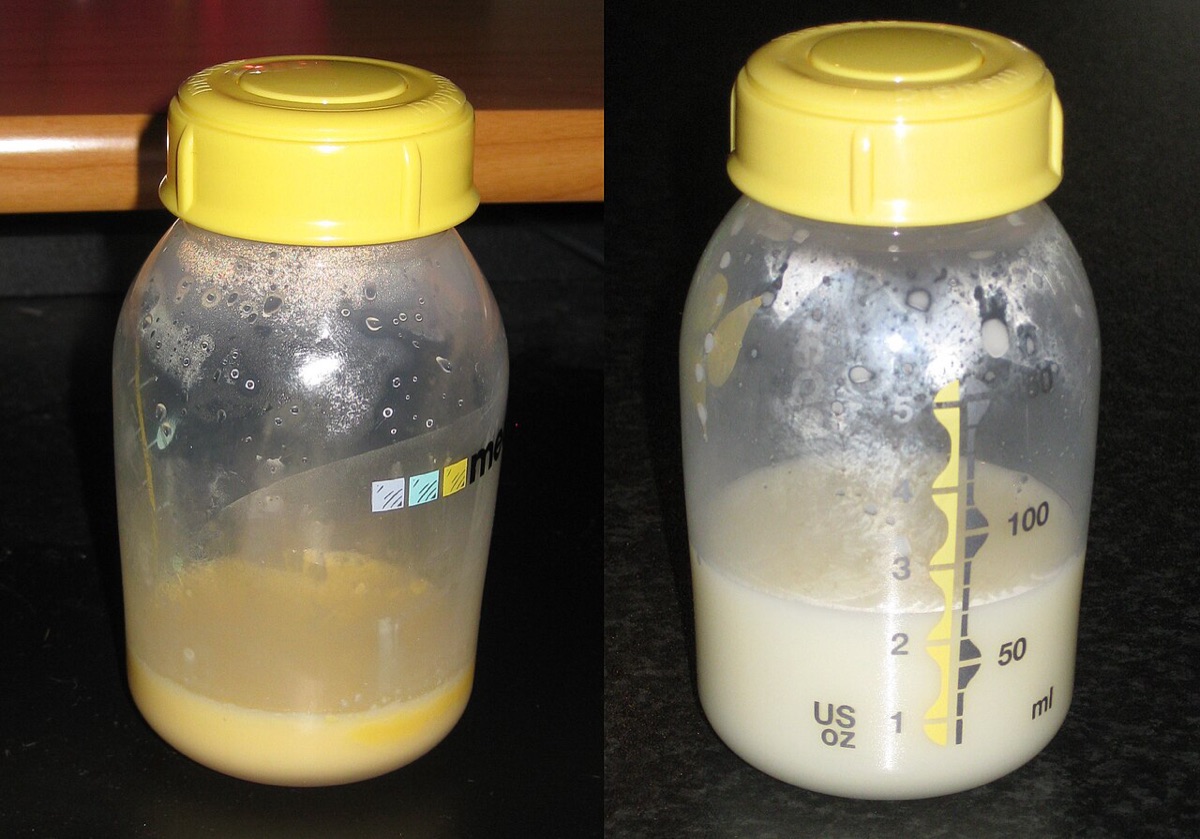
- Colostrum is often deep yellow and thick, as in the photo above, and comes in small amounts. It changes over the first days and weeks into the paler, more plentiful mature milk.
- Worldwide, the leading cause of an underactive thyroid is too little iodine in the diet; in places with enough iodine, the autoimmune condition Hashimoto's thyroiditis is the usual cause.
- Levothyroxine is a lab-made form of thyroxine (T4), the main hormone the thyroid releases. Doses are commonly adjusted during pregnancy, which is why thyroid blood tests are repeated.
- The mid-infrared milk analysers used by milk banks shine infrared light through a small sample and read the fat, protein and sugar from how it is absorbed. They cannot measure vitamins, hormones or antibodies.
- Well-controlled hypothyroidism does not affect the macronutrient composition of colostrumFrontiers in Nutrition, 29 October 2026 · Original open-access study (CC BY): participants, sampling, milk composition tables, levothyroxine dose analysis and limitations.
- Full text on the journal siteFrontiers · Tables 1 to 3 with maternal and newborn characteristics, medians, p values and effect sizes.
- Colostrum vs breastmilkWikimedia Commons · CC BY 3.0 photograph by Tonicthebrown used as a general illustration.
General information, not medical advice. This study measured only the fat, protein, sugar and calories in early milk of mothers whose thyroid treatment was working well. If you have a thyroid condition and are pregnant or breastfeeding, keep taking your medicine as prescribed and ask your doctor, midwife or a lactation consultant about feeding and milk supply; do not change your dose on your own.
Analysis by NutroPractic from the sources listed. Written for general readers; it does not replace advice from your own doctor.
From our articles
Our guides on this subject
Plain-language guides on nutrition and wellness, backed by research.
Women's health
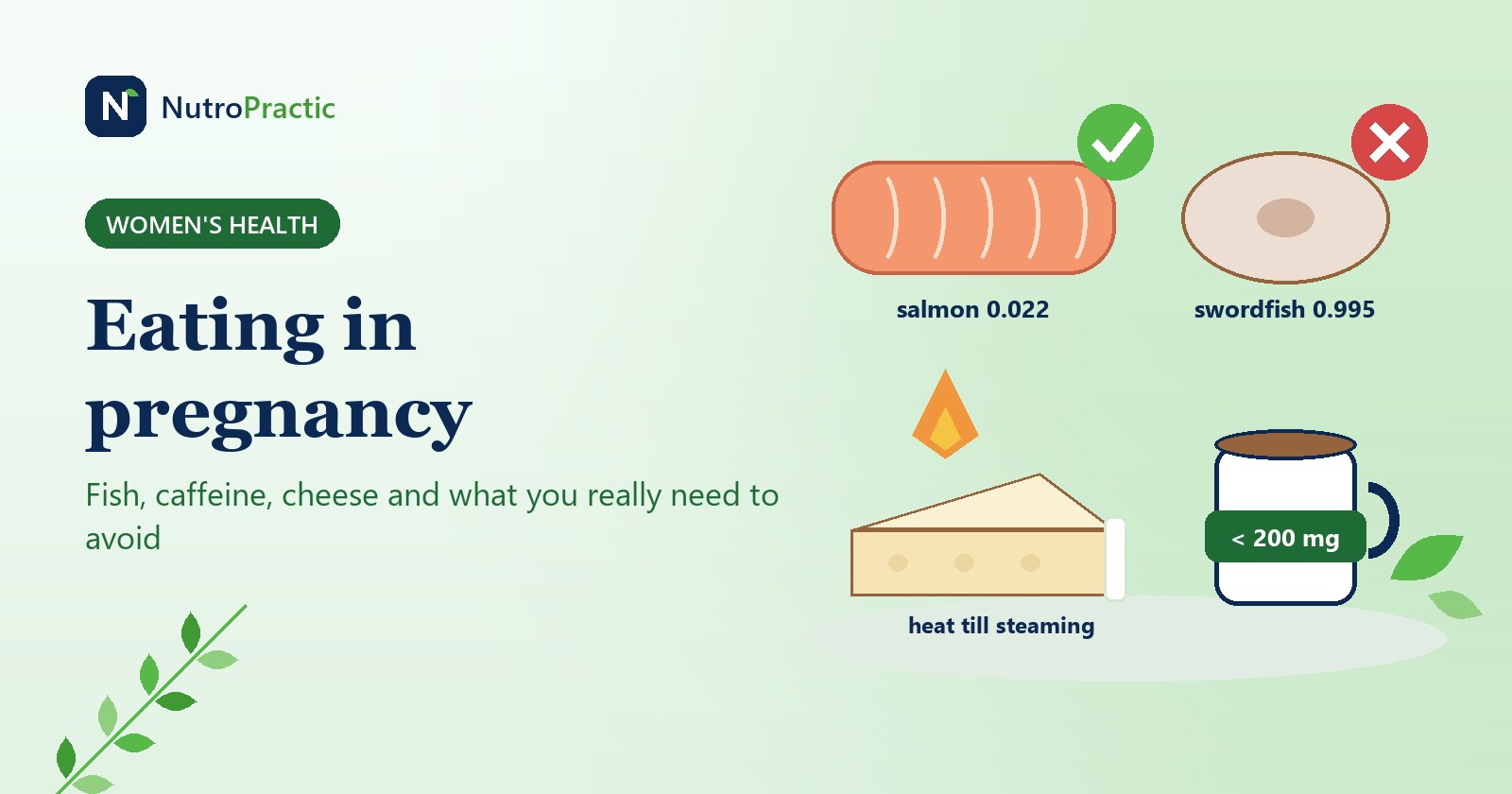
Eating in pregnancy: fish, caffeine, cheese and what you really need to avoid
Most fish is encouraged in pregnancy, not banned: 8-12 oz a week from the low-mercury list. The mercury numbers per fish, what 200 mg of caffeine looks like in real cups, which cheeses carry the listeria risk and how many cases there actually are, why liver is on the list, and how much weight to gain for your BMI.
29 Oct 2026
Women's health
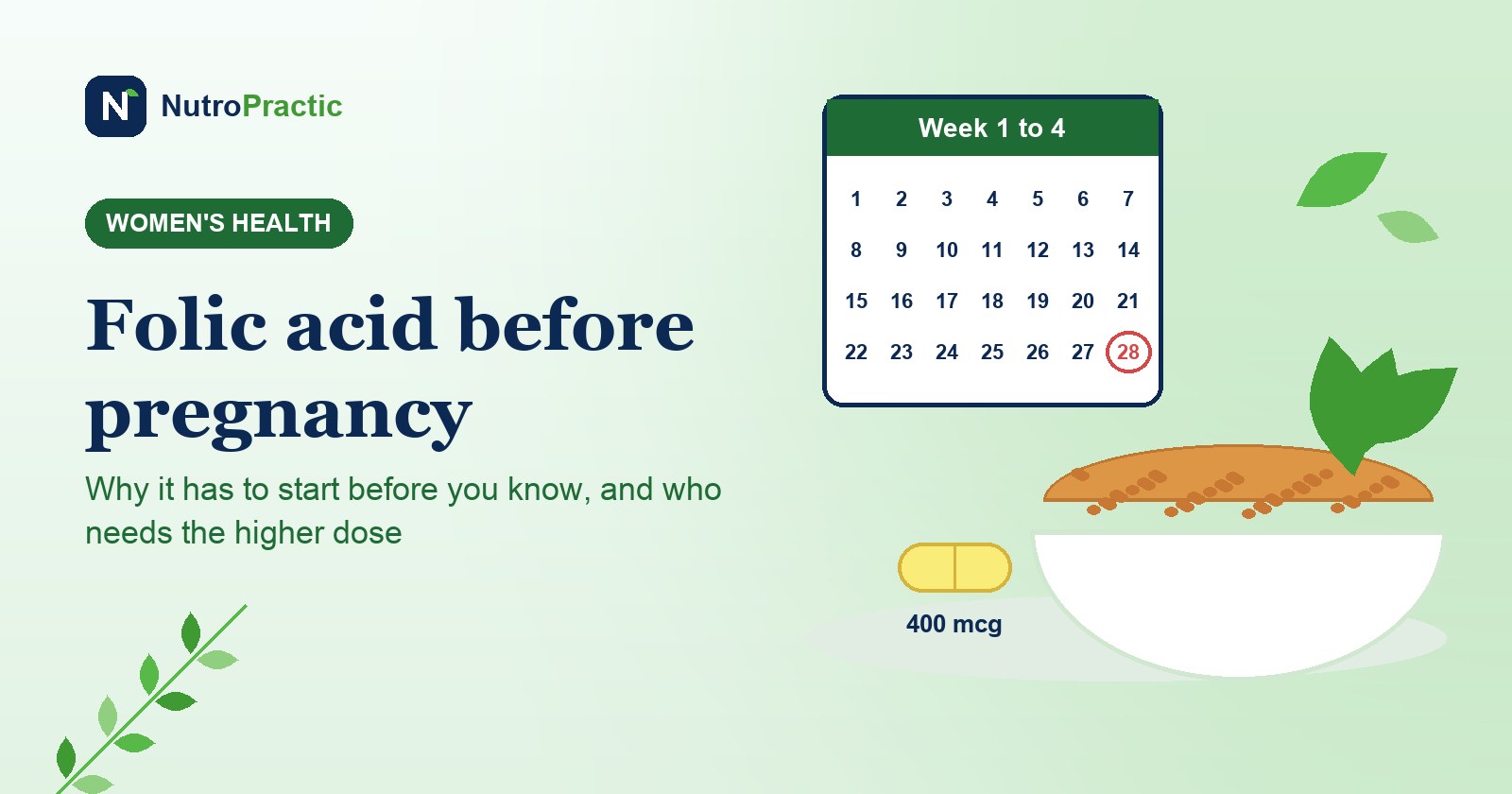
Folic acid before pregnancy: why it has to start before you know, and who needs the higher dose
The neural tube closes 26 to 28 days after conception, about six weeks after the last period and before many people know they are pregnant. Folic acid cut neural tube defects by about 72% in the 1991 MRC trial, yet only about a third of women take it beforehand. The dose, who needs 4 or 5 mg, what changed for higher BMI, fortified flour from the US to the UK's 2026 law, folate foods and the B12 link.
25 Oct 2026
Women's health
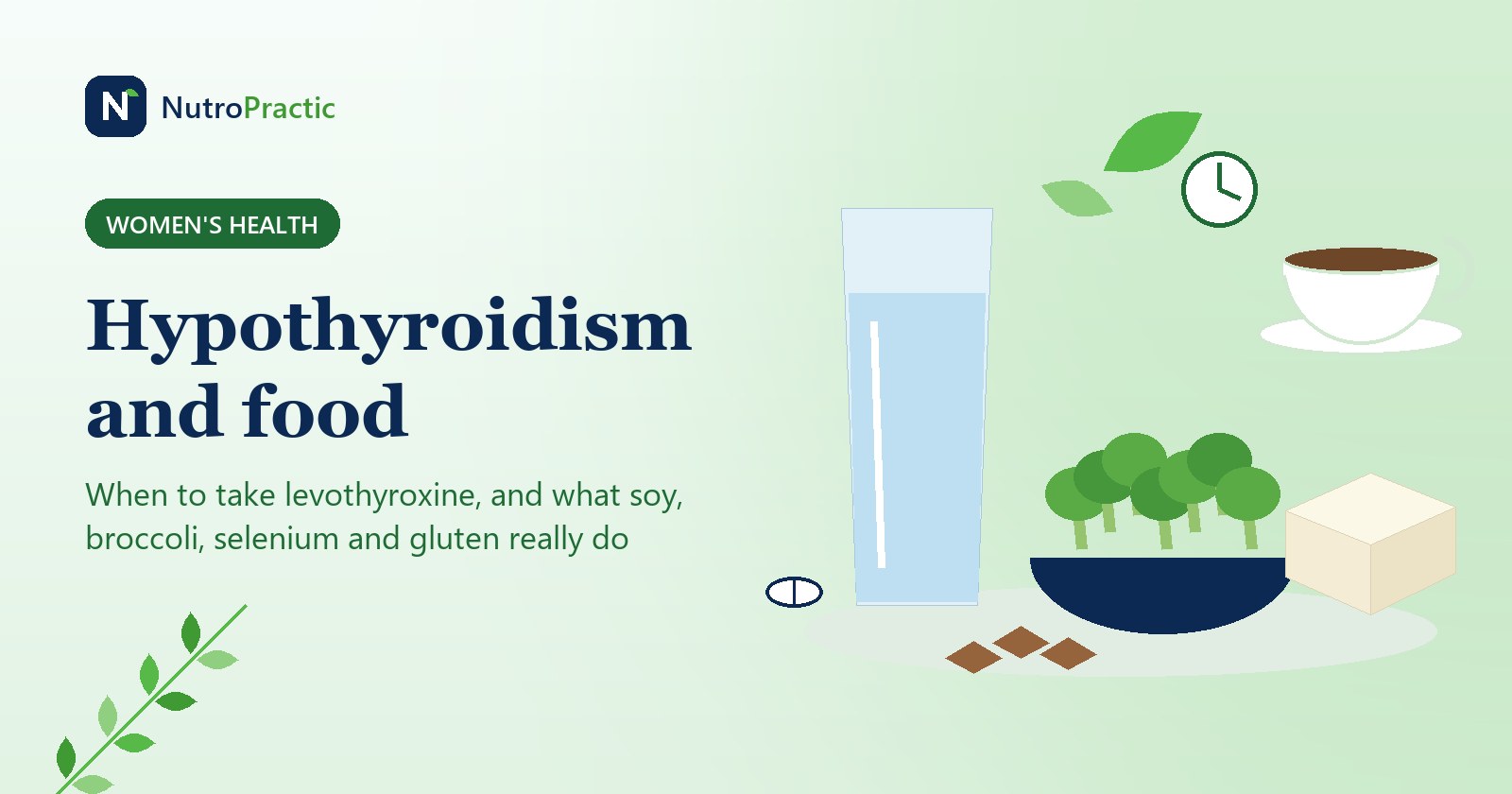
Hypothyroidism and food: soy, goitrogens, gluten and when to take levothyroxine
Food can't fix an underactive thyroid, but it can stop your tablet from working. When to take levothyroxine around breakfast, coffee, calcium and iron, what the studies say about broccoli, soy, selenium and gluten-free diets for Hashimoto's, and what to expect from your weight once treatment starts.
19 Oct 2026
Newsfeed for your website
Want this feed on your website?
Add it to any site with one copy-and-paste snippet. No sign-up, and it updates itself every hour.
Start with a virtual consultation
Tell Dr. Triveni what you want to change. You will leave with a clear next step, whether you are in Toronto, London, New York or Chennai.