Newsfeed
Nutrition research, analysed
A new analysis every hour. Each one covers a recent study or report: What was found, the numbers behind it and the sources to check. We write about research from the last two weeks, not the news of the day.

Eating patterns and ageing · October 31, 2026
Could older adults with memory concerns manage a 16-to-18-hour fasting window? A small trial says the first test was feasibility, not a brain result
Time-restricted eating is often promoted as a simple health habit, but it can be harder to study in people who may need extra support to manage routines. In a 12-week pilot, 33 older adults with mild cognitive impairment and metabolic risk factors tried a 16-to-18-hour eating break two or three days a week. Every enrolled participant completed the sessions and assessments—but the study was designed to test practicality, not to prove benefits.
Read the analysis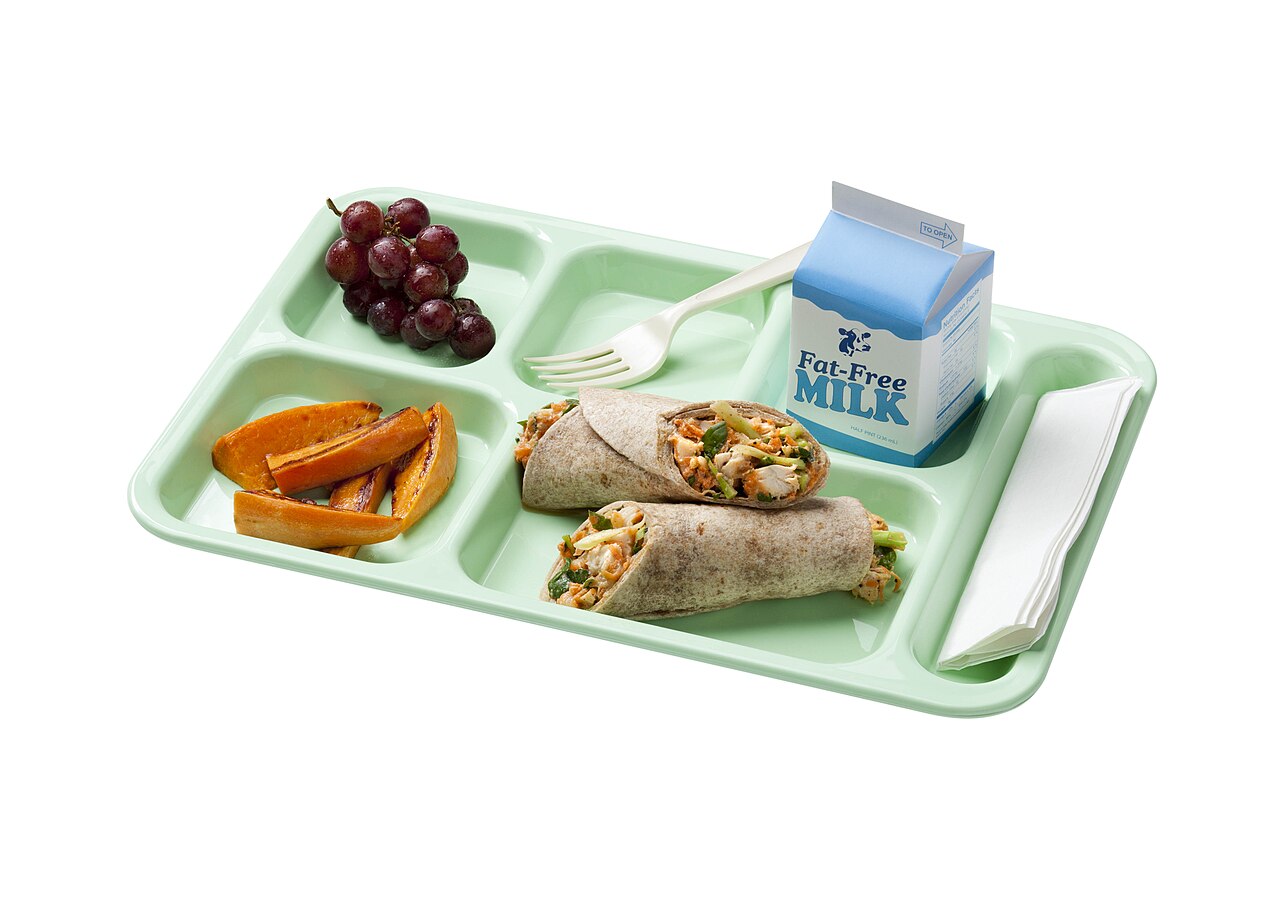
School food environments · October 31, 2026
Around the 71 New Zealand primary schools studied, unhealthy food outlets outnumbered healthier ones by nearly four to one. Inside the school gate, the menu told a different story
A new mapping study counted nearby outlets and scored 71 primary-school menus. It found a striking neighbourhood food landscape, but only a weak link between it and what the canteen offered.
Read the analysis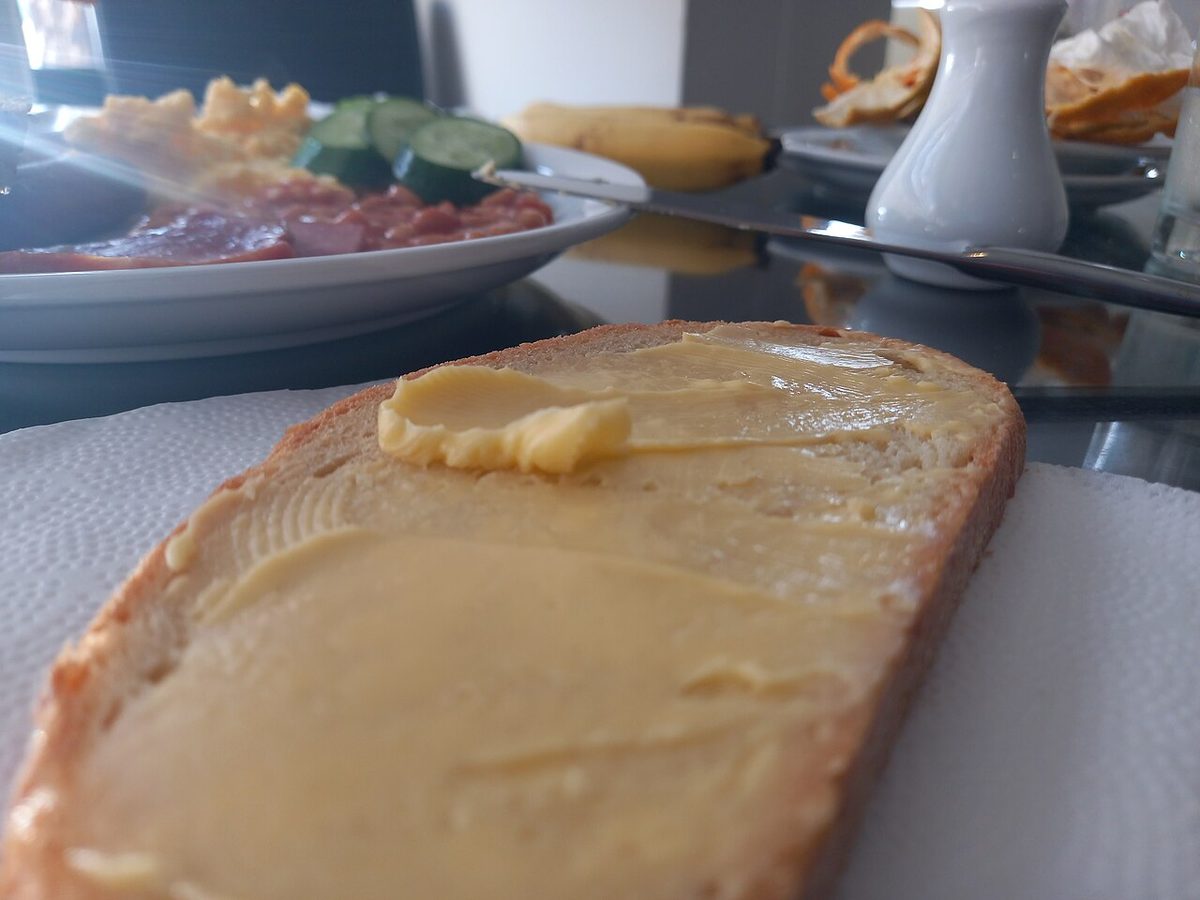
Blood fats · October 31, 2026
A diet with almost a third of its calories from saturated fat raised LDL cholesterol in a two-year trial, yet the blood fats doctors also worry about went down
Norwegian researchers put 193 adults with obesity on one of three diets, including a very low-carb plan loaded with butter, cream and cheese. Its effect on blood fats was not the simple story either side of the low-carb debate tells, and most volunteers had dropped out by the end.
Read the analysis
Plant-based eating · October 31, 2026
Ask Americans if they are vegetarian and about 2 in 100 say yes. Check what they ate on two days, and only half of them skipped meat both times
How many vegetarians are there? It depends on how you ask. Researchers went back to a US national survey that asked people directly and also recorded two days of eating. Counting anyone who skipped meat on one day made vegetarians look ten times more common than the strictest count, and many who called themselves vegetarian had meat or fish on their plate.
Read the analysis
Pregnancy nutrition · October 31, 2026
A pregnancy programme gave 351 WIC participants recipes, equipment and remote support. The food diaries changed; weight gain did not follow the script
Pregnancy nutrition advice can be hard to use when time, money and kitchen equipment are short. In Louisiana, a trial added practical support to regular WIC services and tracked food recalls from early to late pregnancy. The intervention group held steady on energy while usual care rose. But those dietary shifts did not predict who gained more weight.
Read the analysis
School meals · October 31, 2026
Rome cooks turned roast turkey into meatballs for teenagers with autism. More cleared their plates, until the fruit came
A school kitchen in Rome kept the same nutrition plan but changed how lunch looked and felt: purées instead of diced vegetables, soft fishballs instead of fillets, one colour on the plate. Pasta and fish went down better. Fruit went the other way, and the biggest change at the table may have had nothing to do with food.
Read the analysis
Fasting and metabolism · October 31, 2026
Fasting is said to switch on the body's clean-up system. A new review says the human evidence has not caught up with the story
Autophagy is the body's way of breaking down and reusing worn-out cell parts, and fasting is often marketed as a way to turn it up. A review published this week finds the case is much stronger in animals than in people. The problem is not only that human studies are few; many use measurements that cannot tell whether the clean-up process is actually moving.
Read the analysis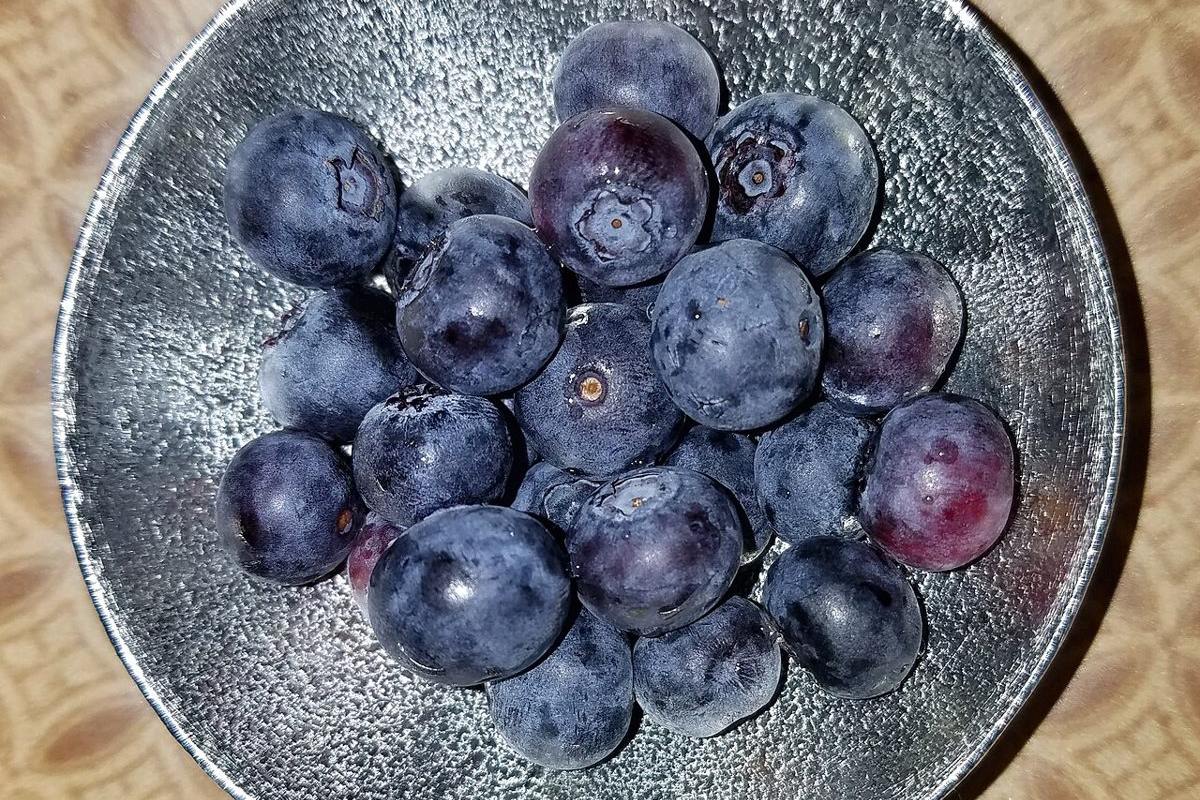
Brain health · October 31, 2026
A cup of blueberries a day for three months: in 60 older adults, blood flow rose in a brain area tied to focus, but the expected antioxidant boost never showed up
Researchers in Kansas gave people aged 65 to 89 freeze-dried blueberry powder or a look-alike placebo every day, then scanned their brains. The antioxidant they set out to raise did not budge. Blood flow in a region involved in attention and self-control did. The result shifts the question from whether berries act as antioxidants in the brain to whether they work through the blood vessels.
Read the analysis
Maternal and infant nutrition · October 31, 2026
A daily 400-calorie nutrition sachet in pregnancy, then while breastfeeding: 1,568 babies in Nepal had no growth advantage at six months
A large trial in rural southern Nepal tested a fortified peanut-based food during pregnancy, after birth, or both. The aim was to give babies a stronger start where undernutrition is common. At six months, neither timing made babies longer, heavier or less likely to be stunted. It is a useful reminder that a well-designed food supplement can still miss the outcome it was built to change.
Read the analysis
Blood pressure · October 31, 2026
At 3,825 metres in the Peruvian Andes, a better diet went with lower blood pressure only in people already treated for it
Nutritionists visited the homes of 154 adults with high blood pressure in Puno, Peru, and weighed what they had eaten the day before. Diet quality was low almost across the board, scoring under 16 out of 49 on average. Across everyone, better diets showed no clear link with blood pressure, but among people who knew their diagnosis and took medicine, each step up in diet quality went with about 4 mmHg lower systolic pressure.
Read the analysis
Social eating · October 31, 2026
Canadians over 45 who stayed socially isolated were more likely to stop eating fruit every day, and income changed who was hit hardest
Researchers followed 11,900 Canadian adults aged 45 and over who all ate fruit or vegetables daily at the start. About six years later, those whose social lives had stayed narrow or isolated were more likely to have dropped daily fruit. The links were uneven: they showed up most strongly in women with higher incomes, not only in people with less money.
Read the analysis
Food additives · October 31, 2026
People with Crohn's or colitis in a Belgian study ate more emulsifiers than healthy volunteers, but not more ultra-processed food
Emulsifiers are the additives that keep oil and water mixed in foods from dressings to ice cream. Researchers in Leuven compared 121 people with inflammatory bowel disease with 65 healthy volunteers. The patients took in clearly more emulsifiers, while ultra-processed food servings were about the same. Over the next year, heavier eaters of both had more flare-related trouble at first glance, but the link did not survive adjustment.
Read the analysisFrom our articles
Read, then eat a little better
Plain-language guides on nutrition and wellness, backed by research.

Women's health
Inositol for PCOS: the 40:1 ratio, trial doses, and food milligrams
Why do randomized trials in polycystic ovary syndrome prioritize the 40:1 myo to D-chiro inositol ratio? Here is the science behind the ovarian epimerase paradox, clinical ovulation and insulin metrics, and why cantaloupe cannot replace 4,000 mg trial powder.
21 Nov 2026

Everyday eating
Extra virgin olive oil polyphenols: the EU health claim, smoke point myths, and cooking stability
Does extra virgin olive oil degrade when cooked? What does the EU 5 mg polyphenol health claim require, how does oleocanthal act like ibuprofen, and why does oxidative stability matter more than smoke point in domestic frying? Here is the clinical and culinary data.
21 Nov 2026

Food and nutrition
L-theanine and caffeine: what cognitive trials measured on sustained attention, and milligrams in matcha vs green tea
Combining L-theanine with caffeine produces clean focus without caffeine jitters. Here is what randomized trials measured on attention-switching, EEG alpha brain waves, and the exact milligrams across ceremonial matcha, culinary powder, gyokuro, and sencha.
20 Nov 2026
Start with a virtual consultation
Tell Dr. Triveni what you want to change. You will leave with a clear next step, whether you are in Toronto, London, New York or Chennai.