School meals · October 31, 2026
Rome cooks turned roast turkey into meatballs for teenagers with autism. More cleared their plates, until the fruit came
A school kitchen in Rome kept the same nutrition plan but changed how lunch looked and felt: purées instead of diced vegetables, soft fishballs instead of fillets, one colour on the plate. Pasta and fish went down better. Fruit went the other way, and the biggest change at the table may have had nothing to do with food.
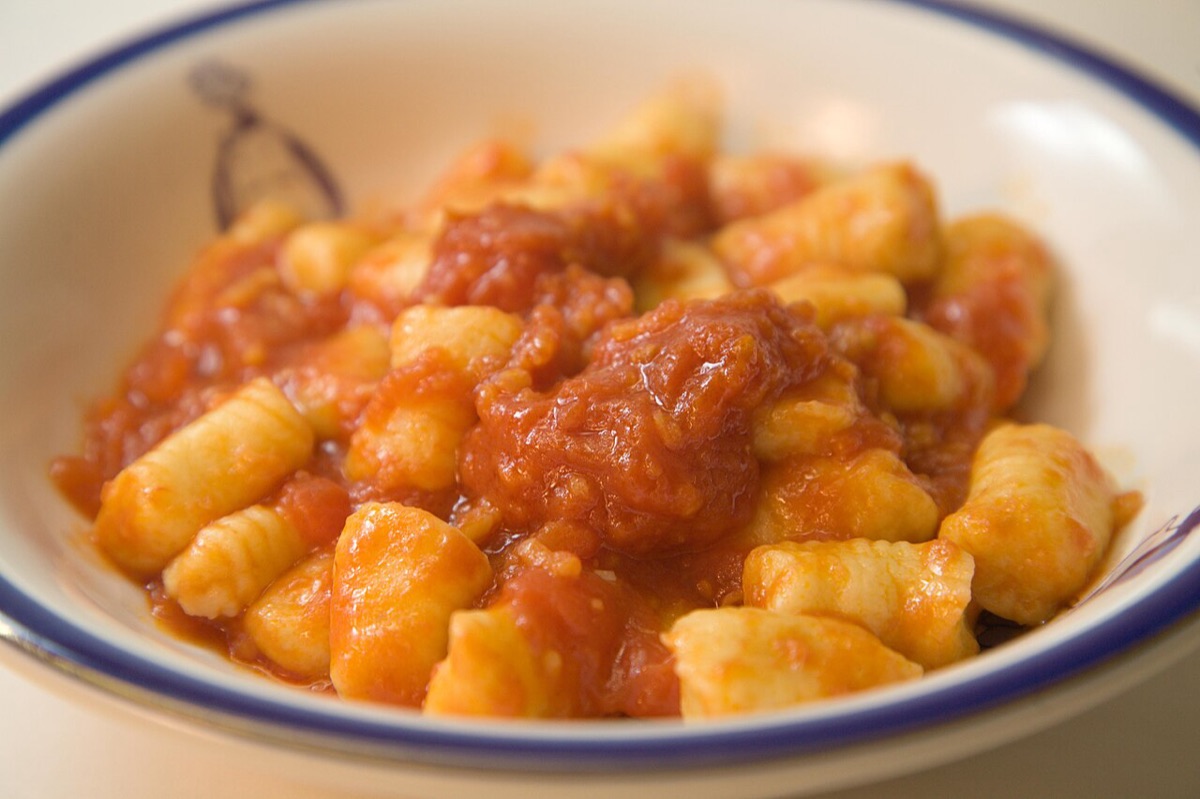
Many autistic children and teenagers eat a narrow range of foods, and the reasons are often sensory: a texture that feels wrong, a smell that is too strong, a plate where too many colours touch. Most attempts to widen what they eat happen at home or in a clinic. A pilot study published on 30 October in Frontiers in Nutrition tried it somewhere more ordinary: the lunch hall of an agricultural technical high school in Rome.
Fourteen students with a diagnosis of autism took part between November 2025 and February 2026, and eleven finished (ten boys, aged 14 to 20). Researchers watched each of them eat twelve school lunches and recorded how much of every dish went, in quarters from none to all. For the first six lunches the canteen served menus planned to Italian dietary guidelines and Mediterranean principles. For the next six, the plan stayed the same but the food changed shape. Diced zucchini became a zucchini purée stirred through the pasta. Cod fillets became soft cod fishballs. Roast turkey became turkey meatballs. Penne gave way to potato gnocchi, a mixed salad to plain lamb's lettuce, green beans and carrots to carrots alone. The aim was softer textures and plates closer to a single colour.
Some of it seemed to work. With the zucchini purée, the share of pasta servings eaten to the last bite rose from 50.0% to 61.5%. Cod servings finished in full went from 60.6% to 67.7%, and the turkey from 54.5% to 63.6%. Fruit did badly. Strawberries were swapped for kiwi with its core removed, and sliced kiwi for soft persimmon pulp; on the second menu, the share of fruit servings left untouched climbed from 54.5% to 81.8%. The authors point out that these were different fruits, not softer versions of the same one, so the swap itself may explain much of it. Across both phases, warm dishes, mild smells and plates that looked uniform were eaten more readily.
The second phase changed something else too. Before, each student sat at a small table with an assistant. Afterwards they could sit where they liked, and most chose to sit together. Observers noted that students who used to wander off now stayed seated for the whole meal, phones were used less (assistants offered food-themed comic books instead), and the steadier eaters encouraged the others. Because seating and menus changed at the same time, nobody can say which did what.
There are other cautions. There was no comparison group, eleven is a small number, and familiarity with the room and the researchers alone could have nudged eating up. Parent questionnaires were mixed: six students rated as having severe food selectivity at the start became one at the end, but food refusal scores got worse, and more families reported pastries for breakfast. A practical finding stands on firmer ground: when the team analysed the meals in a laboratory, the kitchen was serving about two-thirds to four-fifths of the planned energy, and every menu fell short on fat. Even a well-briefed canteen drifts from the plan, which matters for students who may already eat little.
AUT-MENU pilot, Rome: sensory-adapted school lunches for 11 adolescents with autism (Frontiers in Nutrition, 30 October 2026)
11
Students aged 14 to 20 who completed the study, out of 14 enrolled; 10 were boys
12
School lunches observed per student: six before and six after the menu changes
50.0% → 61.5%
Pasta servings eaten in full once diced zucchini became a purée
54.5% → 81.8%
Fruit servings left untouched when sliced kiwi was replaced by persimmon pulp
6 → 1
Students rated by a parent as having severe food selectivity, before and after
67–81%
Share of the planned 833 kcal per lunch that the served menus actually provided, by lab analysis
A single-arm pilot without a control group; the authors present all results as descriptive and exploratory, not as evidence that the menus work. Percentages count meal observations (each student's serving of a dish at each lunch), not students. Menu changes and freer seating were introduced together, so their effects cannot be separated.
- Studies put food selectivity among autistic children and teenagers anywhere from 21% to 76%, a spread the authors put down to how differently it is defined and measured.
- The menus used only short pasta shapes, chosen for swallowing safety, and dressed every dish with extra-virgin olive oil.
- The number of students whose parents reported eating fish at least two or three times a week at home rose from one to five over the study, in step with the cod dishes going down well at school.
- Kitchen staff were trained on portions, ingredients and cooking methods before each phase, yet laboratory analysis still found every menu below its planned energy and fat.
- Exploring the feasibility and acceptability of sensory-adapted menus for adolescents with autism spectrum disorder in a school canteen: the AUT-MENU pilot studyFrontiers in Nutrition · Original study, published 30 October 2026 (open access, CC BY 4.0); menus, consumption tables, questionnaire results and limitations.
- AUT-MENU (NCT06266377)ClinicalTrials.gov · Trial registration for the two-site AUT-MENU project; the Rome pilot changed the age range, timeline and number of meal assessments, as the paper explains.
- Gnocchi al PomodoroWikimedia Commons · CC BY 2.0 photograph by Chi King used as a general illustration.
General information, not medical advice. This small pilot without a control group does not show that changing food texture or presentation improves eating in autistic young people. Very restricted eating can lead to nutrient shortfalls and may need assessment; talk with your child's doctor, a registered dietitian or a feeding specialist before making significant changes.
Analysis by NutroPractic from the sources listed. Written for general readers; it does not replace advice from your own doctor.
From our articles
Read, then eat a little better
Plain-language guides on nutrition and wellness, backed by research.

Diabetes
Potatoes and blood sugar: boiled, cooled, mashed or fried, and what the cohorts and trials found
Fries were linked to 20% higher diabetes risk per three servings a week in 205,000 US adults; boiled, baked and mashed potatoes to almost none. GI by cooking method, resistant starch in grams after chilling, the glycaemic load of a potato against a cup of rice, and how to fit aloo into an Indian plate.
30 Oct 2026
Children's nutrition
Picky eaters aged 2 to 8: what feeding studies show works at the table
Fussy eating peaks between two and six and is usually a normal stage, not a parenting failure. Feeding trials show what moves it: small repeated tastes, eating together, no pressure and the right kind of reward. Here is how to use them, and the signs that mean it's more than picky eating.
30 Oct 2026
Women's health
PCOS and food: what the diet trials show for cycles, insulin and weight
PCOS affects about one woman in ten, and most are told to "lose weight" with little else. Here is what drives it, why insulin matters even in slim women, how much weight loss brings cycles back, what the low-GI and Mediterranean trials found, what inositol and metformin do, and which tests to ask for.
30 Oct 2026
Newsfeed for your website
Want this feed on your website?
Add it to any site with one copy-and-paste snippet. No sign-up, and it updates itself every hour.
Start with a virtual consultation
Tell Dr. Triveni what you want to change. You will leave with a clear next step, whether you are in Toronto, London, New York or Chennai.