Newsfeed
Nutrition research, analysed
A new analysis every hour. Each one covers a recent study or report: What was found, the numbers behind it and the sources to check. We write about research from the last two weeks, not the news of the day.
Sports nutrition · October 31, 2026
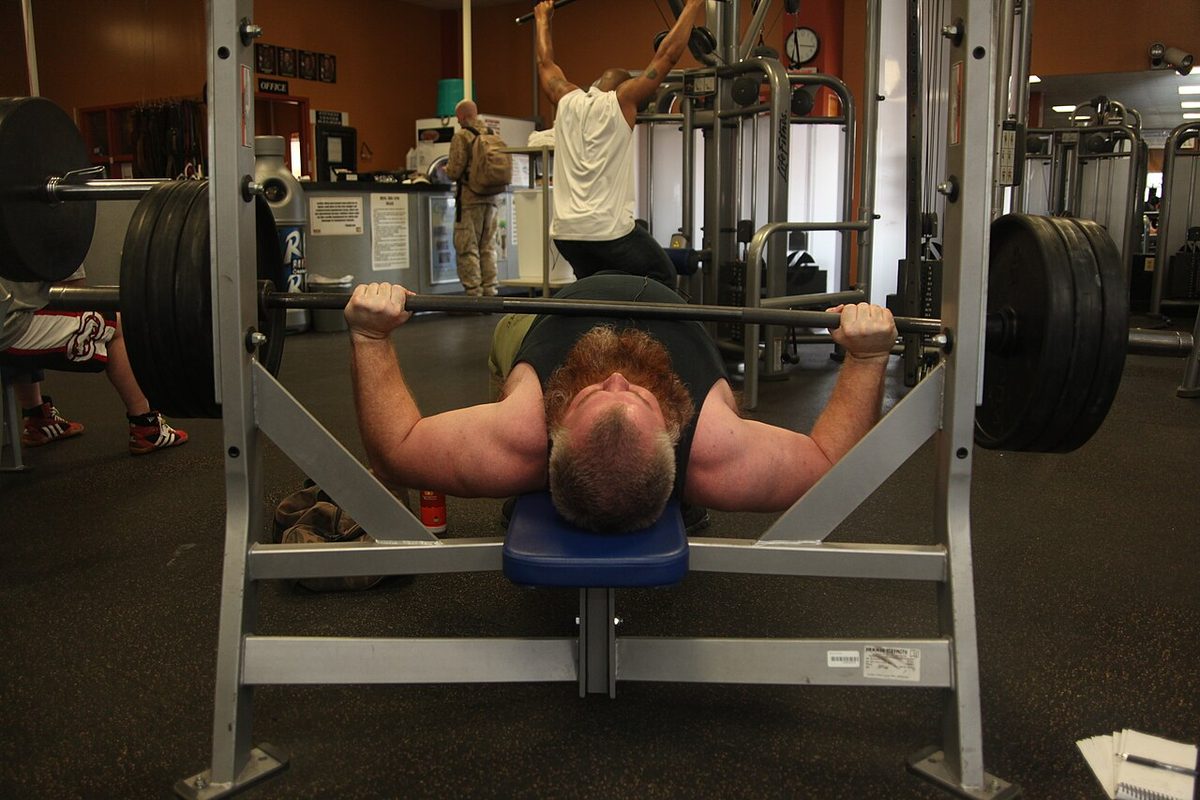
Tell athletes a dummy pill is caffeine and many get faster and stronger. A review of 17 studies puts a number on the effect
Researchers pooled every study they could find in which healthy adults were handed a placebo and told it was caffeine before a sporting test. Across 257 people the belief alone gave a small-to-moderate performance boost, roughly the size reported for real caffeine. The catch: every study carried some risk of bias, and 82% of the volunteers were men.
Read the analysis
Heart health · October 31, 2026
Mediterranean food plus exercise sounds like a heart double win. In a 200-person trial, the combination did not beat either one alone
A Canadian trial gave adults with both a larger waist and raised triglycerides 16 weeks of Mediterranean-diet support, an exercise programme, both, or neither. The participants started with mostly normal heart scans. Diet was linked with a tiny change in wall thickness and exercise with a small change in a measure of relaxation — but there was no sign that putting them together amplified either result.
Read the analysis
Supplements · October 31, 2026
Zinc is often suggested for a lost sense of smell. Pooling six studies and 1,460 people, Brazilian researchers found no clear benefit
Zinc pills are a common home remedy after a virus, a head injury or chemotherapy dulls the nose. A meta-analysis published online on 28 October pulled together every controlled study the authors could find, from 1976 to 2024. On smell tests and on people's own sense of improvement, the zinc groups did no better overall, with one notable exception.
Read the analysis
Fruit and vegetables · October 31, 2026
Seven months of fruit-and-veg classes lifted intake in a Brazilian trial of 3,414 adults. Four years on, the class group ate no more than anyone else
Health-promotion centres in Belo Horizonte ran monthly group sessions, cooking demonstrations and motivational postcards to get people eating more fruit and vegetables. A follow-up published on 26 October tracked 2,232 people whose intake had gone up after the first year. By 36 months the gains had slipped, and the class group ended up level with usual care.
Read the analysis
Digital nutrition support · October 31, 2026
A phone prompt after dinner did not improve glucose overall in 56 adults with type 2 diabetes — and its early effect faded
A small Australian trial sent picture-based prompts to people who often snack after dinner, timing them to the moment a glucose sensor suggested a snack might follow. Across two weeks the prompts did not improve overnight glucose or time in range. There was an early signal, but it faded — a useful warning that a clever notification is not automatically a lasting habit change.
Read the analysis
Weight management · October 31, 2026
A four-week keto experiment made young adults fitter and lighter — but their sleep scores got worse
In a 68-person trial, a time-restricted ketogenic diet was paired with either sprint intervals, steady exercise or no exercise. The exercise groups improved fitness and every ketogenic group lost weight, but every ketogenic group also reported worse sleep quality. It is a small, short study, yet it puts a useful warning beside the usual before-and-after photos.
Read the analysis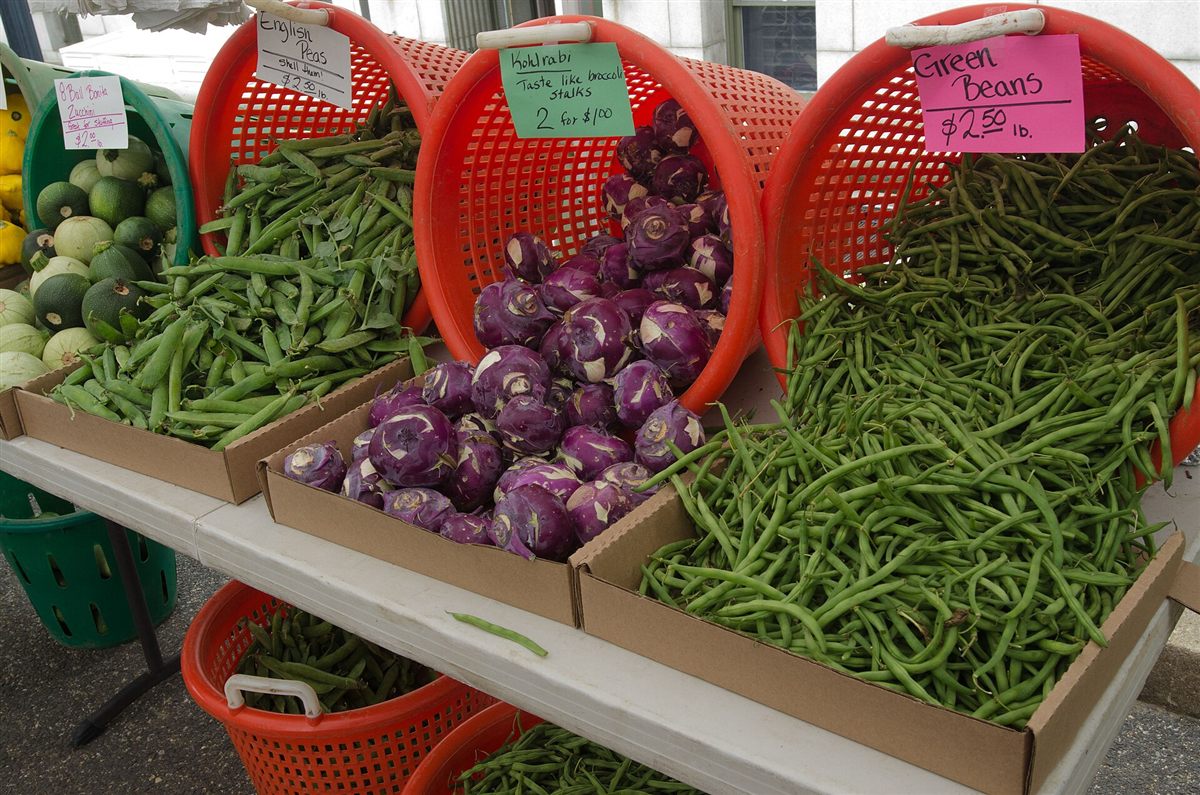
Pregnancy nutrition · October 31, 2026
In a 351-person pregnancy trial, food tips plus a few practical kitchen tools held energy intake steady while usual care climbed by 263 calories a day
A Louisiana WIC programme sent 24 weeks of remote nutrition support, recipes and basic cooking equipment to pregnant participants. By late pregnancy, the intervention group was eating about 306 fewer calories a day than usual care, with less fat and carbohydrate and a slightly bigger share of protein. The study's own twist: those diet changes did not explain who gained less pregnancy weight.
Read the analysis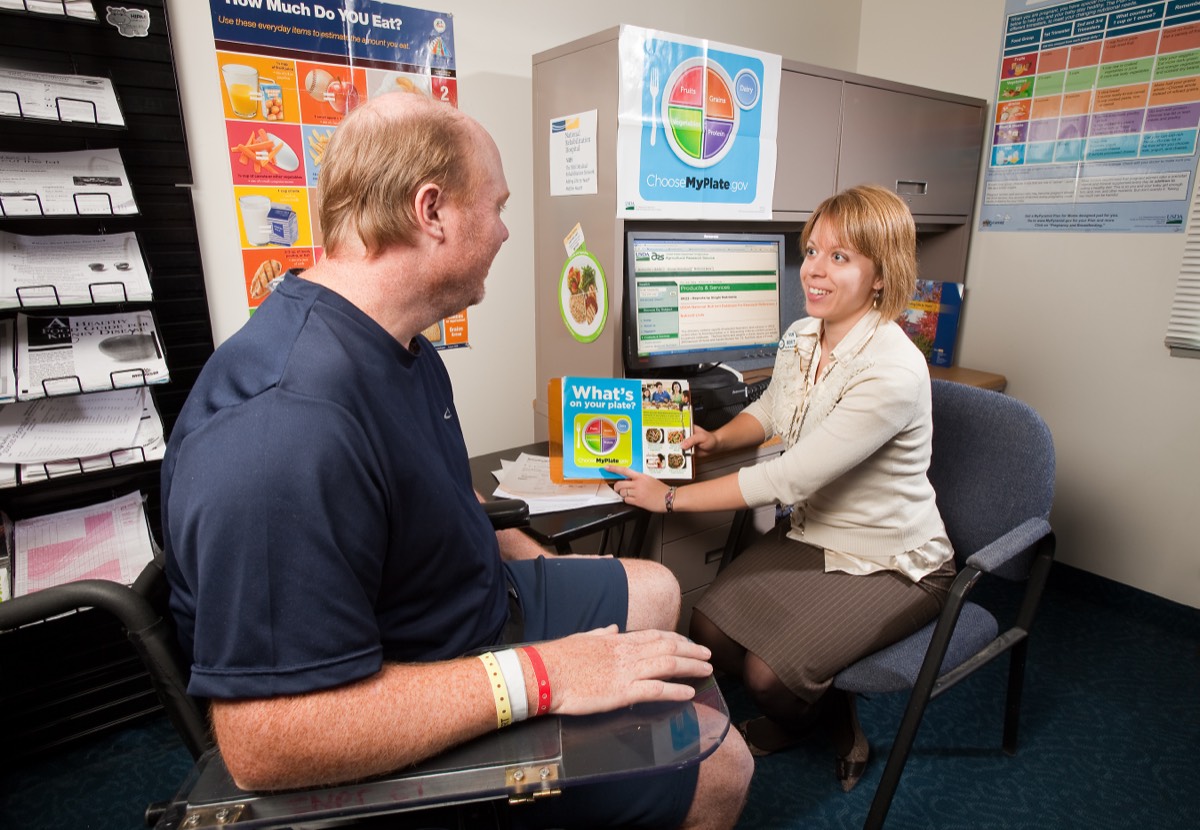
Kidney health · October 31, 2026
Kidney diet classes lowered blood pressure in four trials — but they did not slow kidney decline
Eight trials asked whether nutrition education delivered by a dietitian helps people with moderate-to-severe chronic kidney disease. The clearest result was lower blood pressure. Kidney filtration and body weight barely moved, while quality-of-life results were too uncertain to call a win.
Read the analysis
Children and exercise · October 31, 2026
More exercise, better blood sugar? In 14 trials of children with type 1 diabetes, the middle dose did best — and the most active groups gained least
A new meta-analysis pooled 543 young people aged 5 to 18 and sorted their exercise programmes by weekly dose. Activity lowered HbA1c overall, but the biggest drop came from a moderate weekly amount, not the hardest schedules. The catch: the dose groups were small and their differences could be chance.
Read the analysis
Diet patterns · October 31, 2026
A Mediterranean diet score written in the blood tracked with lower mortality — but it is not a shortcut test
Researchers followed a blood-based signature of a Mediterranean-style diet across four long-running cohorts. People with higher scores had lower mortality rates, yet the study is a reminder that a promising biomarker can describe an association without becoming a personal prediction or a prescription.
Read the analysis
Mental health · October 30, 2026
Does coffee lift your mood or rattle your nerves? Fifteen caffeine trials say it depends, and the anxiety signal showed up mainly above 200 mg
Surveys keep linking coffee drinkers with lower rates of depression. A new pooling of only randomized trials, 668 people in all, found no consistent mood boost. Anxiety scores did tend to rise, but the jump appeared in trials giving more than 200 mg at a time, and the evidence is rated very low certainty.
Read the analysis
Food security · October 30, 2026
Scurvy isn't history: more than half of 48 adults tested for vitamin C at one northern Canadian clinic had levels in the deficiency range
Family doctors in La Ronge, Saskatchewan, started checking vitamin C when they kept seeing bruises, slow-healing wounds and swollen gums. Of the adults whose samples could be read, 27 of 48 were deficient and 10 more were low. Some deficient patients had none of the classic signs at all.
Read the analysisFrom our articles
Read, then eat a little better
Plain-language guides on nutrition and wellness, backed by research.

Women's health
Inositol for PCOS: the 40:1 ratio, trial doses, and food milligrams
Why do randomized trials in polycystic ovary syndrome prioritize the 40:1 myo to D-chiro inositol ratio? Here is the science behind the ovarian epimerase paradox, clinical ovulation and insulin metrics, and why cantaloupe cannot replace 4,000 mg trial powder.
21 Nov 2026

Everyday eating
Extra virgin olive oil polyphenols: the EU health claim, smoke point myths, and cooking stability
Does extra virgin olive oil degrade when cooked? What does the EU 5 mg polyphenol health claim require, how does oleocanthal act like ibuprofen, and why does oxidative stability matter more than smoke point in domestic frying? Here is the clinical and culinary data.
21 Nov 2026

Food and nutrition
L-theanine and caffeine: what cognitive trials measured on sustained attention, and milligrams in matcha vs green tea
Combining L-theanine with caffeine produces clean focus without caffeine jitters. Here is what randomized trials measured on attention-switching, EEG alpha brain waves, and the exact milligrams across ceremonial matcha, culinary powder, gyokuro, and sencha.
20 Nov 2026
Start with a virtual consultation
Tell Dr. Triveni what you want to change. You will leave with a clear next step, whether you are in Toronto, London, New York or Chennai.