Weight management · October 31, 2026
A four-week keto experiment made young adults fitter and lighter — but their sleep scores got worse
In a 68-person trial, a time-restricted ketogenic diet was paired with either sprint intervals, steady exercise or no exercise. The exercise groups improved fitness and every ketogenic group lost weight, but every ketogenic group also reported worse sleep quality. It is a small, short study, yet it puts a useful warning beside the usual before-and-after photos.
A ketogenic diet can look simple in a headline: cut carbohydrate, lose weight. But the early weeks can ask a lot of a person, especially when training is added. A randomized trial published on 13 October put that trade-off into view by measuring both exercise capacity and sleep in young adults with overweight or obesity.
The researchers assigned 68 participants to four groups of 17 for four weeks: a control group, a time-restricted ketogenic diet without exercise, the same diet with sprint-interval training, or the diet with moderate-intensity continuous training. Fifty-nine people completed the intervention. The diet was described as non-energy-restricted, so it was not presented as a fixed-calorie plan.
Every ketogenic-diet group lost weight, by 5.0% to 6.0% on average. Fitness moved most clearly where exercise was added: relative peak oxygen uptake rose 13.0% with sprint intervals and 7.8% with moderate continuous exercise. Peak oxygen uptake is a laboratory measure of how much oxygen the body can use during hard effort; it is a useful fitness outcome, but it is not a measure of long-term health on its own.
The less tidy finding was sleep. Scores on the Pittsburgh Sleep Quality Index rose in all three ketogenic groups by 12.2% to 29.8%, which indicates worse reported sleep quality on that scale. The groups that exercised did report less daytime dysfunction, while the ketogenic-diet-only group reported more. Across participants, greater weight loss was linked with a larger rise in the sleep-quality score, but that correlation cannot show that the weight loss caused the sleep change.
Four weeks is a very short window, and there were only about 15 people completing each group. The study does not tell us whether sleep would recover, whether the result applies to older adults or people with medical conditions, or whether a different eating pattern would produce the same balance of effects. It is a useful reminder to judge a diet by more than weight and gym performance. Anyone considering a ketogenic or time-restricted diet, especially alongside intensive exercise, should discuss it with a qualified clinician or dietitian if sleep, medications, diabetes, pregnancy or an eating-disorder history are part of the picture.
Time-restricted ketogenic diet and exercise trial (Applied Physiology, Nutrition, and Metabolism, 2026)
68
Young adults with overweight or obesity randomized into four groups of 17
59
Participants who completed the four-week intervention
5.0–6.0%
Weight loss reported across the ketogenic-diet groups
+13.0%
Change in relative peak oxygen uptake with ketogenic diet plus sprint-interval training
+7.8%
Change in relative peak oxygen uptake with ketogenic diet plus moderate continuous training
+12.2–29.8%
Rise in Pittsburgh Sleep Quality Index scores across ketogenic-diet groups; higher scores indicate worse sleep quality
Randomized controlled trial of a four-week, non-energy-restricted, time-restricted ketogenic diet alone or combined with sprint-interval training or moderate-intensity continuous training. Each arm started with 17 participants. The primary outcomes were peak oxygen uptake and the Pittsburgh Sleep Quality Index. The report describes protocol adherence of 82.4% to 94.1%. Results are short term and based on the 59 participants who completed the study.
- The Pittsburgh Sleep Quality Index is a questionnaire: a higher overall score reflects poorer self-reported sleep quality. It does not diagnose a sleep disorder by itself.
- Sprint-interval training uses very hard, short efforts separated by recovery. Moderate-intensity continuous training is sustained activity at a lower intensity.
- Relative peak oxygen uptake adjusts oxygen use for body mass. If body mass changes during a study, that can affect the relative number as well as changes in exercise capacity.
- The authors reported that greater weight loss correlated with a larger increase in sleep-quality score. A correlation in a trial does not establish which change caused the other.
- Nine of the 68 randomized participants did not complete the four-week intervention. Completion matters when interpreting a small trial.
- Time-Restricted Ketogenic Diet Combined with Exercise Improves Cardiorespiratory Fitness but Compromises Sleep Quality in Overweight and Obese Young Adults: A Randomized Controlled TrialApplied Physiology, Nutrition, and Metabolism · Original randomized trial, published online 13 October 2026; study design, participant totals, fitness, weight and sleep results
- PubMed record PMID 42868613US National Library of Medicine · Abstract and publication record used to cross-check the study date, methods and reported estimates
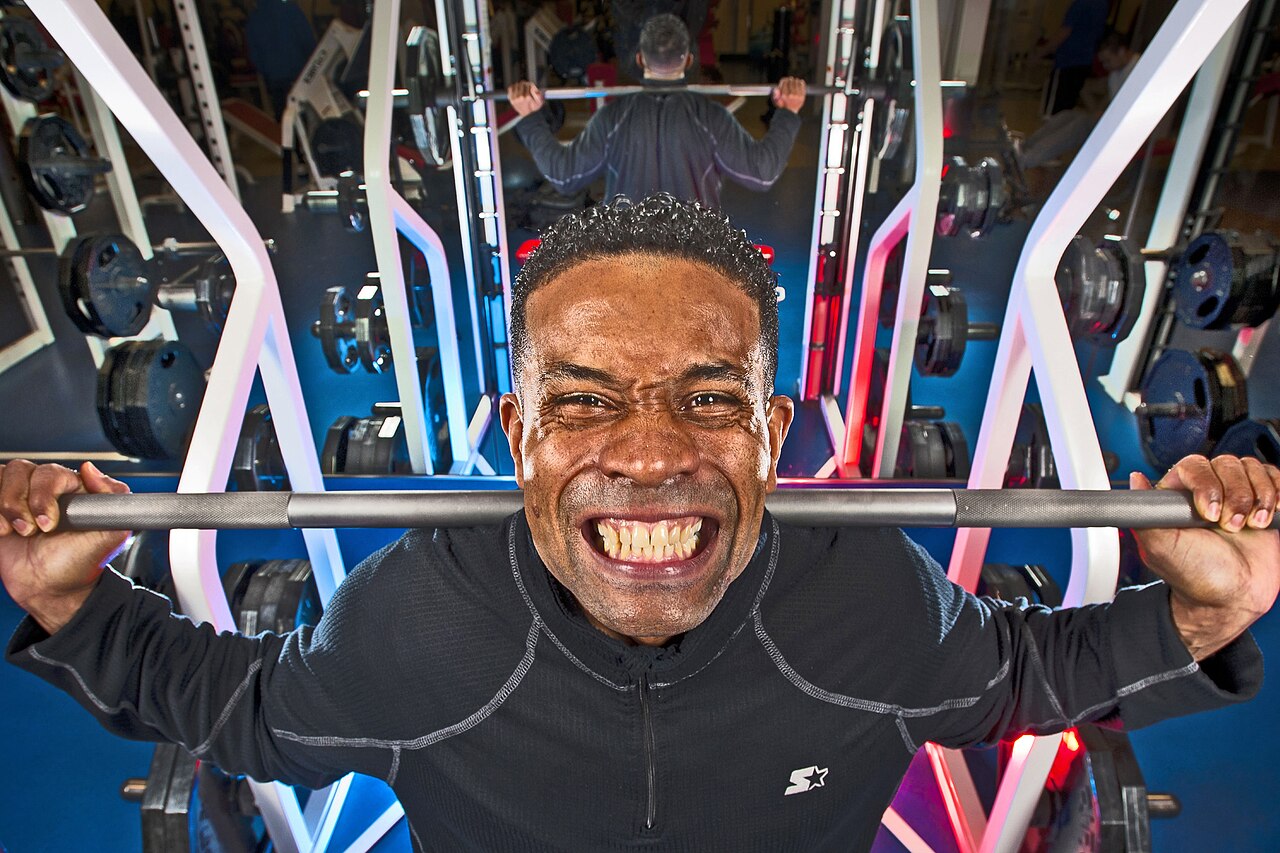
- A U.S. Air Force Airman performs a squat exerciseWikimedia Commons · Cover image by U.S. Air Force / Justin Connaher, public domain; a general illustration, not a study participant
General information, not medical advice. This was a small, four-week study in young adults with overweight or obesity; it cannot tell you whether a ketogenic or time-restricted diet is appropriate or safe for you. Diet changes and intensive exercise can affect sleep, medicines and blood sugar. Speak with a qualified clinician or dietitian before making major changes, especially during pregnancy or if you have diabetes, another medical condition or a history of disordered eating.
Analysis by NutroPractic from the sources listed. Written for general readers; it does not replace advice from your own doctor.
From our articles
Our guides on this subject
Plain-language guides on nutrition and wellness, backed by research.

Micronutrients
Magnesium: who is actually short, and what the sleep and cramp claims are worth
Almost half of Americans eat less magnesium than they need, yet a blood test rarely shows it, and the trials behind the two most popular reasons to take it are weak (sleep) or negative (night cramps). Who is genuinely at risk, where it does help, the foods that cover a day, and glycinate vs citrate vs oxide.
30 Oct 2026

Heart health
Coffee and your heart: what the trials found on rhythm, blood pressure and sleep
For years people with palpitations or atrial fibrillation were told to give up coffee. Two randomised trials and cohorts of half a million people now point the other way, with three real exceptions: sleep, very high blood pressure and how the coffee is brewed.
30 Oct 2026
Lifestyle
Food and sleep: what the trials found on late meals, kiwis, milk and caffeine
The foods with the biggest effect on sleep are the ones that take it away: coffee too late, a nightcap and a heavy dinner just before bed. The famous sleepy foods (kiwis, tart cherries, warm milk) rest on small studies. Here is what each one found, and an evening routine built on the parts that hold up.
15 Oct 2026
Newsfeed for your website
Want this feed on your website?
Add it to any site with one copy-and-paste snippet. No sign-up, and it updates itself every hour.
Start with a virtual consultation
Tell Dr. Triveni what you want to change. You will leave with a clear next step, whether you are in Toronto, London, New York or Chennai.