Children and exercise · October 31, 2026
More exercise, better blood sugar? In 14 trials of children with type 1 diabetes, the middle dose did best — and the most active groups gained least
A new meta-analysis pooled 543 young people aged 5 to 18 and sorted their exercise programmes by weekly dose. Activity lowered HbA1c overall, but the biggest drop came from a moderate weekly amount, not the hardest schedules. The catch: the dose groups were small and their differences could be chance.
Parents of children with type 1 diabetes hear the same advice again and again: keep them active. What they rarely get is a number. How much activity, and does more always help? A systematic review and meta-analysis published in Frontiers in Nutrition on 28 October tried to put a dose on it.
The researchers gathered 14 randomised controlled trials, published between 1984 and 2025, that compared an exercise programme with routine care in children and teenagers aged 5 to 18. Together they involved 543 young people, with an average age of about 13, an average of five years since diagnosis and an average starting HbA1c of 8.2%. The programmes ranged widely: aerobic games in the United States, Pilates-style core training in Turkey, daily yoga in India, small-sided recreational football in Saudi Arabia and machine strength training in Austria, among others.
Taken together, exercise lowered HbA1c, the blood test that reflects average glucose over the previous two to three months, by 0.83 percentage points compared with usual care. Fasting blood glucose fell by about 41 mg/dL in the six comparisons that reported it, and daily insulin needs dipped slightly, by 0.16 units per kilogram of body weight. Time spent in the target glucose range, measured by sensor in only three comparisons, did not change significantly.
The new part is the dose. The team turned each programme into MET-minutes a week, multiplying how hard the activity was by how long each session lasted and how often it happened. Programmes in the moderate band, 600 to 1,200 MET-minutes a week (roughly three brisk 45-minute sessions), showed the largest average HbA1c drop, 1.21 points. Programmes below 600 showed a smaller, non-significant fall of 0.50 points, and the three high-dose comparisons above 1,200 showed only 0.30 points.
Before anyone reads that as 'too much exercise is bad', the authors themselves urge caution. The test for a real difference between the three dose groups was not statistically significant, the high-dose group rested on just three comparisons, and the studies differed in length, setting and the children taking part. Half the trials were rated at low risk of bias, six raised some concerns and one was rated high risk, and the funnel plot hinted that small trials with unremarkable results may never have been published. The MET values were also estimated by the reviewers from what each paper described, not measured.
What holds up is the broader message: regular, structured activity seems to help young people with type 1 diabetes keep their glucose steadier, and a sensible, sustainable routine may be enough to see a benefit. The dose question is still open. Any change to a child's exercise plan works best alongside their diabetes team, who can help adjust insulin and snacks around activity to avoid low blood sugar.
Effects of different metabolic equivalent of task on glycaemic control in children and adolescents with type 1 diabetes (Frontiers in Nutrition, 2026)
14
Randomised controlled trials included, published between 1984 and 2025
543
Children and adolescents aged 5 to 18 with type 1 diabetes across the trials
−0.83 points
Average fall in HbA1c with exercise versus usual care (15 comparisons from 13 trials)
−1.21 points
HbA1c fall in the moderate dose band, 600 to 1,200 MET-minutes a week (6 comparisons)
−41 mg/dL
Average fall in fasting blood glucose in the six comparisons that reported it
p = 0.22
Test for a difference between the low, moderate and high dose groups: not statistically significant
Weighted mean differences from random-effects models; HbA1c is given in percentage points. Low dose was under 600 MET-minutes a week (HbA1c −0.50, not significant, 6 comparisons), high dose over 1,200 (−0.30, not significant, 3 comparisons). Daily insulin dose fell by 0.16 U/kg/day (95% CI −0.31 to −0.01, 10 comparisons); time in range rose by 8.2 percentage points but not significantly (3 comparisons). Seven trials were at low risk of bias, six had some concerns and one was high risk; the funnel plot suggested possible publication bias. MET values were estimated by the reviewers from each trial's description. Literature searched to July 2025; review registered as CRD42024563752. Figures from the paper's abstract, results and tables.
- One MET is roughly the energy you use sitting quietly. A brisk walk is around 3 to 4 METs and vigorous games like football can reach 7 or 8, which is how the reviewers turned very different programmes into one weekly number.
- The single largest trial in the review, from Egypt, had 196 participants and included one group that came to exercise sessions once a week and another that came three times a week.
- The Indian trial in the review used yoga five times a week for an hour. Because yoga was counted as low intensity, it still landed in the moderate weekly band, at 600 MET-minutes.
- The World Health Organization advises that children and adolescents aged 5 to 17 get an average of 60 minutes of moderate-to-vigorous physical activity a day, a guideline that applies to children with type 1 diabetes too.
- HbA1c measures how much glucose has stuck to haemoglobin in red blood cells, which live for about three months, so it reflects the recent average rather than any single day.
- Effects of different metabolic equivalent of task on glycaemic control in children and adolescents with type 1 diabetes: a systematic review and meta-analysisFrontiers in Nutrition · Original peer-reviewed study, published 28 October 2026 (CC BY); trial count, participants, pooled results, dose subgroups and limitations
- WHO guidelines on physical activity and sedentary behaviourWorld Health Organization · Activity recommendation for children and adolescents aged 5 to 17
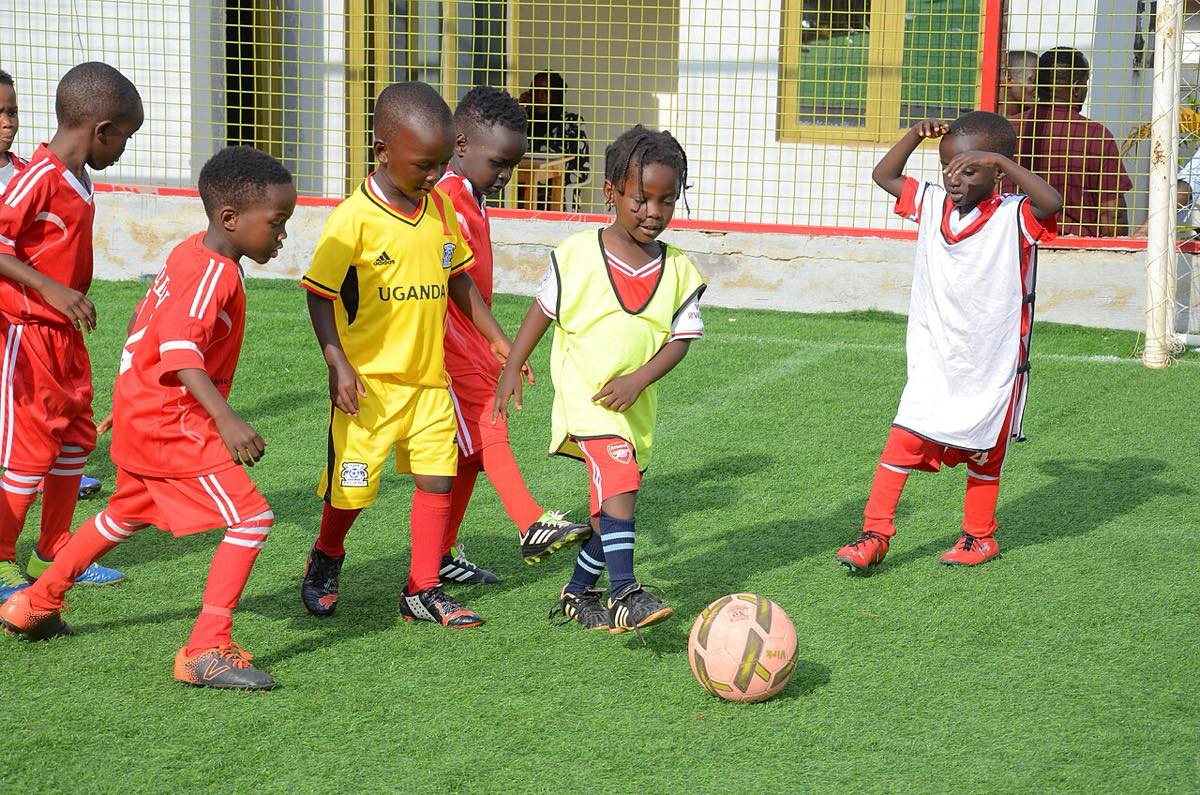
- Children playing football after schoolWikimedia Commons · Cover image by Samson Ssemakadde, CC0
General information, not medical advice. This review pooled small trials with different designs and cannot tell any one child how much exercise is right. Children with type 1 diabetes can have low blood sugar during or after activity; plan exercise, insulin and food changes with their diabetes team or doctor.
Analysis by NutroPractic from the sources listed. Written for general readers; it does not replace advice from your own doctor.
From our articles
Our guides on this subject
Plain-language guides on nutrition and wellness, backed by research.

Global data
Diabetes, obesity, child malnutrition and hunger, 1980 to 2050: what the numbers show
How diabetes, obesity, child malnutrition and hunger have changed since 1980, with sourced figures and a basic projection to 2050. Click a condition to explore the chart and its facts.
5 Oct 2026

Diabetes
Potatoes and blood sugar: boiled, cooled, mashed or fried, and what the cohorts and trials found
Fries were linked to 20% higher diabetes risk per three servings a week in 205,000 US adults; boiled, baked and mashed potatoes to almost none. GI by cooking method, resistant starch in grams after chilling, the glycaemic load of a potato against a cup of rice, and how to fit aloo into an Indian plate.
30 Oct 2026

Women's health
PCOS and food: what the diet trials show for cycles, insulin and weight
PCOS affects about one woman in ten, and most are told to "lose weight" with little else. Here is what drives it, why insulin matters even in slim women, how much weight loss brings cycles back, what the low-GI and Mediterranean trials found, what inositol and metformin do, and which tests to ask for.
30 Oct 2026
Newsfeed for your website
Want this feed on your website?
Add it to any site with one copy-and-paste snippet. No sign-up, and it updates itself every hour.
Start with a virtual consultation
Tell Dr. Triveni what you want to change. You will leave with a clear next step, whether you are in Toronto, London, New York or Chennai.