Newsfeed
Nutrition research, analysed
A new analysis every hour. Each one covers a recent study or report: What was found, the numbers behind it and the sources to check. We write about research from the last two weeks, not the news of the day.

Chronic pain · October 30, 2026
Twenty women with fibromyalgia kept food diaries, wore trackers and gave blood. Half their calories came from ultra-processed food, but stress was what tracked their pain
A small Bournemouth University study measured almost everything at once: diet, sleep, steps, heart rhythm, stress, inflammation in the blood and how much pressure each woman could take before it hurt. The diet showed up in the blood. The stress showed up in the pain.
Read the analysis
Pregnancy · October 30, 2026
In 78 pregnant women in southwest China, each step towards a diet of sweet drinks, processed meat and convenience food went with more than double the odds of gestational diabetes
Doctors in Guizhou matched 39 Miao women who developed diabetes in pregnancy with 39 of the same age, stage and weight who didn't, then compared what they ate and the proteins in their blood. The processed way of eating stood out. The healthy, varied one didn't show the protection you'd expect.
Read the analysis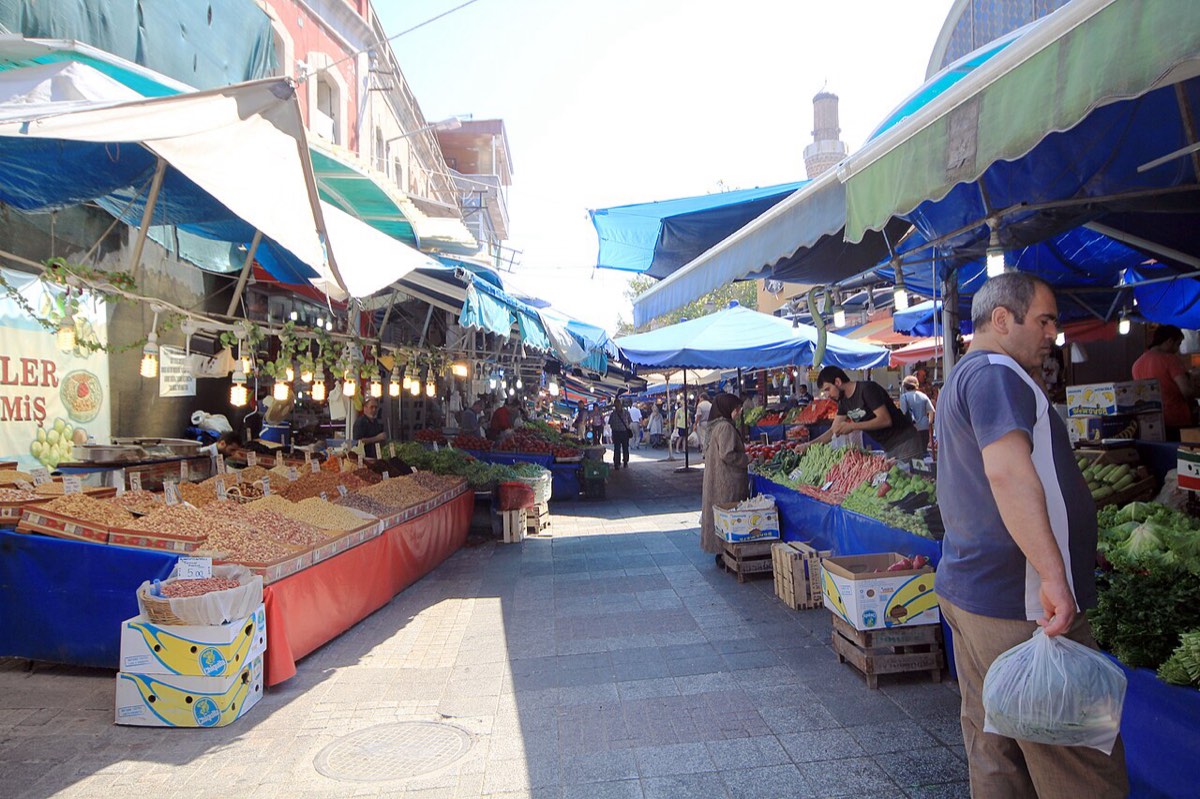
Sustainable eating · October 30, 2026
People who said they choose food with the planet in mind ate no closer to the planet-friendly diet than anyone else, in 300 adults at a Turkish diet clinic
Researchers in eastern Türkiye scored what 300 diet-clinic patients ate against the EAT-Lancet 'planetary health' pattern, estimated each day's carbon and water footprint, and asked how much sustainability guided their shopping. The diet score tracked diet quality well. The good intentions tracked nothing on the plate at all.
Read the analysis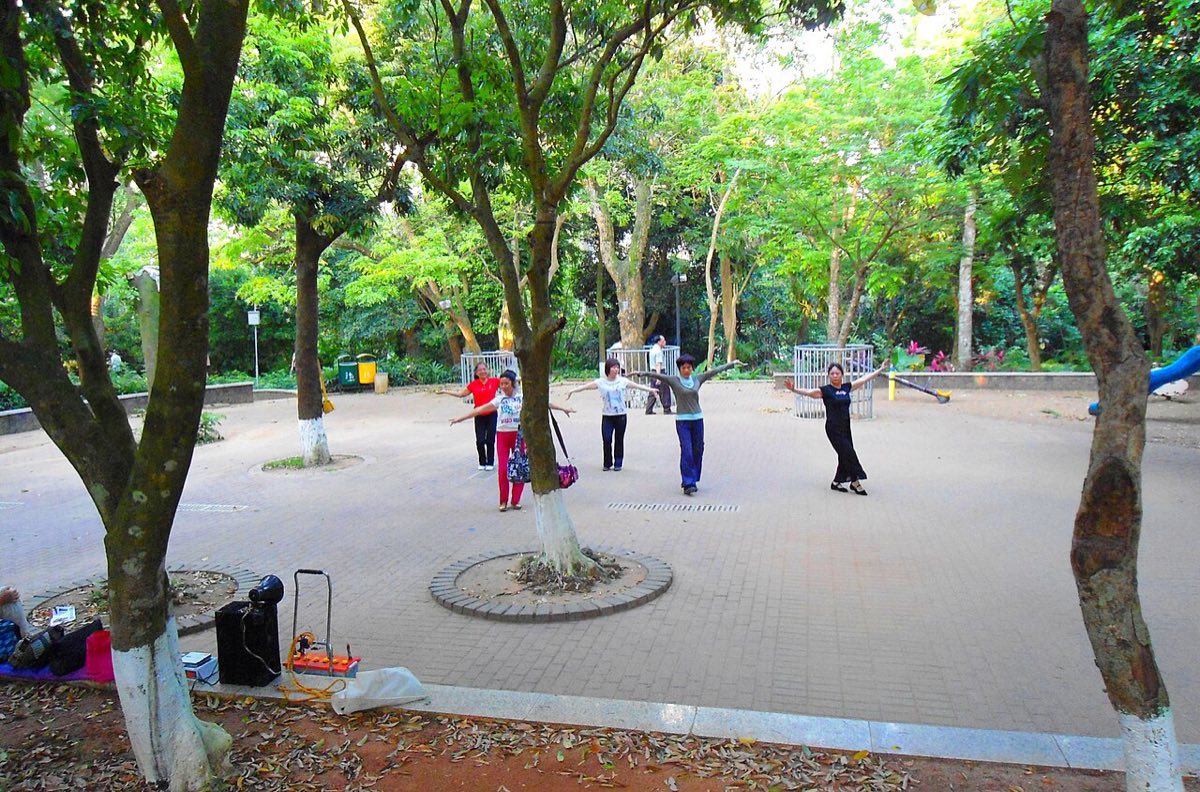
Blood fats · October 30, 2026
Nearly 3 in 10 Nanjing over-60s had high triglycerides with no diabetes and no cholesterol pills. A wide waist on its own barely moved the odds; extra weight on the scales did
Researchers measured 19,668 older people across all 12 districts of Nanjing, leaving out anyone with diabetes or on lipid-lowering drugs. Heavier people had high blood fats far more often, but one group surprised the authors: people with a wide waist and a normal BMI looked almost no different from those slim on both counts.
Read the analysis
Child weight · October 30, 2026
Shown a row of drawn children, 77 of 88 Shanghai parents whose preschooler carried extra weight picked a slimmer body than their child's
Researchers measured 520 children in eight Shanghai kindergartens, then asked their parents two things: which word described their child's weight, and which of seven drawings looked most like them. Words and pictures told quite different stories, and the pictures missed excess weight far more often.
Read the analysis
Weight-loss surgery · October 30, 2026
A year after weight-loss surgery, 73 patients were eating about 1,400 calories a day. Their food gave them less than half the folate they needed
Dietitians in Warsaw asked people what they had eaten before a sleeve gastrectomy or gastric bypass, then again at one, six and twelve months. Calories fell sharply and climbed back only part of the way. By the end of the first year, the meals themselves still fell well short on folate, iron, calcium and magnesium, whichever operation people had.
Read the analysis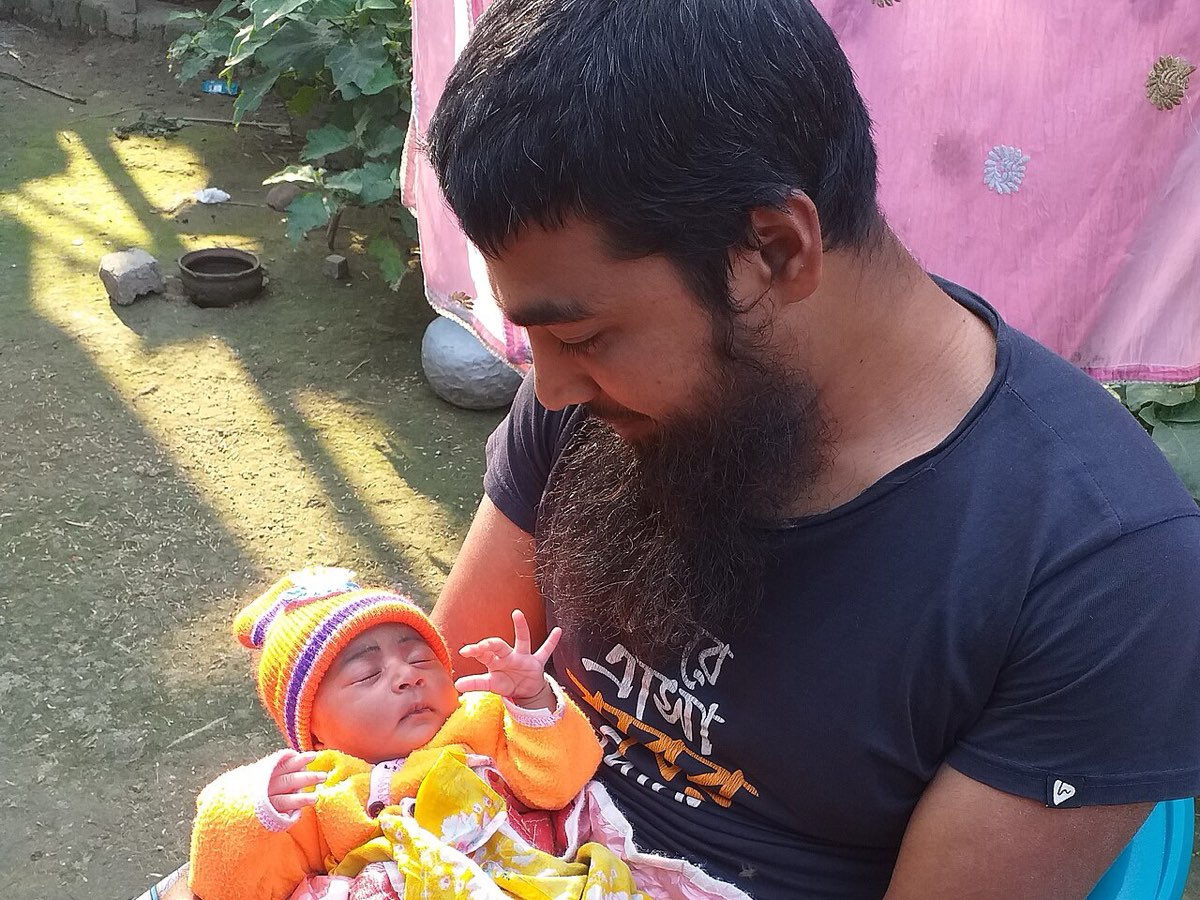
Infant feeding · October 30, 2026
306 new fathers in Shanghai rated how sure they felt about helping with breastfeeding. Their weakest point: telling whether the baby had had enough
A survey on a Shanghai maternity ward caught fathers two or three days after the birth, before mother and baby went home. Most cared about breastfeeding, yet fewer than half had been to a class, and the dads who knew least about it were the least confident they could help. The one task almost all of them were unsure about is the question every new parent asks at 3 a.m.
Read the analysis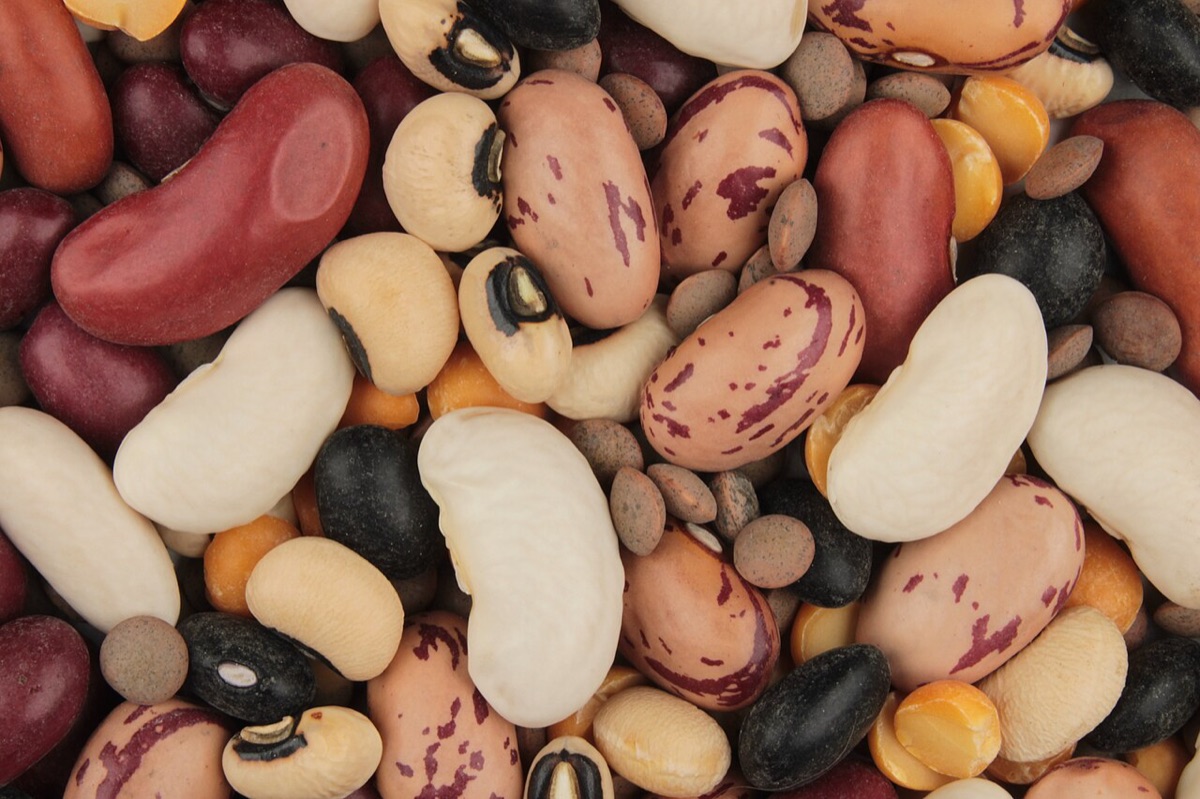
Gluten-free living · October 30, 2026
528 Canadians on a strict gluten-free diet knew beans were safe and good for them. Fewer than 1 in 100 ate them every day
A University of Guelph survey run with Celiac Canada asked people with coeliac disease or gluten sensitivity about beans. Most were confident beans are naturally gluten-free and full of fibre and protein, and three quarters named nutrition as a reason to eat them. Yet 30% never cooked dry beans at all. The gap wasn't knowledge of what beans do, it was knowing what to do with them.
Read the analysis
Skin health · October 30, 2026
Young adults with acne at a Turkish skin clinic ate fewer vegetables and more butter than those without. The sugary-carb score that usually gets the blame was the same in both groups
Researchers in Aydın compared three-day food diaries from 115 people with acne and 164 without. Half as many in the acne group managed two servings of vegetables a day, and their Mediterranean diet scores were a point lower. The glycaemic index of their diets, the usual suspect, didn't differ at all, and one result went the opposite way to what anyone expected.
Read the analysis
Cancer care · October 30, 2026
77 cancer patients in a Brazilian hospital were each given a meal plan. On a typical day they ate about 900 kcal less than it, and the men who ate least were a kilo lighter by day six
Dietitians prescribed each patient about 2,000 kcal and 100 g of protein a day. Researchers at a Porto Alegre teaching hospital went bed to bed asking how much of each tray got eaten. Fewer than half the patients managed three quarters of it, and loss of appetite, a dry mouth and food that tasted or smelled wrong went with the emptiest days.
Read the analysis
Minerals · October 30, 2026
One in nine Korean adults with diabetes had low blood magnesium, and two routine lab numbers pointed to the people most likely to have it
Magnesium isn't part of the usual blood panel, so a low level often goes unseen. A national survey of 5,798 Korean adults found it four times as often in people with diabetes, and about one in five of those whose HbA1c was 8% or higher or whose kidney filtration had dropped below 60. Their diets weren't the obvious culprit.
Read the analysis
Meal timing · October 30, 2026
The longer 1,027 European children had gone without food before a morning blood test, the calmer some inflammation markers looked. But only in the children of normal weight
Researchers in eight European countries timed the gap between each child's last bite and the needle, then measured seven markers of inflammation. In normal-weight children a longer overnight fast went with more of the body's own anti-inflammatory signal and a little less IL-6. In children with overweight or obesity the pattern wasn't there.
Read the analysisFrom our articles
Read, then eat a little better
Plain-language guides on nutrition and wellness, backed by research.

Women's health
Inositol for PCOS: the 40:1 ratio, trial doses, and food milligrams
Why do randomized trials in polycystic ovary syndrome prioritize the 40:1 myo to D-chiro inositol ratio? Here is the science behind the ovarian epimerase paradox, clinical ovulation and insulin metrics, and why cantaloupe cannot replace 4,000 mg trial powder.
21 Nov 2026

Everyday eating
Extra virgin olive oil polyphenols: the EU health claim, smoke point myths, and cooking stability
Does extra virgin olive oil degrade when cooked? What does the EU 5 mg polyphenol health claim require, how does oleocanthal act like ibuprofen, and why does oxidative stability matter more than smoke point in domestic frying? Here is the clinical and culinary data.
21 Nov 2026

Food and nutrition
L-theanine and caffeine: what cognitive trials measured on sustained attention, and milligrams in matcha vs green tea
Combining L-theanine with caffeine produces clean focus without caffeine jitters. Here is what randomized trials measured on attention-switching, EEG alpha brain waves, and the exact milligrams across ceremonial matcha, culinary powder, gyokuro, and sencha.
20 Nov 2026
Start with a virtual consultation
Tell Dr. Triveni what you want to change. You will leave with a clear next step, whether you are in Toronto, London, New York or Chennai.