Cancer care · October 30, 2026
77 cancer patients in a Brazilian hospital were each given a meal plan. On a typical day they ate about 900 kcal less than it, and the men who ate least were a kilo lighter by day six
Dietitians prescribed each patient about 2,000 kcal and 100 g of protein a day. Researchers at a Porto Alegre teaching hospital went bed to bed asking how much of each tray got eaten. Fewer than half the patients managed three quarters of it, and loss of appetite, a dry mouth and food that tasted or smelled wrong went with the emptiest days.
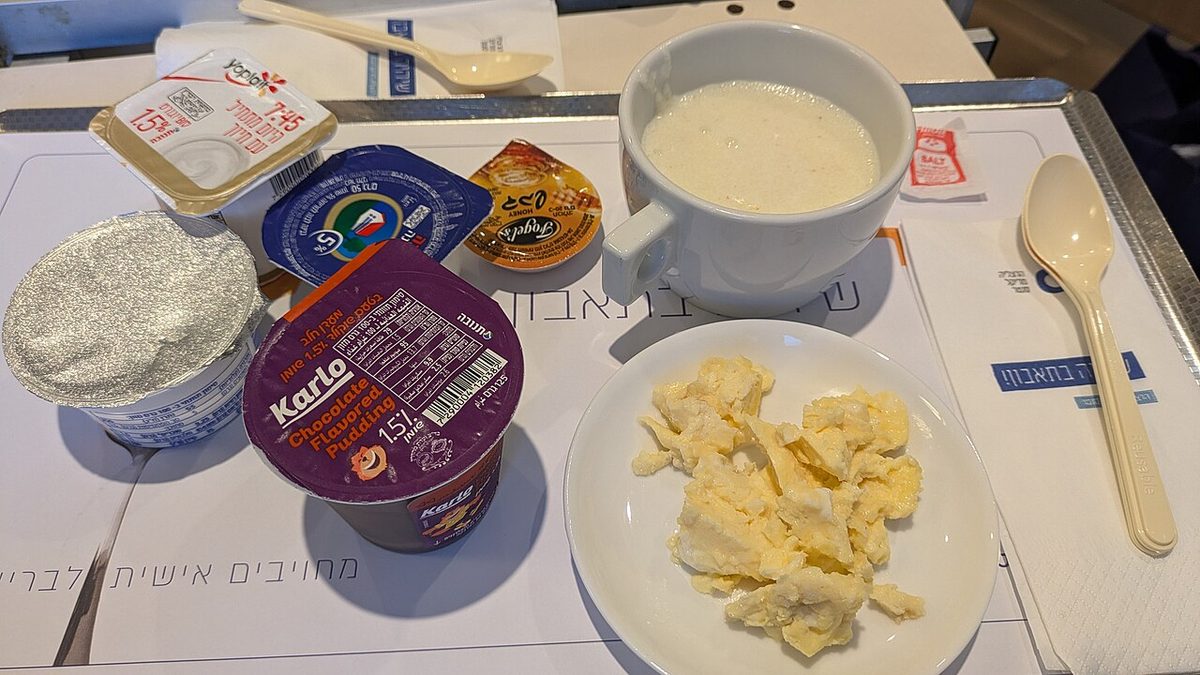
When someone with cancer is admitted to hospital, a dietitian usually works out how much energy and protein they need and the kitchen sends up meals to match. Whether the food on the tray ends up inside the patient is another matter, and it is rarely measured day by day. A study published in Supportive Care in Cancer on 23 October set out to do exactly that on an ordinary hospital ward.
Researchers at the Hospital de Clínicas de Porto Alegre in southern Brazil followed 77 adults with gastrointestinal, lung or head and neck cancer, the types most often linked to malnutrition, through their first six days in hospital. All were eating normal food by mouth. Their average age was 62.6, 54.5% were men, seven in ten had a gastrointestinal cancer and, of those with a recorded stage, 84.6% had stage III or IV disease. Within 48 hours of admission, 80.6% were already classed as moderately or severely malnourished on a cancer-specific assessment.
On days 2, 4 and 6 a researcher asked each patient how much of their hospital meals they had eaten in the previous 24 hours, using a four-step picture scale: almost all, half, a little or nothing. That share was applied to the energy and protein in the meals prescribed. The prescriptions came to a median of 2,008 to 2,196 kcal and 98 to 109 g of protein a day, about 34 to 36 kcal and 1.6 to 1.7 g of protein per kilogram of body weight. Estimated intake was a median of 1,185 to 1,387 kcal and 55 to 59 g of protein. The typical shortfall was 867 kcal on day 2, 932 on day 4 and 1,012 on day 6, and 35 to 50 g of protein. Only 44.2% of patients averaged three quarters or more of their meals.
The patients who ate least were mostly the ones who said they had no appetite: 88.4% of them rated it low, against about a quarter of those who ate well. Loss of appetite, dry mouth and changes in taste and smell were all more common among the low eaters. Lung cancer stood out: 78.9% of lung cancer patients ate less than three quarters of their meals, against 46.3% of those with gastrointestinal cancer. Chemotherapy in the previous three months also went with eating less (70.0% against 46.8%), but the stage of the cancer did not.
Over just four days, men who ate less than three quarters of their meals lost an estimated 1.02 kg (from 66.25 to 65.23 kg) and their upper-arm circumference shrank by 0.21 cm, while men who ate well held steady. Women showed no clear change in weight or arm size, and grip strength didn't move in either sex. The authors say the sex difference may come down to the short follow-up and the small numbers once the group was split.
There are real limits. Intake was estimated from the fraction of the tray eaten, assuming people ate every item in the same proportion, when patients often leave some foods and finish others. Food or supplements from outside the hospital menu could have been missed, weight can swing with fluid balance, and only the first six days were covered. There was no comparison group and nothing was changed, so the study shows how big the gap is rather than how to close it. The authors call for symptom checks and closer tracking of intake from admission, with energy- and protein-dense food or supplements when needed. The work was funded by Brazilian public research bodies and the hospital's research fund; the authors declared no competing interests.
Insufficient dietary intake and symptom burden are associated with early nutritional decline in hospitalized patients with cancer (Supportive Care in Cancer, 2026)
77
Adults with gastrointestinal, lung or head and neck cancer followed for their first six days at a Porto Alegre teaching hospital
867 to 1,012 kcal
Median daily gap between the energy prescribed and the energy eaten, on days 2, 4 and 6
35 to 50 g
Median daily gap between the protein prescribed (about 100 g) and the protein eaten
44.2%
Patients who ate three quarters or more of their hospital meals across the three check days
78.9%
Lung cancer patients who ate less than three quarters of their meals, against 46.3% with gastrointestinal cancer
1.02 kg
Estimated weight lost between day 2 and day 6 by men who ate less than three quarters of their meals; men who ate more held steady
Longitudinal observational study, no control group. Intake estimated with the Food Intake Visual Scale (almost all, half, a little or nothing of the previous 24 hours' meals) applied to the prescribed energy and protein; reduced intake = mean under 75%. Prescriptions set by the hospital dietitians (target 25 to 30 kcal/kg and more than 1.0 g protein/kg a day). Gaps are medians of within-patient differences (Wilcoxon test, p < 0.001 on every day); the lower quartile of each gap was zero, so at least a quarter of patients met their prescription on each day. Weight and arm changes from generalised estimating equations, by sex. Figures from the open-access article (CC BY 4.0), tables 1 to 5.
- European cancer nutrition guidelines (ESPEN) recommend 25 to 30 kcal and 1.0 to 1.5 g of protein per kilogram of body weight a day; the prescriptions in this hospital sat a little above that, at a median of about 34 to 36 kcal and 1.6 to 1.7 g.
- Of the patients who ate less than three quarters of their meals, 88.4% rated their appetite at 70 or below on a 100 mm scale, against about one in four of those who ate well.
- A third of these patients were underweight at admission, but 29.9% were overweight or obese, a reminder that malnutrition doesn't always look thin.
- In an earlier study the authors cite, only 9.1% of hospitalised cancer patients met their energy goal and 25% their protein goal.
- Insufficient dietary intake and symptom burden are associated with early nutritional decline in hospitalized patients with cancerSupportive Care in Cancer (Springer Nature) · The study, published 23 October 2026 (open access, CC BY 4.0); figures from the abstract, tables 1 to 5, the discussion and the funding and competing-interest statements
- Full text on PubMed Central (PMC13694521)U.S. National Library of Medicine · Open-access copy of the article with the full tables
- ESPEN practical guideline: Clinical Nutrition in cancerClinical Nutrition (Elsevier) · The energy and protein targets the hospital's prescriptions were based on
- Hospital meal in IsraelWikimedia Commons · The image, CC BY 4.0 (Nizzan Cohen); an Israeli hospital tray, not the study's hospital
General information, not medical advice. This was a small observational study in one Brazilian hospital and can't show that eating more would have prevented the weight loss. If you or someone you care for is in hospital with cancer and struggling to eat, tell the nurses or ask to see the dietitian: symptoms like a dry mouth or changed taste can often be eased, and supplements may help.
Analysis by NutroPractic from the sources listed. Written for general readers; it does not replace advice from your own doctor.
From our articles
Read, then eat a little better
Plain-language guides on nutrition and wellness, backed by research.

Diabetes
Potatoes and blood sugar: boiled, cooled, mashed or fried, and what the cohorts and trials found
Fries were linked to 20% higher diabetes risk per three servings a week in 205,000 US adults; boiled, baked and mashed potatoes to almost none. GI by cooking method, resistant starch in grams after chilling, the glycaemic load of a potato against a cup of rice, and how to fit aloo into an Indian plate.
30 Oct 2026

Children's nutrition
Picky eaters aged 2 to 8: what feeding studies show works at the table
Fussy eating peaks between two and six and is usually a normal stage, not a parenting failure. Feeding trials show what moves it: small repeated tastes, eating together, no pressure and the right kind of reward. Here is how to use them, and the signs that mean it's more than picky eating.
30 Oct 2026

Women's health
PCOS and food: what the diet trials show for cycles, insulin and weight
PCOS affects about one woman in ten, and most are told to "lose weight" with little else. Here is what drives it, why insulin matters even in slim women, how much weight loss brings cycles back, what the low-GI and Mediterranean trials found, what inositol and metformin do, and which tests to ask for.
30 Oct 2026
Newsfeed for your website
Want this feed on your website?
Add it to any site with one copy-and-paste snippet. No sign-up, and it updates itself every hour.
Start with a virtual consultation
Tell Dr. Triveni what you want to change. You will leave with a clear next step, whether you are in Toronto, London, New York or Chennai.