Weight-loss surgery · October 30, 2026
A year after weight-loss surgery, 73 patients were eating about 1,400 calories a day. Their food gave them less than half the folate they needed
Dietitians in Warsaw asked people what they had eaten before a sleeve gastrectomy or gastric bypass, then again at one, six and twelve months. Calories fell sharply and climbed back only part of the way. By the end of the first year, the meals themselves still fell well short on folate, iron, calcium and magnesium, whichever operation people had.
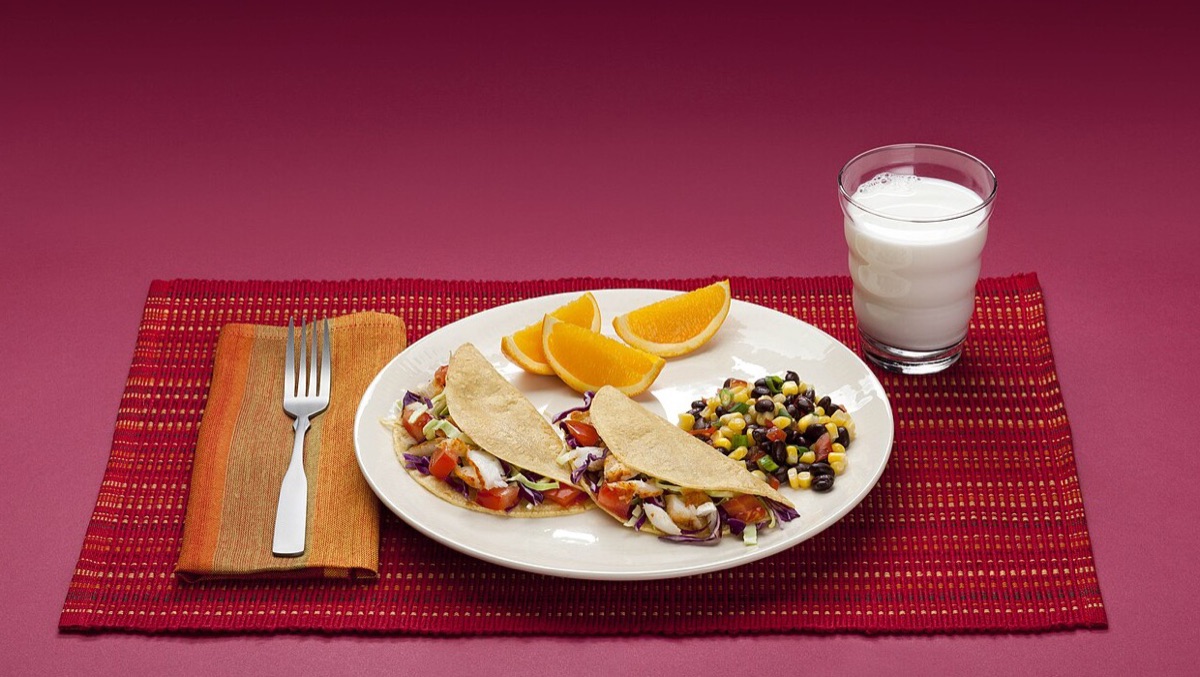
Weight-loss surgery works largely because people can no longer eat much. That is the point, but it raises an obvious question: if the plate shrinks to a fraction of its old size, do the vitamins and minerals on it shrink too? Most studies answer it with blood tests. A study published in Nutrients on 28 October looked instead at the food itself, and followed it through the whole first year after surgery.
The data are older than the paper. Between 2007 and 2009, 85 adults with severe obesity were enrolled at the Military Institute of Medicine in Warsaw, and the 73 who had surgery and completed every follow-up are in the analysis: 47 had a sleeve gastrectomy, which removes most of the stomach, and 26 had a Roux-en-Y gastric bypass, which makes a small pouch and routes food past the first stretch of the small intestine. Seven in ten were women, the average age was 41 and the average BMI 47. Before the operation and at one, six and twelve months, a dietitian took each person through everything they had eaten and drunk the previous day, using a photo album of portions. Researchers at the Medical University of Warsaw have now analysed those records.
Calories dropped hard. One month after surgery, people reported eating around 770 to 860 kcal a day, while they were still moving from liquids and purées to soft food. By twelve months, intake had climbed to about 1,410 kcal after a sleeve and 1,460 after a bypass. The authors are cautious about the pre-surgery figures of roughly 3,750 to 4,250 kcal: one remembered day says little about a usual diet, and self-reported intake is notoriously unreliable.
All 12 vitamins and minerals measured fell after surgery and stayed below their pre-surgery level all year; for most, intake was lowest at one month and recovered only partly by twelve. Against Polish reference intakes, a year's food supplied on average only 41 to 43% of the folate people needed, 48 to 63% of the iron, 52 to 64% of the calcium and 58 to 60% of the magnesium. On the day they described, no more than 15% of people reached their calcium target, 4% their magnesium and 19% their iron, and just one person out of 73 reached it for folate. Vitamin B12, B6, riboflavin and vitamin A, by contrast, were roughly at or above their reference values.
The two operations mostly looked alike. Once the results were corrected for testing 13 nutrients at once, the type of surgery made no overall difference to intake. Only calories and zinc changed differently over time between the two groups, with a slightly steeper early fall after bypass, and the authors warn the bypass group was too small, with only four men, to read much into it.
The limits matter here. A single 24-hour recall at each visit cannot pin down anyone's usual diet. Supplement use was recommended but never recorded, and no blood was tested, so low intake from food is not the same as a deficiency: supplements can make up much of the gap, as other studies have shown. Patients chose their operation with the surgeon rather than being randomised, and bariatric care has changed since 2009. What the study does show is how little food alone delivers in that first year, which is why the authors call for dietary checks alongside the usual supplements and blood tests.
Energy and Micronutrient Intakes Before and After Bariatric Surgery: Nutritional Challenges During the First Postoperative Year (Nutrients, 2026)
73
Patients followed for a year after surgery in Warsaw: 47 sleeve gastrectomy, 26 gastric bypass (data collected 2007 to 2009)
770–860 kcal
Average reported daily intake one month after surgery, sleeve and bypass groups
~1,410–1,460 kcal
Average reported daily intake at twelve months
41–43%
Share of the folate reference intake supplied by food at twelve months, the biggest shortfall measured
48–63% / 52–64%
Share of the iron and calcium reference intakes supplied by food at twelve months
≤15% / ≤4% / ≤19%
People reaching their calcium, magnesium and iron targets on the recall day at twelve months
Secondary analysis of a prospective observational cohort at one centre (Military Institute of Medicine, Warsaw; Medical University of Warsaw). Intake from food and drinks only, from one 24-hour recall per visit, analysed with generalized estimating equations adjusted for sex, age and baseline BMI, with Benjamini–Hochberg correction across 13 outcomes. Time effects were significant for all 13 (adjusted p < 0.001); there was no significant main effect of procedure; time-by-procedure interactions were significant for energy and zinc (adjusted p = 0.013). Percentages of reference are group means against the Nutrition Standards for the Polish Population (2020) and describe the recall day, not usual intake or deficiency. Supplement use and blood levels were not recorded. Figures from the open-access article (CC BY 4.0), Tables 1, 3 and A1.
- Patients in the study were advised to aim for 60 to 80 g of protein a day, eat small frequent meals, chew thoroughly and keep drinks separate from food.
- After surgery the diet moved in stages: clear liquids for the first two days, full liquids from about day 3, purées and soft food from around days 10 to 14, and solid food as tolerated.
- In the gastric bypass done here, about 75 to 150 cm of the upper small intestine was bypassed, which also affects how some nutrients are absorbed.
- In a larger randomised trial the paper cites (BEST, 285 people), intake a year after either operation was about 1,650 to 1,670 kcal a day, measured with four-day food records.
- Energy and Micronutrient Intakes Before and After Bariatric Surgery: Nutritional Challenges During the First Postoperative YearNutrients (MDPI) · The study, published 28 October 2026 (open access, CC BY 4.0); figures from the abstract, results (Tables 1, 3 and A1), discussion and limitations
- Full textMDPI · Article page with all tables and figures
- Dinner meal - MyPlateWikimedia Commons · The image, public domain (U.S. Department of Agriculture); an illustration, not a meal from the study
General information, not medical advice. This study measured food only, not supplements or blood levels, so it can't say anyone was deficient. If you've had or are planning weight-loss surgery, follow your bariatric team's advice on supplements and blood tests, and ask them or a dietitian before changing either.
Analysis by NutroPractic from the sources listed. Written for general readers; it does not replace advice from your own doctor.
From our articles
Our guides on this subject
Plain-language guides on nutrition and wellness, backed by research.
Women's health
Folic acid before pregnancy: why it has to start before you know, and who needs the higher dose
The neural tube closes 26 to 28 days after conception, about six weeks after the last period and before many people know they are pregnant. Folic acid cut neural tube defects by about 72% in the 1991 MRC trial, yet only about a third of women take it beforehand. The dose, who needs 4 or 5 mg, what changed for higher BMI, fortified flour from the US to the UK's 2026 law, folate foods and the B12 link.
25 Oct 2026

Children's nutrition
Feeding a teenage athlete: energy, iron, calcium and the sports drink question
Teenage athletes are growing and training at the same time, and under-eating (REDs) is found in up to 80% of female and 70% of male athletes in studies. A worked energy example for a 15-year-old footballer, protein and carbohydrate targets, iron and calcium in the growth spurt, when sports drinks help and when they are dessert, and the supplements to skip.
20 Oct 2026

Micronutrients
Vitamin D and B12: two common gaps, from northern winters to vegetarian kitchens
Vitamin D runs low in Canadian and European winters, and surprisingly often in sunny India too. Vitamin B12 is a risk for vegetarians, people over 50 and people on certain medicines. Who is at risk, what the official advice is in North America, Europe and India, and where to get both.
3 Oct 2026
Newsfeed for your website
Want this feed on your website?
Add it to any site with one copy-and-paste snippet. No sign-up, and it updates itself every hour.
Start with a virtual consultation
Tell Dr. Triveni what you want to change. You will leave with a clear next step, whether you are in Toronto, London, New York or Chennai.