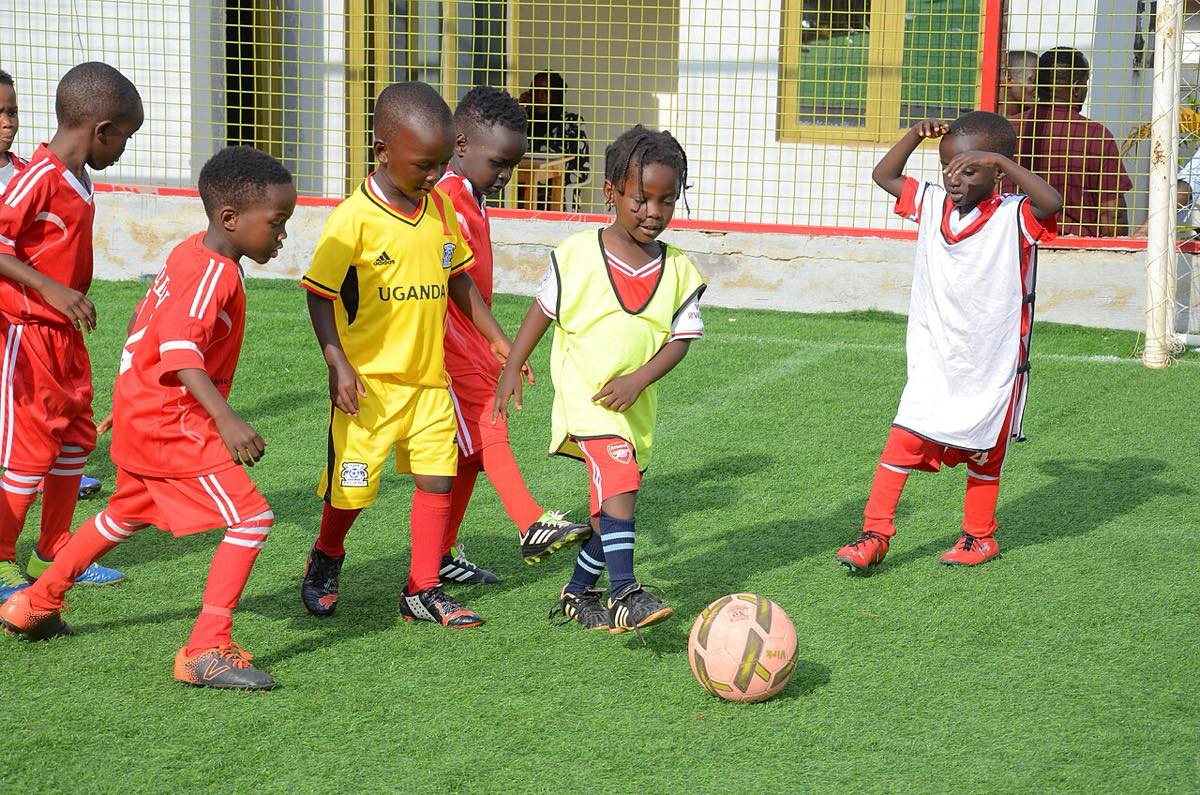
A teenager who trains five or six days a week is doing two demanding jobs at once: growing, and recovering from sport. Between about 11 and 16 a child can gain 20 cm in height and lay down a large share of the bone they will have for life. Add football, swimming, running or dance on top, and the food that was enough at ten is often not enough at fifteen.
Most teenage athletes don't need special products. They need enough food, at the right times, with a few nutrients that are easy to miss. Here is what the sports medicine bodies say about energy, protein, carbohydrate, iron and calcium for young athletes, with a worked day, the signs that a teen isn't eating enough, and a straight answer on sports drinks and supplements.
The biggest risk is simply not eating enough
In 2014 the International Olympic Committee (IOC) named a condition it called Relative Energy Deficiency in Sport, now shortened to REDs, and updated it in 2023. It describes what happens when an athlete eats too little for the training they do. The body has less energy left for everything that isn't sport, and it starts to save: periods stop, testosterone falls, bones build less, growth can slow, and injuries, illness and tiredness become more frequent. It affects boys as well as girls, although it is easier to spot in girls because their periods change.
It is not rare. The 2023 IOC consensus, which reviewed about 178 studies, reports that signs of low energy availability or REDs are found in 23% to 80% of female athletes and 15% to 70% of male athletes, depending on the sport and how it was measured. Sports where lightness counts (distance running, gymnastics, dance, figure skating, cycling, weight-class sports) carry the highest risk, but a busy footballer with two training sessions and a match a week can get there by accident.
It rarely starts as a diet. More often it is a teenager who trains after school, has a small lunch, isn't hungry straight after training, goes to bed, and does it all again. Hunger signals are not a reliable guide after hard exercise, so the gap goes unnoticed.
How much energy: a worked example
Sports scientists measure energy availability: the calories eaten, minus the calories burned in training, divided by the kilograms of fat-free mass (everything that isn't fat). It is a research tool, not something to calculate every day, but working through one example shows how easily the numbers drop.
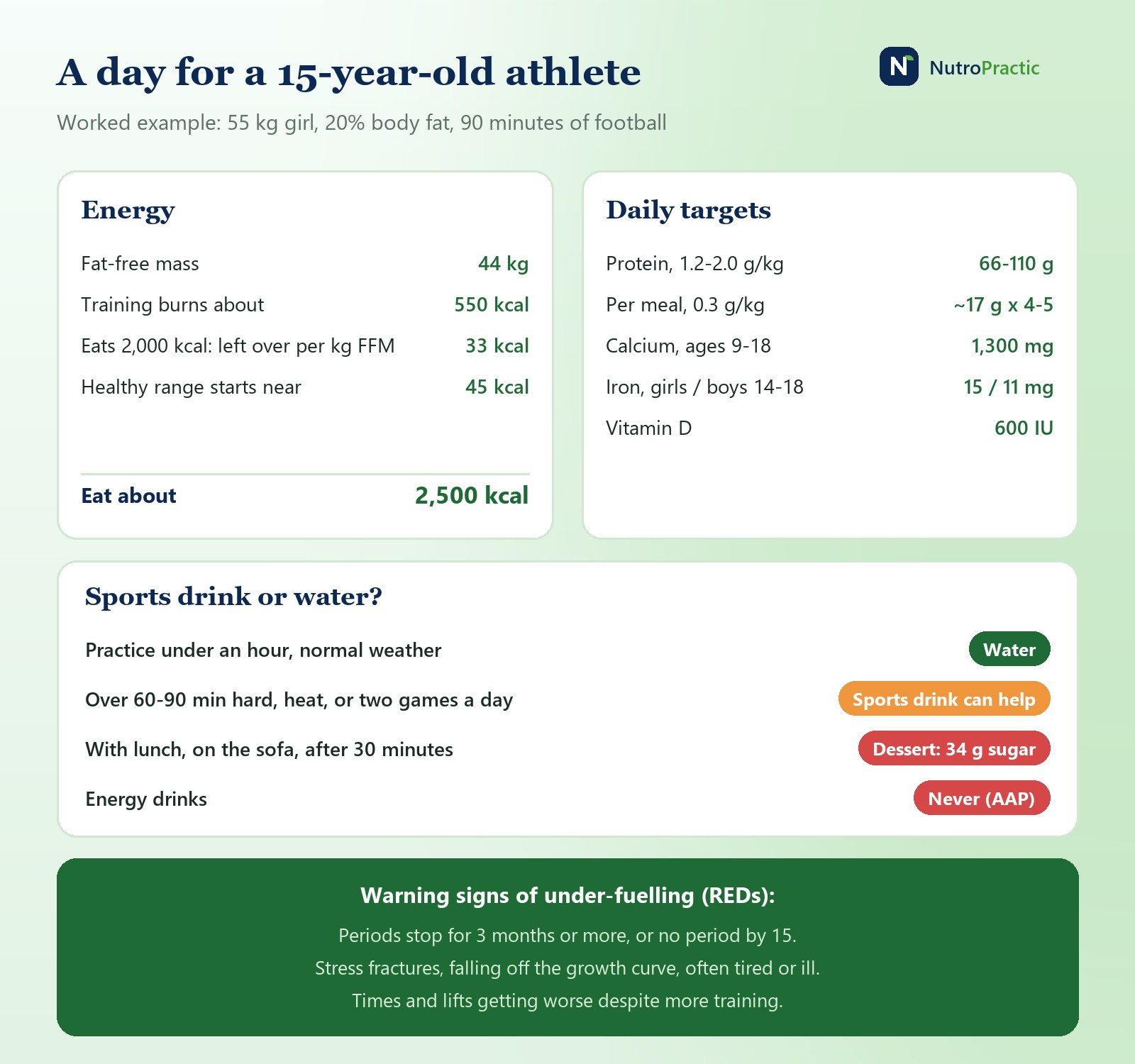
Take a 15-year-old girl who weighs 55 kg with about 20% body fat: her fat-free mass is 55 × 0.8 = 44 kg. A 90-minute football session burns roughly 550 kcal. If she eats 2,000 kcal that day, her energy availability is (2,000 − 550) ÷ 44 = 33 kcal per kg of fat-free mass.
Laboratory studies found that below about 30 kcal/kg of fat-free mass, hormones and bone turnover start to change within days in women; around 45 kcal/kg is the level usually used for an athlete who is maintaining weight and growing. The IOC is clear that 30 is not a hard line for everyone (in boys the problems seem to appear lower, between about 9 and 25), but in this example she sits in the grey zone every training day. To reach 45 she would need about 45 × 44 + 550 = 2,530 kcal: roughly an extra 500 kcal, which is a glass of milk and a peanut butter sandwich. That is the size of the gap most of the time: one extra snack or a proper meal after training, not a new diet.
Protein: spread it through the day
The 2016 joint position of the American College of Sports Medicine, the Academy of Nutrition and Dietetics and Dietitians of Canada recommends 1.2 to 2.0 g of protein per kg of body weight a day for athletes, and suggests spreading it as about 0.3 g per kg after training and every three to five hours. For our 55 kg player that is 66 to 110 g a day, or about 17 g at each of four or five eating times. The general teenage recommendation is lower (0.85 g/kg in the US), so the extra comes from the training load.
Most teenagers who eat meat or dairy already reach the total. What they often miss is the spread: little protein at breakfast and lunch, and most of it at dinner. Easy 15 to 20 g portions: two eggs and a glass of milk; 200 g of Greek yoghurt; a tin of tuna or a chicken leg; a bowl of dal with a cup of curd; a peanut butter sandwich and a glass of milk; 150 g of firm tofu. Chocolate milk after training is a classic for a reason: about 8 g of protein and 25 g of carbohydrate per 250 ml, cheap and easy to drink when nothing else appeals. Protein powders are not needed for most teens; food does the job and comes with calcium and iron.
Carbohydrate: before and after training
Carbohydrate is the main fuel for hard and fast exercise, and teenagers who cut it to look lean usually feel it first in their legs. The same 2016 position sets daily carbohydrate by training load:
Light or skill-based training: 3 to 5 g per kg a day
Moderate, about an hour a day: 5 to 7 g per kg a day
Heavy, 1 to 3 hours a day of moderate to hard training: 6 to 10 g per kg a day
For our 55 kg footballer training about an hour and a half, 5 to 7 g/kg is 275 to 385 g a day: rice, pasta, bread, potatoes, oats, fruit, milk and yoghurt across the day. Before training, a meal 2 to 4 hours ahead, or a small snack 30 to 60 minutes before (a banana, toast with jam, a yoghurt), is enough for a school-day session. After training, a meal or snack with both carbohydrate and protein within an hour or two helps recovery, and matters most when there is another session the next day. A packed afternoon snack in the sports bag solves the problem of the long gap between lunch and evening training.
Iron: the growth spurt and periods
Iron needs jump in adolescence. The US recommended amounts are 8 mg a day at ages 9 to 13, then 11 mg for boys and 15 mg for girls at 14 to 18. Girls lose iron with their periods, boys are building muscle and blood volume fast, and endurance training adds small losses through sweat, the gut and the impact of running on the feet.
Low iron is common in young athletes. In a German study of 629 squad athletes (Roy and colleagues, Nutrients 2022), iron deficiency was found in 39% of the girls aged 14 to 18 and 15% of the boys the same age. In India, where the base rates are higher, the national family health survey NFHS-5 (2019 to 2021) found anaemia in 59.1% of girls and 31.1% of boys aged 15 to 19. Low ferritin, the iron store, makes training feel harder long before anaemia shows on a blood count.
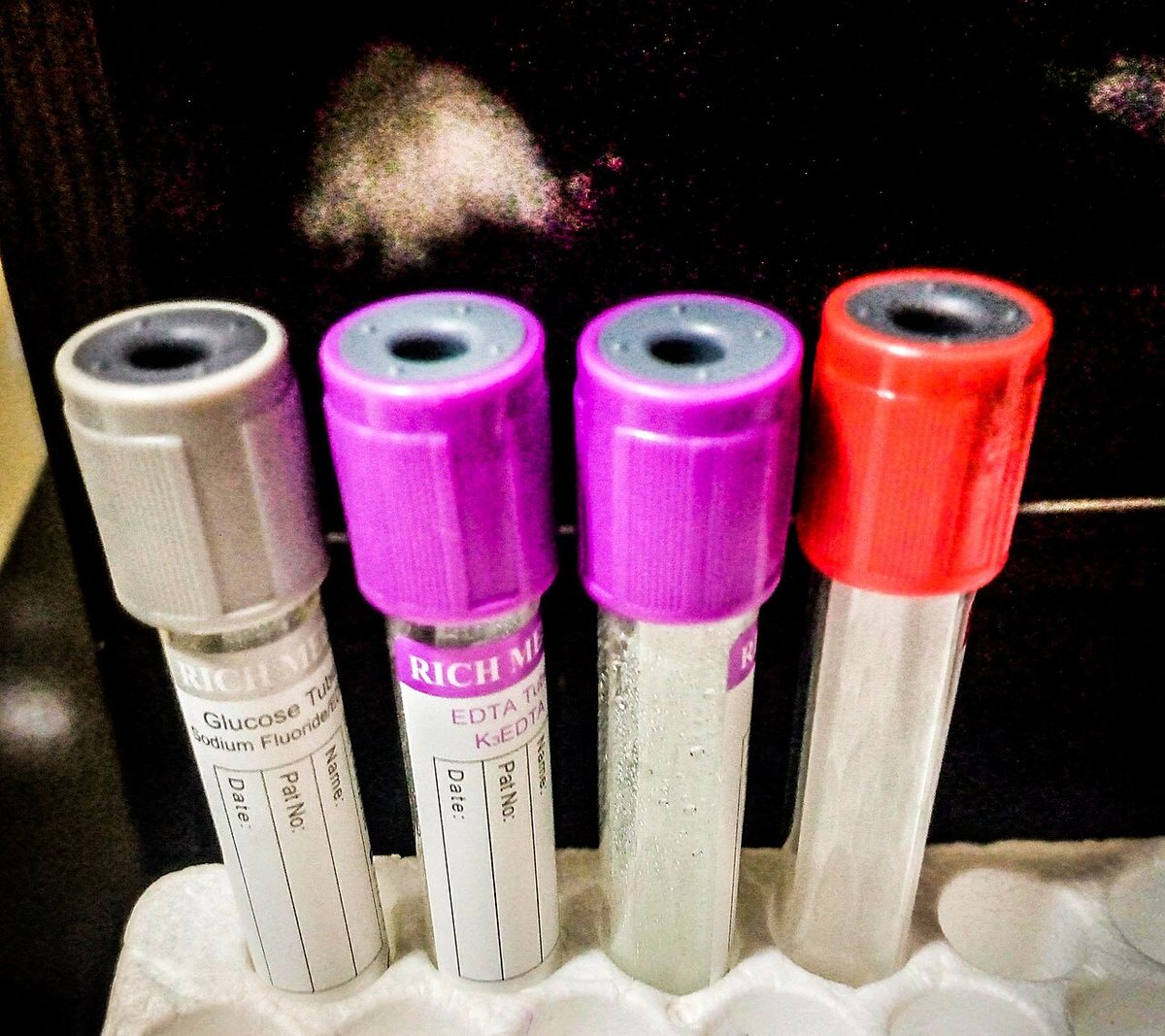
Food first: red meat, chicken thighs and legs, fish, eggs, beans, lentils, chickpeas, tofu, fortified breakfast cereals, and dark green vegetables, eaten with a source of vitamin C (citrus, tomatoes, peppers, guava) and with tea or coffee kept away from the iron-rich meal. Our article on iron for women goes through absorption in detail. Iron tablets should be given only after a blood test shows they are needed and at the dose the doctor sets: iron overload is harmful too, and tablets hide the cause.
Calcium and vitamin D: the bone bank
About half of adult bone mass is laid down during the teenage years, and most of it is in place by the late teens or early twenties. The US recommends 1,300 mg of calcium a day from 9 to 18, more than adults need, and 600 IU (15 micrograms) of vitamin D. Few teenagers reach 1,300 mg: soft drinks and energy drinks have replaced milk in many lunchboxes.
What 1,300 mg looks like: a 250 ml glass of milk (about 300 mg), a 150 g pot of yoghurt (about 200 mg), 30 g of cheddar (about 200 mg), a portion of calcium-set tofu (about 250 to 350 mg) and a calcium-fortified plant milk or cereal. In Indian homes, ragi (finger millet) at about 340 mg per 100 g of flour, curd, paneer, sesame and leafy greens all count. A teen athlete with REDs, low vitamin D or a stress fracture should have both looked at by a doctor, because the bones they don't build now are hard to make up later.
For most teenage athletes, the fix is not a supplement. It is a proper breakfast, a snack in the sports bag, and a meal soon after training.
Sports drinks: when they help and when they are dessert
A 20 oz (591 ml) bottle of Gatorade Thirst Quencher has 34 g of sugar, 270 mg of sodium and 140 kcal. The American Heart Association advises children and teens to keep added sugar under 25 g a day, so one bottle with lunch uses up more than the day's allowance.
The American Academy of Pediatrics (AAP) reviewed this in 2011 and concluded that water is the right drink for most young athletes. Sports drinks have a place in prolonged, vigorous exercise, roughly sessions or matches of more than 60 to 90 minutes at high intensity, in heat, or on tournament days with several games, where the sugar fuels the muscles and the salt replaces sweat losses. For an hour of practice in normal weather, a 30-minute gym session, or sitting at a desk, a sports drink is a soft drink. Diluted fruit juice with a pinch of salt, or water with an orange or a banana at half time, does the same job for less.
Energy drinks are a different product. They contain caffeine, often 80 to 300 mg a can, and the AAP says they are never appropriate for children and adolescents. Health Canada's caution for teenagers is no more than 2.5 mg of caffeine per kg of body weight a day: about 137 mg for our 55 kg player, which a single large energy drink can exceed.
Supplements to avoid
Teenagers are a target market for muscle builders, fat burners and pre-workout powders. The AAP's 2016 clinical report on performance-enhancing substances advises against them for athletes under 18. The reasons are practical: there is little research in teenagers, supplements are not checked for what they contain before sale, and contaminated products have caused failed drug tests and real harm. Creatine is studied in adults and can help them, but the AAP doesn't recommend it for under-18s. Pre-workouts and fat burners often hide high doses of caffeine and other stimulants. Protein powders are usually unnecessary and expensive.
A multivitamin does little harm but rarely fixes what matters. Iron and vitamin D are the two supplements that are often justified, and both should follow a blood test and a doctor's advice. If an older athlete competing at a national level is advised to use a supplement, choose one certified by a third-party testing scheme such as Informed Sport or NSF Certified for Sport.
A training day on a plate
For a 15-year-old with football after school, a day that covers the targets looks like this:
Breakfast: oats cooked in milk with a banana, or two eggs on toast with a glass of milk.
Morning break: yoghurt and a piece of fruit.
Lunch: a chicken, bean or egg sandwich on wholemeal bread, or rice with dal and vegetables; a piece of fruit; water.
Before training (3:30 pm): a peanut butter sandwich or a banana and a handful of nuts from the sports bag.
During training: water; a sports drink only on long, hot or match days.
After training: a glass of chocolate milk on the way home, then dinner within an hour or two: pasta, rice or potatoes, a portion of meat, fish, beans or tofu, two vegetables.
Before bed, if hungry: a bowl of cereal with milk, or yoghurt.
This lands around 2,400 to 2,600 kcal, 100 g or more of protein and close to 1,300 mg of calcium. For lunchbox ideas that hold up through a school afternoon, see our article on a school lunchbox that lasts until 3 pm.
Signs to talk to a doctor
See the family doctor or a sports medicine clinic if a teenage athlete: has no period by 15, or periods that stop for three months or more; has a stress fracture, or more than one bone injury; is falling off their growth curve for height or weight; is often ill, tired, low in mood or irritable; is getting slower or weaker despite training more; or talks a lot about weight, skips meals or hides food. These are the warning signs listed in the IOC's REDs assessment tool. Parents and coaches are often the first to notice, and early help with food is far easier than treating a bone injury or an eating disorder later.
A teenager training hard, always tired, or not growing as expected? Dr. Triveni plans meals for young athletes and their families, and runs school wellness programmes on sports nutrition. Book a virtual consultation.
Book a consultationThis article is general information, not medical advice. A young athlete with missed periods, repeated injuries, weight loss or signs of disordered eating needs to see a doctor. Don't give iron or other supplements without a blood test and medical advice.
Sources
Mountjoy M. et al., 2023 International Olympic Committee's (IOC) consensus statement on Relative Energy Deficiency in Sport (REDs), Br J Sports Med 57:1073-1097 (2023), including the IOC REDs Clinical Assessment Tool version 2. Thomas D.T., Erdman K.A., Burke L.M., American College of Sports Medicine Joint Position Statement: Nutrition and Athletic Performance, Med Sci Sports Exerc 48(3):543-568 (2016). Desbrow B. et al., Sports Dietitians Australia position statement: sports nutrition for the adolescent athlete, Int J Sport Nutr Exerc Metab 24(5):570-584 (2014).
Roy R., Kück M., Radziwolek L., Kerling A., Iron deficiency in adolescent and young adult German athletes: a retrospective study, Nutrients 14(21):4511 (2022). International Institute for Population Sciences, National Family Health Survey (NFHS-5), 2019-21, India. US National Institutes of Health, Office of Dietary Supplements, fact sheets for iron, calcium and vitamin D.
Committee on Nutrition and the Council on Sports Medicine and Fitness, American Academy of Pediatrics, Sports drinks and energy drinks for children and adolescents: are they appropriate?, Pediatrics 127(6):1182-1189 (2011). LaBotz M., Griesemer B.A., Council on Sports Medicine and Fitness, Use of performance-enhancing substances, Pediatrics 138(1):e20161300 (2016). Vos M.B. et al., Added sugars and cardiovascular disease risk in children: a scientific statement from the American Heart Association, Circulation 135:e1017-e1034 (2017). Health Canada, caffeine in foods guidance (2.5 mg/kg body weight a day for children and adolescents). Gatorade Thirst Quencher 20 fl oz nutrition panel as listed by US retailers (October 2026).