Kidney health · October 31, 2026
Kidney diet classes lowered blood pressure in four trials — but they did not slow kidney decline
Eight trials asked whether nutrition education delivered by a dietitian helps people with moderate-to-severe chronic kidney disease. The clearest result was lower blood pressure. Kidney filtration and body weight barely moved, while quality-of-life results were too uncertain to call a win.
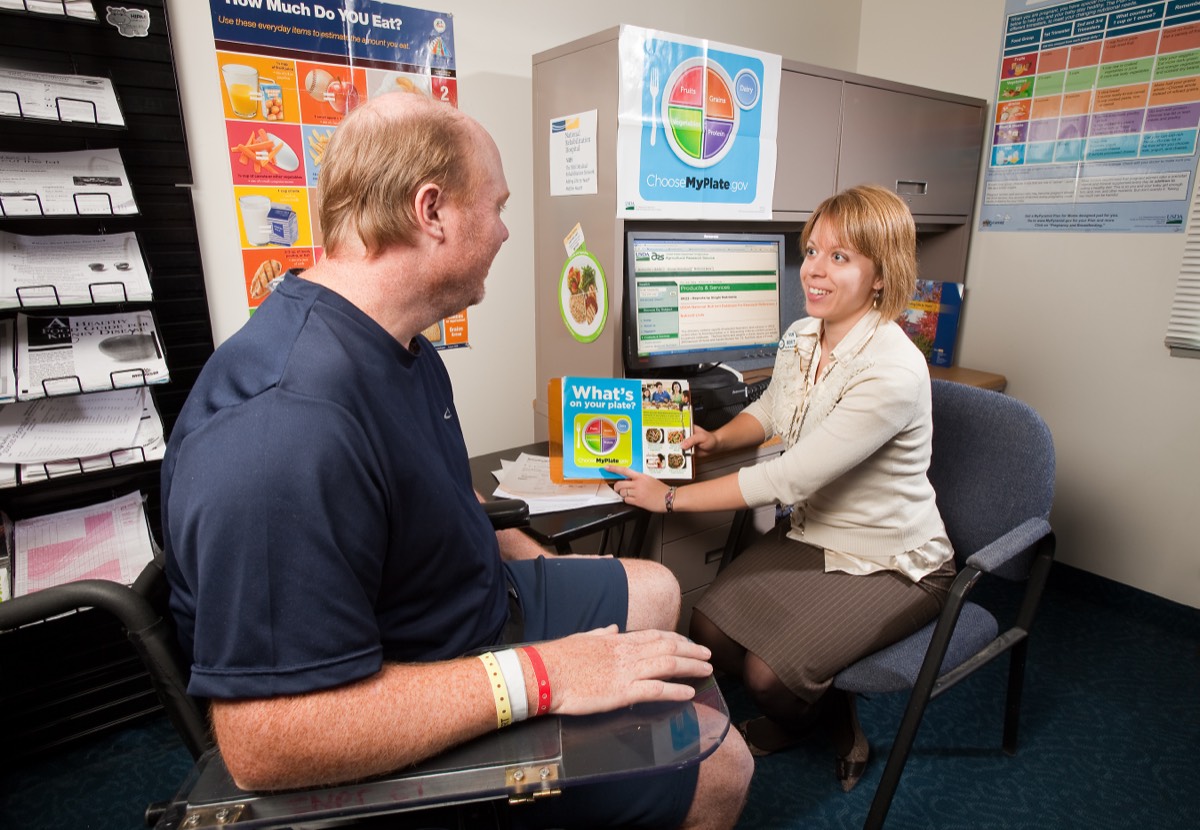
For people with chronic kidney disease, food advice can feel both essential and impossible. Salt, protein, potassium, phosphorus, fluid and energy needs may all come up, and the right balance changes with the stage of kidney disease, other conditions and treatment. A new systematic review asked a practical question: when a dietitian provides nutrition education, does it improve outcomes that people can actually feel or measure?
The review, published online on 19 October in Nutrition & Dietetics, found eight randomised trials with 1,204 people who had chronic kidney disease stages 3a to 5. The studies compared dietitian-led education, delivered one-to-one or in groups, with usual care. The researchers looked first at estimated glomerular filtration rate (eGFR), a routinely used measure of kidney filtering, and also pooled blood pressure, body mass index, quality of life, diet adherence and whether people found the programme acceptable.
Blood pressure was the most solid finding. Four trials with 398 participants provided high-certainty evidence that dietitian-led education lowered systolic blood pressure by an average of 6.23 mmHg and diastolic pressure by 4.01 mmHg compared with usual care. Those are group averages, not a promise that every participant will see the same change, but the review judged the result unlikely to be explained away by new evidence.
The result people might most hope for was not there. Five trials, involving 462 people, gave low-certainty evidence of little or no difference in eGFR, and body mass index also changed little or not at all. That does not make nutrition care pointless: preserving kidney function is hard to show in short and varied studies, and blood pressure itself matters in kidney disease. It does mean the review does not support claiming that education alone slows the loss of kidney filtering.
Quality of life looked encouraging on paper, with a large average difference, but the uncertainty around it was wide enough to include little benefit. The authors therefore say it may improve rather than that it does. Their exploratory comparisons also found no clear difference between education delivered individually and in a group, although this is not the same as proving the two formats are interchangeable for every person or clinic.
The useful takeaway is narrower than a kidney-diet rulebook. Working with a renal dietitian may be a practical way to improve blood-pressure-related eating habits and to make a complicated plan more manageable. But there is no universal kidney diet, and cutting foods or fluids without personalised advice can be risky. Anyone with chronic kidney disease should take specific targets from their kidney team, especially if they have high potassium, diabetes, swelling, dialysis or medicines that affect blood pressure.
Dietitian-delivered nutrition education for chronic kidney disease stages 3a-5: systematic review and meta-analysis (Nutrition & Dietetics, 2026)
8 trials, 1,204 people
Randomised trials included in the review
−6.23 mmHg
Average systolic blood-pressure difference with dietitian education versus usual care (4 trials, 398 people; high-certainty evidence)
−4.01 mmHg
Average diastolic blood-pressure difference (95% CI −6.13 to −1.90)
5 trials, 462 people
Evidence for little or no difference in eGFR, a measure of kidney filtering; low certainty
No clear difference
Exploratory comparison of individual versus group education
Systematic review and meta-analysis of randomised controlled trials in people with chronic kidney disease stages 3a to 5. Four databases were searched through July 2025. The primary outcome was eGFR; secondary outcomes included blood pressure, body mass index, quality of life, dietary adherence and acceptability. Random-effects meta-analyses pooled post-intervention results. Five trials (462 people) gave low-certainty evidence of little to no difference in eGFR or body mass index. For quality of life, the standardised mean difference was 0.99 (95% CI −0.31 to 2.29), so the estimate is imprecise despite its positive direction. Four trials (398 people) gave high-certainty evidence for lower diastolic pressure (mean difference −4.01 mmHg, 95% CI −6.13 to −1.90) and systolic pressure (−6.23 mmHg, 95% CI −9.24 to −3.23). Figures from the article abstract and PubMed record.
- eGFR is an estimate calculated from a blood creatinine result together with factors such as age and sex. It is useful for following kidney function, but it is an estimate rather than a direct measurement of every kidney's filtering capacity.
- Chronic kidney disease stage 3a begins at an eGFR of 45 to 59 mL/min/1.73 m²; stages 4 and 5 describe more severely reduced kidney function. A clinician uses eGFR alongside urine tests, symptoms and the cause of kidney disease.
- Systolic pressure is the top number in a blood-pressure reading, when the heart pumps. Diastolic pressure is the lower number, between beats.
- A meta-analysis pools results from separate studies. Its certainty rating reflects not only the size of the average effect but also study quality, consistency and how precise the estimate is.
- A renal dietitian can tailor advice to laboratory results and treatment. Advice that is sensible for one person with kidney disease, such as limiting a mineral, can be inappropriate for another.
- Effect of individual and group-based dietitian-delivered education interventions on outcomes for people with chronic kidney disease stages 3a-5: A systematic review and meta-analysisNutrition & Dietetics · Original peer-reviewed systematic review, published online 19 October 2026; study design, included-trial totals, certainty ratings and pooled outcomes
- PubMed record PMID 42897867US National Library of Medicine · Abstract and publication details, used to cross-check the reported pooled figures
- Agriculture Research Service (ARS) (8423828231)Wikimedia Commons · Cover image by USDA photographer Stephen Ausmus, public domain
General information, not medical advice. This review combines education studies in people with chronic kidney disease and cannot set a diet or blood-pressure target for an individual. Kidney diets and fluid, potassium, phosphorus and protein advice need to be personalised. If you have chronic kidney disease, dialysis, diabetes, heart failure or high potassium, speak with your kidney team or a renal dietitian before changing what you eat or drink.
Analysis by NutroPractic from the sources listed. Written for general readers; it does not replace advice from your own doctor.
From our articles
Our guides on this subject
Plain-language guides on nutrition and wellness, backed by research.
Micronutrients
Iodine: the nutrient that plant-based milks and sea salt left out
Iodine runs the thyroid and builds a baby's brain, and in the UK, much of Europe and parts of North America women of childbearing age are now mildly short of it. The reason is often a healthy-looking swap: oat milk for dairy, sea salt for table salt. Where iodine comes from, who needs more, and the seaweed trap.
30 Oct 2026
Heart health
Coffee and your heart: what the trials found on rhythm, blood pressure and sleep
For years people with palpitations or atrial fibrillation were told to give up coffee. Two randomised trials and cohorts of half a million people now point the other way, with three real exceptions: sleep, very high blood pressure and how the coffee is brewed.
30 Oct 2026
Kidney health
Kidney stones and food: calcium, oxalate, salt, citrate and how much to drink
After a kidney stone, most people are told to cut out dairy. A five-year trial showed that low-calcium diets make calcium stones more likely to come back, not less. Here is what the evidence supports: how much to drink, why calcium belongs with meals, the few high-oxalate foods that matter, salt, meat, lemons, and the 24-hour urine test.
18 Oct 2026
Newsfeed for your website
Want this feed on your website?
Add it to any site with one copy-and-paste snippet. No sign-up, and it updates itself every hour.
Start with a virtual consultation
Tell Dr. Triveni what you want to change. You will leave with a clear next step, whether you are in Toronto, London, New York or Chennai.