Sports nutrition · October 31, 2026
Tell athletes a dummy pill is caffeine and many get faster and stronger. A review of 17 studies puts a number on the effect
Researchers pooled every study they could find in which healthy adults were handed a placebo and told it was caffeine before a sporting test. Across 257 people the belief alone gave a small-to-moderate performance boost, roughly the size reported for real caffeine. The catch: every study carried some risk of bias, and 82% of the volunteers were men.
Caffeine is one of the few supplements with solid evidence behind it for sport. But part of what it does may come from expectation rather than chemistry. A systematic review and meta-analysis published online on 20 October in the Journal of the International Society of Sports Nutrition tried to measure that part on its own, by gathering studies in which people were deceived: they were given a dummy capsule, saline, decaffeinated coffee or gum and told it contained caffeine.
The team, from universities in the UK, Brazil and the Netherlands, searched four databases up to July 2026 and screened 1,292 records. Seventeen studies met their rules, which included a baseline or no-treatment comparison so that a placebo effect could actually be estimated. Together they covered 257 healthy adults with a median age of 23. The tests ranged from 1,000-metre and 4,000-metre running time trials and 10 km and 40 km cycling time trials to bench presses, leg extensions to failure and a 60-metre sprint. Most studies used capsules and timed them about an hour before the test, when real caffeine would be peaking.
Pooled together, believing they had taken caffeine improved performance with a standardised effect size (Cohen's d) of 0.49, with a 95% confidence interval of 0.28 to 0.69 — a small-to-moderate effect. The authors note that this sits inside, and at times above, the range of 0.16 to 0.63 reported for real caffeine in an earlier umbrella review of 21 meta-analyses. In secondary analyses, the largest pooled effect was on time to exhaustion (d 1.07, but from only two studies and 17 people). Perceived effort, repetitions and total weight lifted also improved, while power output, velocity and heart rate showed no clear change.
Two findings stand out. Effects were larger when the researchers running the test did not know the capsule was a placebo, which the authors suggest may be because staff who know can unconsciously signal low expectations. And studies with more women showed smaller effects, though only five of the 17 studies included any women. The review's own certainty rating was low: nine studies were judged at high risk of bias and eight unclear, and no study was rated low risk. The practical message is modest — what athletes expect from a supplement can shape how they perform, and that expectation is part of what any caffeine trial measures.
Placebo described as caffeine and sport performance, systematic review and meta-analysis (Journal of the International Society of Sports Nutrition, 2026)
17
Studies included, all giving healthy adults a placebo they were told was caffeine
257
Participants across the studies (median age 23)
82%
Share of participants who were men; 12 of the 17 studies included men only
d = 0.49
Pooled effect on the main performance outcome (95% CI 0.28 to 0.69), small-to-moderate
d = 1.07
Pooled effect on time to exhaustion (95% CI 0.38 to 1.75), from 2 studies and 17 people
0 of 17
Studies rated at low risk of bias (9 high, 8 unclear); overall certainty of evidence low
Random-effects meta-analysis of studies comparing a deceptively administered placebo caffeine with a baseline or no-treatment control. Heterogeneity was low for the main analysis. Meta-regression suggested larger effects when researchers were blinded to the placebo and in samples with more men. Most studies were small crossover designs; the GRADE certainty of evidence was rated low, and some subgroup analyses very low.
- In a standard placebo-controlled caffeine trial, volunteers are told they might get caffeine or a placebo. Placebo-effect researchers instead tell people they are getting caffeine, because the uncertainty of a normal trial dampens expectation.
- The perceived doses in the studies were mostly 3 to 6 mg per kg of body weight, close to the amounts used in real caffeine research, and some went as high as 9.5 mg per kg.
- Placebos in the review came as capsules, saline drinks, decaffeinated coffee and chewing gum.
- Cohen's d expresses a difference in standard deviations. Values around 0.2 are usually called small, 0.5 moderate and 0.8 large, although these labels are only rough guides.
- The review followed a protocol set out in advance and registered on the Open Science Framework, and the authors reported that it received no funding.
- Placebo effects of caffeine on sport performance: a systematic review and meta-analysisJournal of the International Society of Sports Nutrition · Original review, published online 20 October 2026; search, inclusion criteria, study characteristics, pooled and subgroup effect sizes, risk of bias and GRADE assessment
- Full text, PMC13686187PubMed Central, US National Library of Medicine · Open-access full text used to check participant numbers, Table 1 study characteristics and Table 2 subgroup results
- PubMed record PMID 42897966US National Library of Medicine · Abstract used to cross-check the publication date and headline estimates
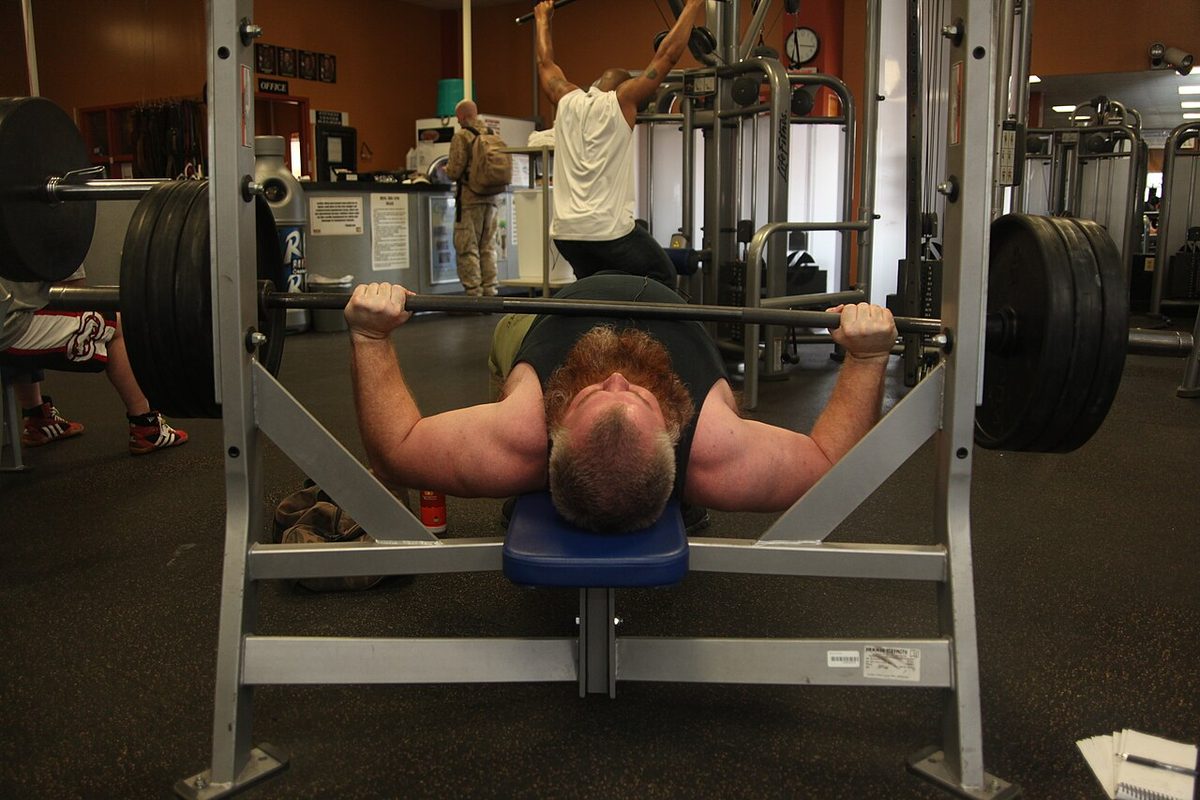
- Competing To Be Top Dog, Bench press club lifts moraleWikimedia Commons · Public-domain US Marine Corps photograph by Lance Cpl. Cory D. Polom used as a general illustration
General information, not medical advice. This review pooled small studies in healthy young adults, mostly men, and measured short-term sport performance only. It is not a recommendation to take caffeine or any supplement. Talk with your doctor or a registered dietitian before using caffeine supplements, especially if you are pregnant, have a heart condition, anxiety or sleep problems, or take medicines.
Analysis by NutroPractic from the sources listed. Written for general readers; it does not replace advice from your own doctor.
From our articles
Our guides on this subject
Plain-language guides on nutrition and wellness, backed by research.
Liver health
Fatty liver (MASLD): how much weight loss reverses it, and what coffee and alcohol do
About one adult in three has a fatty liver, and most find out by accident on a scan. Biopsy studies show how much weight loss clears the fat, calms the inflammation and even shrinks scarring. Here are the numbers, what diet and drinks do, the new medicines and the one blood test worth asking for.
30 Oct 2026
Heart health
Coffee and your heart: what the trials found on rhythm, blood pressure and sleep
For years people with palpitations or atrial fibrillation were told to give up coffee. Two randomised trials and cohorts of half a million people now point the other way, with three real exceptions: sleep, very high blood pressure and how the coffee is brewed.
30 Oct 2026
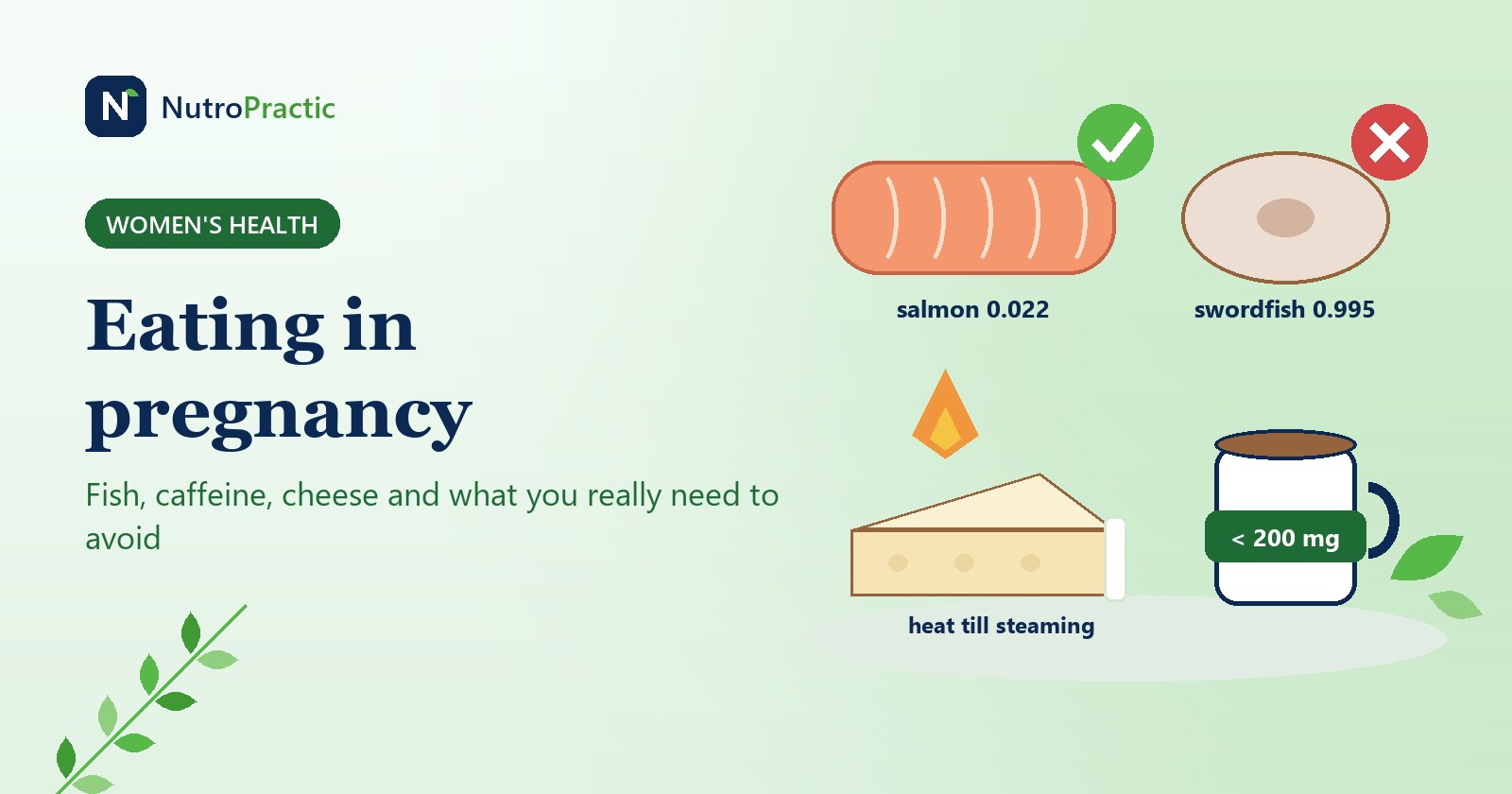
Women's health
Eating in pregnancy: fish, caffeine, cheese and what you really need to avoid
Most fish is encouraged in pregnancy, not banned: 8-12 oz a week from the low-mercury list. The mercury numbers per fish, what 200 mg of caffeine looks like in real cups, which cheeses carry the listeria risk and how many cases there actually are, why liver is on the list, and how much weight to gain for your BMI.
29 Oct 2026
Newsfeed for your website
Want this feed on your website?
Add it to any site with one copy-and-paste snippet. No sign-up, and it updates itself every hour.
Start with a virtual consultation
Tell Dr. Triveni what you want to change. You will leave with a clear next step, whether you are in Toronto, London, New York or Chennai.