Maternal and infant nutrition · October 31, 2026
A daily 400-calorie nutrition sachet in pregnancy, then while breastfeeding: 1,568 babies in Nepal had no growth advantage at six months
A large trial in rural southern Nepal tested a fortified peanut-based food during pregnancy, after birth, or both. The aim was to give babies a stronger start where undernutrition is common. At six months, neither timing made babies longer, heavier or less likely to be stunted. It is a useful reminder that a well-designed food supplement can still miss the outcome it was built to change.

In places where many women begin pregnancy short of food, energy and micronutrients, a daily ready-to-eat supplement can sound like an obvious way to help a baby grow. The World Health Organization recommends balanced energy-protein supplements for undernourished populations during pregnancy. What happens if that help continues through breastfeeding, when a baby's growth can falter quickly, has been much less clear.
The Maternal Infant Nutrition Trial, or MINT, tested that question in Sarlahi, rural southern Nepal. It used a 2 by 2 design: households were allocated to receive a fortified balanced energy-protein food during pregnancy or not, then allocated again after a live birth to receive it through the first six months of lactation or not. The daily portion was a 72-gram peanut-based paste designed to provide about 400 calories, 14 grams of protein and multiple micronutrients. Both groups also received the same nutrition, hygiene, breastfeeding and infant-care counselling, so the study was testing the added food rather than advice alone.
The new report followed 1,554 mothers and 1,568 infants who were randomised after delivery. At six months, there was no sign that either pregnancy supplements or lactation supplements changed average length for age, the main outcome. The estimated difference in length-for-age score was 0.01 for pregnancy supplementation (95% confidence interval -0.10 to 0.12) and -0.02 for lactation supplementation (-0.13 to 0.09). Those ranges include a small benefit, no difference and a small disadvantage. Weight for length, weight for age, head circumference, arm circumference and the proportions of babies who were stunted, wasted or underweight also showed no statistically clear difference. The subset measured again at 12 months did not change the picture.
This is not a result against good food in pregnancy or breastfeeding. The study tested one particular product, timing and setting, and it did not measure every possible benefit. It was unblinded, as food-versus-no-food trials usually have to be, and the paper's primary infant-growth analysis began after delivery, so it cannot settle every question about birth outcomes. But it was much larger than the small supplement trials that often shape expectations, and it deliberately separated pregnancy from lactation. Its plain finding is valuable: adding this fortified food did not, by itself, prevent early growth faltering. The authors say other strategies are needed alongside efforts to improve mothers' diets and food security.
Fortified balanced energy-protein food during pregnancy and/or lactation, MINT trial, southern Nepal (American Journal of Clinical Nutrition, 2026)
1,554
Mothers randomised after delivery
1,568
Infants included after delivery
2 × 2
Factorial trial: supplement during pregnancy, lactation, both or neither
72 g
Daily peanut-based paste portion, about 400 kcal and 14 g protein
0.01
Difference in length-for-age score at 6 months for pregnancy supplementation (95% CI -0.10 to 0.12)
-0.02
Difference in length-for-age score at 6 months for lactation supplementation (95% CI -0.13 to 0.09)
Length-for-age z-score compares a child's length with the WHO reference for children of the same age and sex. The reported estimates are unadjusted mean differences; neither supplementation period improved the primary outcome. The trial also found no statistically clear difference in weight, head or arm measurements, or stunting, wasting and underweight at 6 or 12 months.
- A 2 by 2 factorial trial can test two timings in one study and check whether their effects interact. MINT found no interaction between pregnancy and lactation supplementation on its main infant-growth outcome.
- The study allocated households rather than individual women in pregnancy, because joint families could otherwise share the food and blur the comparison.
- The food was designed as a ready-to-eat lipid-based peanut paste; it was not an ordinary peanut butter or a commercial infant food.
- All participating households received counselling on nutrition, hygiene, breastfeeding and infant care, whether or not they received the supplement.
- The trial's registration number is NCT03668977, and its protocol was published before these infant-growth results.
- Supplementation with fortified balanced energy-protein during pregnancy and lactation and infant growth outcomes in southern NepalAmerican Journal of Clinical Nutrition · Original randomized trial, published online 29 October 2026; results, confidence intervals and outcomes
- PubMed record PMID 42957052US National Library of Medicine · Structured abstract, trial design and primary result
- MINT trial registration NCT03668977ClinicalTrials.gov · Prospective trial registration
- MINT trial protocolBMJ Paediatrics Open · Supplement format, counselling and household-randomisation details
- Nationals Park - peanutsWikimedia Commons · CC0 photograph by Waz8 used as a general illustration
General information, not medical advice. This trial tested a specific fortified food in rural Nepal and did not show a growth benefit for infants at 6 or 12 months. Pregnancy and infant feeding needs vary; if you are pregnant, breastfeeding or concerned about a baby's growth, speak with your doctor, midwife or a registered dietitian.
Analysis by NutroPractic from the sources listed. Written for general readers; it does not replace advice from your own doctor.
From our articles
Our guides on this subject
Plain-language guides on nutrition and wellness, backed by research.
Women's health
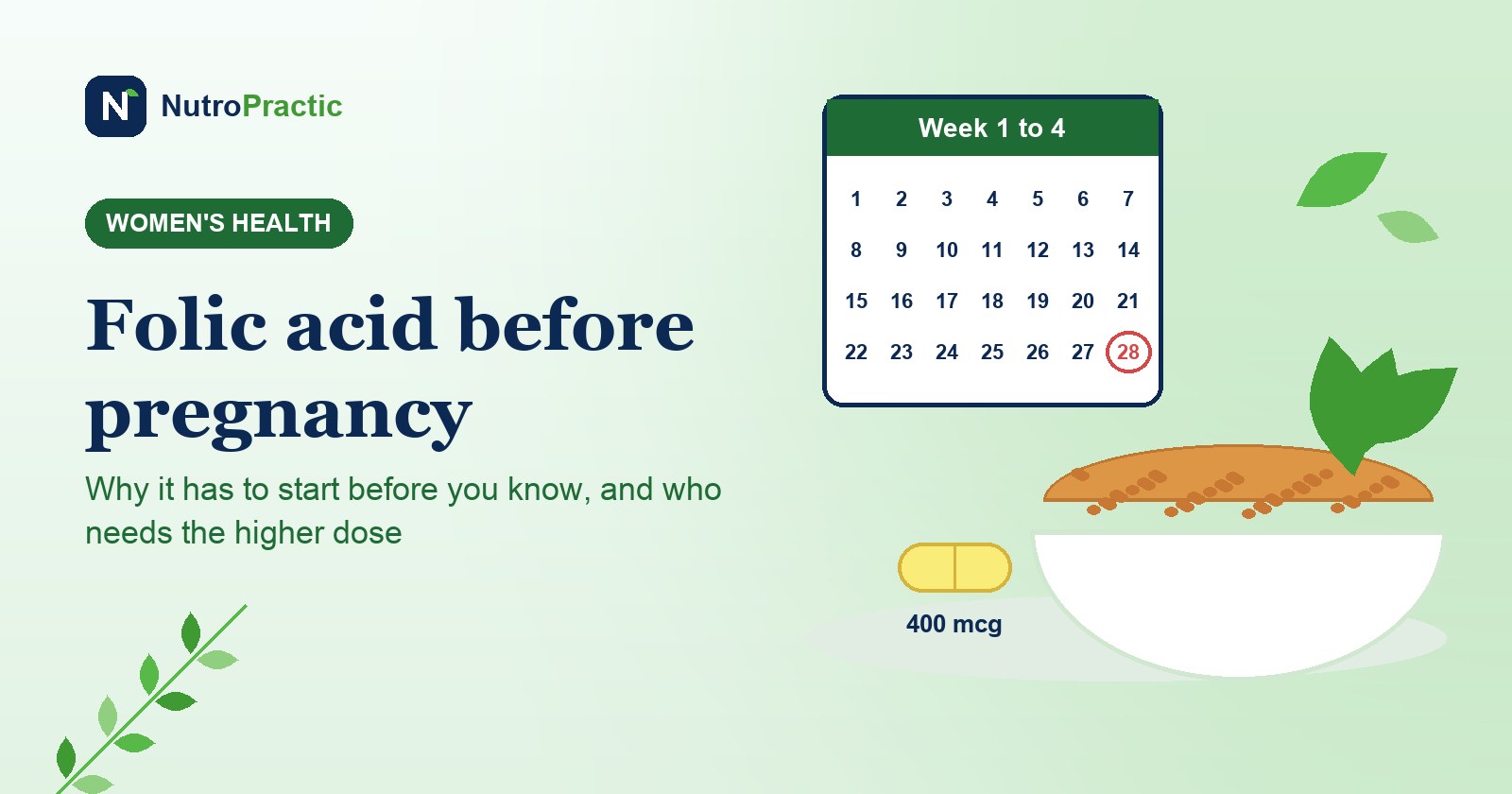
Folic acid before pregnancy: why it has to start before you know, and who needs the higher dose
The neural tube closes 26 to 28 days after conception, about six weeks after the last period and before many people know they are pregnant. Folic acid cut neural tube defects by about 72% in the 1991 MRC trial, yet only about a third of women take it beforehand. The dose, who needs 4 or 5 mg, what changed for higher BMI, fortified flour from the US to the UK's 2026 law, folate foods and the B12 link.
25 Oct 2026
Women's health
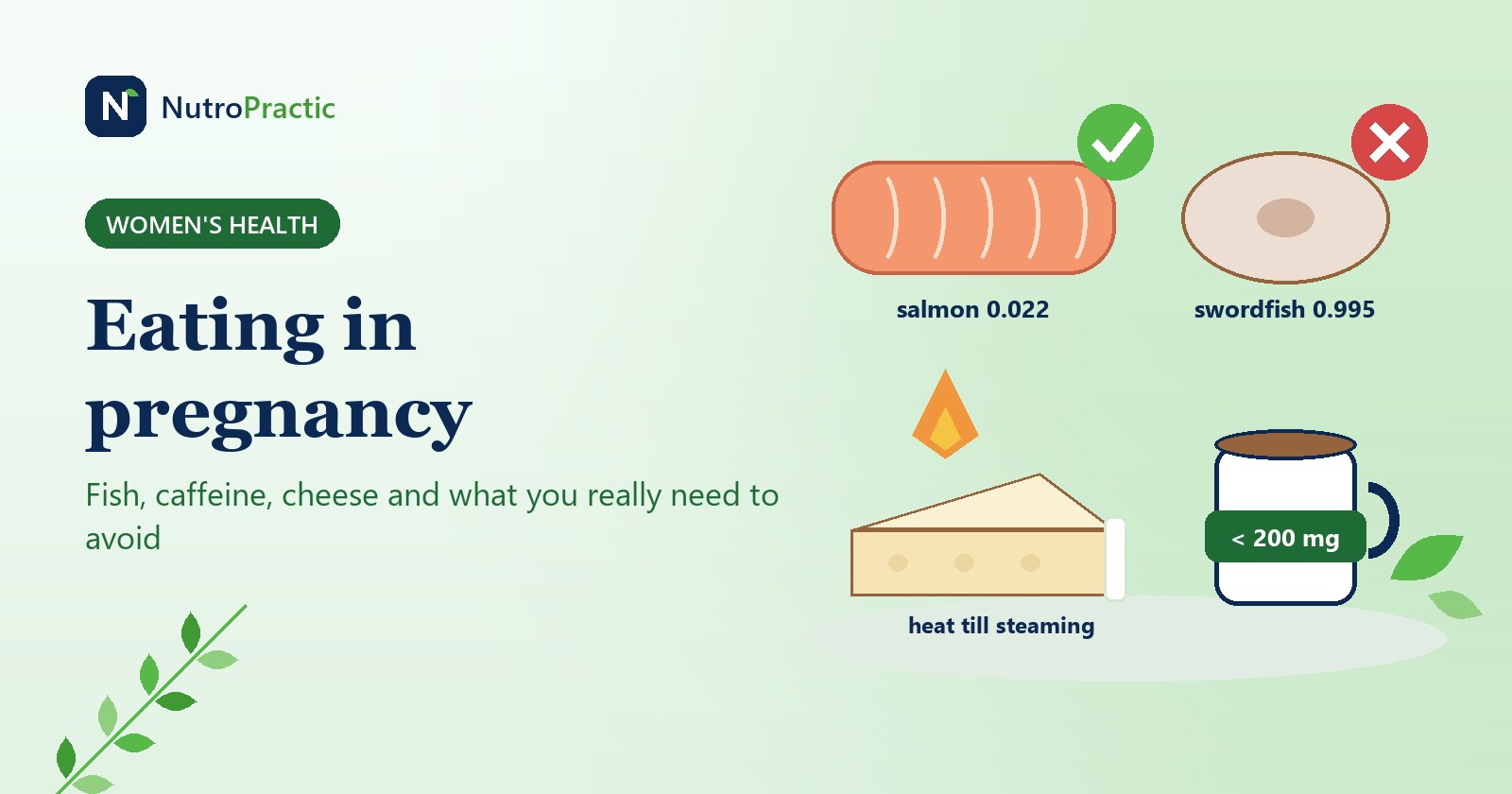
Eating in pregnancy: fish, caffeine, cheese and what you really need to avoid
Most fish is encouraged in pregnancy, not banned: 8-12 oz a week from the low-mercury list. The mercury numbers per fish, what 200 mg of caffeine looks like in real cups, which cheeses carry the listeria risk and how many cases there actually are, why liver is on the list, and how much weight to gain for your BMI.
29 Oct 2026
Global data
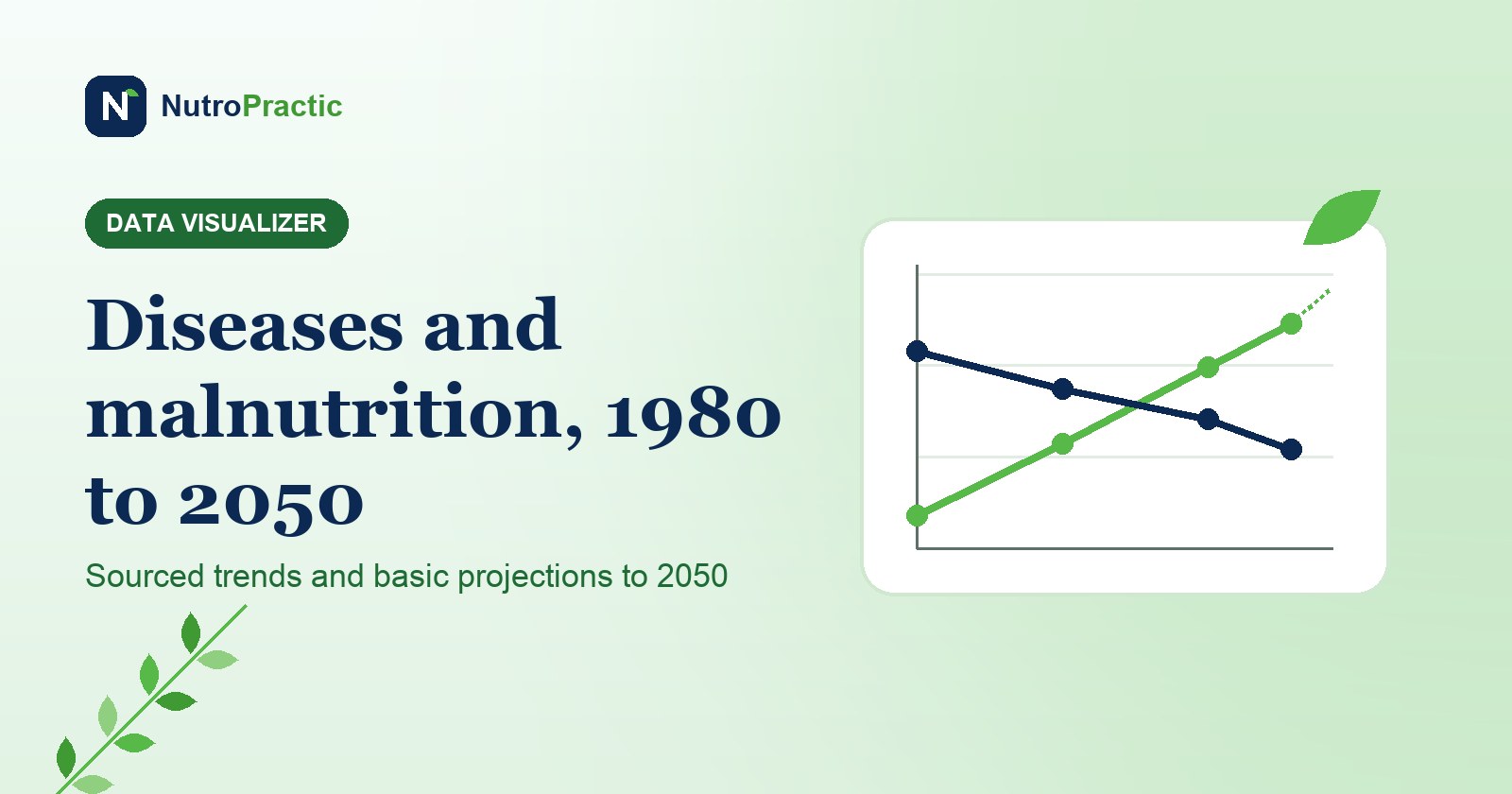
Diabetes, obesity, child malnutrition and hunger, 1980 to 2050: what the numbers show
How diabetes, obesity, child malnutrition and hunger have changed since 1980, with sourced figures and a basic projection to 2050. Click a condition to explore the chart and its facts.
5 Oct 2026
Newsfeed for your website
Want this feed on your website?
Add it to any site with one copy-and-paste snippet. No sign-up, and it updates itself every hour.
Start with a virtual consultation
Tell Dr. Triveni what you want to change. You will leave with a clear next step, whether you are in Toronto, London, New York or Chennai.