Blood pressure · October 31, 2026
At 3,825 metres in the Peruvian Andes, a better diet went with lower blood pressure only in people already treated for it
Nutritionists visited the homes of 154 adults with high blood pressure in Puno, Peru, and weighed what they had eaten the day before. Diet quality was low almost across the board, scoring under 16 out of 49 on average. Across everyone, better diets showed no clear link with blood pressure, but among people who knew their diagnosis and took medicine, each step up in diet quality went with about 4 mmHg lower systolic pressure.
Most of what we know about diet and blood pressure comes from studies at sea level in wealthy countries, where the DASH and Mediterranean diets have been tested again and again. Life in the high Andes looks very different: cold, thin air, a food culture built on potatoes and grains, and patchy access to clinics and medicines. A team from Johns Hopkins University, Universidad Peruana Cayetano Heredia, Washington University in St. Louis and partners in Puno set out to measure what adults with high blood pressure there actually eat, and whether eating better goes with lower readings.
Their study, published on 28 October in PLOS Global Public Health, used baseline data from the ANDES trial, which tests a hypertension programme run by community health workers in Puno, a region of southern Peru at 3,825 metres above sea level. Between February and August 2024, trained local nutritionists visited 154 adults with hypertension at home (average age 66.5, 52% women) and took a detailed account of everything they had eaten and drunk the day before, weighing food in the house where they could. Each diet was scored with the Global Diet Quality Score, which runs from 0 to 49 and rewards 16 healthy food groups, such as fruit, leafy greens, legumes and whole grains, while taking points off for 9 groups such as refined grains, sweets, sugary drinks and white roots and tubers. Blood pressure was measured three times with a validated digital monitor.
Diets were poor almost across the board. The average score was 15.7 out of 49, and only two people reached the 23 points linked with low risk; 43% scored under 15, the high-risk band. Few people ate deep orange fruit, cruciferous vegetables or low-fat dairy, and 135 of the 154 ate white roots and tubers, mainly potatoes, averaging 262 grams a day among those who did. There was a bright side: only 3 people ate processed meat, 14 ate bought fried food and 32 had sugary drinks. Across the whole group, a higher score showed no clear link with blood pressure once age, wealth, food security, weight, activity, alcohol and blood sugar were taken into account. Among the 102 people who knew they had hypertension and were taking medicine, though, each step up in diet-score quartile went with systolic pressure about 4.1 mmHg lower, and in the third quartile it was 18.2 mmHg lower than in the lowest.
The authors are careful about what this means. Diet and blood pressure were measured once, at the same time, so the study cannot show that the better diet lowered pressure. People who are diagnosed and treated may also keep appointments, take their tablets and follow lifestyle advice more closely, which could explain both the better diet and the lower readings. A single day's recall can miss usual eating, salt was not measured, the subgroup results were exploratory and not adjusted for multiple testing, and the formal test for a difference between the treated and untreated groups was not significant. The score also counts every potato as unhealthy, however it is cooked, which may unfairly drag down a diet where boiled potatoes are the staple and fries are rare. The team suggests that nutrition advice delivered at home by community health workers, built around local foods and cooking, belongs in hypertension programmes like the one ANDES is testing.
Diet quality and blood pressure in adults with hypertension, Puno, Peru (PLOS Global Public Health, 2026)
154
Adults with hypertension, average age 66.5, visited at home in 2024
3,825 m
Altitude of the Puno region above sea level
15.7 / 49
Average Global Diet Quality Score; only 2 people reached the low-risk 23 points
66%
Aware of their hypertension and taking medicine (102 of 154)
-4.1 mmHg
Systolic pressure per step up in diet-score quartile, treated group (95% CI -7.7 to -0.5)
1,305 kcal
Median energy intake in the day recalled (IQR 854 to 1,689)
Cross-sectional baseline data from the ANDES trial (NCT05524987). Across all participants, diet score was not clearly linked with systolic or diastolic pressure. The treated-group results come from exploratory analyses adjusted for age, sex, wealth, food security, education, occupation, BMI, physical activity, alcohol and HbA1c, and were not corrected for multiple testing. Diet came from a single 24-hour recall; salt intake was not measured.
- More than 70% of people in the Puno region are of Aymara or Quechua descent, according to the study.
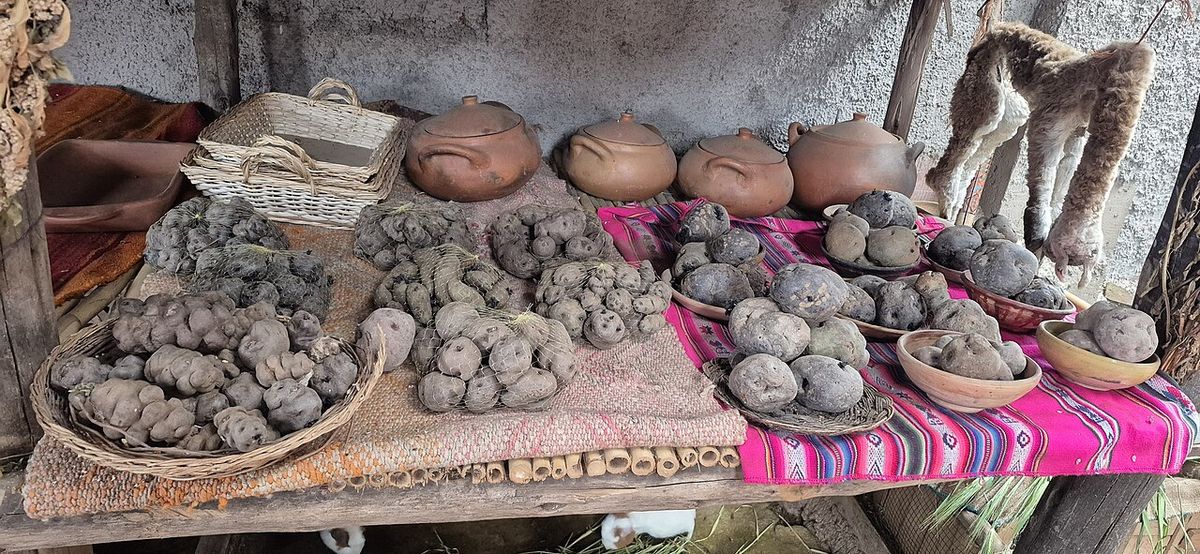
- Potato intake in the high Andes can reach up to 1 kg per person a day in some seasons, and potatoes supply much of the potassium, zinc and protein in local diets, the authors note.
- The Global Diet Quality Score files Andean grains such as quinoa, kiwicha and cañihua under whole grains, but most Andean tubers under white roots and tubers, which lose points.
- Other countries scored in a similar range on the same diet score in earlier studies: 14.5 in Brazil, 16.4 in Mexico and 17.9 in Vietnam.
- Of the 102 treated participants, about two in three (68%) had their blood pressure under 140/90 mmHg.
- Diet quality and blood pressure among adults with hypertension living in a high-altitude region of the Peruvian AndesPLOS Global Public Health · Original study, published 28 October 2026, open access under CC BY
- Full text, PMC13716217PubMed Central, US National Library of Medicine · Methods, food group intakes, quartile results, hypertension control and limitations
- PubMed record PMID 42949988US National Library of Medicine · Structured abstract
- ANDES trial registration NCT05524987ClinicalTrials.gov · Parent trial of a community health worker hypertension programme in Puno
- Types of Potatoes in PeruWikimedia Commons · CC BY 4.0 photograph by Cathetovar used as a general illustration
General information, not medical advice. This cross-sectional study shows links between diet quality and blood pressure, not that one causes the other. If you have high blood pressure, keep taking any prescribed medicine and talk with your doctor or a registered dietitian before changing your diet or treatment.
Analysis by NutroPractic from the sources listed. Written for general readers; it does not replace advice from your own doctor.
From our articles
Our guides on this subject
Plain-language guides on nutrition and wellness, backed by research.
Micronutrients
Iodine: the nutrient that plant-based milks and sea salt left out
Iodine runs the thyroid and builds a baby's brain, and in the UK, much of Europe and parts of North America women of childbearing age are now mildly short of it. The reason is often a healthy-looking swap: oat milk for dairy, sea salt for table salt. Where iodine comes from, who needs more, and the seaweed trap.
30 Oct 2026
Heart health
Coffee and your heart: what the trials found on rhythm, blood pressure and sleep
For years people with palpitations or atrial fibrillation were told to give up coffee. Two randomised trials and cohorts of half a million people now point the other way, with three real exceptions: sleep, very high blood pressure and how the coffee is brewed.
30 Oct 2026
Kidney health
Kidney stones and food: calcium, oxalate, salt, citrate and how much to drink
After a kidney stone, most people are told to cut out dairy. A five-year trial showed that low-calcium diets make calcium stones more likely to come back, not less. Here is what the evidence supports: how much to drink, why calcium belongs with meals, the few high-oxalate foods that matter, salt, meat, lemons, and the 24-hour urine test.
18 Oct 2026
Newsfeed for your website
Want this feed on your website?
Add it to any site with one copy-and-paste snippet. No sign-up, and it updates itself every hour.
Start with a virtual consultation
Tell Dr. Triveni what you want to change. You will leave with a clear next step, whether you are in Toronto, London, New York or Chennai.