Newsfeed
Nutrition research, analysed
A new analysis every hour. Each one covers a recent study or report: What was found, the numbers behind it and the sources to check. We write about research from the last two weeks, not the news of the day.

Bone health · October 20, 2026
Do calcium and vitamin D pills make children grow taller? 16 trials, about 2,100 children: no clear gain in height or weight, and only a sliver more bone
Calcium and vitamin D are often sold to parents as growth helpers. A new review of 16 randomised trials in healthy children aged 3 to 17 put that idea to the test. The height result was flat, the bone result was real but tiny, and the authors end with clear advice on who actually needs a supplement.
Read the analysis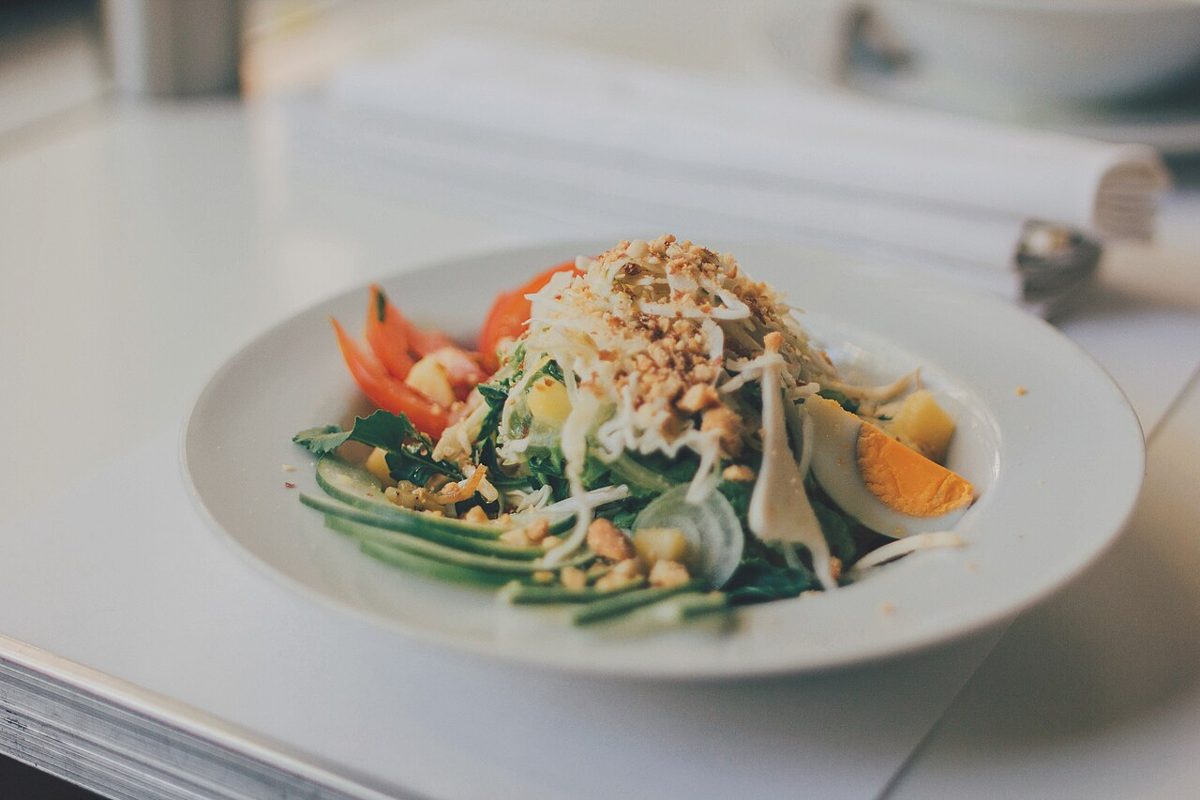
Cancer prevention · October 20, 2026
Six ways to score a healthy diet, 118,056 British adults, 13 years of cancer records: five of the scores went with less bowel, lung or kidney cancer. The low-carb score went with none
Nutrition scientists have built a shelf of diet scores: Mediterranean, DASH, anti-inflammatory and more. A UK Biobank study put six of them side by side against 14 kinds of cancer. The overlap between them turned out to be more telling than the winner, and the one score that never showed up deserves a second look.
Read the analysis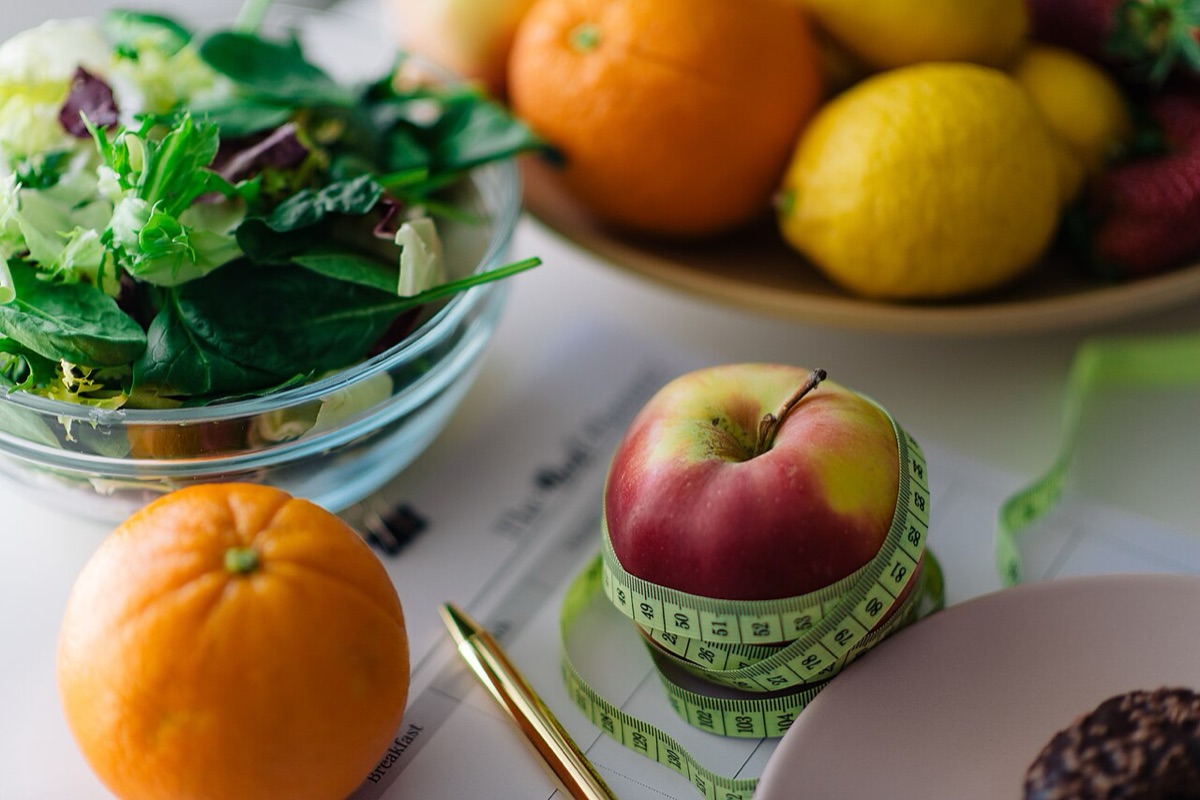
Weight management · October 20, 2026
56,093 French adults lost a median 11 kg on a dietitian-led programme. Four years on, the ones who came back to be weighed were still 7.8 kg down. Only 1 in 12 came back
A study from one of France's largest weight-loss networks reports results most diets never get near: big losses, and most of them still there four years later. The numbers are real. So is the question hiding behind them, and the authors were honest enough to run the test that answers it.
Read the analysis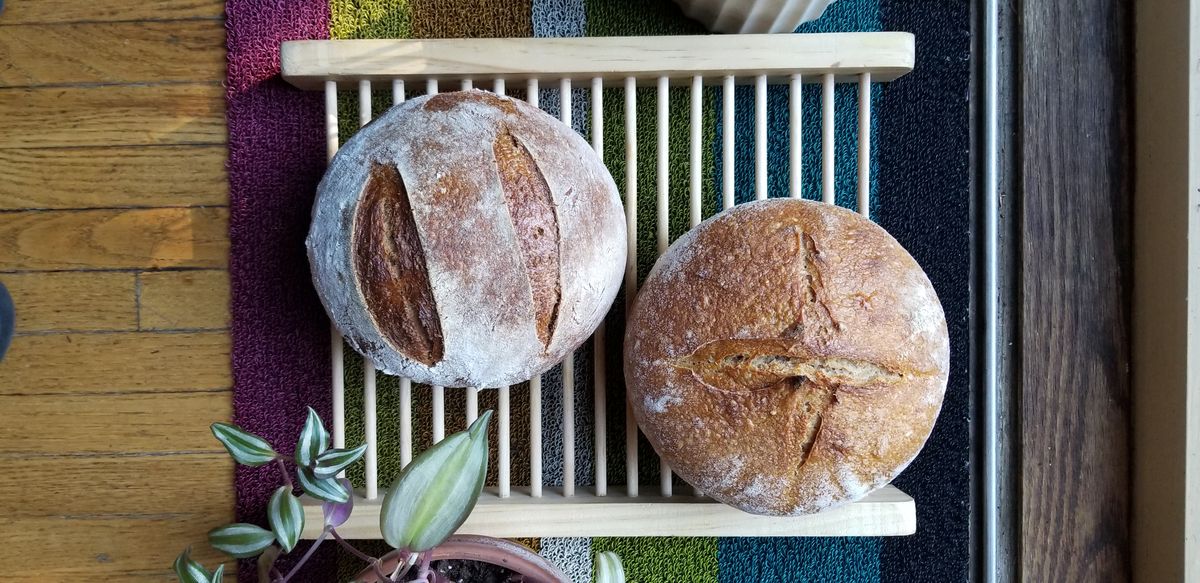
Blood sugar · October 20, 2026
Five breads, 12 young adults, one finger-prick meter: the wholemeal flours with six times the fibre didn't give the gentlest blood sugar curve. A refined flour mixed with berry and vegetable extracts did
Ask most people which bread is kindest to blood sugar and they'll point to the dark, wholemeal, old-grain loaf. Researchers in Türkiye baked five breads from five flours off the supermarket shelf and fed each one to the same 12 people. The ranking didn't follow the fibre on the label, and the study's own caveats are as interesting as its result.
Read the analysis
Child health · October 19, 2026
141 babies treated for severe vitamin B12 deficiency at one Indian children's hospital. Within months of treatment, 31 of the 112 who could be followed had developed epilepsy
A baby who is breastfed by a mother short of vitamin B12 can slip behind, go pale and floppy, and lose skills they already had. The injections that follow usually bring them back. A cohort from Chandigarh followed these children for about four years and counted what the injections could not undo.
Read the analysis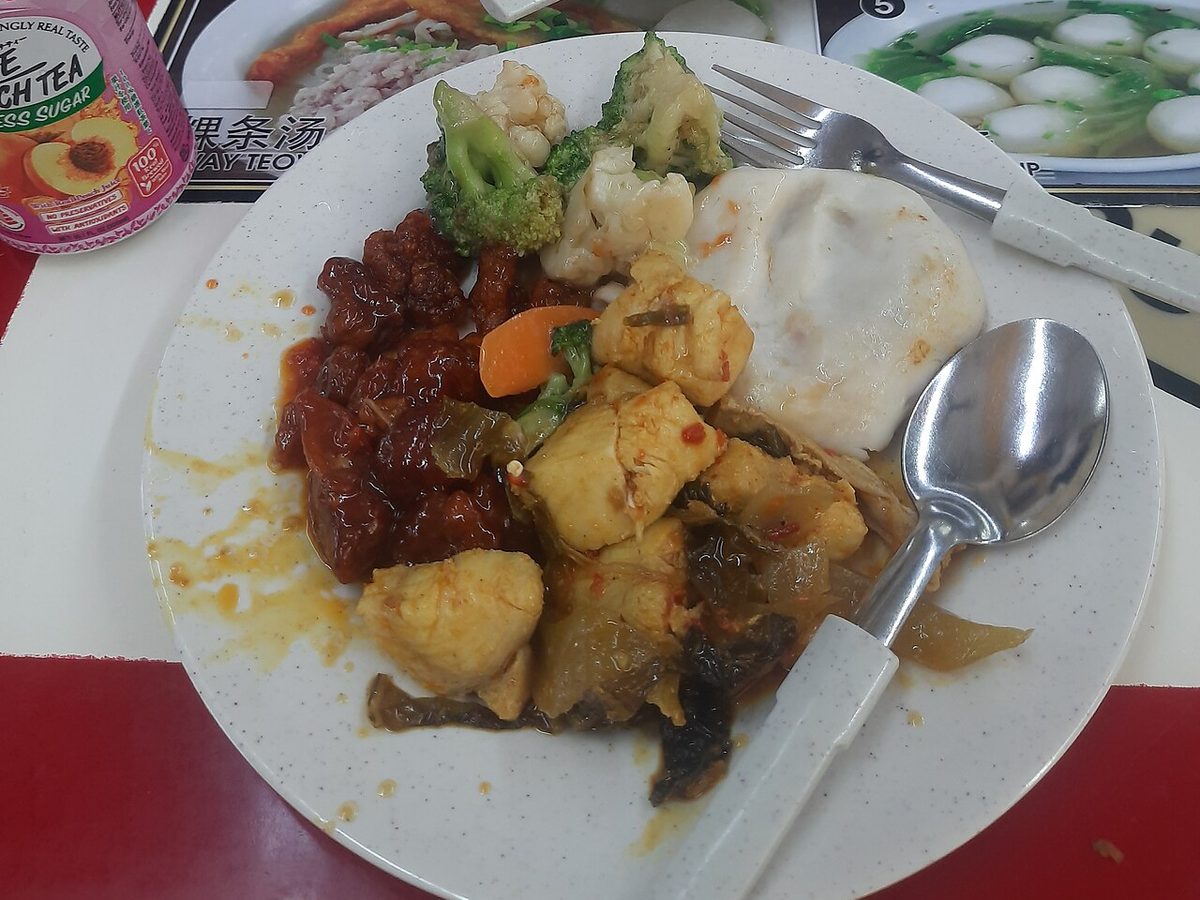
Diabetes and technology · October 19, 2026
150 plates of Singapore food, weighed by a dietitian, then photographed for two AIs. A purpose-built app landed within 10 g of the carbs four times in five; ChatGPT-5 managed about seven in ten
People who dose insulin at mealtimes have to guess the carbohydrate on every plate, and a photo-reading app sounds like the answer. A hospital team in Singapore put one such app and ChatGPT-5 up against a dietitian with a kitchen scale. Both came close on a banana. On a plate of economy rice, the gap opened up.
Read the analysis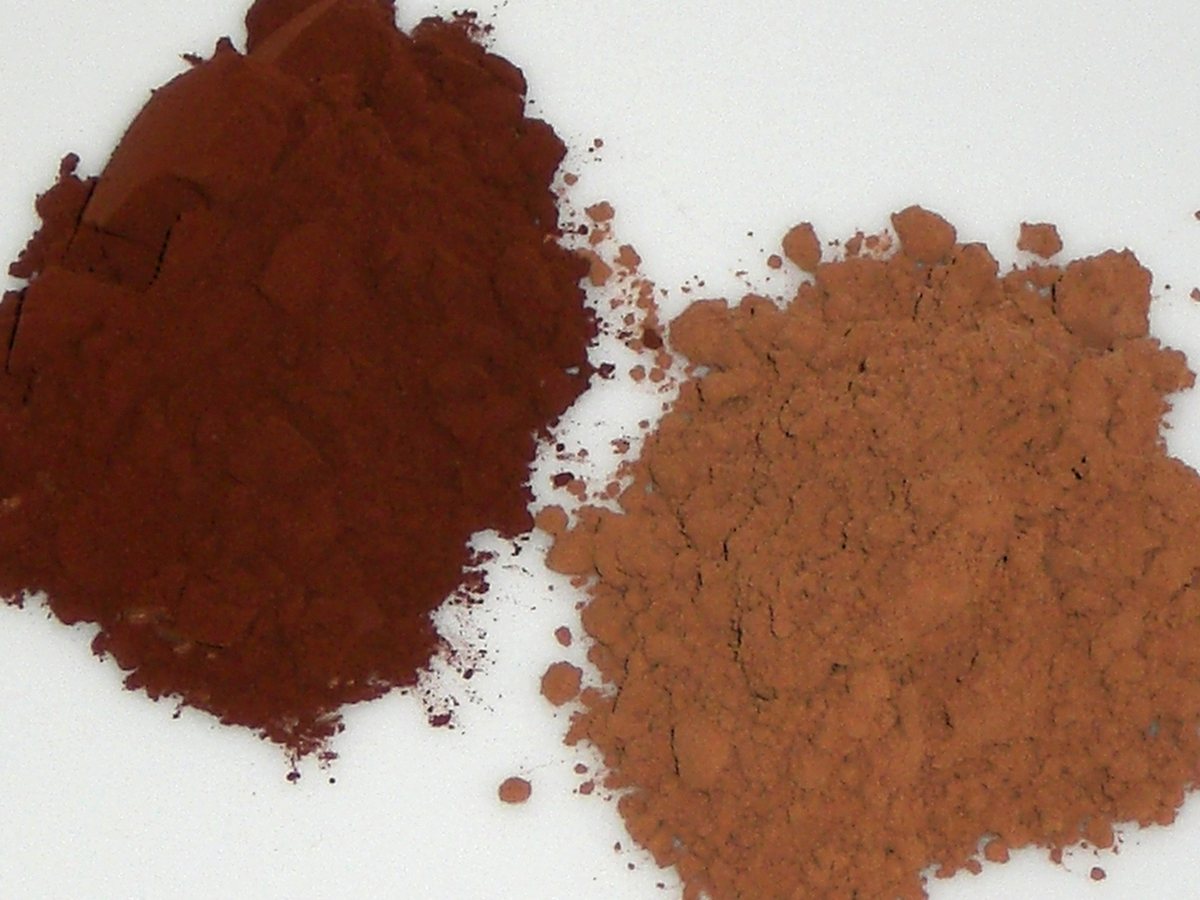
Brain health · October 19, 2026
48 students drank a cocoa packed with 710 mg of flavanols, a cocoa with none, or sugar water, a week apart. On two attention tests, the flavanols made no measurable difference
Cocoa flavanols are often sold as a quick brain boost, and a few small studies have found sharper attention within hours of a dose. Researchers in Türkiye ran a carefully blinded, pre-registered test with a well-matched dummy drink. The result was flat. Here's how they tested it, and what it does and doesn't rule out.
Read the analysis
Pregnancy nutrition · October 19, 2026
36 women with severe pregnancy sickness wrote down everything they ate and drank for a day. The median came to about half the energy they needed, and none reached their iron, iodine or folate
Hyperemesis gravidarum is far worse than ordinary morning sickness, and few studies have measured what it does to a pregnant woman's diet. A team in Dublin asked women arriving at a maternity hospital's day unit to fill in a 24-hour food and fluid diary. The gaps were large, and they grew with the vomiting. Here's what they found and what it means.
Read the analysis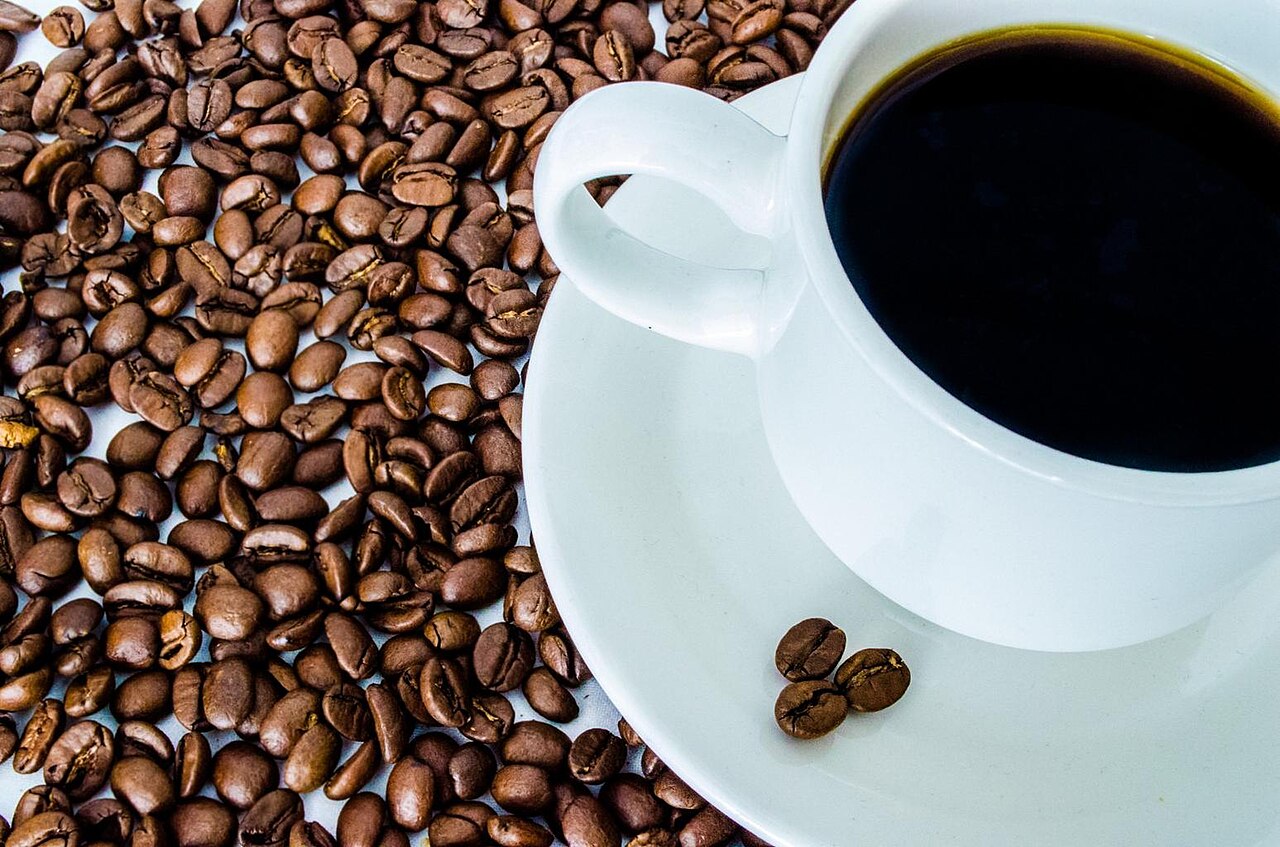
Men's health · October 19, 2026
929 men trying for a baby tested their own semen at home and logged every coffee, tea, soda and energy drink. Two or more cups' worth of caffeine a day made no clear difference
Men hoping to become fathers are often told to cut back on coffee. A Boston University team looked at 1,668 semen samples from men in a US pregnancy-planning study and compared them with how much caffeine each man drank. The heaviest drinkers did not come out clearly worse on any measure. Here's what the study can and can't tell you.
Read the analysis
Gut health · October 19, 2026
75 vegans, 75 meat-eaters, one deep look inside the gut: the vegans had fewer bacterial species, but the ones they had lined up with better blood sugar, cholesterol and inflammation
A team in Copenhagen sequenced the gut microbes of 150 healthy Danish adults and measured hundreds of chemicals in their stool, blood and urine. The vegans' guts were less varied, which usually counts as a bad sign. Yet their microbes, their viruses and even a tiny gut protist pointed the other way. Here's what the study found, and why it can't tell you to go vegan.
Read the analysis
Diabetes · October 19, 2026
54,313 Danes, 15 years: those whose diet came closest to the new Nordic guidelines were 37% less likely to get type 2 diabetes
In 2023 the Nordic countries rewrote their official advice on what to eat: mostly plants, plenty of fish, less red meat, and for the first time a nod to the planet as well as your health. Danish researchers went back to food questionnaires from more than 54,000 middle-aged adults and scored them against that advice. Fifteen years on, the best-scoring group had far fewer cases of type 2 diabetes. Here's what the study can and can't tell us.
Read the analysis
Cholesterol · October 19, 2026
Plant sterols are sold to lower cholesterol. In 23 adults with obesity in Valencia, two grams a day for eight weeks did nothing to their LDL
Plant sterols are one of the few supplements with an officially approved cholesterol claim in Europe: a couple of grams a day is meant to trim LDL by 7 to 12%. But most of that evidence comes from people of normal weight. Spanish researchers gave the same daily dose to adults with obesity and mildly high cholesterol, then swapped them onto a dummy powder. LDL barely moved either way. Here's why that might be, and what it does and doesn't mean.
Read the analysisFrom our articles
Read, then eat a little better
Plain-language guides on nutrition and wellness, backed by research.

Women's health
Inositol for PCOS: the 40:1 ratio, trial doses, and food milligrams
Why do randomized trials in polycystic ovary syndrome prioritize the 40:1 myo to D-chiro inositol ratio? Here is the science behind the ovarian epimerase paradox, clinical ovulation and insulin metrics, and why cantaloupe cannot replace 4,000 mg trial powder.
21 Nov 2026

Everyday eating
Extra virgin olive oil polyphenols: the EU health claim, smoke point myths, and cooking stability
Does extra virgin olive oil degrade when cooked? What does the EU 5 mg polyphenol health claim require, how does oleocanthal act like ibuprofen, and why does oxidative stability matter more than smoke point in domestic frying? Here is the clinical and culinary data.
21 Nov 2026

Food and nutrition
L-theanine and caffeine: what cognitive trials measured on sustained attention, and milligrams in matcha vs green tea
Combining L-theanine with caffeine produces clean focus without caffeine jitters. Here is what randomized trials measured on attention-switching, EEG alpha brain waves, and the exact milligrams across ceremonial matcha, culinary powder, gyokuro, and sencha.
20 Nov 2026
Start with a virtual consultation
Tell Dr. Triveni what you want to change. You will leave with a clear next step, whether you are in Toronto, London, New York or Chennai.