Newsfeed
Nutrition research, analysed
A new analysis every hour. Each one covers a recent study or report: What was found, the numbers behind it and the sources to check. We write about research from the last two weeks, not the news of the day.
Nuts · October 21, 2026
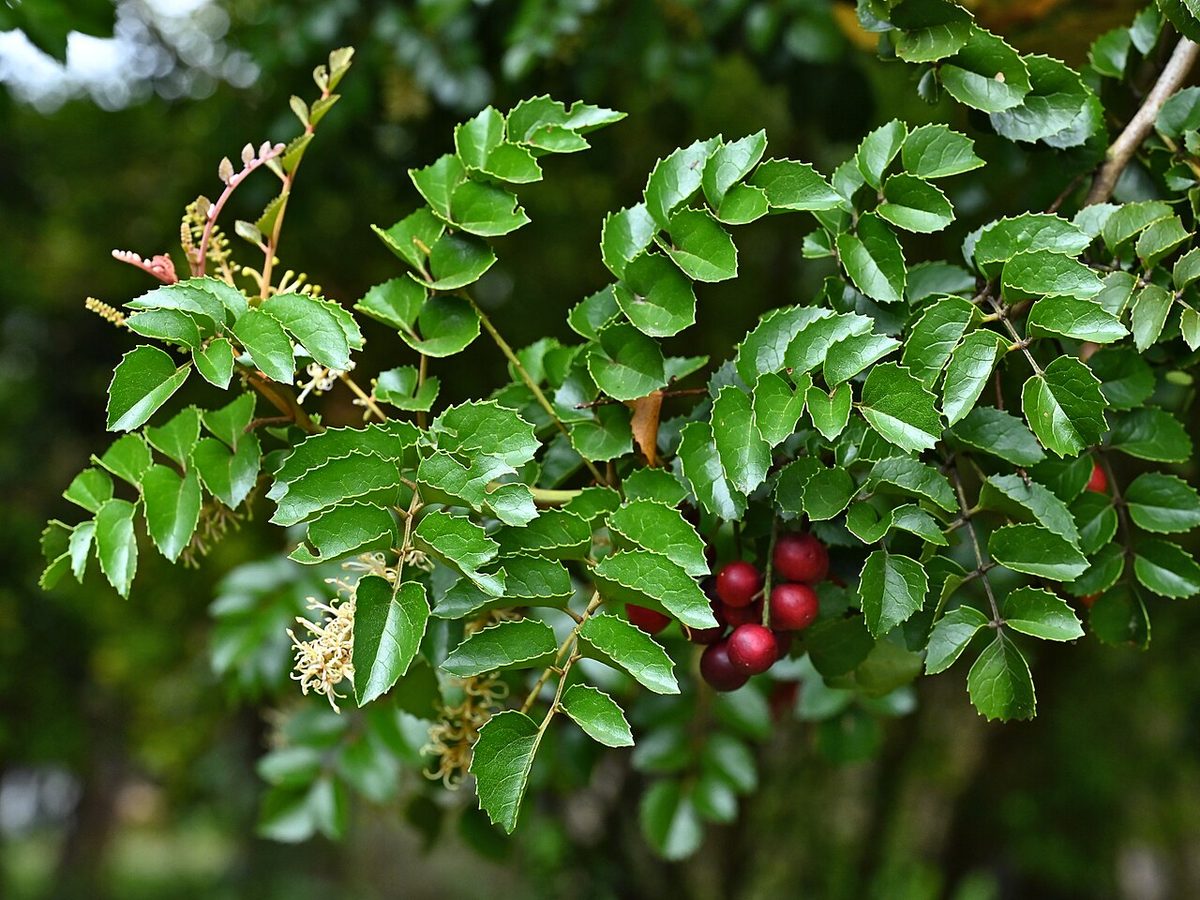
Six months of Chilean hazelnuts in a Mediterranean-style diet: the immune cells of 81 adults with high cholesterol showed far less oxidative damage. So did the cells of the people simply told to cut fat
A trial in Concepción, Chile, gave one group 30 g a day of a native nut, Gevuina avellana, on a diet with about 40% of calories from fat, and another a standard low-fat plan. In white blood cells, the main markers of damaged fat and damaged protein fell by more than half in both groups and antioxidant enzymes rose. The nut diet pulled ahead on three of the 14 measures, which shows how hard it is to credit any of this to the nut.
Read the analysis
Plant-based diets · October 21, 2026
Eating mostly plants did nothing for survival in 5,872 older Chinese adults once the researchers allowed for age and lifestyle. Which plants they ate did: whole grains, vegetables and beans went with fewer deaths, white rice, pickles and sugar with more
A cohort from China's long-running longevity survey, followed for about nine years, was scored three ways on its plant-based eating. The plain 'more plants, less meat' score looked protective at first and then vanished in the adjusted analysis. The two scores that split plant foods into better and worse kept their link with death rates, although the gaps were modest and a check for who was left out of the study weakened them.
Read the analysis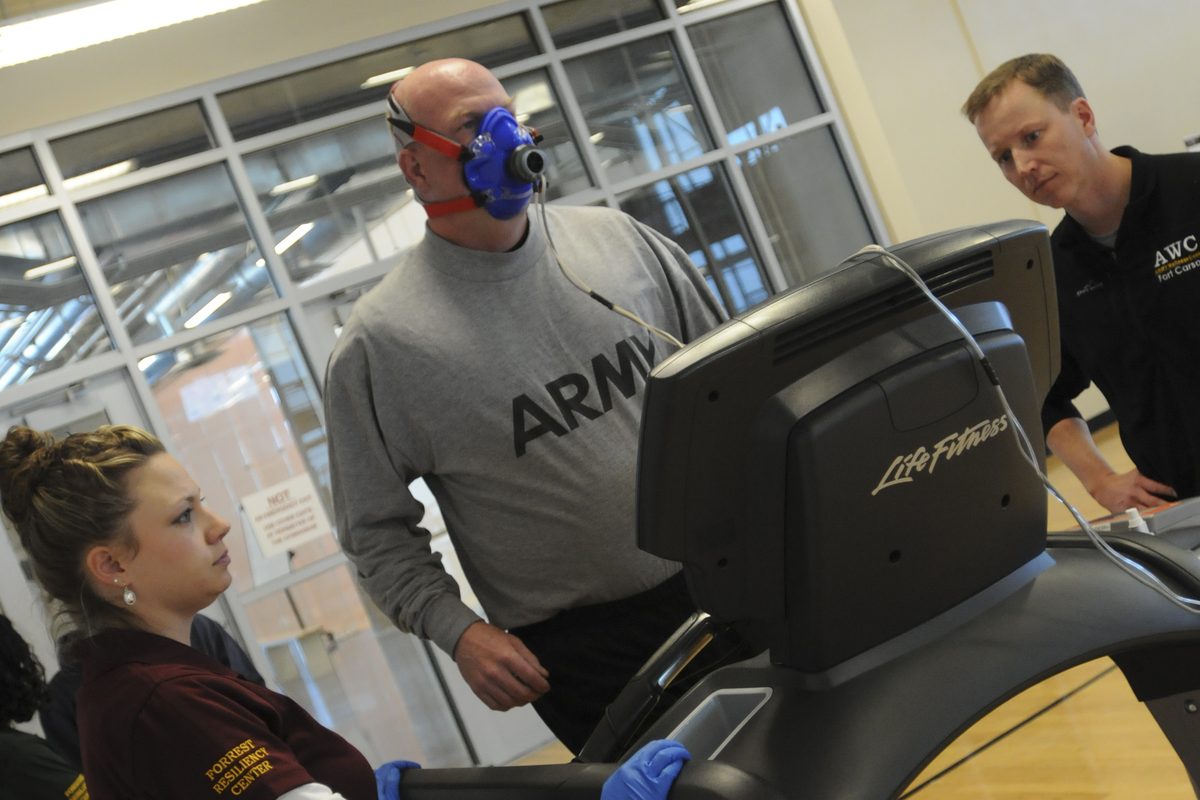
Probiotics · October 21, 2026
36 Korean athletes took an eight-strain probiotic or a look-alike powder for a week each. On the probiotic they lasted about 33 seconds longer on a treadmill test, but their oxygen uptake did not budge, and the placebo week brought gains too
Taekwondo, hockey and badminton players ran to exhaustion before and after a week on a high-dose probiotic, and again on a placebo. The probiotic week came out ahead on time to exhaustion and on one antioxidant enzyme. Their VO2max, lactate clearance and a marker of oxidative damage did not change, and the trial was registered only after it ended.
Read the analysis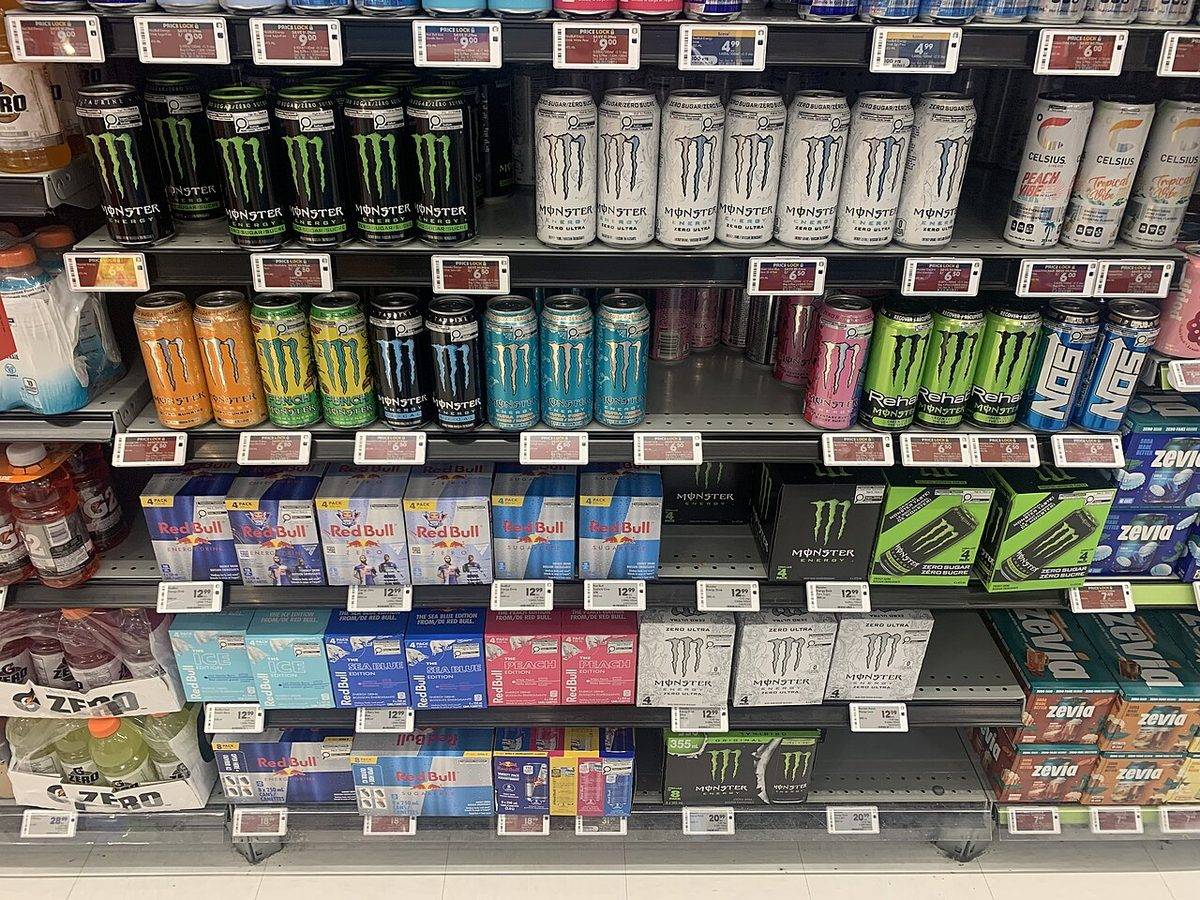
Energy drinks · October 20, 2026
404 students at an Italian university, most of them training for health careers: more than a third took supplements and over a quarter drank energy drinks, yet only 17 did both. The two habits came from different places
You might expect the student with a can of energy drink in one hand to have a tub of protein powder at home. In a survey at a university in southern Italy, that person barely existed. Supplements went with the gym, mostly weight training; energy drinks went with being male, drinking more coffee and playing in a sports team.
Read the analysis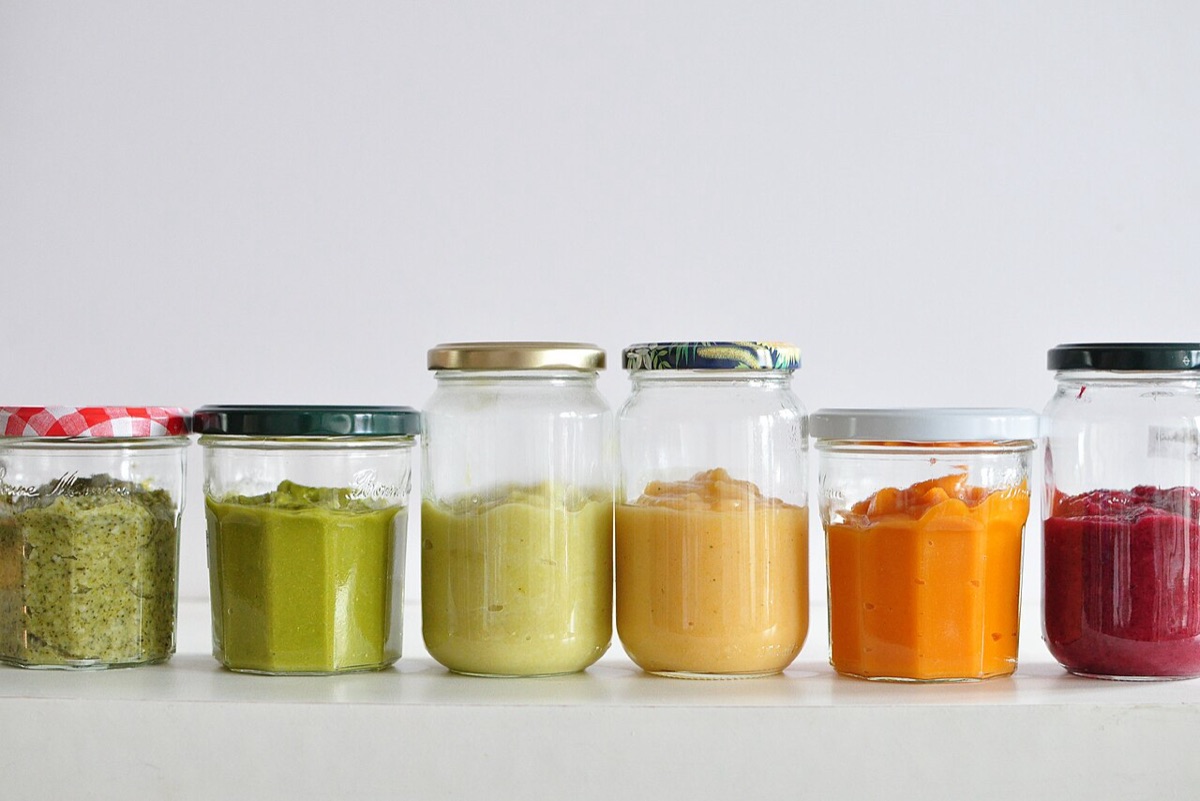
Healthy ageing · October 20, 2026
100 older adults at Singapore day-care centres: more than half said chewing or swallowing was hard, and two in three of those had never been offered softer food. Then a panel tasted purees set back into the shape of dumplings and cake
Pureed meals for people who struggle to swallow usually arrive as a row of coloured mush. A Singapore team asked older adults what they like to eat, found that those with chewing or swallowing trouble wanted the same dishes as everyone else, and then moulded familiar food back into its own shape. A small tasting panel rated the marble cake 6.6 out of 7.
Read the analysis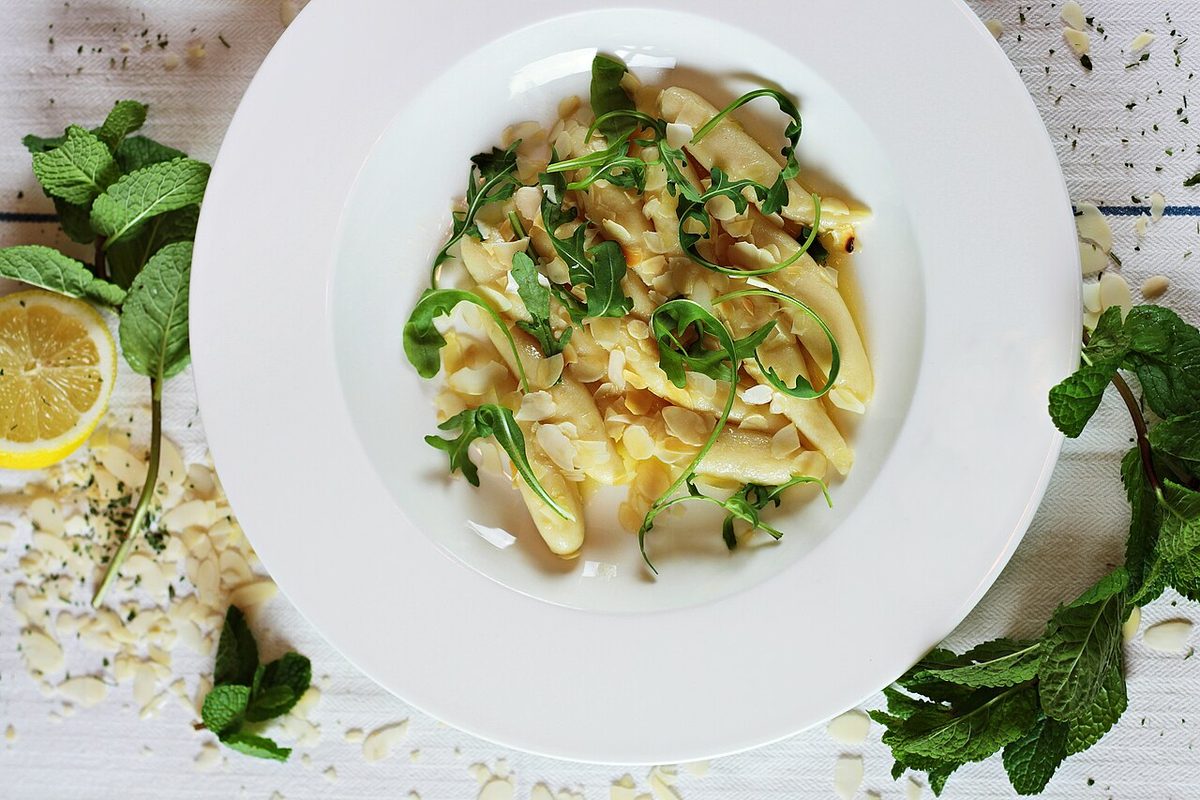
Coeliac disease · October 20, 2026
85 adults checked for coeliac disease at one Bucharest clinic: those who had been gluten-free for years were heavier and more often had a fatty liver than the newly diagnosed. Once weight was taken into account, being on the diet explained none of the gap
A Romanian team scanned the livers of people with coeliac disease at diagnosis and after at least two years without gluten. On the diet, a third had a fatty liver against under a fifth at diagnosis, and in ten people scanned twice the liver fat reading went up. But the groups were small, the gaps were not statistically clear, and body weight, not the diet itself, was what tracked with liver fat.
Read the analysis
Weight and relationships · October 20, 2026
10,716 married Chinese adults, up to 45 years of marriage: BMI crept up for about the first 24 years and then eased back, the climb was steeper in men, and for husbands a happier marriage meant a gentler one
Three researchers went through four rounds of a national Chinese household survey to ask whether the length of a marriage, not just being married, tracks with weight. It did, in an arch: up for roughly two and a half decades, then down. By our arithmetic the peak is only about 2 to 3 kg above the wedding year, the weights were self-reported, and the comparison is mostly between people married for different lengths of time.
Read the analysis
Dietary fats · October 20, 2026
1,498 Chinese adults gave one blood sample and were weighed again about eight years later. Those with more monounsaturated fat in their blood were less likely to gain 5% or more, and more omega-6 went the other way, yet the same blood said the opposite about who was already overweight
Researchers in Xi'an went back to the China Kadoorie Biobank to ask whether the mix of fats in the blood comes before weight gain. One in three put on at least 5% of body mass index. A higher share of monounsaturated fat went with a 13% lower risk for each step up, and omega-6 with 12% higher, but the omega-6 link faded under other definitions of weight gain and neither fat said anything about waistlines.
Read the analysis
Eye health · October 20, 2026
46 young adults swallowed 200 mg of caffeine, about two cups of filter coffee, and had their eyes scanned for an hour. The blood-rich layer behind the retina thinned by 8.5% and was still thinning when the scans stopped
Eye doctors in southern Italy scanned the same eye three times in one morning: before a caffeine tablet, half an hour after and an hour after. The choroid, the spongy layer of blood vessels that feeds the back of the eye, shrank at every step. The retina's own tiny vessels and the blood supply to the optic nerve showed no measurable change.
Read the analysis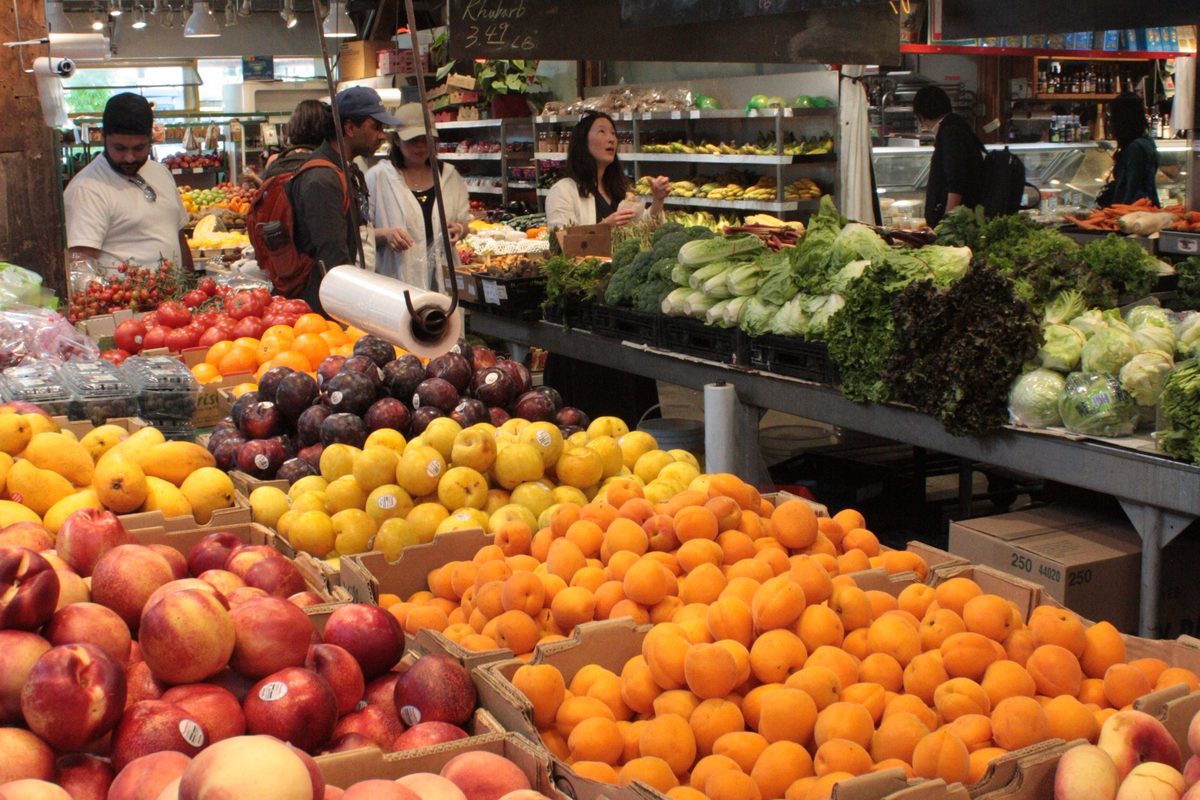
Social life and diet · October 20, 2026
11,900 Canadians over 45 who ate fruit or vegetables every day: six years on, the ones whose social lives had narrowed were more likely to have dropped the daily habit, and the strongest links turned up in better-off women
Researchers in Vancouver followed people from the Canadian Longitudinal Study on Aging through three rounds of interviews, tracking how many kinds of social activity they kept up and whether they still ate fruit and vegetables every day. Fewer social ties went with losing the daily fruit habit in both sexes. The surprise was who seemed most affected: not the poorest, but women with higher incomes.
Read the analysis
Energy balance · October 20, 2026
158 Marine Corps recruits, every meal tray photographed: on routine boot camp days the women burned 17% more energy than they ate and the men 8%, and the bigger the gap, the more body fat they lost
Ten weeks of US Marine Corps boot camp is one of the most demanding eating-and-training settings anyone volunteers for. Researchers photographed recruits' trays before and after meals, collected their ration wrappers and strapped heart-rate watches to their wrists. Women ran the bigger shortfall on ordinary days, and the final three-day test pushed everyone deep into deficit.
Read the analysis
Teen health · October 20, 2026
27,104 Korean teenagers: the ones who watched mukbang eating videos almost every day were more likely to drink sugary drinks 7 or more times a week. Boys among them had four times the odds of drinking 'zero' sodas that often
Mukbang, videos of people eating big meals on camera, is a fixture of teenage screen time in Korea. A new analysis of a national survey asked whether heavy viewers drink differently. They did, for both sugary and sugar-free drinks, and the gap was widest in boys and in younger teens, not where the researchers expected.
Read the analysisFrom our articles
Read, then eat a little better
Plain-language guides on nutrition and wellness, backed by research.

Women's health
Inositol for PCOS: the 40:1 ratio, trial doses, and food milligrams
Why do randomized trials in polycystic ovary syndrome prioritize the 40:1 myo to D-chiro inositol ratio? Here is the science behind the ovarian epimerase paradox, clinical ovulation and insulin metrics, and why cantaloupe cannot replace 4,000 mg trial powder.
21 Nov 2026

Everyday eating
Extra virgin olive oil polyphenols: the EU health claim, smoke point myths, and cooking stability
Does extra virgin olive oil degrade when cooked? What does the EU 5 mg polyphenol health claim require, how does oleocanthal act like ibuprofen, and why does oxidative stability matter more than smoke point in domestic frying? Here is the clinical and culinary data.
21 Nov 2026

Food and nutrition
L-theanine and caffeine: what cognitive trials measured on sustained attention, and milligrams in matcha vs green tea
Combining L-theanine with caffeine produces clean focus without caffeine jitters. Here is what randomized trials measured on attention-switching, EEG alpha brain waves, and the exact milligrams across ceremonial matcha, culinary powder, gyokuro, and sencha.
20 Nov 2026
Start with a virtual consultation
Tell Dr. Triveni what you want to change. You will leave with a clear next step, whether you are in Toronto, London, New York or Chennai.