Newsfeed
Nutrition research, analysed
A new analysis every hour. Each one covers a recent study or report: What was found, the numbers behind it and the sources to check. We write about research from the last two weeks, not the news of the day.
Inherited metabolic disorders · October 21, 2026
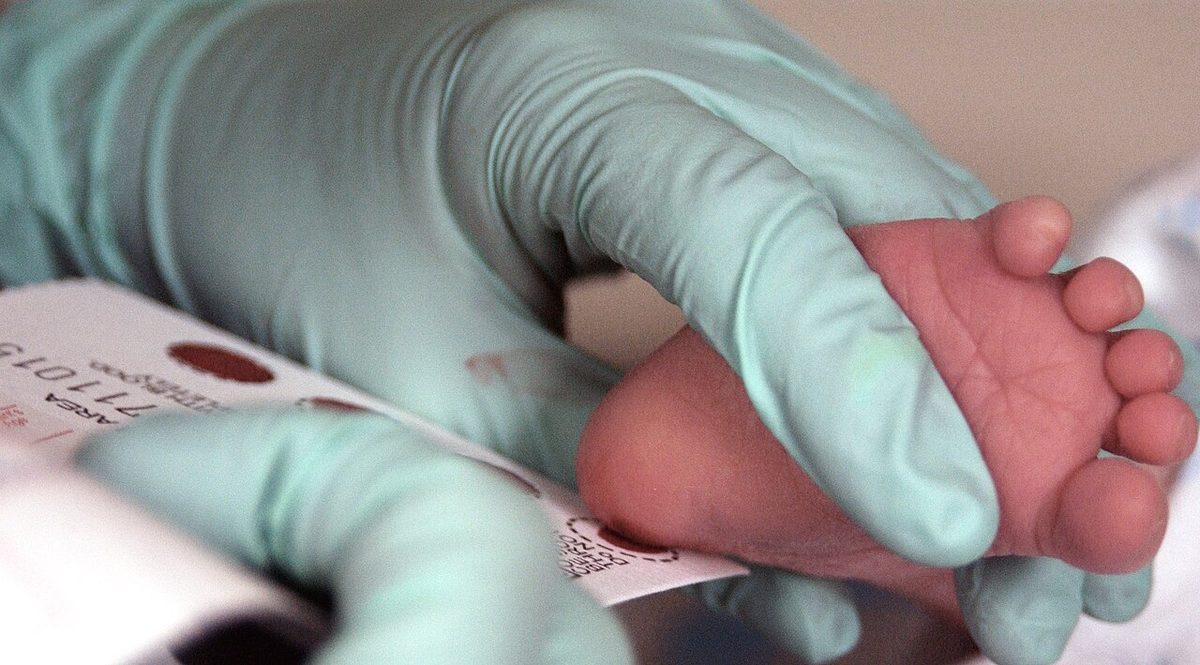
Seven teenagers with PKU had lived on about 6 grams of natural protein a day. A year on a newer drug, they were eating 70 grams, and four had stopped their protein formula
Phenylketonuria means a lifelong diet with almost no meat, fish, eggs or dairy, topped up by a special protein drink. Dietitians at a Birmingham children's hospital looked back at seven teenagers who switched to sepiapterin, a drug approved in 2025. Their blood levels stayed under control while their plates filled up. It is a case series of seven, though, and the drug's maker paid the publication fee.
Read the analysis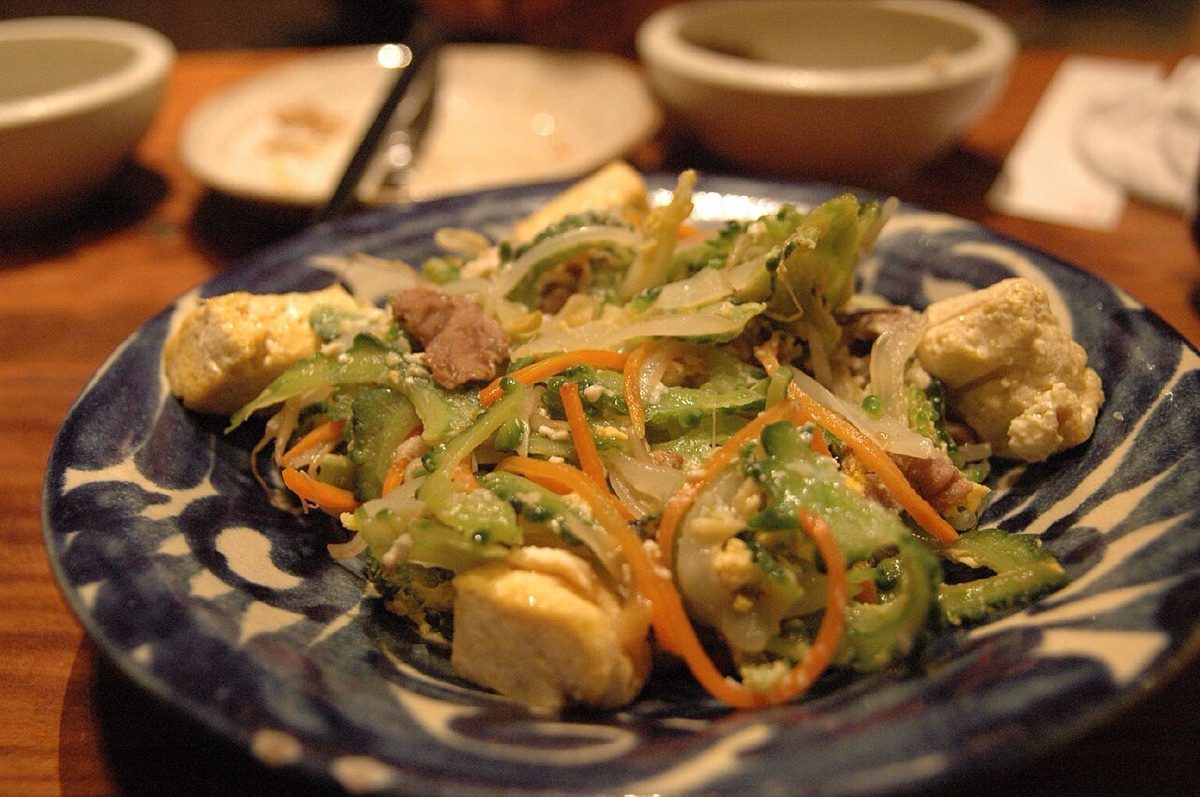
Healthy ageing · October 21, 2026
Okinawa's famous long lives belonged to the people born before the war. A doctor in Naha thinks the reason is not the lean diet alone, but what came after it
Older Okinawans once had far lower death rates than the rest of Japan; Okinawans born after about 1945 now do worse. A new paper re-reads 50 years of mortality data and offers a twist: the luckiest generations ate lean for decades and only then got richer food. It is a hypothesis, built on population statistics, and its author is the first to list what could prove it wrong.
Read the analysis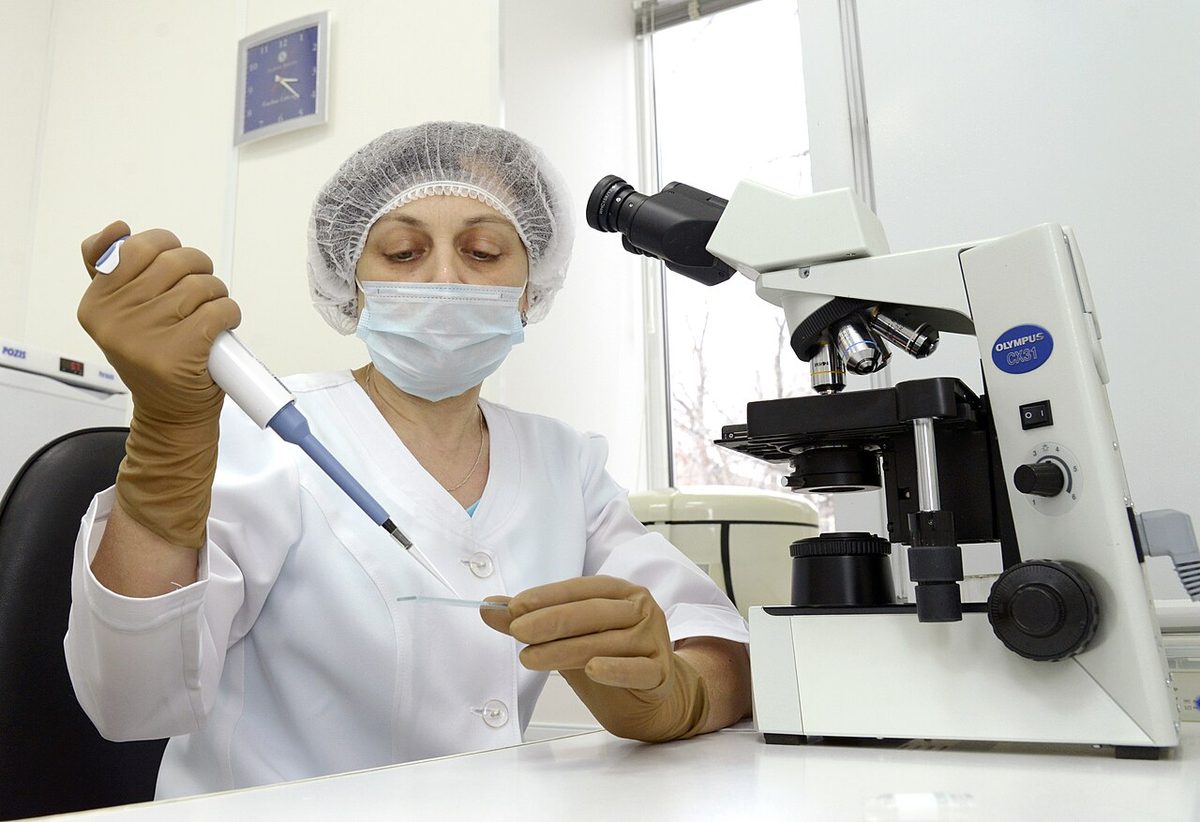
Fertility · October 21, 2026
Melatonin during IVF: pooled trials found 55% more clinical pregnancies, yet the live-birth result rests on two studies, and the authors still say not to make it routine
A team in Nanjing pulled together 36 publications on melatonin and female fertility, from IVF trials to embryos in a dish. Women given melatonin during fertility treatment had more pregnancies confirmed on a scan, with remarkably consistent results across eight studies. The catch sits further down: live births come from just two studies, many of the other gains shrink once the weaker studies are set aside, and the paper ends by saying routine use cannot yet be recommended.
Read the analysis
Mental health · October 21, 2026
An eating disorder on the record, then depression or bipolar disorder years later: what 16 years of Hungarian hospital files show, and why only 15 cases carry it
Researchers in Debrecen went through the records of more than 333,000 hospital patients to see whether people diagnosed with an eating disorder were more likely to be diagnosed with depression or bipolar disorder later on. They were, four to five times more likely on paper. But the whole finding rests on 15 diagnoses, and the authors spend much of the paper explaining why it should be read with care.
Read the analysis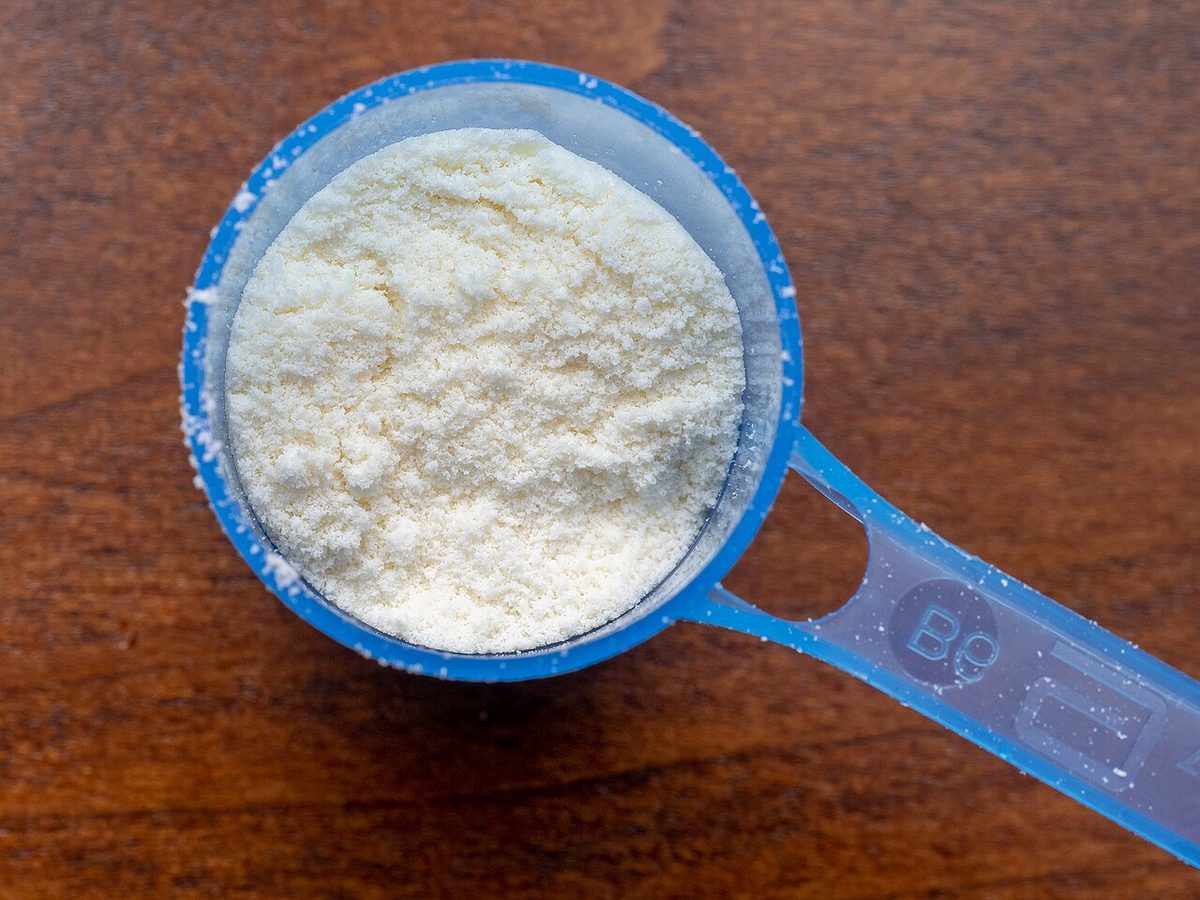
Food allergy · October 21, 2026
Rice-based formula for babies with cow's milk allergy: four trials, 321 infants, and two of them pointing in opposite directions
When a baby is allergic to cow's milk and can't be fully breastfed, parents are often offered a formula made from broken-down rice protein instead of broken-down milk protein. A new review gathered every randomised trial of it. There are only four, the two that asked whether children outgrow the allergy sooner disagree, and the review's authors say nobody can yet tell whether rice formula is better, worse or the same.
Read the analysis
Child nutrition · October 21, 2026
A daily lentil meal and eight weeks of feeding lessons in a Kenyan herding village: children's diets got far more varied, their weight barely moved, and half the comparison village stopped turning up
In Turkana, one of the hungriest corners of Kenya, children in one village got a cooked lentil, rice and vegetable meal six days a week while their caregivers sat through morning lessons on feeding and hygiene. By the end, the children were eating more meals and many more kinds of food at home. Their growth was another story, and so was the village they were compared with.
Read the analysis
Gut health · October 21, 2026
19 trials of plant compounds for inflammatory bowel disease: curcumin came out ahead in ulcerative colitis, with odds ratios that look far bigger than the evidence behind them
Curcumin, resveratrol, ginger, aloe vera, bilberry, milk thistle and a Persian yarrow have all been tested as add-ons for ulcerative colitis and Crohn's disease. A new review pooled every randomised trial it could find. Curcumin had the most trials and the best results in ulcerative colitis, but the trials were small and short, and Crohn's disease has almost nothing.
Read the analysis
Herbal supplements · October 21, 2026
90 Korean adults took a purple loosestrife extract or a placebo for 12 weeks. The extract group lost half a kilo of fat; most of the 2 kg gap came from the placebo group gaining it
Purple loosestrife is a wetland weed with tall magenta spikes, and a Korean team has been testing a hot-water extract of it as a fat-loss supplement. In their placebo-controlled trial the difference in body fat between the groups was clear on a DXA scan. How it got there is the more interesting part: the people on the extract lost a little fat, and the people on placebo put on more than twice as much.
Read the analysis
Muscle and ageing · October 21, 2026
20 trials, 2,160 people over 60 and 16 different supplement recipes for ageing muscle. Whey with vitamin D and leucine came out ahead most often, but take away one Italian trial and much of its grip-strength advantage disappears
Shelves are full of protein shakes promising to keep older muscles strong, each with its own mix of whey, leucine, vitamin D, fish oil or probiotics. A new network analysis tried to rank the mixes against each other. It found that supplements as a group helped a little, that one combination looked best across several tests, and that the evidence behind almost every ranking is rated low or very low.
Read the analysis
Liver health · October 21, 2026
55 adults with obesity and fatty liver near Bari ate under 800 calories a day, with almost no carbohydrate, for eight weeks. They lost about 10 kg and the scanner's liver-fat reading fell from 321 to 256. Whether the 'keto' part mattered, the study cannot say
Fatty liver now affects a quarter to a third of the world, and losing weight is still the main treatment. An Italian research hospital put patients on a very-low-calorie ketogenic diet and measured their livers before and after. The results look striking, the liver enzyme most doctors check barely moved, and the authors are blunt that without a comparison group their numbers can't show this diet beats any other way of losing the same weight.
Read the analysis
Hydration · October 21, 2026
58 young taekwondo athletes on China's national youth team drank about 2 litres a day in a Beijing summer week. Their morning urine said dehydrated on 85% of days, and only one of them was fine on all seven
Researchers in Beijing checked the first urine of every morning, weighed the athletes before and after training and stuck sweat patches on their skin. Most started training already short of water and lost more than 2% of their weight in the longest sessions. The finding that matters most may be how little the best-hydrated athletes actually drank during training, and the paper is frank about why its numbers could be too high or too low.
Read the analysis
Shift work · October 21, 2026
22 Rotterdam port workers on 12-hour night shifts moved their main meal from about 22:20 to before 20:00. Same food, same calories, and after a test meal their blood showed smaller cholesterol and inflammation responses
Dutch researchers gave men who work nights in the Port of Rotterdam a personal eating schedule: an early dinner, a light midnight meal and breakfast after the shift. Three months later they still ate about an hour and a half earlier on night shifts, without eating less. Their blood after a 950-calorie test drink looked calmer. Their glucose sensors told a less tidy story, and there was no proper comparison group for the blood tests.
Read the analysisFrom our articles
Read, then eat a little better
Plain-language guides on nutrition and wellness, backed by research.

Women's health
Inositol for PCOS: the 40:1 ratio, trial doses, and food milligrams
Why do randomized trials in polycystic ovary syndrome prioritize the 40:1 myo to D-chiro inositol ratio? Here is the science behind the ovarian epimerase paradox, clinical ovulation and insulin metrics, and why cantaloupe cannot replace 4,000 mg trial powder.
21 Nov 2026

Everyday eating
Extra virgin olive oil polyphenols: the EU health claim, smoke point myths, and cooking stability
Does extra virgin olive oil degrade when cooked? What does the EU 5 mg polyphenol health claim require, how does oleocanthal act like ibuprofen, and why does oxidative stability matter more than smoke point in domestic frying? Here is the clinical and culinary data.
21 Nov 2026

Food and nutrition
L-theanine and caffeine: what cognitive trials measured on sustained attention, and milligrams in matcha vs green tea
Combining L-theanine with caffeine produces clean focus without caffeine jitters. Here is what randomized trials measured on attention-switching, EEG alpha brain waves, and the exact milligrams across ceremonial matcha, culinary powder, gyokuro, and sencha.
20 Nov 2026
Start with a virtual consultation
Tell Dr. Triveni what you want to change. You will leave with a clear next step, whether you are in Toronto, London, New York or Chennai.