Newsfeed
Nutrition research, analysed
A new analysis every hour. Each one covers a recent study or report: What was found, the numbers behind it and the sources to check. We write about research from the last two weeks, not the news of the day.
Prebiotics · October 22, 2026
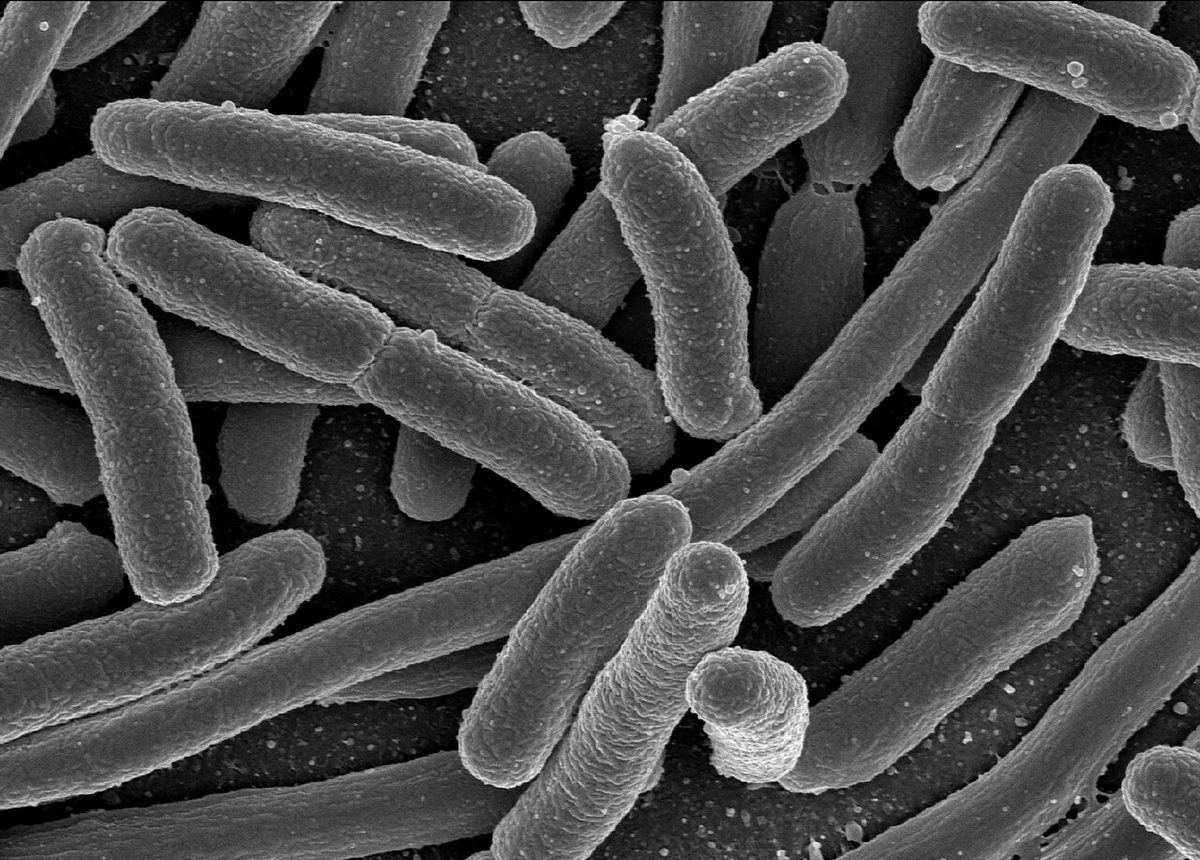
A week of antibiotics cut the number of gut bacteria species in 18 Dutch adults by about 40%. Eight weeks of a breast-milk sugar taken as a prebiotic brought them back no faster than a dummy powder
Researchers at Maastricht University Medical Center gave volunteers a seven-day course of the antibiotic vancomycin, then 12 g a day of 2′-fucosyllactose, the most common sugar in human milk, or a placebo. Both groups' gut bacteria largely recovered. The prebiotic made no difference anyone could measure, to the bacteria or to the antibiotic-resistance genes they carry.
Read the analysis
Mental health · October 22, 2026
People with schizophrenia had less vitamin C in their blood in 11 studies across eight countries, and symptom scores fell when 118 patients took it. The catch: the review could only compare them with themselves, not with anyone on a placebo
Researchers at Vellore Institute of Technology and Kerman University of Medical Sciences pooled every study they could find on vitamin C and schizophrenia, back to 1979. The blood-level gap was large and held up under every check. The supplement result looks striking until you see how it was measured: before and after, in people who were also on antipsychotic treatment.
Read the analysis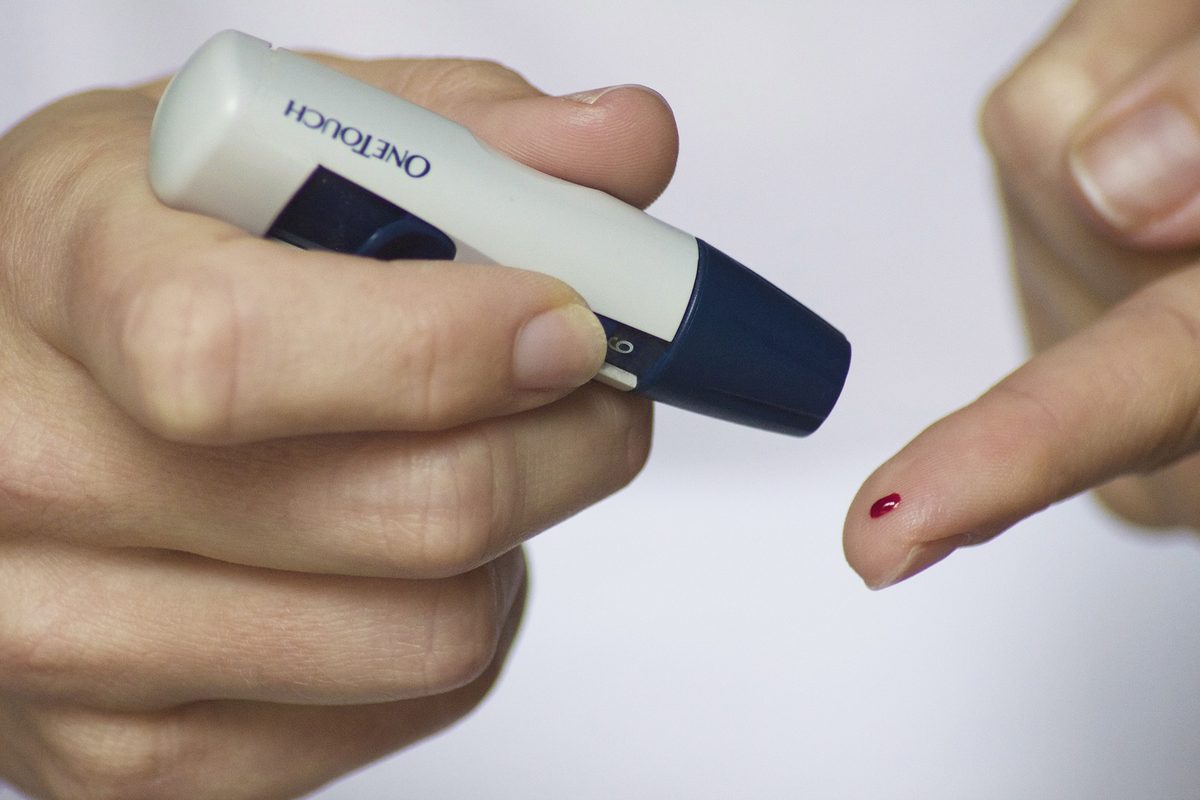
Diabetes · October 21, 2026
Mediterranean, keto, time-restricted eating or plain calorie cutting for type 2 diabetes? 25 trials and no clear winner: keto lost the most weight and caused the most side effects, the Mediterranean diet the smallest but steadiest drop in blood sugar
Pharmacists at Peking University Third Hospital pooled 25 randomised trials that put adults with type 2 diabetes on one of four popular diets for up to six months. All four lowered blood sugar and weight against a usual diet. None did anything clear for cholesterol. The authors meant to rank the diets head to head and found they could not: too few trials compared them directly.
Read the analysis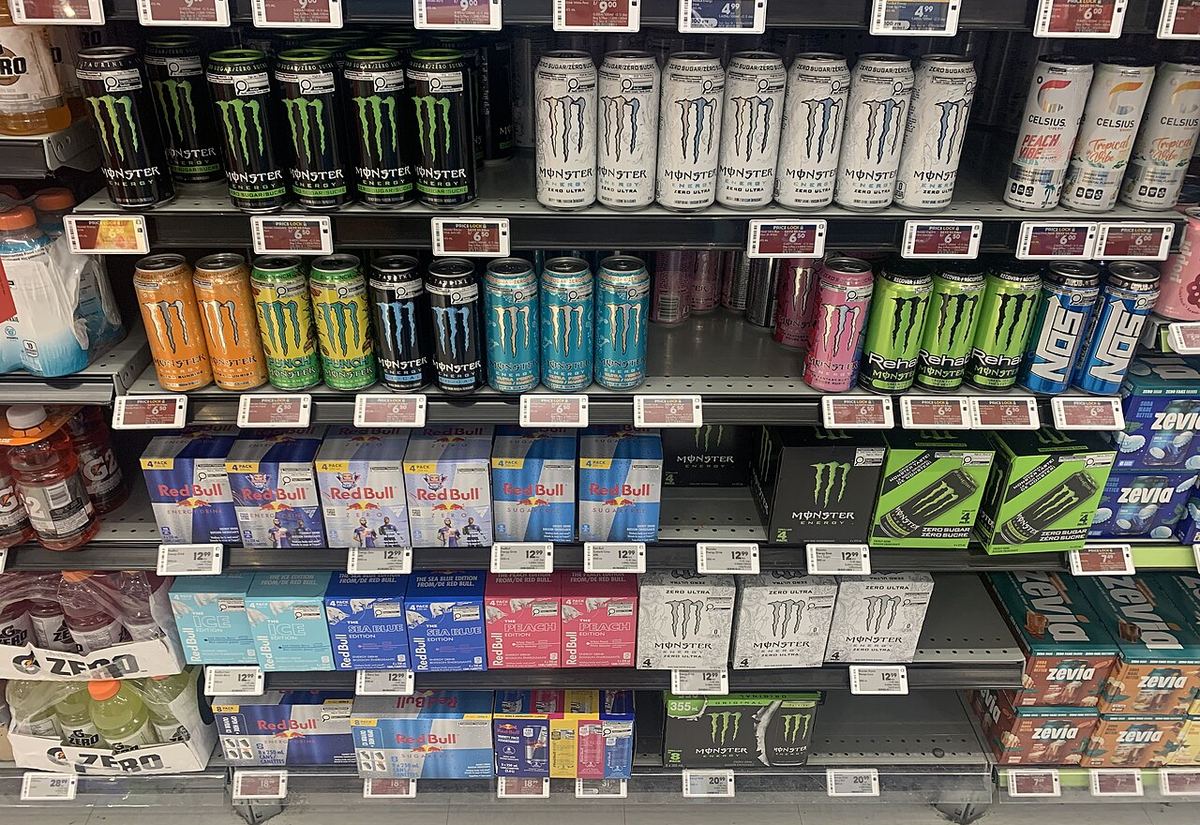
Sports supplements · October 21, 2026
Caffeine and taurine, the energy-drink pairing, tested in 11 small trials: a little more sprint power and a slightly easier-feeling workout, and still no way to tell whether the taurine does anything
Researchers in Beijing pooled every placebo-controlled trial they could find that gave people caffeine and taurine together before exercise: 234 people, most of them young men. Peak power came out a little higher and the effort felt a little easier. Heart rate did not change. Because no trial in the analysis was set against caffeine on its own, the review cannot say whether the taurine adds anything.
Read the analysis
Sleep · October 21, 2026
500 Spanish adults wore a sleep tracker for five days. Those who ate more like the Mediterranean said they slept better, but the tracker saw no difference
Researchers in Salamanca and Ávila scored how closely 500 randomly picked adults followed a Mediterranean diet, asked them how well they slept and put a motion tracker on their wrist. Better diet scores went with better reported sleep. The wrist trackers found no matching change in how long or how soundly people actually slept.
Read the analysis
Pregnancy nutrition · October 21, 2026
Nine in ten pregnant women in a southern Italian survey took folic acid. Only about one in four started it in time to do its main job
Folic acid cuts the risk of spina bifida and other neural tube defects, but only if it is already in the body in the first weeks after conception, often before anyone knows they are pregnant. A survey of 421 pregnant women in Calabria found that almost all took it, and most knew what it was for, yet three in four began only once the pregnancy was under way.
Read the analysis
Blood pressure · October 21, 2026
Two ginseng extracts beat a dummy tablet by 11 to 15 points of systolic blood pressure in a 12-week Korean trial. The dummy group started 7 points lower, and its pressure then went up by 5
Ninety adults with mildly raised blood pressure took tablets of one of two Rg3-enriched Korean ginseng extracts, or a look-alike placebo, for 12 weeks. Both extracts came out well ahead, more than the authors themselves expected from earlier ginseng studies. But the groups were not well matched at the start, part of the gap came from the placebo group getting worse, and the extracts were made by a company whose staff helped run and write up the study.
Read the analysis
Coeliac disease · October 21, 2026
Strict gluten-free and still bloated: two in three Dutch adults with coeliac disease had gut symptoms that fit an IBS-type disorder
A gluten-free diet is the only treatment for coeliac disease, and most people expect it to settle their gut. A survey of 1,001 adults who had kept to the diet for at least a year found that 64.8% still met the criteria for at least one disorder of gut-brain interaction, such as irritable bowel syndrome, about twice the rate in the general Dutch population. Sticking to the diet more strictly made no difference.
Read the analysis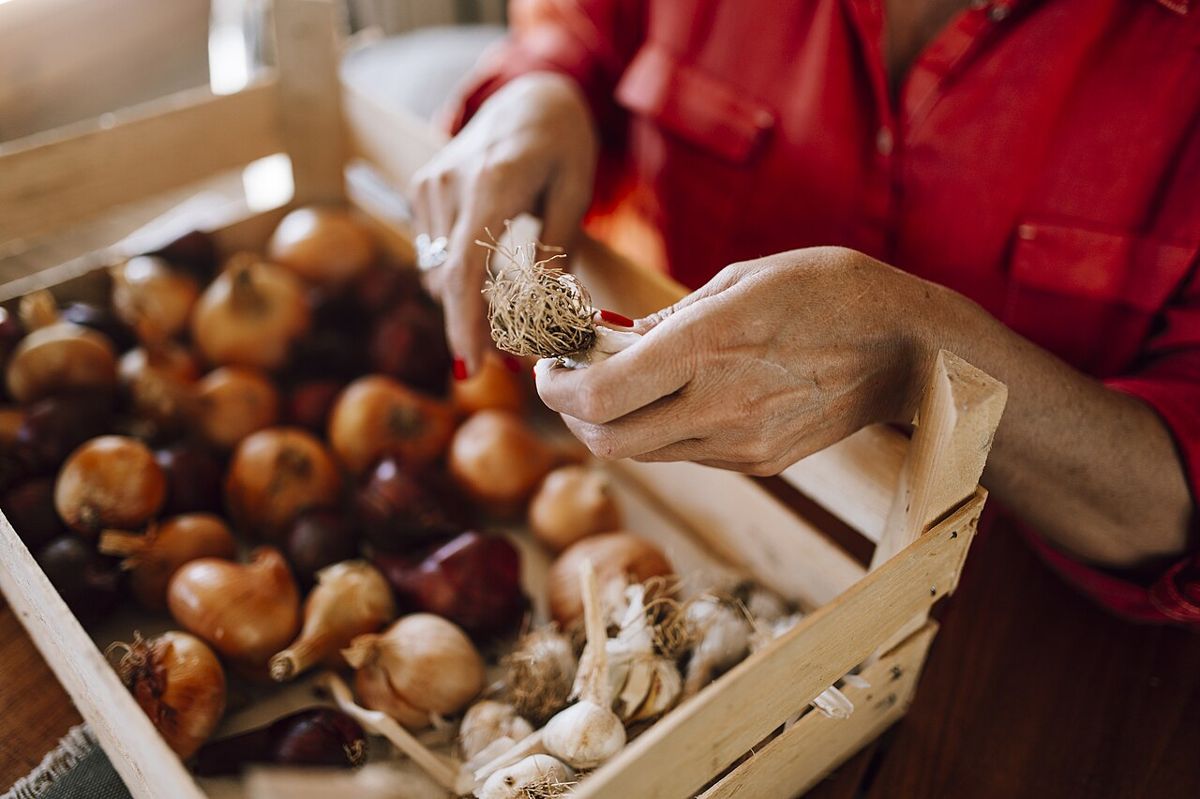
Women's health · October 21, 2026
Low-FODMAP diet for endometriosis pain: the first meta-analysis found only three studies and 61 women who tried it, and it could not show how much the diet helped
Many women with endometriosis also have bloating, constipation and bowel pain, and some cut out onions, garlic, wheat and other fermentable carbohydrates to cope. A Brazilian team searched the medical literature for studies of the low-FODMAP diet in endometriosis and pooled what they found. The signal looked encouraging, but the authors rate the evidence low to very low certainty and call their result a hypothesis, not proof.
Read the analysis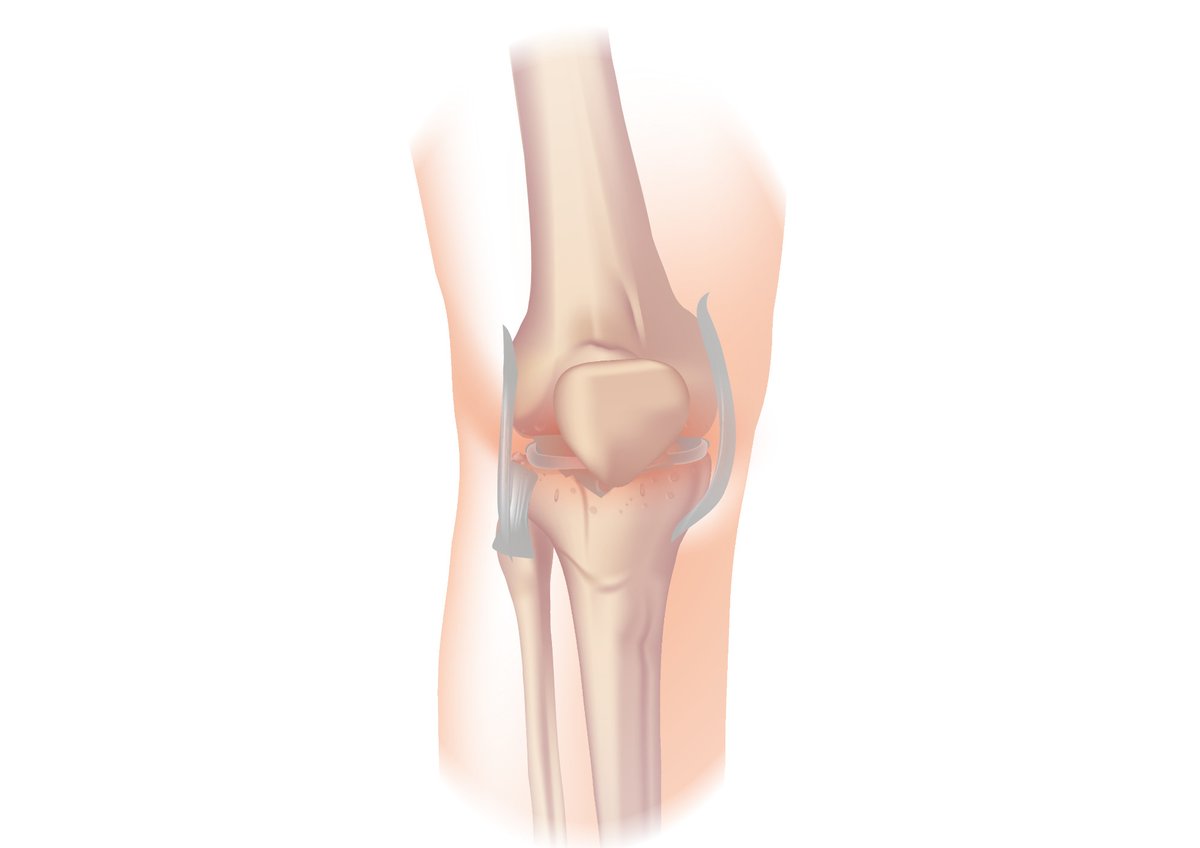
Joint health · October 21, 2026
Women in Tokyo with knee arthritis did simple leg raises at home twice a day for six months. Their knee pain fell by more than 40%, and adding vitamin D or vitamin E made no measurable difference
Orthopaedic surgeons at Juntendo University split 88 older women with painful knee osteoarthritis into three groups: home exercises alone, or the same exercises plus a prescription active vitamin D or a vitamin E capsule. All three groups ended up with less pain, stronger thighs and a quicker walk. The vitamins added nothing the trial could detect, and the exercise-only group did at least as well on most measures.
Read the analysis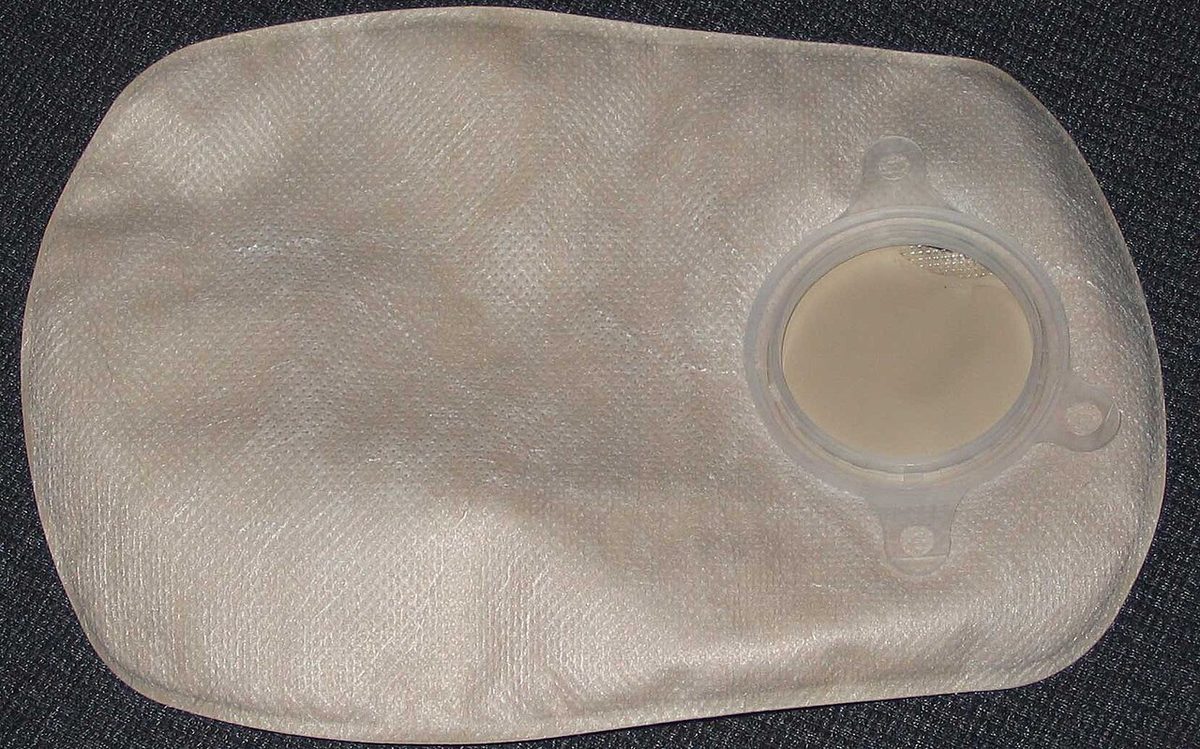
Bowel surgery · October 21, 2026
A Berlin hospital gave 104 people with a new ileostomy a low-fibre menu, a rehydration drink and a session with a dietitian. One in eight still lost dangerous amounts of fluid after going home, and half of those ended up back in hospital
When the colon is bypassed, the small intestine empties straight into a bag on the belly, and some people lose more than a litre of watery output a day. Surgeons at Charité in Berlin tried a planned menu and counselling for everyone. Nobody whose output ran high in hospital had it happen again, but the overall rate after discharge barely differed from the hospital's older patients, and there was no proper comparison group.
Read the analysis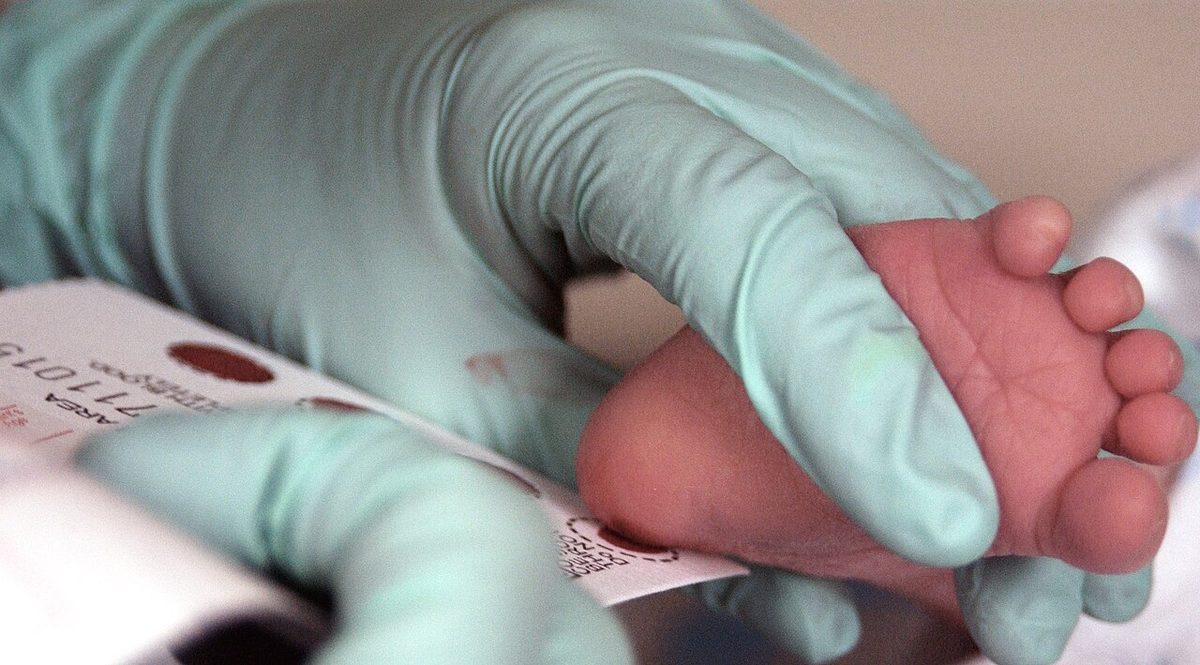
Inherited metabolic disorders · October 21, 2026
Seven teenagers with PKU had lived on about 6 grams of natural protein a day. A year on a newer drug, they were eating 70 grams, and four had stopped their protein formula
Phenylketonuria means a lifelong diet with almost no meat, fish, eggs or dairy, topped up by a special protein drink. Dietitians at a Birmingham children's hospital looked back at seven teenagers who switched to sepiapterin, a drug approved in 2025. Their blood levels stayed under control while their plates filled up. It is a case series of seven, though, and the drug's maker paid the publication fee.
Read the analysisFrom our articles
Read, then eat a little better
Plain-language guides on nutrition and wellness, backed by research.

Women's health
Inositol for PCOS: the 40:1 ratio, trial doses, and food milligrams
Why do randomized trials in polycystic ovary syndrome prioritize the 40:1 myo to D-chiro inositol ratio? Here is the science behind the ovarian epimerase paradox, clinical ovulation and insulin metrics, and why cantaloupe cannot replace 4,000 mg trial powder.
21 Nov 2026

Everyday eating
Extra virgin olive oil polyphenols: the EU health claim, smoke point myths, and cooking stability
Does extra virgin olive oil degrade when cooked? What does the EU 5 mg polyphenol health claim require, how does oleocanthal act like ibuprofen, and why does oxidative stability matter more than smoke point in domestic frying? Here is the clinical and culinary data.
21 Nov 2026

Food and nutrition
L-theanine and caffeine: what cognitive trials measured on sustained attention, and milligrams in matcha vs green tea
Combining L-theanine with caffeine produces clean focus without caffeine jitters. Here is what randomized trials measured on attention-switching, EEG alpha brain waves, and the exact milligrams across ceremonial matcha, culinary powder, gyokuro, and sencha.
20 Nov 2026
Start with a virtual consultation
Tell Dr. Triveni what you want to change. You will leave with a clear next step, whether you are in Toronto, London, New York or Chennai.