Newsfeed
Nutrition research, analysed
A new analysis every hour. Each one covers a recent study or report: What was found, the numbers behind it and the sources to check. We write about research from the last two weeks, not the news of the day.
Sustainable eating · October 22, 2026
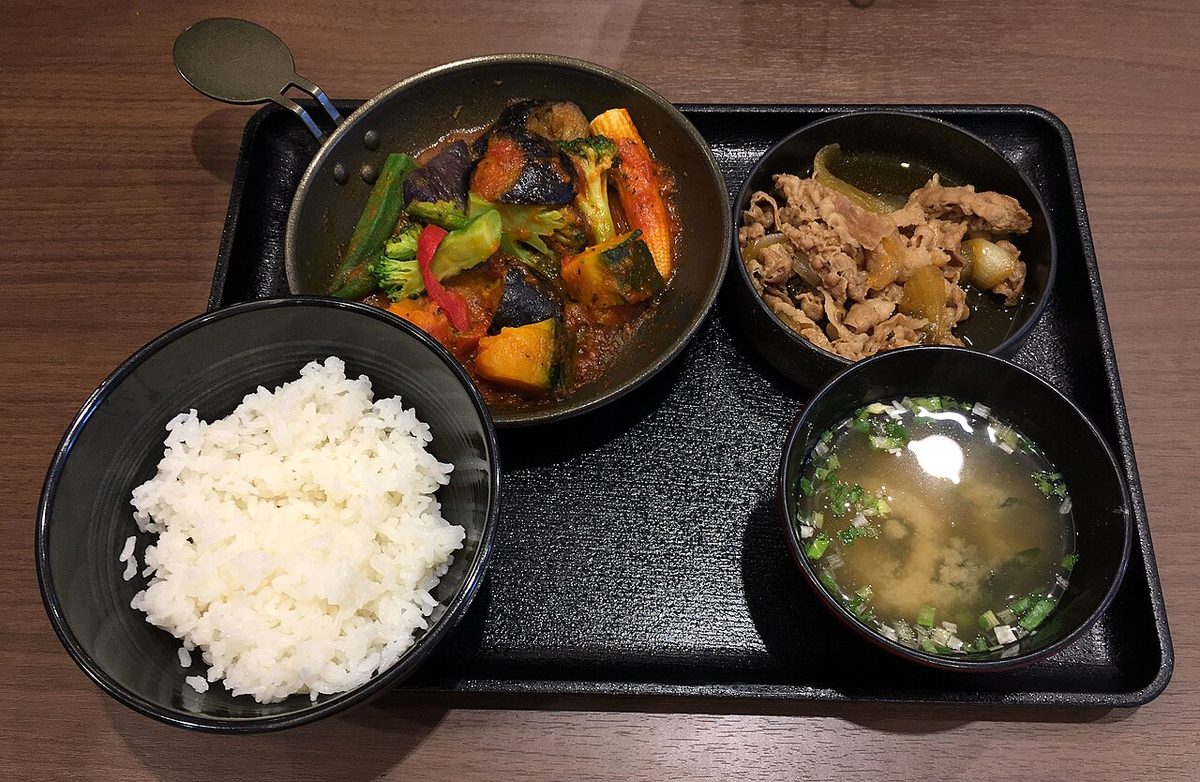
Same food budget, better plate: re-mixing what 2,615 Japanese adults already ate raised nutrient scores up to 36% and cut the carbon by up to a third. The greenest version left young men short of vitamins, and nine in ten still ate too much salt
Researchers in Tokyo and Wageningen took eight days of weighed food records from adults across Japan and asked a computer to build healthier, lower-emission diets out of meals real people were already eating, at no more than 5% extra cost. Here is what had to change on the plate, and what no amount of re-mixing could fix.
Read the analysis
Eye health · October 22, 2026
Nine months of lutein and fish-oil capsules for Singapore's shooters, archers and gamers: target scores rose about 3% while the placebo group's slipped. Only one of nine eyesight measures moved, and three authors work with supplement makers
Sixty-seven competitive athletes in precision sports took a daily eye-nutrient capsule or sunflower oil. Their blood carotenoids doubled, a dim-light contrast test improved, and a handful of performance and sleep scores moved the right way. Here is what the trial can and cannot tell you.
Read the analysis
Brain health · October 22, 2026
Grilled, fried and roasted food is blamed for 'glycation' compounds that may age the brain. In 90 students, how much of them people ate had nothing to do with how much was in their blood. The blood level did track a memory test
Dietitians in eastern Türkiye counted the advanced glycation end products in students' diets two different ways, measured them in blood, and gave everyone a reverse number-recall test. The diet estimates explained neither the blood levels nor the scores. What did line up runs through inflammation.
Read the analysis
Functional mushrooms · October 22, 2026
84 stressed young women took lion's mane, a lion's mane and reishi blend, or dummy capsules for four weeks. Everyone's anxiety fell by almost half. Only the blend pulled ahead, and only of lion's mane on its own
Mushroom capsules are sold to Gen Z as a fix for stress. Psychologists at Northumbria University in Newcastle let young women pick the symptoms that mattered most to them, then ran a double-blind trial on those. The most striking result had nothing to do with mushrooms.
Read the analysis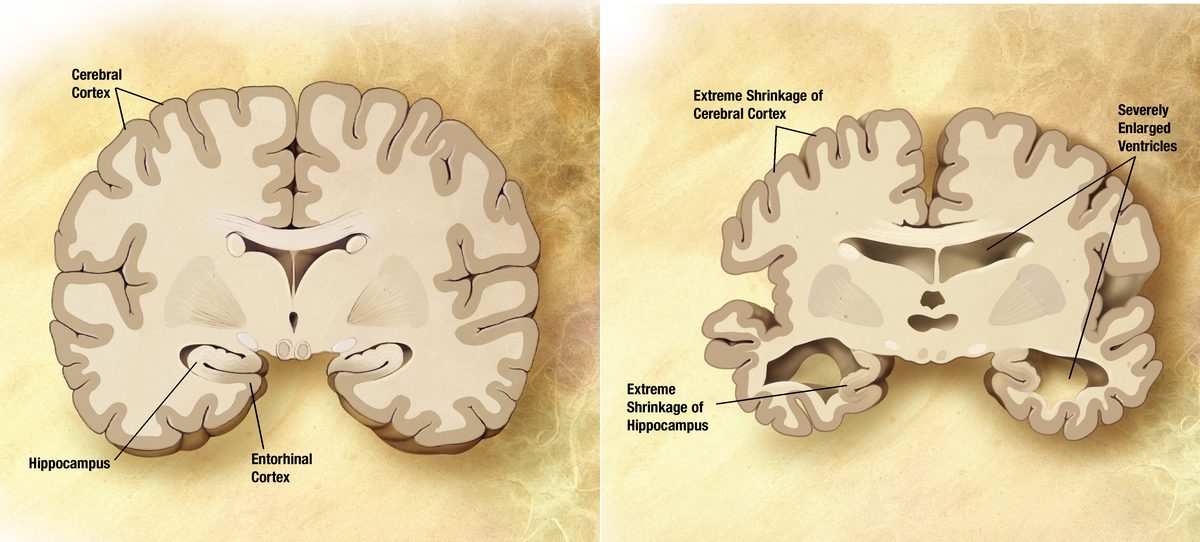
GLP-1 drugs · October 22, 2026
Do the diabetes and weight-loss jabs protect the ageing brain? Five trials, 13,711 people at risk of Alzheimer's: on overall thinking scores the drugs made no difference, and the one bright memory result came from 24 people
Large health-record studies keep finding fewer dementia diagnoses in people who take GLP-1 drugs, the family that includes Ozempic and Trulicity. An Italian team went looking for the proof that only randomised trials can give, in people with type 2 diabetes or early memory trouble. What they found was mostly an absence, and a lesson in how thin the evidence still is.
Read the analysis
Premature babies · October 22, 2026
A Tel Aviv newborn unit started offering donated breast milk to its smallest babies. They reached full milk feeds in half the time, but once the doctors allowed for how much bigger the later babies were, growth looked the same
When a mother can't yet make enough milk for a very premature baby, the next best thing is meant to be another mother's milk, pasteurised and banked. Doctors at a large Israeli hospital compared 236 tiny babies born before and after their unit began using it. The headline numbers looked dramatic. Most of the gap had a simpler explanation.
Read the analysis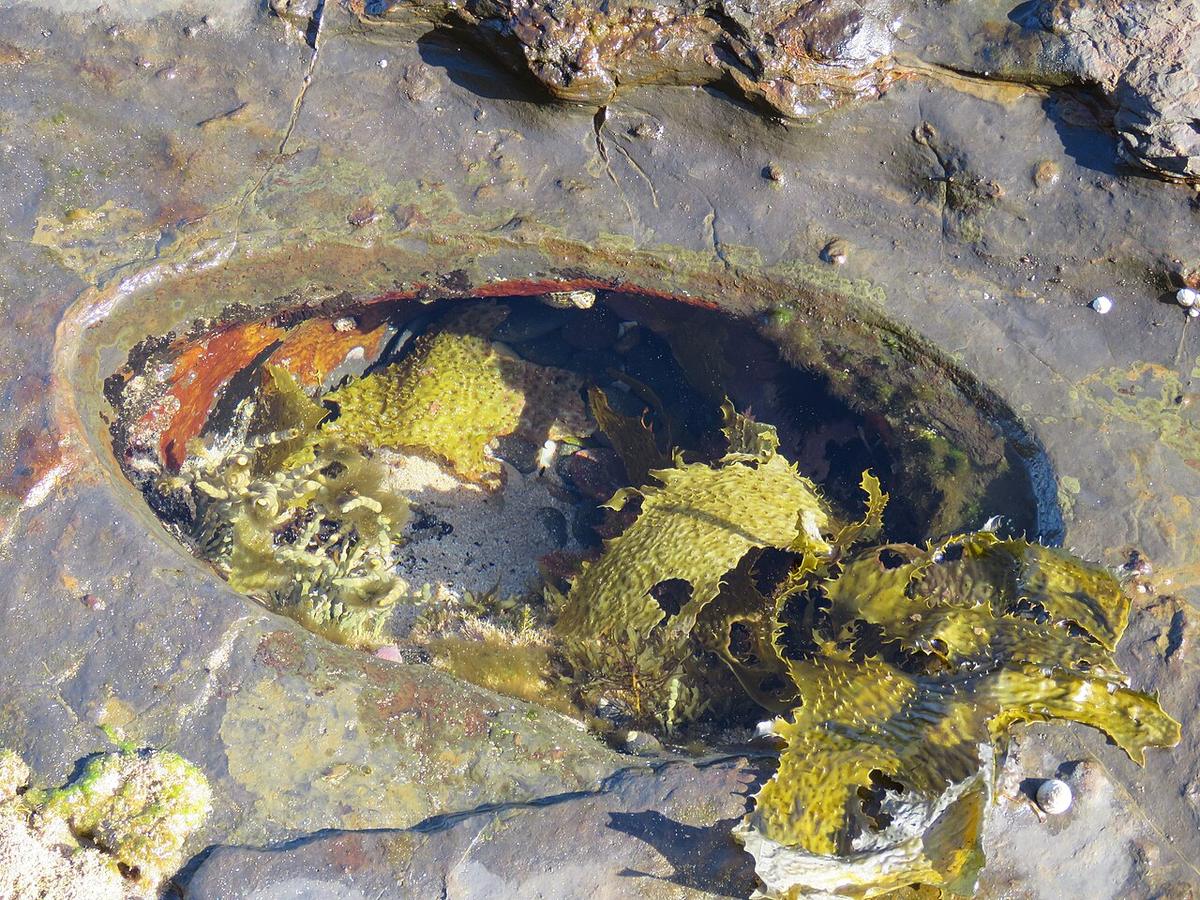
Sports supplements · October 22, 2026
Twelve trained cyclists in London drank a seaweed extract or a dummy drink before an hour on the bike and three all-out sprints. Their blood sugar came out a touch higher on the seaweed. Their sprint power did not budge
Ecklonia cava, an edible brown seaweed from Korea and Japan, is sold as a polyphenol supplement, and one small 2010 study suggested it helped students run longer. Researchers at Kingston University gave cyclists the highest daily dose Europe's food safety agency has judged safe for adults, then measured everything from oxygen use to peak watts. Almost nothing moved.
Read the analysis
Eating out · October 22, 2026
Fries and tortilla chips from 98 shared restaurant fryers across 14 US states were sent to a gluten lab. 92 passed the gluten-free limit, and none from kitchens that change the oil daily failed
People with coeliac disease are usually told to skip anything from a fryer that also cooks breaded food. A team led by the Celiac Disease Foundation bagged fries and chips from real restaurants and had them tested. Most samples held no measurable gluten, every tortilla chip was clean, but a few portions of fries came back well over the line.
Read the analysis
Postpartum health · October 22, 2026
Three years after a pregnancy with high blood pressure, 180 Sydney mothers reported eating more vegetables and exercising more. They also reported more chips, takeaways and less motivation
High blood pressure in pregnancy raises a woman's heart risk for life, and diet and exercise are the standard advice afterwards. A follow-up of women from an Australian trial tracked what they reported at six months, one year and about three years after the birth. The vegetable tally rose, but so did the salty snacks, and the way the questions were asked changed halfway.
Read the analysis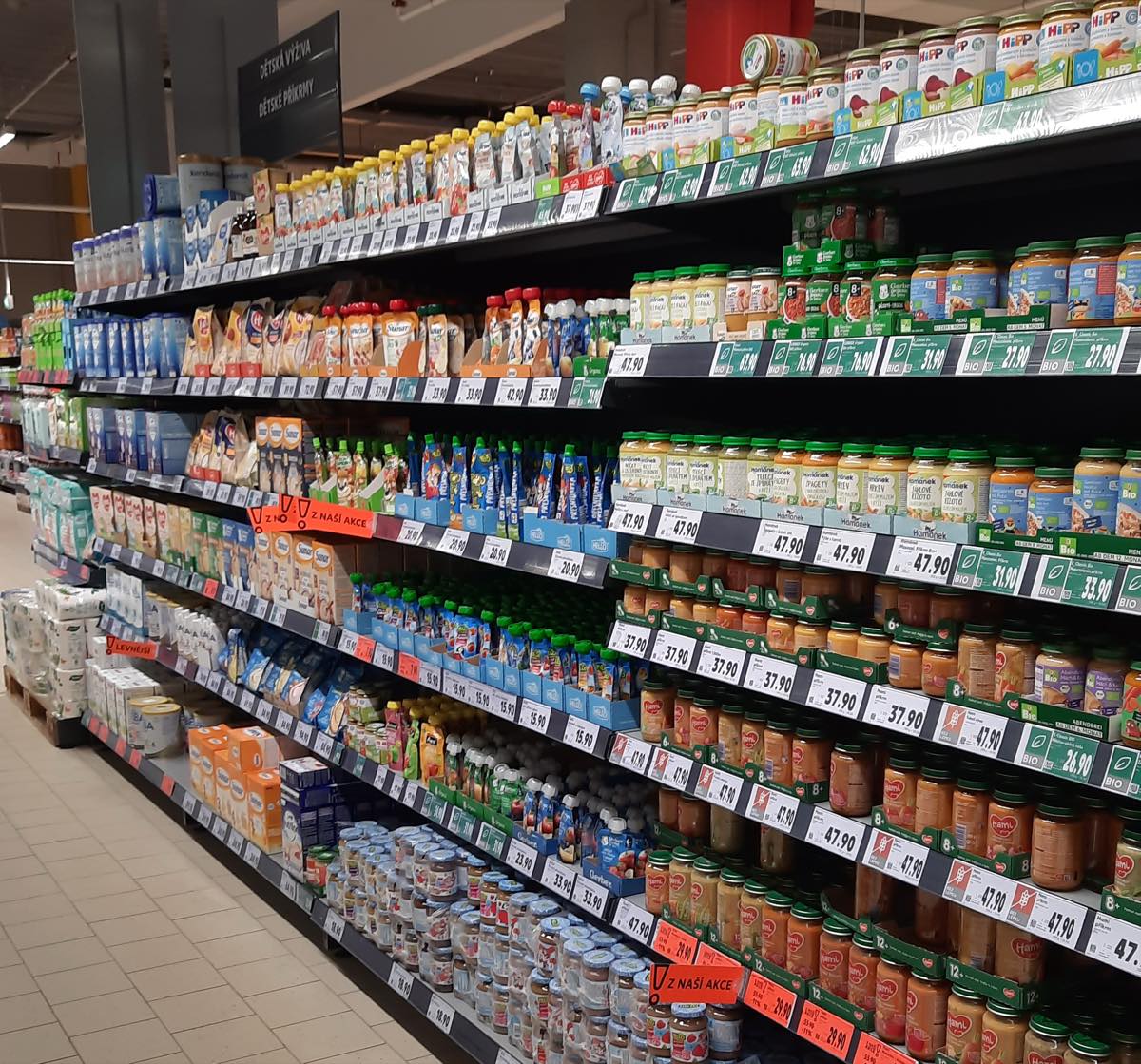
Child nutrition · October 22, 2026
Two in three foods sold for babies and toddlers in Turkish supermarkets were ultra-processed. They looked three times cheaper per calorie, until researchers compared biscuits with biscuits
Researchers sorted 340 products labelled for children from six months up, listed by supermarket chains in six Turkish cities. Every growing-up milk and pudding counted as ultra-processed, most fruit and vegetable purées did not, and the price gap that seemed to favour the ultra-processed shelf turned out to be about what kind of food it was.
Read the analysis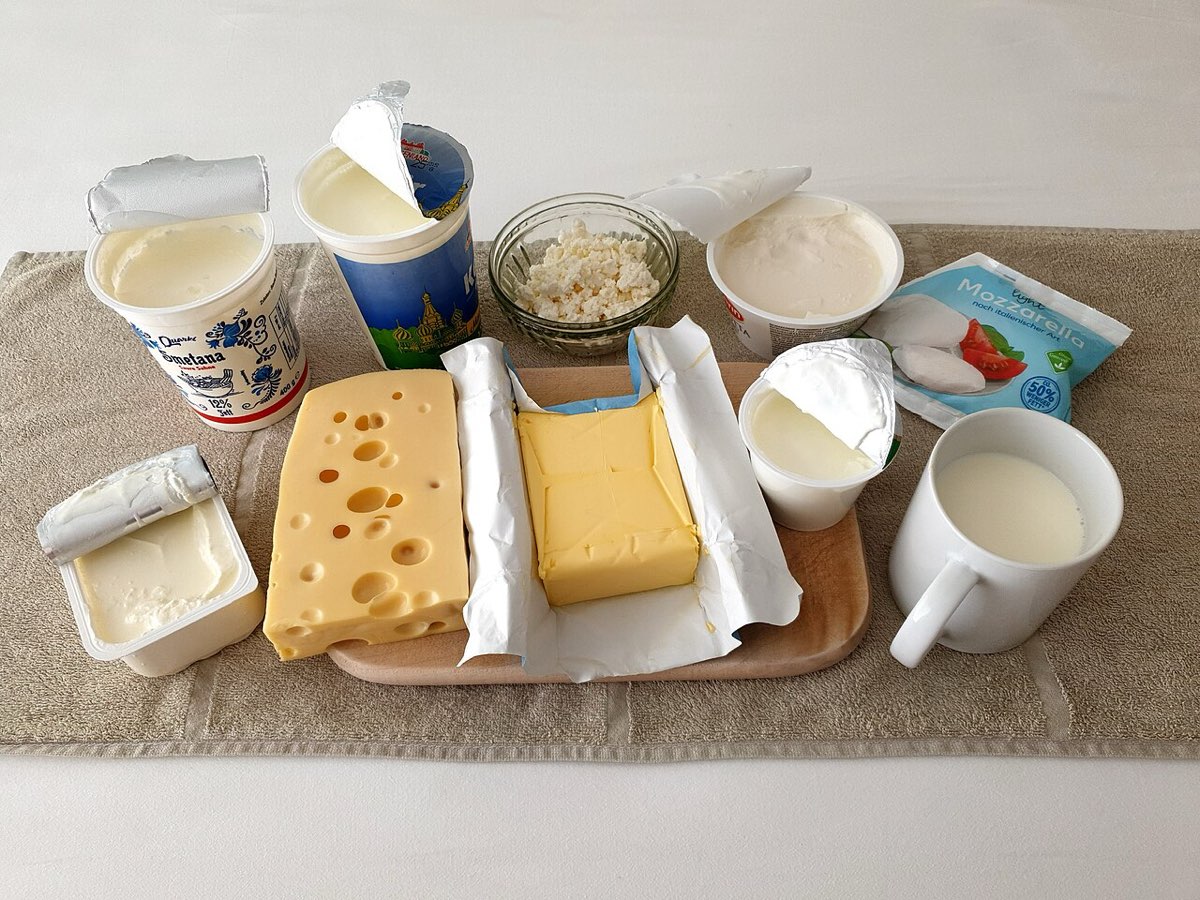
Fermented foods · October 22, 2026
Nearly everyone in Europe eats fermented food every week: yoghurt, cheese, bread, coffee. The sauerkraut and pickles that fermented-food fans talk about come to under 10 grams a day
A survey of 12,646 adults in 53 European countries measured 15 kinds of fermented food and drink. Fermented dairy turned up in about 95% of diets, at 67 to 80 grams a day. Fermented vegetables were eaten by about nine in ten people, but in tiny amounts, and many plant-based alternatives were tried far more often than they were actually eaten.
Read the analysis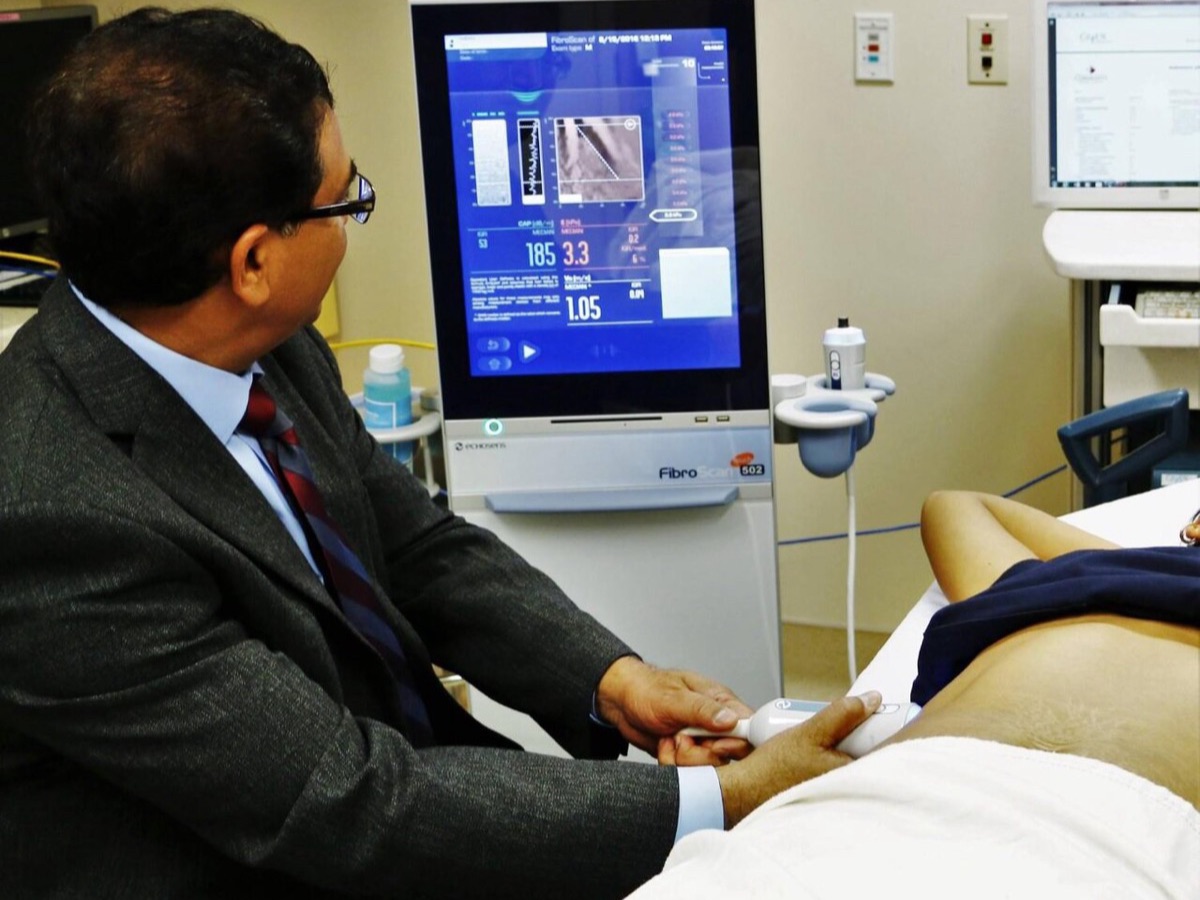
Liver health · October 22, 2026
Sixty people with chronic liver disease in Sichuan took vitamin D matched to their blood levels, or nothing extra, for a year. Liver stiffness and liver enzymes fell further on vitamin D, but nobody got a placebo
A hospital trial in Shifang, China, topped up low vitamin D with 400 to 800 IU a day alongside usual liver treatment. On a FibroScan and on blood tests the vitamin D group looked better at 3, 6 and 12 months. The authors themselves list why that is a promising signal rather than proof: a small, single-hospital study, no placebo, and markers of scarring rather than biopsies.
Read the analysisFrom our articles
Read, then eat a little better
Plain-language guides on nutrition and wellness, backed by research.

Women's health
Inositol for PCOS: the 40:1 ratio, trial doses, and food milligrams
Why do randomized trials in polycystic ovary syndrome prioritize the 40:1 myo to D-chiro inositol ratio? Here is the science behind the ovarian epimerase paradox, clinical ovulation and insulin metrics, and why cantaloupe cannot replace 4,000 mg trial powder.
21 Nov 2026

Everyday eating
Extra virgin olive oil polyphenols: the EU health claim, smoke point myths, and cooking stability
Does extra virgin olive oil degrade when cooked? What does the EU 5 mg polyphenol health claim require, how does oleocanthal act like ibuprofen, and why does oxidative stability matter more than smoke point in domestic frying? Here is the clinical and culinary data.
21 Nov 2026

Food and nutrition
L-theanine and caffeine: what cognitive trials measured on sustained attention, and milligrams in matcha vs green tea
Combining L-theanine with caffeine produces clean focus without caffeine jitters. Here is what randomized trials measured on attention-switching, EEG alpha brain waves, and the exact milligrams across ceremonial matcha, culinary powder, gyokuro, and sencha.
20 Nov 2026
Start with a virtual consultation
Tell Dr. Triveni what you want to change. You will leave with a clear next step, whether you are in Toronto, London, New York or Chennai.