Newsfeed
Nutrition research, analysed
A new analysis every hour. Each one covers a recent study or report: What was found, the numbers behind it and the sources to check. We write about research from the last two weeks, not the news of the day.
Supplements and the heart · October 23, 2026
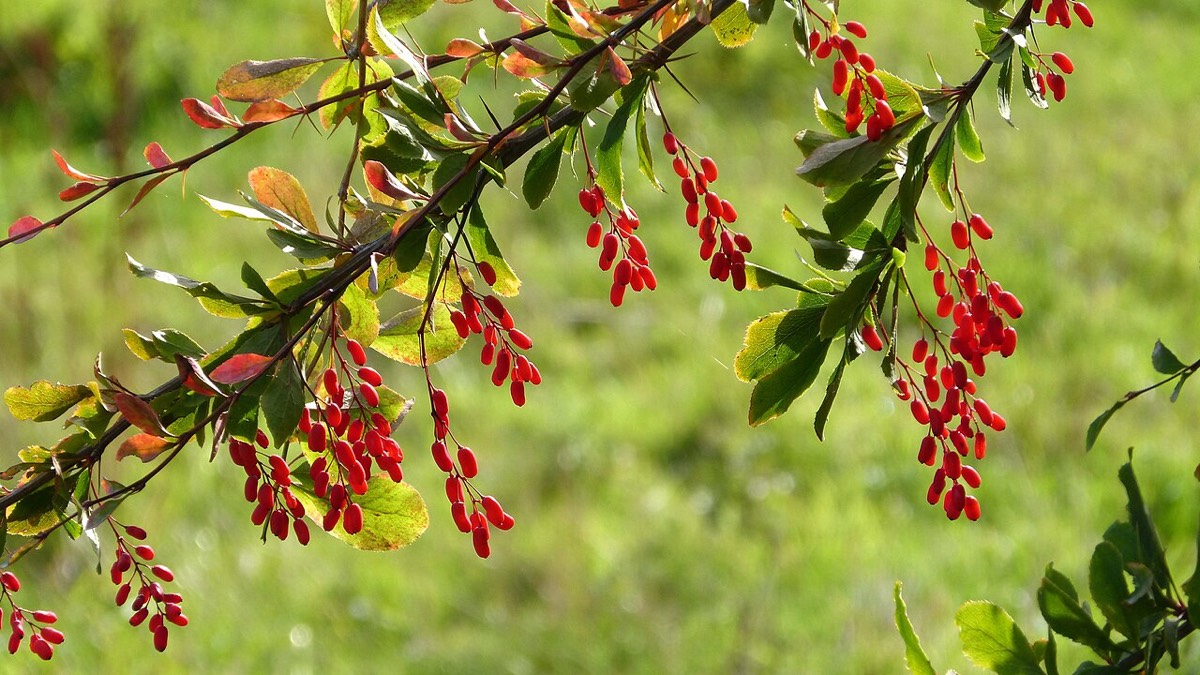
23 heart patients in Beijing, 12 of them given berberine for 12 weeks. Their gut bacteria changed and the paper's title says their cholesterol improved, yet by its own averages LDL fell further in the 11 who never took it
Berberine, a yellow plant compound sold as a cholesterol and blood sugar supplement, was added to the usual heart medicines of a dozen people with stents. Butyrate-making gut bacteria went up and the patients reported less constipation. The heart results are thinner than the title suggests: a small, unblinded trial with no dummy pill, and two groups that differed in age, sex and starting cholesterol.
Read the analysis
Protein and strength · October 23, 2026
Protein on top of lifting added about 7 kg to young adults' squats and 2.6 kg to their bench press. In the few trials that ran past 12 weeks, the squat edge was gone
A new pooled look at 23 small trials in 611 healthy young adults found that people who took protein while doing strength training gained a little more strength than those who trained with a placebo drink. The extra came mostly in shorter trials and in men, the results varied a lot from trial to trial, and most studies never checked how much protein people already ate.
Read the analysis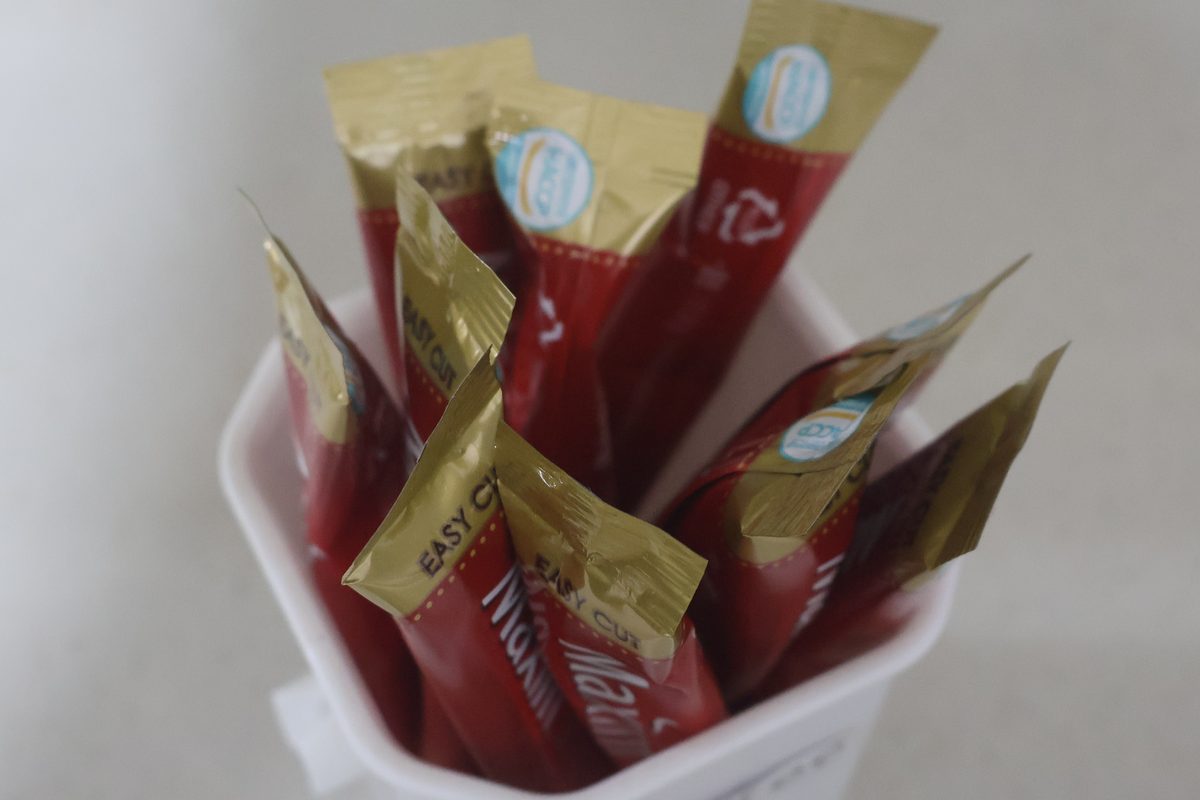
Caffeine · October 22, 2026
Korean adults have drunk a little more caffeine every year since 2016, as instant coffee-mix sticks gave way to brewed coffee. On the day they were asked, about 1 in 15 men in their 30s and early 40s went past 400 mg
A nine-year look at what 48,991 Korean adults drank in a day found caffeine creeping up by about 1.7 mg a day per year, and the odds of a 400 mg-plus day rising about 5% a year. Coffee supplied almost all of it. People over 65 were far less likely to hit the high mark, and the study counts one day per person, so it says more about the country than about any one drinker.
Read the analysis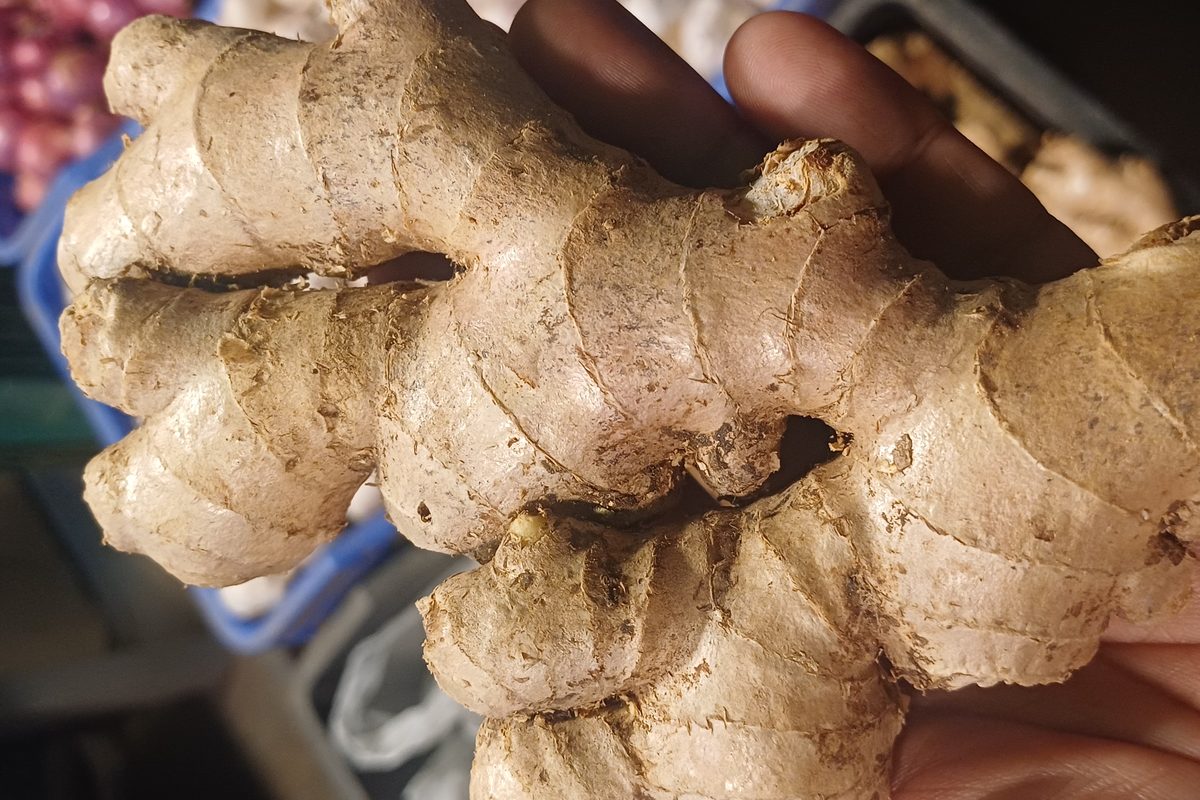
Women in sport · October 22, 2026
Elite sportswomen in Poland had to list every pill and powder from the week before their drug tests. Herbs studied for period pain and PMS turned up on barely 1 form in 20, and men listed ginger more often than women did
Researchers went through 13,519 anti-doping forms filed in Poland from 2018 to 2023, looking for nine plants that have been tested against premenstrual symptoms or painful periods. The herb with the most research behind it for PMS, chasteberry, appeared on 10 of 4,451 women's forms. The forms never say why anything was taken, and most of the trials behind these herbs are weak.
Read the analysis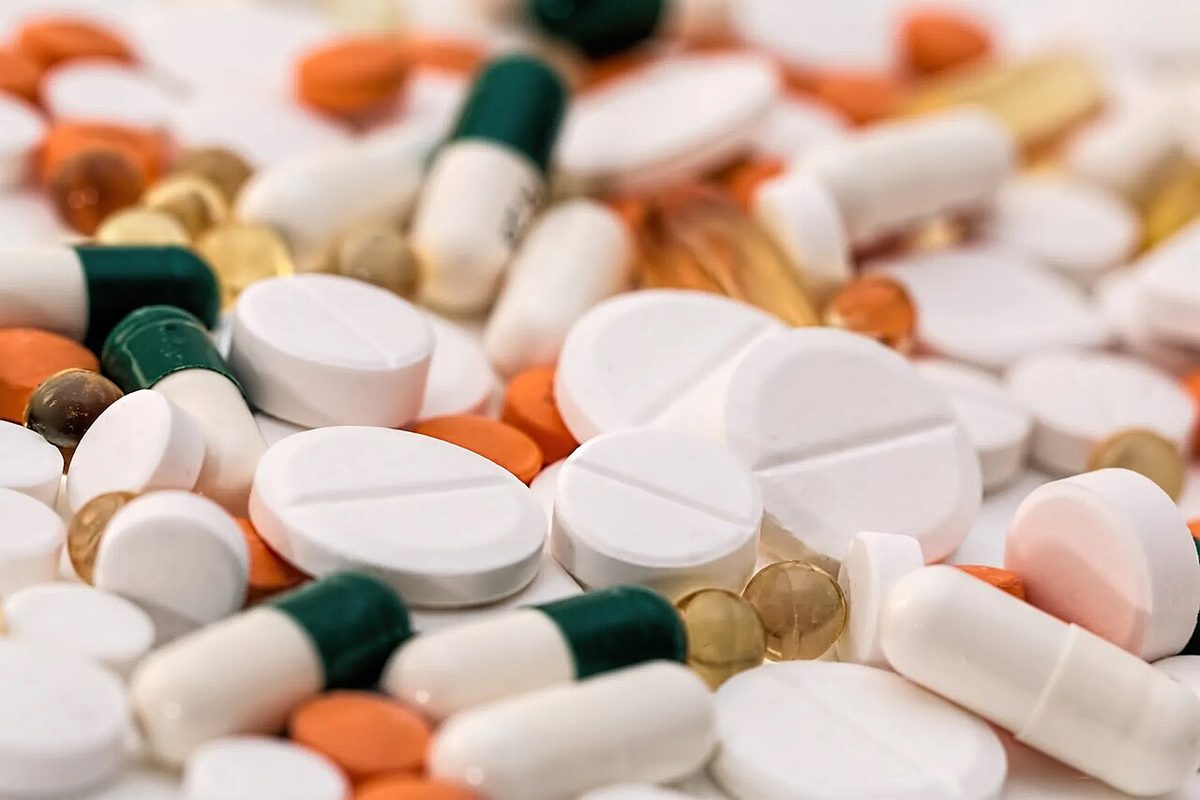
Weight-loss supplements · October 22, 2026
A capsule of probiotics, enzymes and mulberry leaf took 2 to 4 kg off adults with high blood sugar in 12 weeks. The fine print says nobody checked what they ate
In an Indian trial of 87 overweight or obese adults with raised fasting glucose, a multi-ingredient supplement beat maltodextrin capsules on weight, blood sugar and cholesterol. The maker's own staff ran the analysis, diet and exercise were never tracked, and some of the numbers are hard to square.
Read the analysis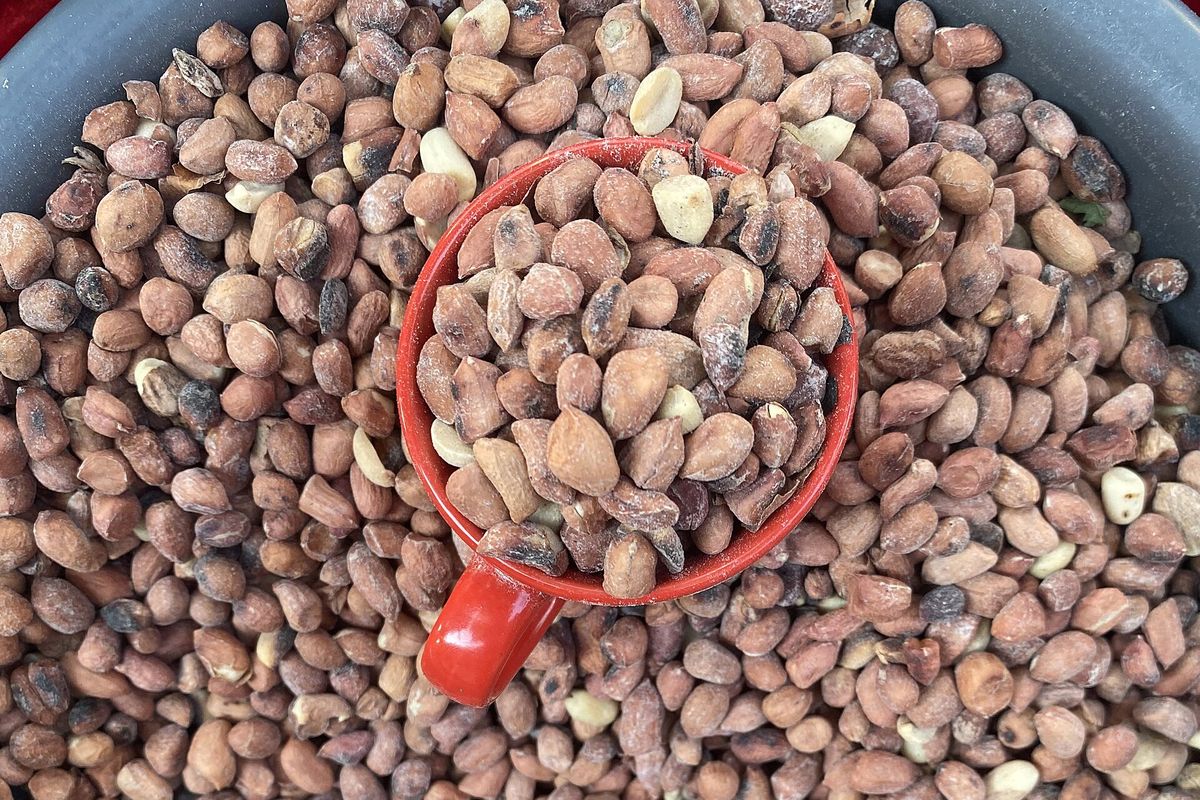
Nuts and blood sugar · October 22, 2026
Same handful of peanuts, three ways: eaten whole, ground to butter or blended into milk with white bread. The blood sugar spike shrank every time, but blood fats did not
In a Singapore trial, 15 healthy adults ate two slices of white bread alone or with 42.5 g of peanuts or cashews as whole nuts, nut butter or homemade nut milk. Every nut meal cut the glucose peak. Blood fats rose with all of them and ran highest after nut butter, lowest after whole nuts.
Read the analysis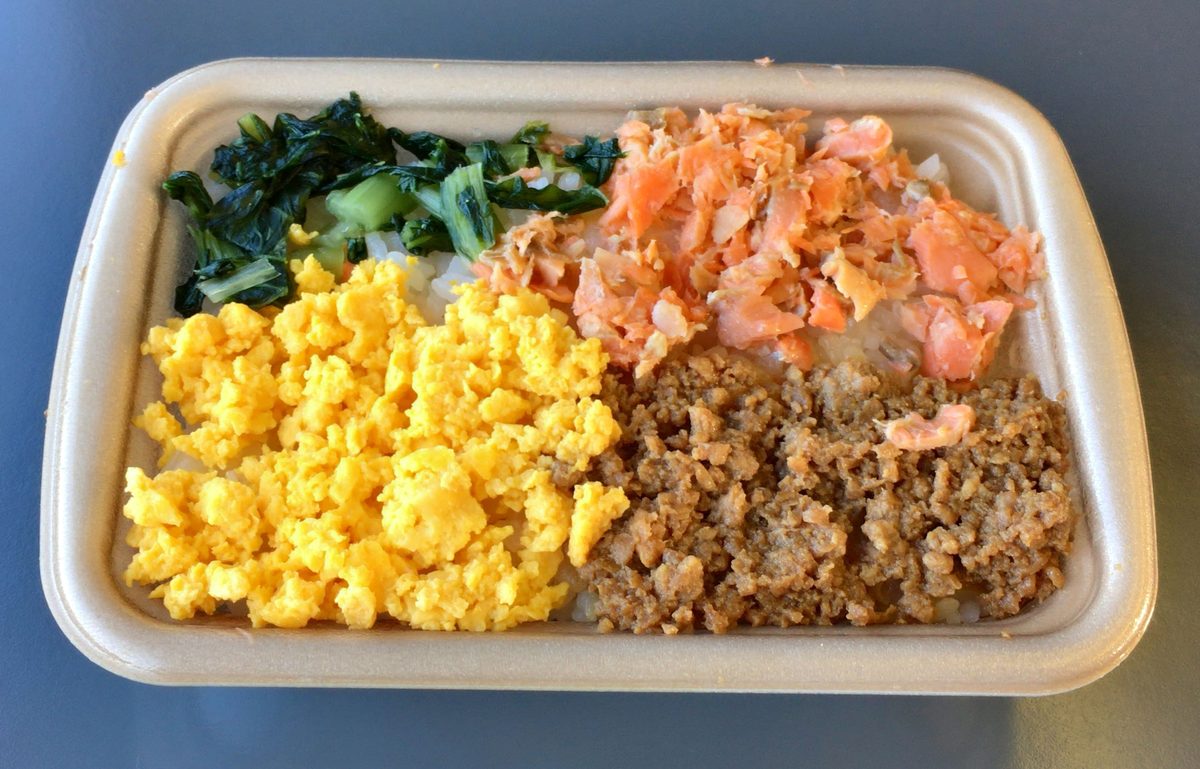
Diet quality · October 22, 2026
Japan weighed every meal of 4,455 people for eight days a year. Diets were worst at about 16 for girls and 23 for young men, and the oldest ate best
University of Tokyo researchers had people aged 1 to 79 weigh everything they ate and drank on two days in each season. Scores on two diet quality scales fell through the teenage years, bottomed out between 16 and 24 depending on sex and scale, then climbed with age. Skipping breakfast and smoking went with some of the biggest gaps.
Read the analysis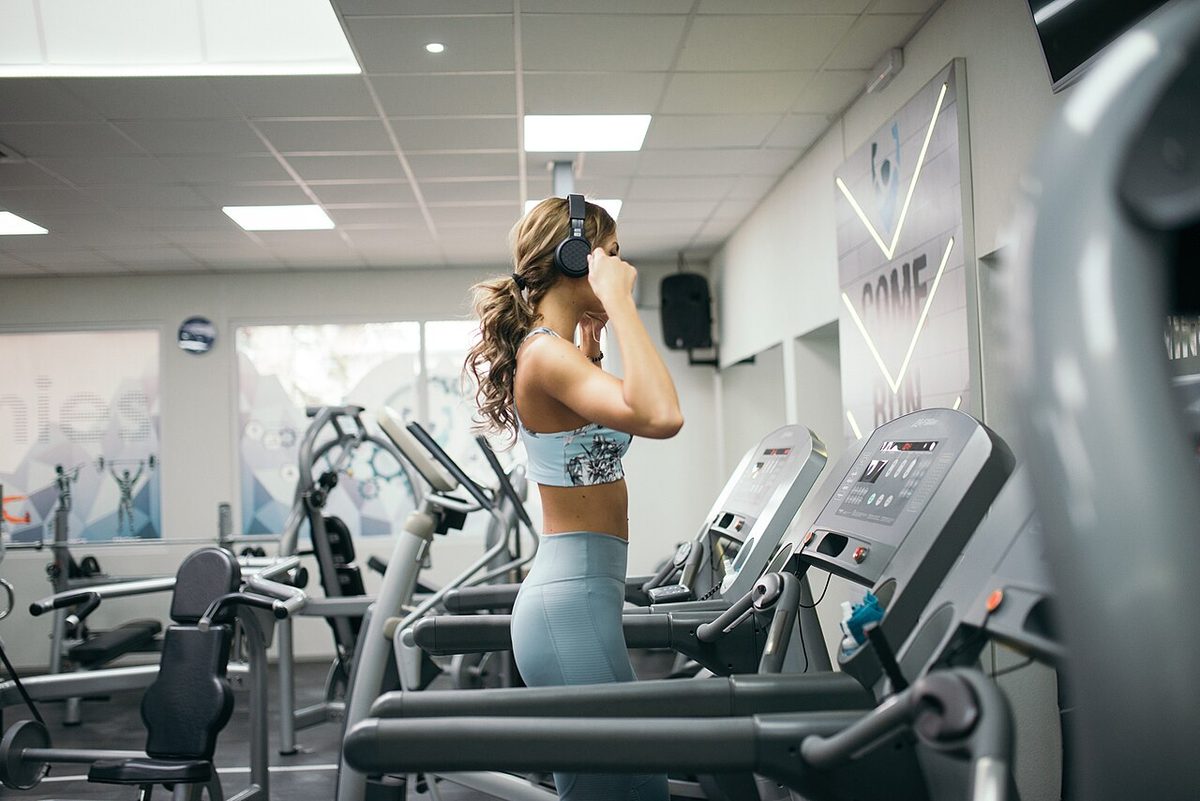
Energy and fatigue · October 22, 2026
Tired all the time, but not ill: 6 grams of L-arginine a day eased fatigue in a Korean trial of 120 working adults. Half that dose did no better than a dummy drink
For eight weeks, adults in their 30s to 50s with nagging everyday fatigue drank sachets of the amino acid L-arginine or a look-alike placebo. The higher dose took about four more points off a 63-point fatigue scale than placebo did and lowered lactate after a treadmill run. Yet on average people were still tired enough at the end to qualify for the trial again.
Read the analysis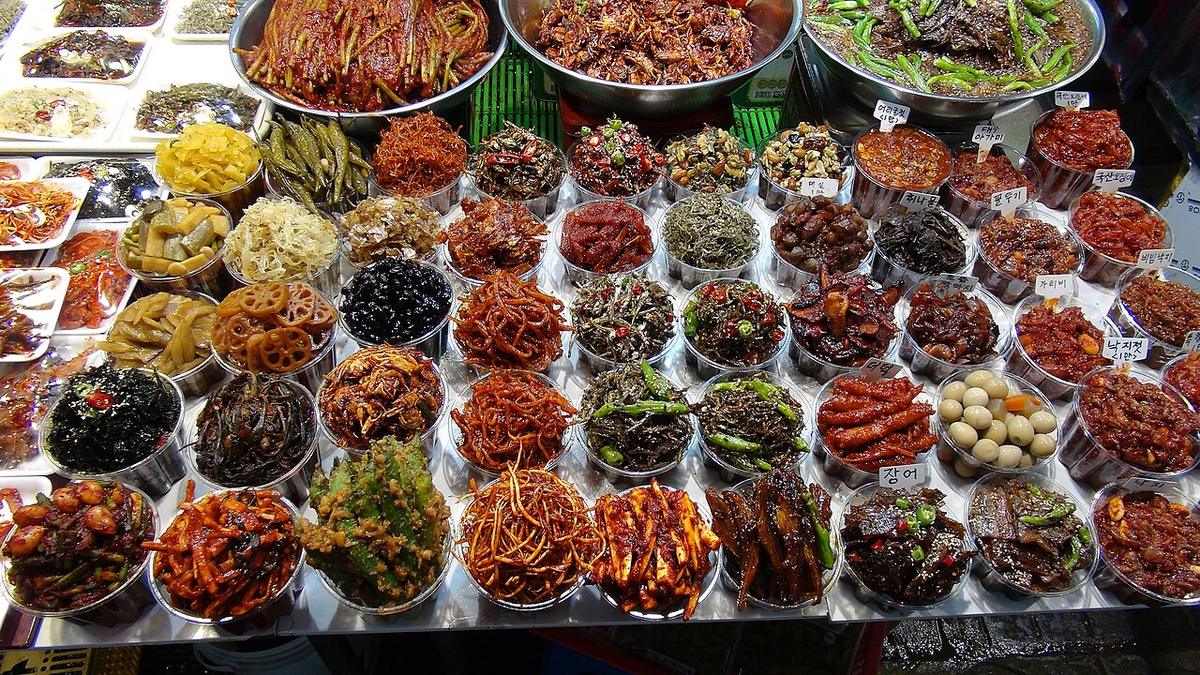
Diabetes prevention · October 22, 2026
Eating from all five food groups most days went with less type 2 diabetes in 16,666 Korean adults, and variety in dairy stood out
A Hanyang University team followed middle-aged and older Koreans for about six years, asking about their diet up to three times. Men whose daily plates covered the most food groups had 44% fewer new diabetes cases than men who covered the fewest; in women the gap was 27%. Variety within some groups mattered too, but not within all of them.
Read the analysis
Infant feeding · October 22, 2026
Six months of breastfeeding went with leaner growth curves to age five in 8,500 US children, but only in the girls
A Utah State University study followed children born across the US in 2001 from 9 months to kindergarten age. Girls breastfed for six months or longer grew along lower BMI curves than girls who were never breastfed. In boys, the curves for every feeding group almost overlapped.
Read the analysis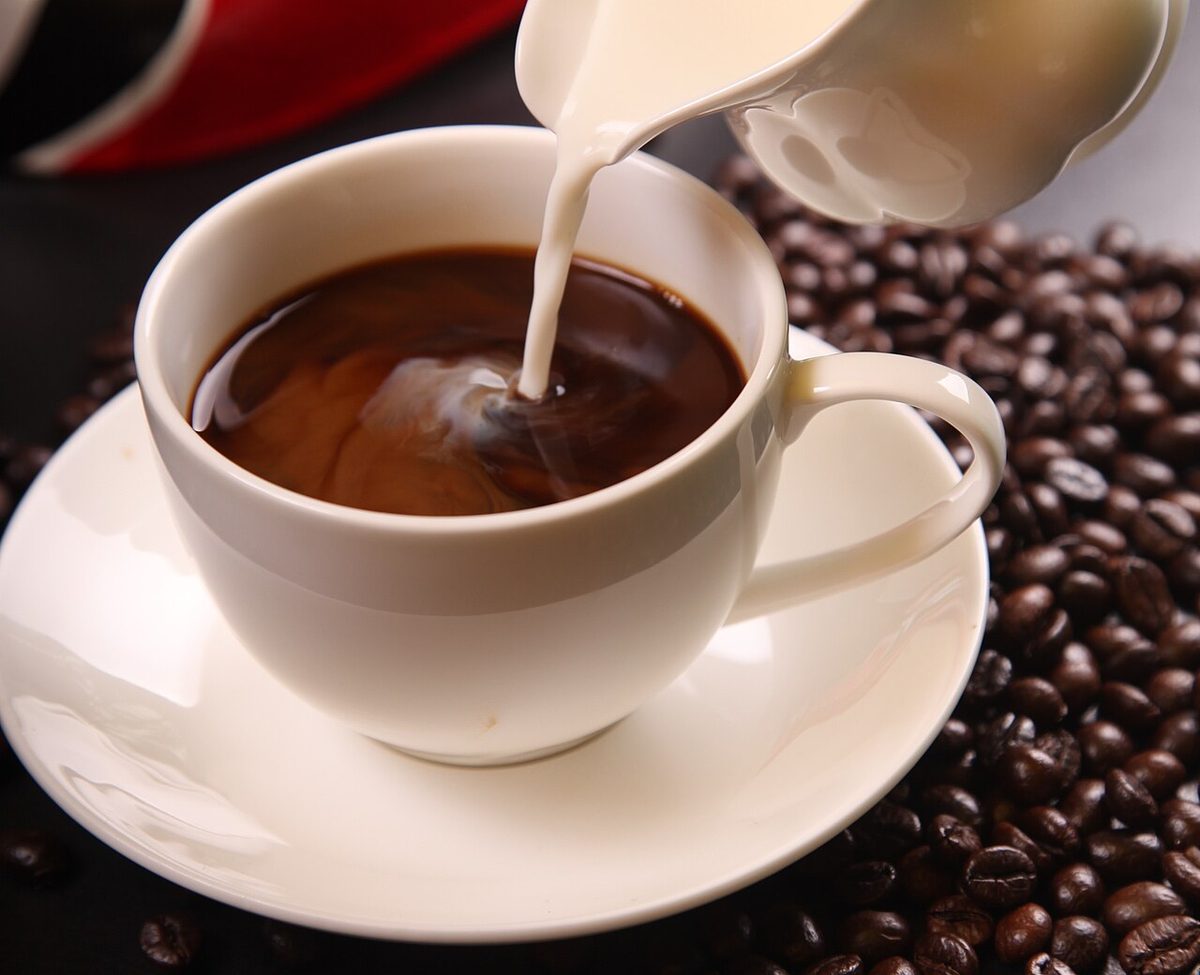
Coffee and drinks · October 22, 2026
Americans drank the same amount of coffee for 15 years, but the cup gained 40% more calories. The surprise culprit wasn't sugar
Tufts University researchers went back through 15 years of US national food diaries from 30,459 adults. The coffee itself barely changed. What went into it did: by 2018, non-dairy creamer had overtaken both sugar and milk as the biggest source of calories in the cup.
Read the analysis
Heart health · October 22, 2026
CoQ10 helps some weak hearts. For the stiff kind of heart failure, which is half of all cases, a Bristol team found just three small trials, two deaths and one result pointing each way
Coenzyme Q10 is one of the best-studied supplements in heart failure, but nearly all that work was done in people whose heart muscle pumps weakly. Researchers at the University of Bristol went looking for the trials in people whose hearts pump normally but fill badly. Here is what they found, and why the honest answer for now is 'we don't know'.
Read the analysisFrom our articles
Read, then eat a little better
Plain-language guides on nutrition and wellness, backed by research.

Women's health
Inositol for PCOS: the 40:1 ratio, trial doses, and food milligrams
Why do randomized trials in polycystic ovary syndrome prioritize the 40:1 myo to D-chiro inositol ratio? Here is the science behind the ovarian epimerase paradox, clinical ovulation and insulin metrics, and why cantaloupe cannot replace 4,000 mg trial powder.
21 Nov 2026

Everyday eating
Extra virgin olive oil polyphenols: the EU health claim, smoke point myths, and cooking stability
Does extra virgin olive oil degrade when cooked? What does the EU 5 mg polyphenol health claim require, how does oleocanthal act like ibuprofen, and why does oxidative stability matter more than smoke point in domestic frying? Here is the clinical and culinary data.
21 Nov 2026

Food and nutrition
L-theanine and caffeine: what cognitive trials measured on sustained attention, and milligrams in matcha vs green tea
Combining L-theanine with caffeine produces clean focus without caffeine jitters. Here is what randomized trials measured on attention-switching, EEG alpha brain waves, and the exact milligrams across ceremonial matcha, culinary powder, gyokuro, and sencha.
20 Nov 2026
Start with a virtual consultation
Tell Dr. Triveni what you want to change. You will leave with a clear next step, whether you are in Toronto, London, New York or Chennai.