Newsfeed
Nutrition research, analysed
A new analysis every hour. Each one covers a recent study or report: What was found, the numbers behind it and the sources to check. We write about research from the last two weeks, not the news of the day.
School meals · October 23, 2026
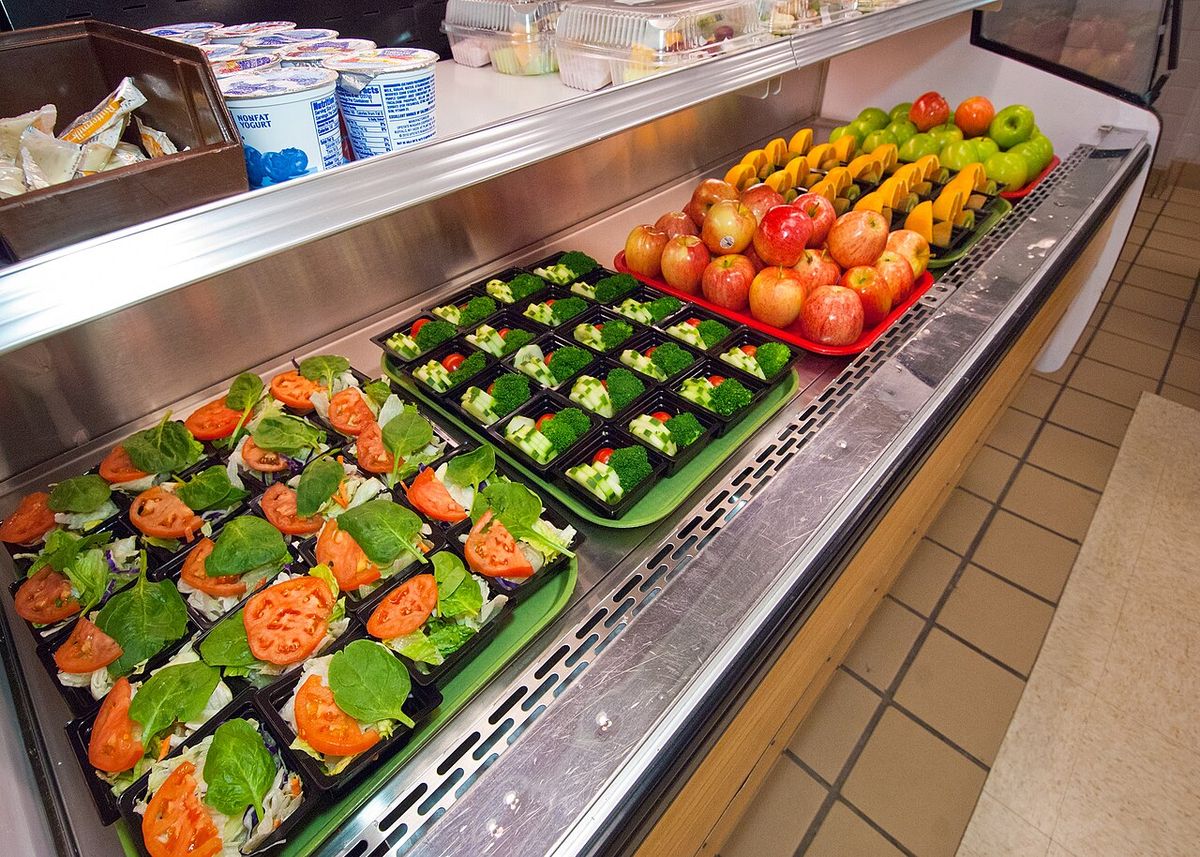
Less ultra-processed food in the school canteen, more pupils passing the reading test? 49 California schools rose 5.5 points in English, but not in maths
A group of California school districts signed up to a programme that swaps ultra-processed canteen food for meals cooked from minimally processed ingredients. Researchers compared their test results with about 2,460 schools that did not. English scores rose and stayed up for four years. Maths barely moved, and three of the nine authors work for the programme.
Read the analysis
Exercise and caffeine · October 23, 2026
Caffeine plus your favourite playlist: in one small trial exercise felt far easier, in another it felt slightly harder. Five experiments, 88 people, and a review that refuses to promise you anything
Lots of people drink a coffee and put their headphones in before a workout. A team in Beijing found every experiment that tested the two together. There were five, the biggest had 23 people, and the results swung from a large drop in how hard exercise felt to none at all. Enjoyment was the one thing that went the same way every time.
Read the analysis
Food and social media · October 23, 2026
Recipe clips several times a day, mukbangs to unwind, ChatGPT to fact-check: 53 young adults in Jamaica and the UK explain how food videos get past their guard, and why most of the healthy-eating ones stay on the screen
An Oxford team ran 12 focus groups with 18 to 25 year olds who watch food videos every week. They spot sponsored posts, read the comments for bots and drop dietitians who launch their own protein powder. Yet a McRib advert still tempts a pescatarian, and healthy eating is something they plan to start later, when they have the money.
Read the analysis
Food as medicine · October 23, 2026
Free healthy groceries, meal deliveries and produce vouchers for people with type 2 diabetes who struggle to afford food: across 7 US trials, fewer households went short of food, but average blood sugar barely moved
A Toronto team pooled every randomised trial that gave people with diabetes healthy food at no cost. Food insecurity fell in all four trials that measured it. The drop in HbA1c, the three-month blood sugar marker, was a tenth of a point and could have been chance, and most of the trials lost a quarter of their volunteers along the way.
Read the analysis
Exercise recovery · October 23, 2026
Beetroot juice, citrulline-boosted watermelon juice or a tub of amino-acid powder for legs that ache two days after a workout? 19 small trials, 356 people: beetroot came out on top at 48 hours, the powders never beat a dummy drink, and by day three nothing did
Researchers in Korea and China pooled every placebo-controlled trial they could find of the 'nitric oxide' supplements sold for recovery. Beetroot and citrulline-boosted watermelon juice eased soreness at some time points. Plain L-arginine and citrulline malate did not stand out, the certainty was rated low, and most of the volunteers were young men.
Read the analysis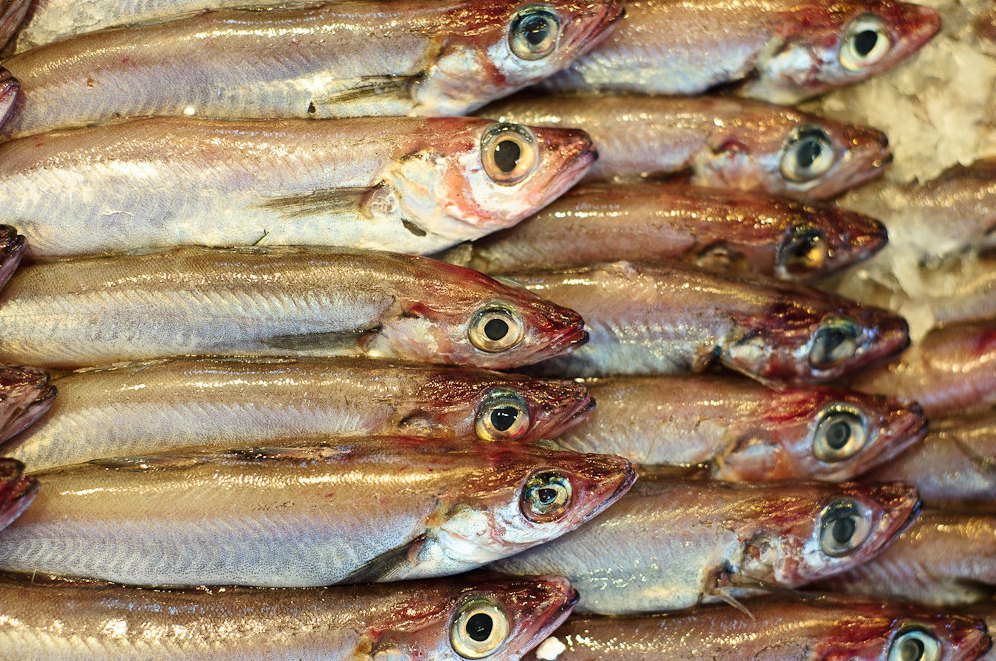
Long COVID · October 23, 2026
304 people with long COVID in Salamanca logged every meal for a week and sat a memory test. Nine vitamins showed no link to their overall scores, but one of them, B3, tracked with a single word game
Spanish primary-care researchers wanted to know whether brain fog after COVID has anything to do with vitamins in everyday food. The big answer was no. The one link that survived their statistical checks was niacin and word-finding, in a group where 95% already ate enough niacin, and the authors say it is no reason to take supplements.
Read the analysis
Hydration · October 23, 2026
On a damp 11 °C morning in Wales, 33 professional footballers sweated about 1.5 litres an hour and drank less than half of it back. With sports drinks on the touchline, 23 of 36 players took no carbohydrate at all
Researchers weighed Wrexham's players before and after a 70-minute session and stuck sweat patches on their backs. Cool weather did not mean little sweat, one player lost as much salt in an hour as another did in seven, and the low carbohydrate intake was a choice, not a shortage. The study was paid for by Gatorade's research arm.
Read the analysis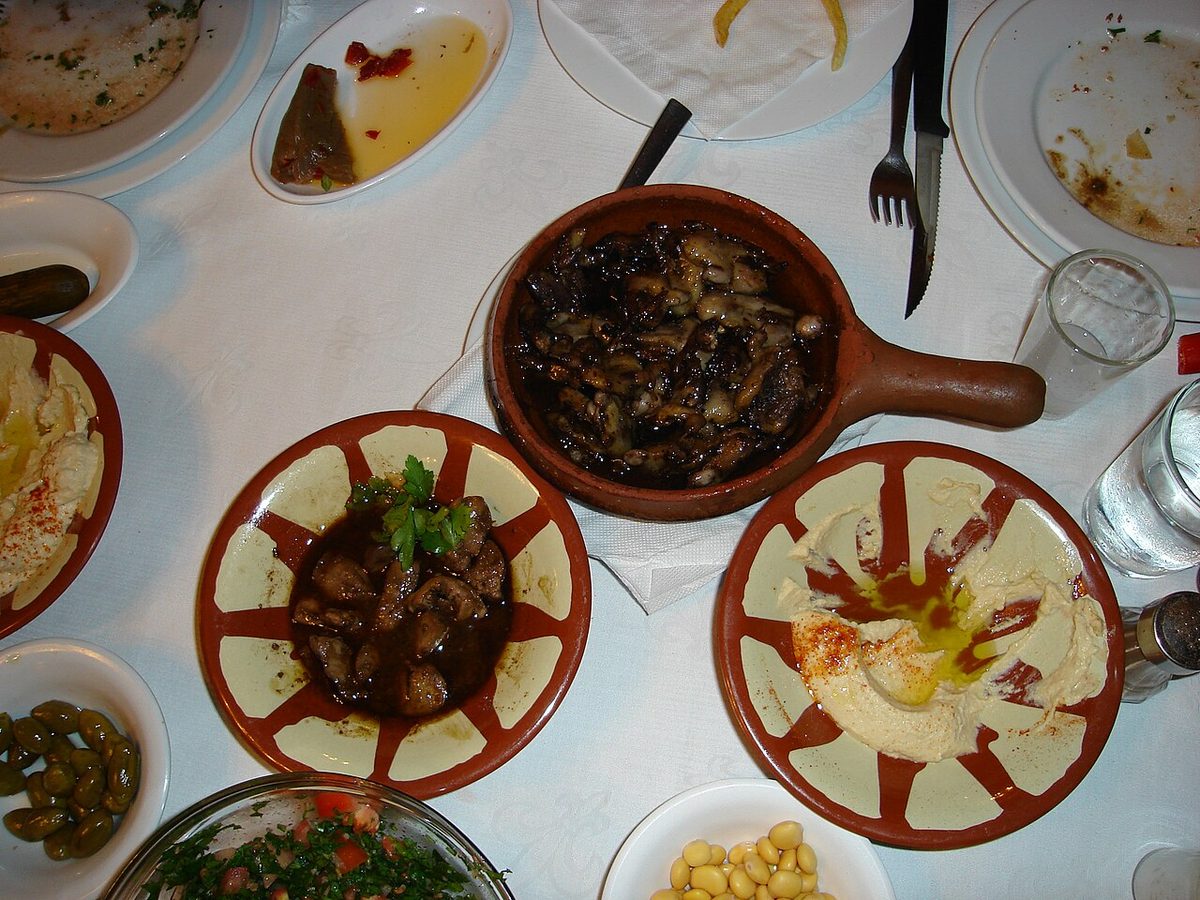
Healthy ageing · October 23, 2026
Half of 162 older adults in Beirut had low muscle mass. They ate about 7 or 8 grams less protein a day than the rest, and the shortfall was split almost evenly between meat and dairy on one side and beans and grains on the other
A Lebanese hospital study set out to ask whether animal protein beats plant protein for holding on to muscle after 60. Each extra gram of either kind went with lower odds of low muscle mass, by almost the same amount. The bigger story may be how little protein everyone ate: well under the level geriatric experts suggest.
Read the analysis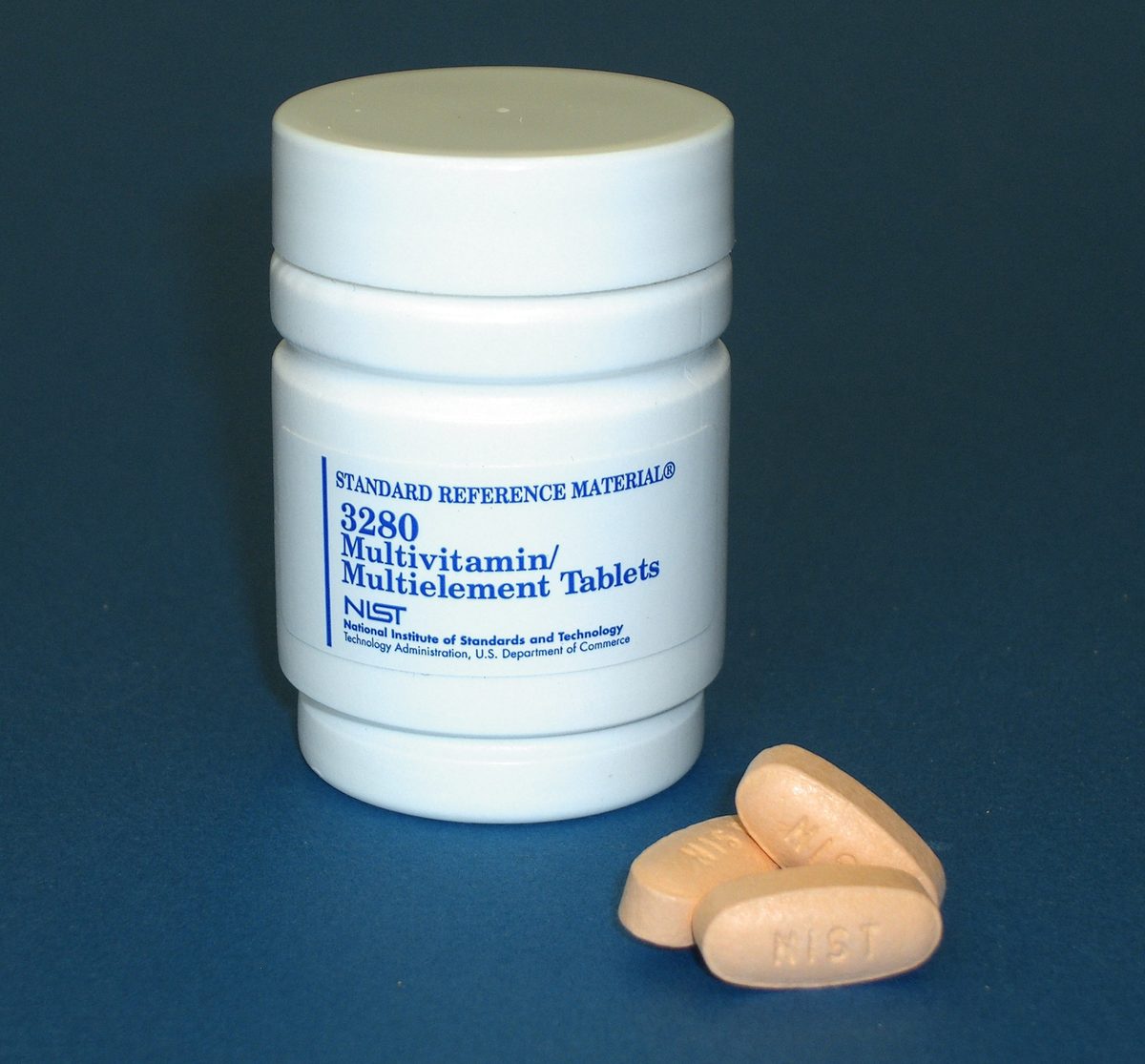
Dietary supplements · October 23, 2026
Nearly half of 600 adults in the UAE had taken supplements. Almost nine in ten of them said everyone needs supplements, at any age; among people who had never taken any, about one in eight agreed
A Gulf Medical University survey found vitamins, minerals and protein powders were the favourites, and doctors the most common source of advice. A degree went with far higher odds of use than school education alone. The beliefs gap between users and non-users was the starkest result, though a one-off online survey cannot say which came first.
Read the analysis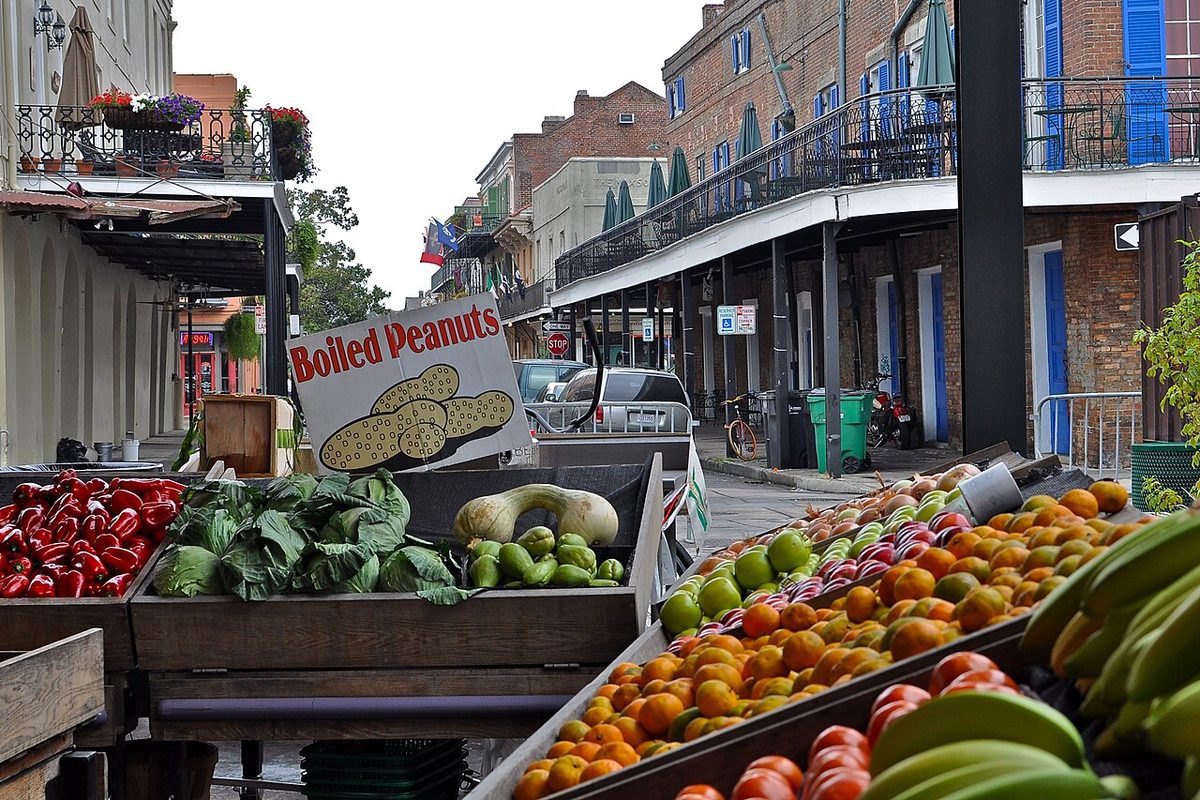
Global diets · October 23, 2026
Researchers gave the food supplies of 148 countries six different diet scores. Only the two built around blood pressure and chronic disease lined up with fewer heart deaths, and the Mediterranean score was not one of them
A Japanese team scored what each country had on its shelves in 2010 against six well-known diets, then followed heart-attack deaths to 2021. Countries higher on the DASH and Alternative Healthy Eating scores had about 9% fewer deaths for each standard step up the score. The Mediterranean, Japanese and planetary scores leaned the same way but stayed within chance, and no score clearly beat another.
Read the analysis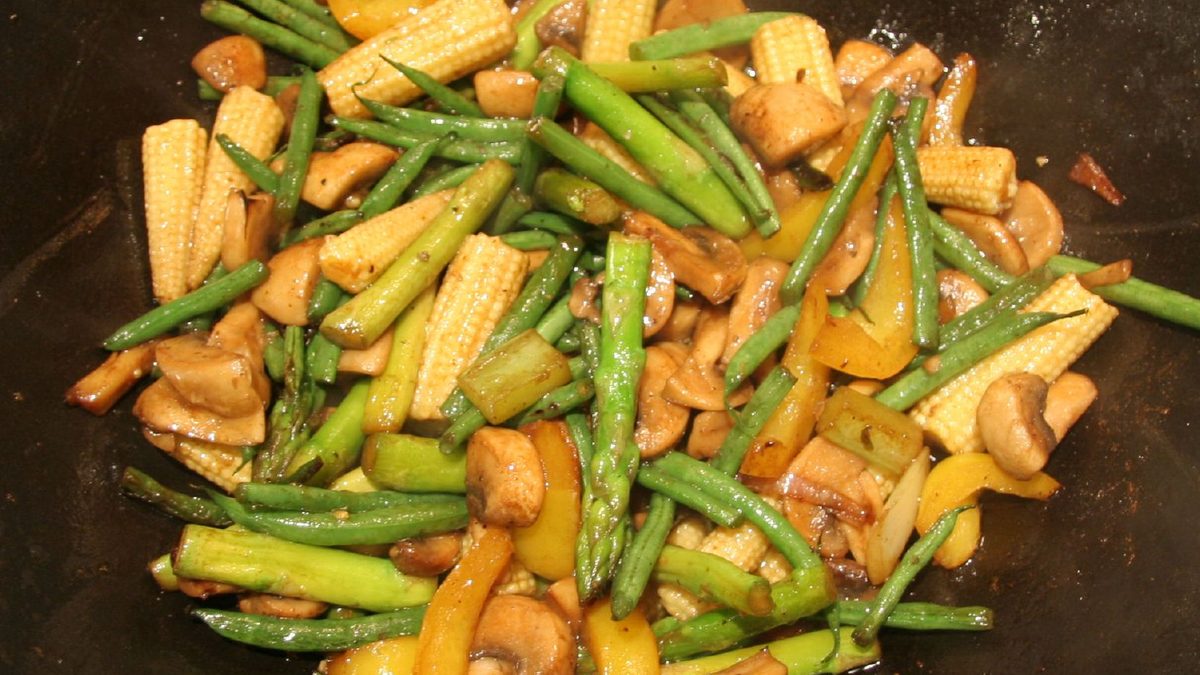
Food choices · October 23, 2026
Tell people a mostly-plant diet saves money or the planet and almost nothing changes. Tell them it lowers the risk of dying early and agreement jumps 17 points, but only among people who weren't already keen
Economists at the University of Warwick showed 303 British adults the same flexitarian diet with one of four messages: nothing extra, money saved, health or carbon. Only the health message moved intentions, by about 17 percentage points. It worked best on people who scored low on openness and conscientiousness, and did nothing for those who scored high.
Read the analysis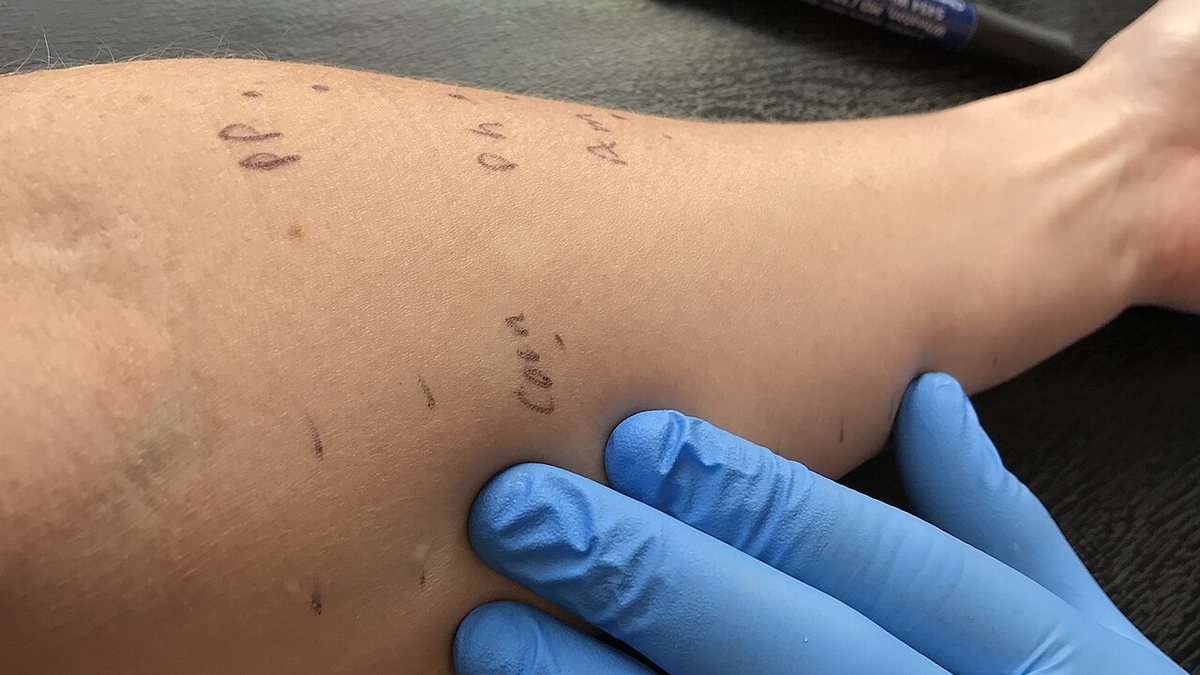
Food allergy · October 23, 2026
One in six Romanian adults said they had a food allergy. Only about one in three of those said a test had confirmed it, and fewer than half of the 500 knew that adrenaline, not an antihistamine, is the first treatment for anaphylaxis
Two studies from Timișoara set what people believe about food allergy against what testing shows. In a survey of 500 adults, 17.6% reported a food allergy but only 6.6% had one confirmed by an allergy test. Most knew a severe reaction can kill; far fewer knew what to do about it, and one in three had never heard of an adrenaline auto-injector.
Read the analysisFrom our articles
Read, then eat a little better
Plain-language guides on nutrition and wellness, backed by research.

Women's health
Inositol for PCOS: the 40:1 ratio, trial doses, and food milligrams
Why do randomized trials in polycystic ovary syndrome prioritize the 40:1 myo to D-chiro inositol ratio? Here is the science behind the ovarian epimerase paradox, clinical ovulation and insulin metrics, and why cantaloupe cannot replace 4,000 mg trial powder.
21 Nov 2026

Everyday eating
Extra virgin olive oil polyphenols: the EU health claim, smoke point myths, and cooking stability
Does extra virgin olive oil degrade when cooked? What does the EU 5 mg polyphenol health claim require, how does oleocanthal act like ibuprofen, and why does oxidative stability matter more than smoke point in domestic frying? Here is the clinical and culinary data.
21 Nov 2026

Food and nutrition
L-theanine and caffeine: what cognitive trials measured on sustained attention, and milligrams in matcha vs green tea
Combining L-theanine with caffeine produces clean focus without caffeine jitters. Here is what randomized trials measured on attention-switching, EEG alpha brain waves, and the exact milligrams across ceremonial matcha, culinary powder, gyokuro, and sencha.
20 Nov 2026
Start with a virtual consultation
Tell Dr. Triveni what you want to change. You will leave with a clear next step, whether you are in Toronto, London, New York or Chennai.