Newsfeed
Nutrition research, analysed
A new analysis every hour. Each one covers a recent study or report: What was found, the numbers behind it and the sources to check. We write about research from the last two weeks, not the news of the day.

Food marketing · October 24, 2026
The school bans the soda but keeps the logo on the scoreboard. In 134 Canadian sport centres, 86% of the food ads rated were for products of nutritional concern. A review of 42 studies finds the rules cover what is sold, not who gets to advertise
Most talk about junk food marketing to children is about TV and phones. Two researchers looked instead at the people who let brands in: school boards, parent groups, sports clubs and rink managers, trading signage, uniforms and reward schemes for cash and kit. Marketing turned up almost everywhere it was measured. Whether it changes what children actually eat is the part the evidence still cannot answer.
Read the analysis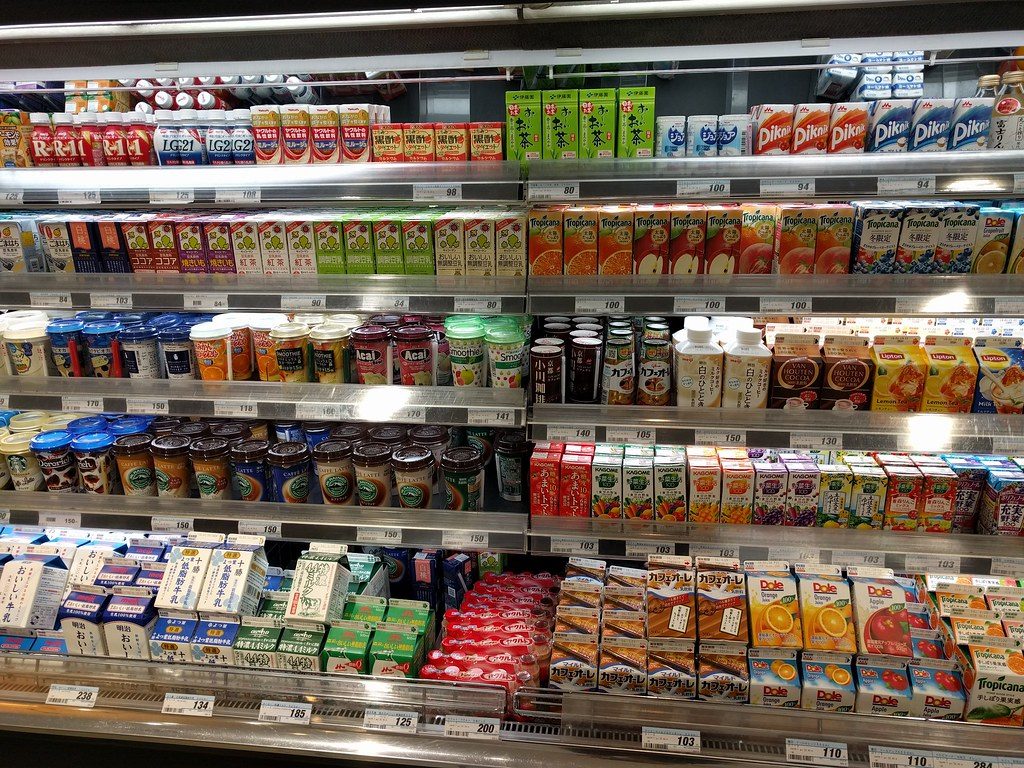
Food labels · October 24, 2026
Two in three people in Japan knew their packaged food carries a nutrition label. Only three in eight could pick out what the label has to list. Six national surveys, 60,000 people: those juggling four diet-related conditions read labels most, and teenagers knew the rules best
Since April 2020 every processed food sold in Japan must list its calories, protein, fat, carbohydrate and salt. A new analysis of the government's own consumer surveys asks who actually notices, understands and uses those numbers. Women beat men on all three, people with high blood pressure were no better at knowing what the label must show, and 15 to 19 year olds outscored everyone on the knowledge question.
Read the analysis
Children's nutrition · October 23, 2026
Do diet drinks make children hungrier, or teach them to crave sweeter food? Two Polish paediatricians went through every child study they could find. Kids in an 18-month trial felt just as full, and nobody has yet tested the craving question properly
Sucralose, aspartame and stevia are now in drinks, yoghurts and snacks marketed to children, and in one study three in four Chilean three-year-olds had eaten or drunk at least one of them. Parents hear two worries: that sweeteners make children hungry, and that they train a sweet tooth. A new review sorts what has actually been measured in children from what has only been shown in mice and adults.
Read the analysis
Food safety and cooking · October 23, 2026
Beetroot peel powder in fried meatballs: at half a percent, acrylamide went up 13%. At one percent it didn't, but fat oxidation did. Sunflower, corn or hazelnut oil made no difference to either
Food scientists keep looking for ways to turn kitchen waste into 'clean-label' ingredients, and beetroot peel, rich in red pigments sold as natural antioxidants, is a favourite. A lab in Turkey mixed it into beef meatballs and fried them at 200°C in three common oils. The peel did not hold down the cooking toxin it was hoped to, and the choice of oil changed texture and how much the meatballs shrank, not their acrylamide.
Read the analysis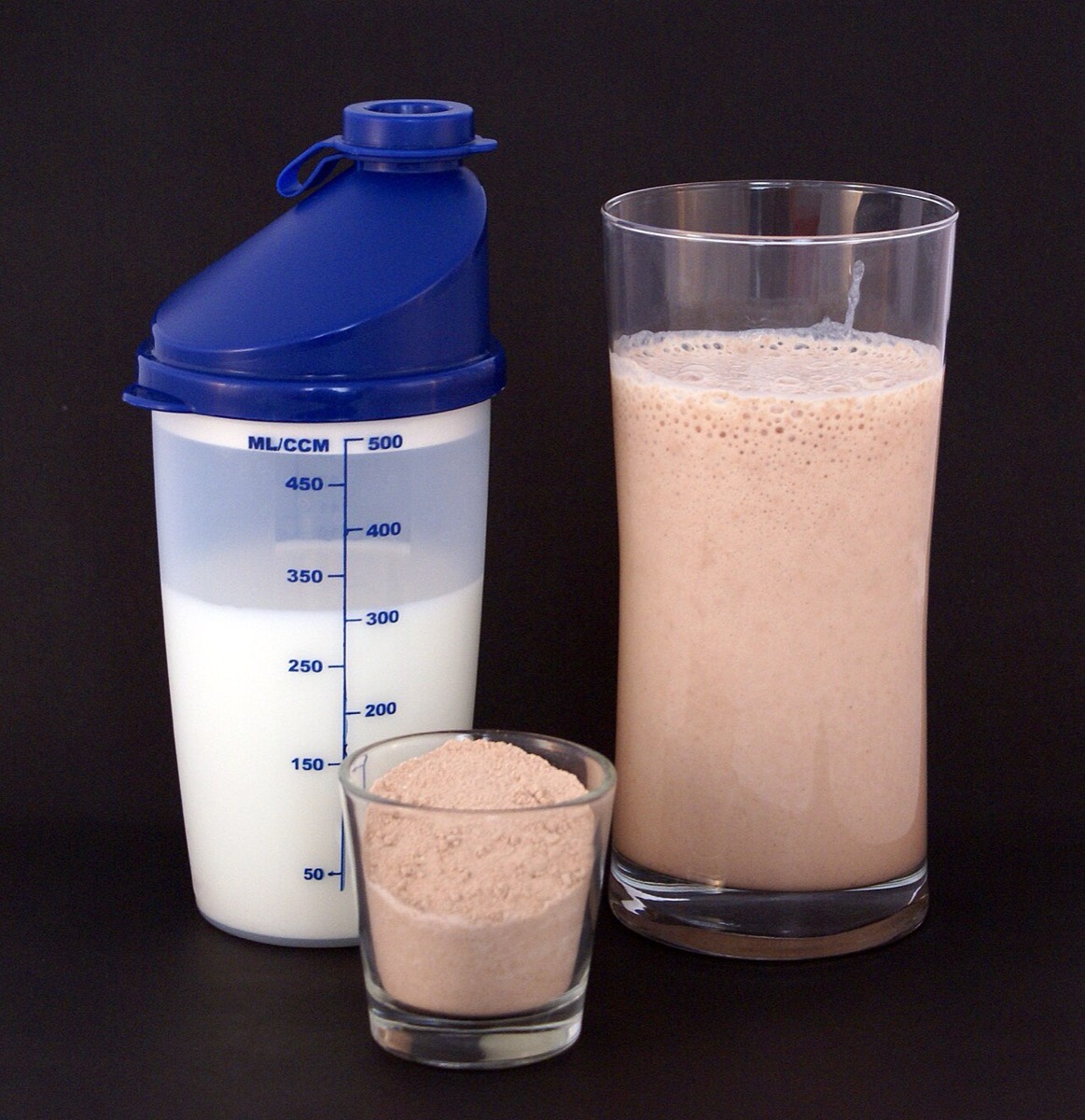
Sleep and sport nutrition · October 23, 2026
A 40-gram protein shake half an hour before bed cost 21 college athletes no sleep. Neither did a sugary drink, and the milk protein sold as the sleepy one did no better than a dummy
Sports scientists at Florida State University gave women footballers, softball players and tennis players four late-night drinks, three nights each, without telling them which was which: casein, alpha-lactalbumin, carbohydrate and a near-calorie-free placebo. Sleep time, how fast they dropped off, heart rate overnight and how rested they felt all came out the same. The old rule against eating before bed did not hold here, but neither did the hope that one powder would help.
Read the analysis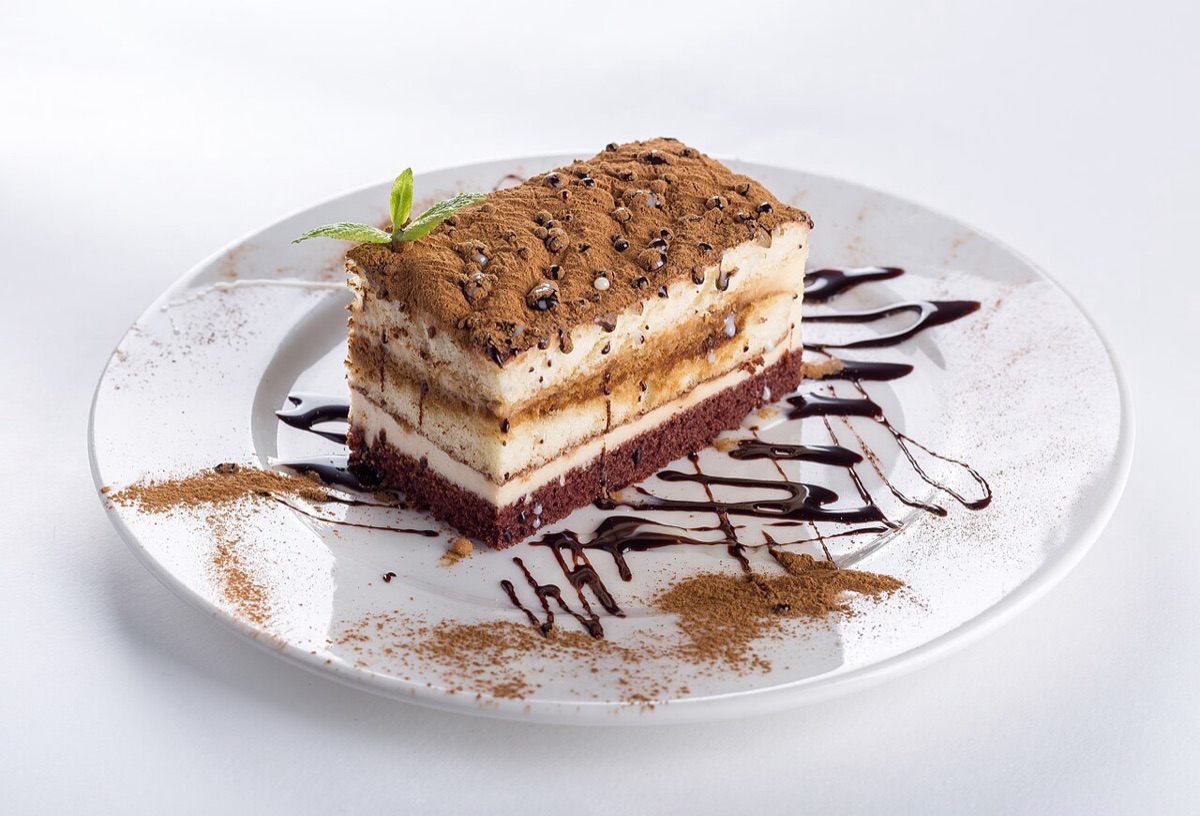
Eating behaviour · October 23, 2026
Intuitive eating is four habits, not one. In 545 students, eating for hunger rather than mood went with fewer sweets, while 'no forbidden foods' went with more cake and fast food
Two dietitians at Selçuk University in Türkiye asked 545 students how they eat, what they eat and whether they can always afford food. Choosing food for how it makes the body feel went with more vegetables, meat, eggs and beans. Giving yourself permission to eat anything went the other way. Almost four in ten students were short of food, and that blurred the picture further.
Read the analysis
Gout and drinks · October 23, 2026
Coffee drinkers had about half the odds of gout in 52 pooled studies. Alcohol and sugary drinks went the other way, for gout and for high uric acid. Coffee made no clear difference to uric acid itself
A team in Beijing pooled 52 studies from 2003 to 2024 on what people drink and two linked problems: high uric acid in the blood and gout, the painful arthritis it can cause. Alcohol and sugar-sweetened drinks went with higher odds of both. Coffee went with lower odds of gout, but only three studies fed that result and they disagreed a lot. Tea was mostly a wash.
Read the analysis
Work and diet · October 23, 2026
Working for yourself in Thailand: people who hired staff rated their health better than employees did, people who worked alone rated it worse. The diet gap in the study's title came to 0.04 of a food group
A national survey of 5,287 Thai adults of working age split the self-employed into two camps: owners with paid staff and people working on their own, like the cook at a market stall. The solo workers came out worst on health, exercise, smoking and drinking. Their diets were less varied too, but by so little that the paper's own confidence interval includes no difference at all.
Read the analysis
Plant-based eating · October 23, 2026
'Where's the meat?': 2,210 rural Americans and the people at their table. Of those who said the people who matter to them wanted them to eat plant-based, 73% did; of those who strongly disagreed, 9%
A University of Vermont team surveyed rural adults across the US and interviewed 55 people in Vermont and Texas about eating mostly plants in places built on hunting, dairy and ranching. What family and friends expect lined up closely with what people ate. A partner who wants meat at every meal was a bigger hurdle for women than for men, and friends were more often an ally than a brake.
Read the analysis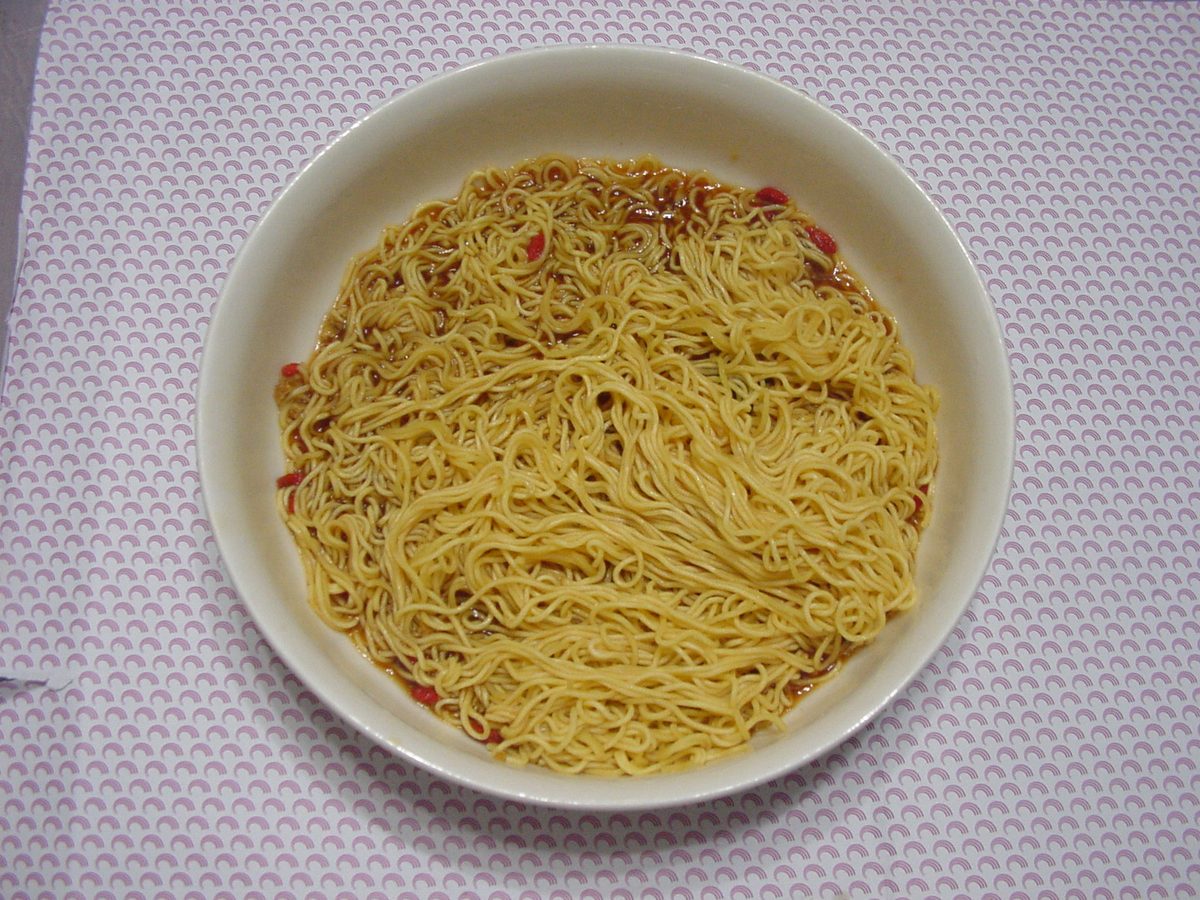
Eating habits · October 23, 2026
A belt that listens to your stomach rumble: 60 Taipei students tried it for four weeks, and the ones wearing it said their late-night snacks fell from 3.3 to 2.1 a week
A small contact microphone on an elastic waistband picked up gut sounds and sent gentle 'are you actually hungry?' prompts to students' phones. They wore it nine hours a day and said they ate slower and snacked less at night than students using an ordinary diet app. Their weight didn't move, every result was self-reported, and the trial was a pilot with gaps the authors spell out.
Read the analysis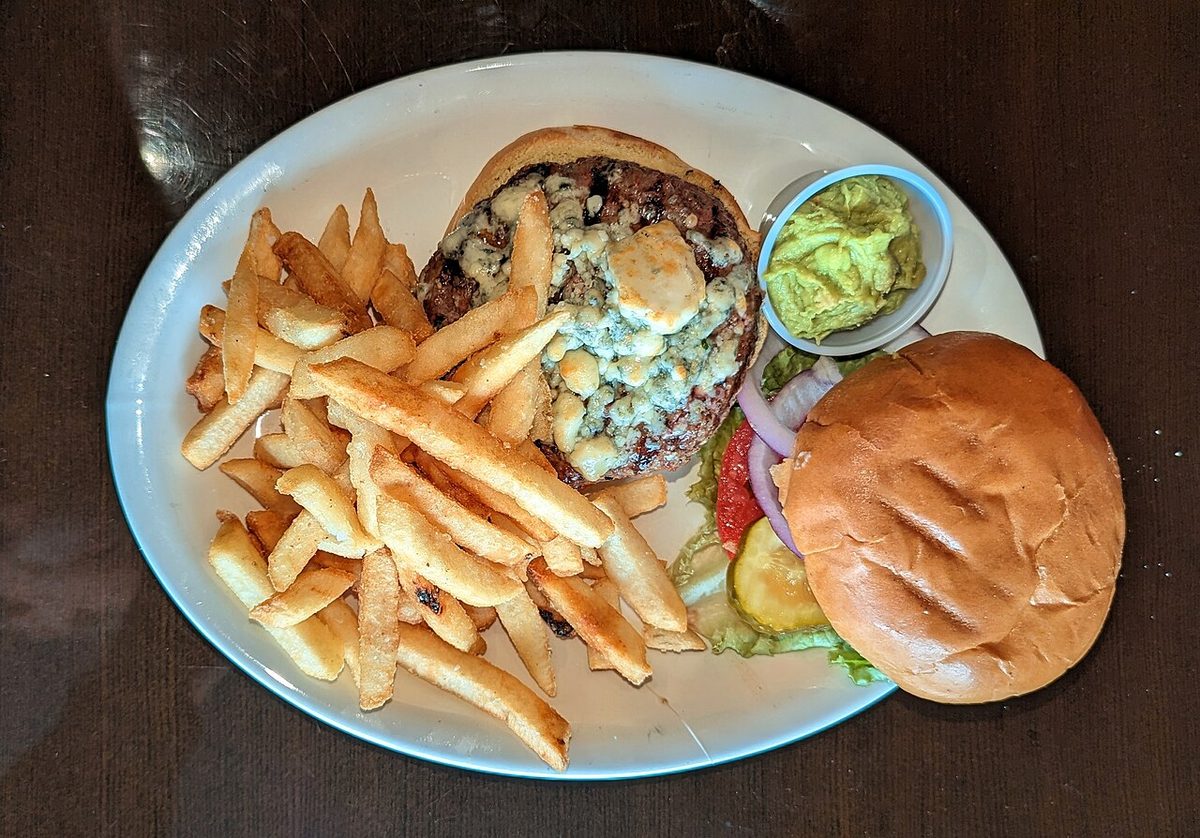
Diet and cancer · October 23, 2026
Burgers, fries and the gut bacteria that make sulfide: 95,612 older Americans who ate most like that had 2.5 times the lung cancer rate. Allow for smoking and the gap shrinks to 23%
A diet score built to track sulfur-loving gut bacteria, high in processed meat, fries and full-fat dairy and low in fruit and vegetables, went with more lung cancer in a big US screening trial. The catch: the people with the highest scores were also four times as likely to smoke, and most of the link went away once the researchers counted cigarettes.
Read the analysis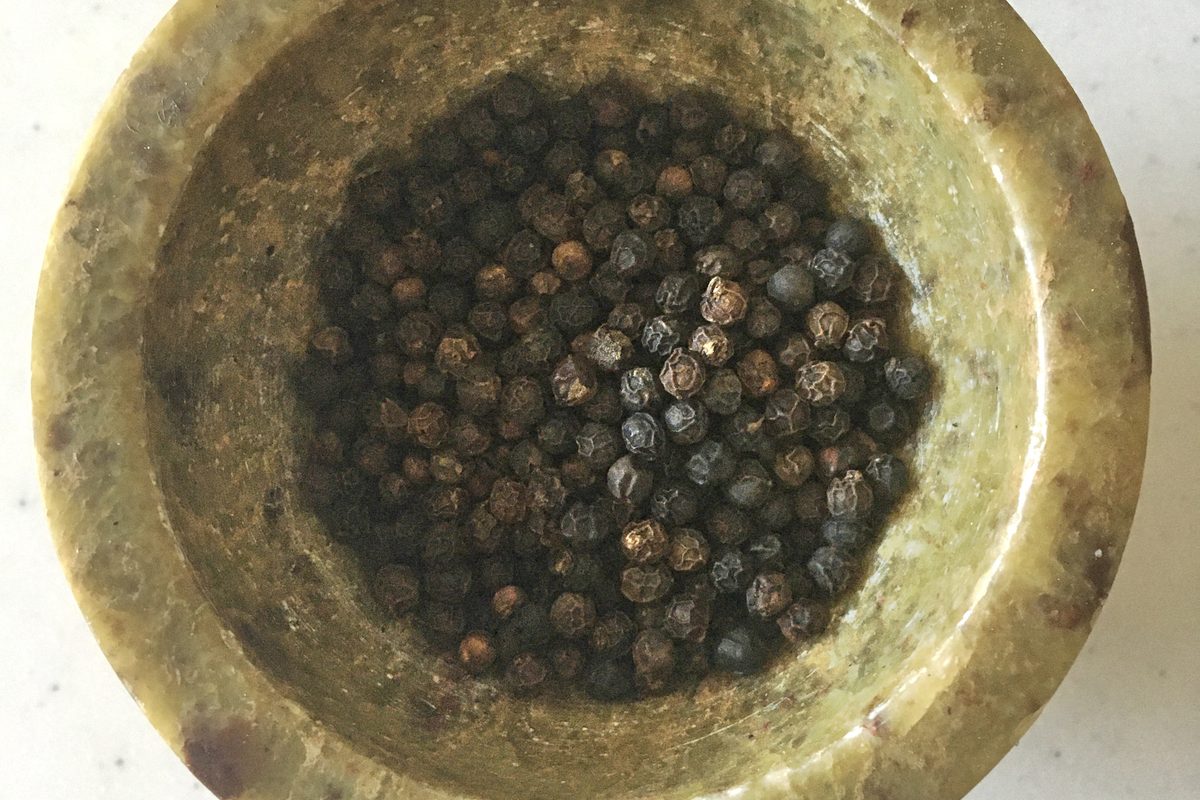
Supplement safety · October 23, 2026
'With black pepper extract for better absorption': 22 human studies behind the label claim. The boost for nutrients came mostly from the ingredient's maker; the boost for prescription drugs showed up in 12 of 14
Piperine, the hot compound in black pepper, is added to turmeric capsules and many other supplements to help them 'absorb better'. A new Perspective in Frontiers in Nutrition lined up every human study the author could find. Trials run without the piperine maker mostly found no extra curcumin, while drug studies kept finding more of the medicine in the blood.
Read the analysisFrom our articles
Read, then eat a little better
Plain-language guides on nutrition and wellness, backed by research.

Women's health
Inositol for PCOS: the 40:1 ratio, trial doses, and food milligrams
Why do randomized trials in polycystic ovary syndrome prioritize the 40:1 myo to D-chiro inositol ratio? Here is the science behind the ovarian epimerase paradox, clinical ovulation and insulin metrics, and why cantaloupe cannot replace 4,000 mg trial powder.
21 Nov 2026

Everyday eating
Extra virgin olive oil polyphenols: the EU health claim, smoke point myths, and cooking stability
Does extra virgin olive oil degrade when cooked? What does the EU 5 mg polyphenol health claim require, how does oleocanthal act like ibuprofen, and why does oxidative stability matter more than smoke point in domestic frying? Here is the clinical and culinary data.
21 Nov 2026

Food and nutrition
L-theanine and caffeine: what cognitive trials measured on sustained attention, and milligrams in matcha vs green tea
Combining L-theanine with caffeine produces clean focus without caffeine jitters. Here is what randomized trials measured on attention-switching, EEG alpha brain waves, and the exact milligrams across ceremonial matcha, culinary powder, gyokuro, and sencha.
20 Nov 2026
Start with a virtual consultation
Tell Dr. Triveni what you want to change. You will leave with a clear next step, whether you are in Toronto, London, New York or Chennai.