Newsfeed
Nutrition research, analysed
A new analysis every hour. Each one covers a recent study or report: What was found, the numbers behind it and the sources to check. We write about research from the last two weeks, not the news of the day.

Food and emotions · October 24, 2026
Quick to anger, hard to stop eating? In 1,138 Leipzig adults, a short temper went with more 'food addiction' symptoms, even after personality was taken into account
Researchers in Leipzig asked over a thousand people how easily they get angry and how much control they have over eating. The angrier ones reported more addiction-like eating, and that link held up after the Big Five personality traits, social support and drinking were allowed for. How people handled their anger, bottling it up or letting it out, mattered much less. The effect is small and the data are a snapshot, but it puts a new emotion on the map of why some eating feels out of control.
Read the analysis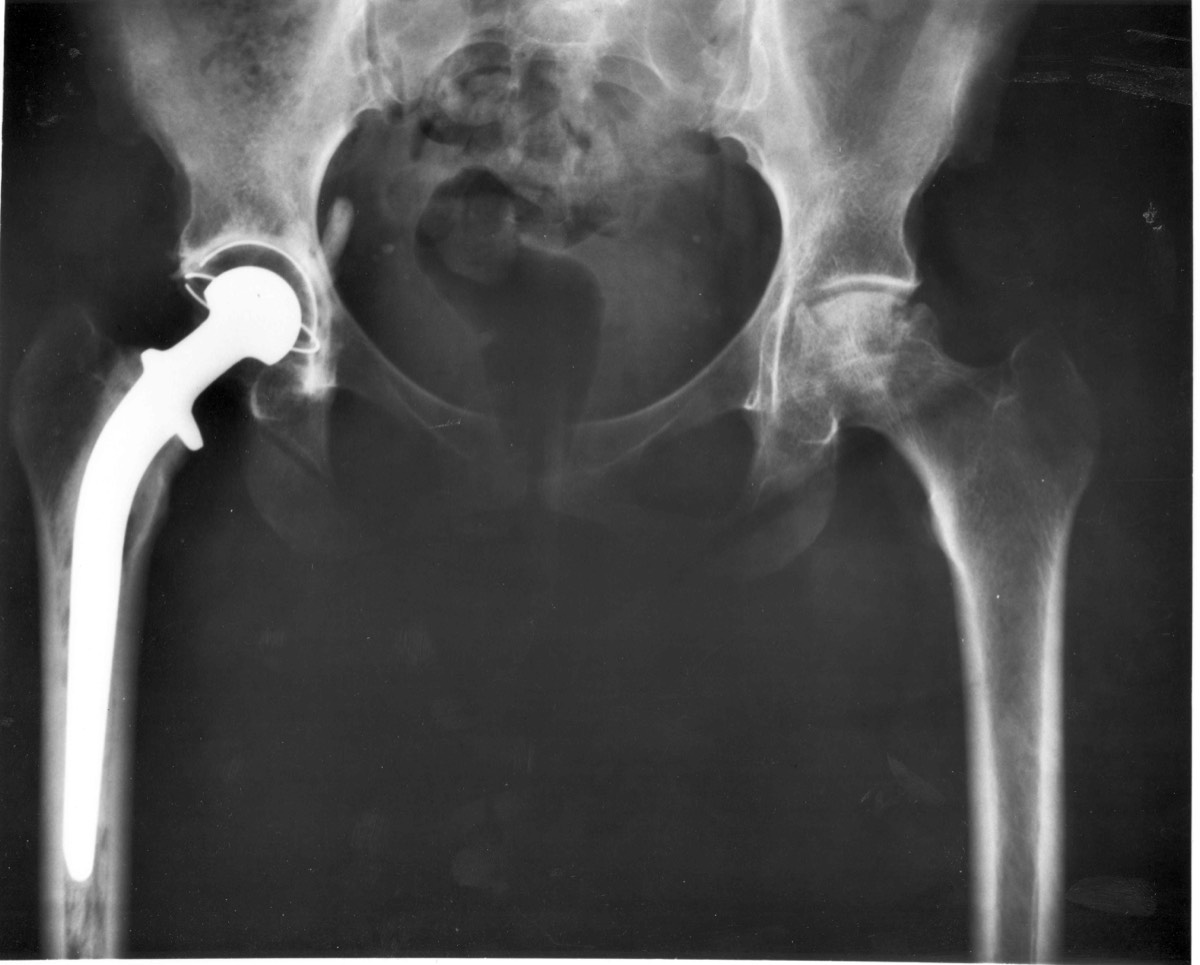
Surgery and recovery · October 24, 2026
Two weeks of 'training' for a new hip: 71 patients in Turkey took a daily whey shake and did home exercises before surgery, and went home almost two days sooner
A team in Kütahya gave half their hip replacement patients 25 g of whey protein a day plus a simple home exercise plan for the 14 days before the operation. Those patients were more independent after surgery and left hospital after about 5 days instead of 7. It is a small, open-label trial with some loose ends, but the idea behind it is gaining ground: get ready for surgery the way you'd get ready for a race.
Read the analysis
Teen sleep · October 24, 2026
Is there a 'vitamin sleep' for teenagers? 80 US teens logged their meals and wore sleep trackers. Potassium went with slightly sounder sleep, zinc and B12 with later nights, and no nutrient helped across the board
Psychologists and a dietitian at Brigham Young University checked 26 vitamins and minerals against a week or more of wrist-tracked sleep in 14- to 18-year-olds. The teens ate less potassium than recommended, and those who ate more slept a little more soundly. The study was small and can't show cause and effect, and the authors are clear: there is no sleep vitamin yet.
Read the analysis
Salt substitutes · October 24, 2026
A swap at the salt shaker lowers blood pressure, and Australian supermarkets sell it. Of 99 clinicians who treat high blood pressure, 13 had suggested it to a patient in the past year
Potassium-enriched salt replaces part of the sodium with potassium, and a large trial linked it to fewer strokes. Researchers asked Australian doctors, pharmacists and dietitians what they make of it. Nearly all had heard of it. Few could name a brand, many weren't sure where to buy it, and some worried about the patients it could harm.
Read the analysis
Nutrition knowledge · October 24, 2026
Four in five Chongqing pupils in their first three school years passed a food quiz. By senior high, one in five did. On a question about leftovers and meat frozen for over a year, 4% of the oldest got it right
Public-health researchers quizzed 4,980 pupils in Chongqing, south-west China, on what to eat, how food affects health and how to store it safely. The pass rate fell at every stage of school, from 81% in the first three years of primary to 22% in senior high. But each age group sat a different test, and the authors admit the slide may partly be down to harder questions.
Read the analysis
Pregnancy nutrition · October 24, 2026
Blood tests in pregnancy are judged against one normal range. In 43 healthy pregnancies, some levels moved by more than half
Doctors in eastern China took blood from the same 43 healthy pregnant women in each trimester and measured seven minerals and ten vitamins. Folate fell by more than a third despite supplements, vitamin K more than doubled, and iron, magnesium and zinc all dipped in mid-pregnancy before recovering. A single 'normal' cut-off, the authors argue, can make a healthy pregnancy look deficient, or hide a real shortfall.
Read the analysis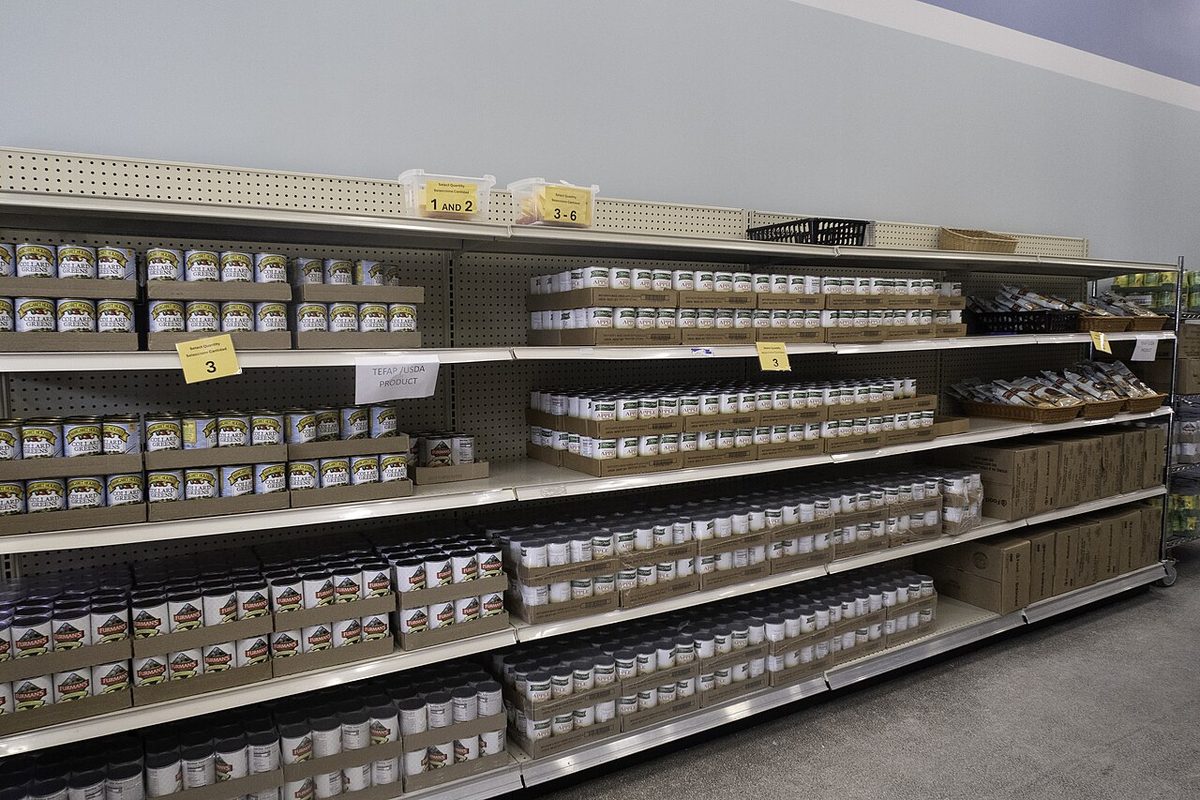
Nutrition research methods · October 24, 2026
A diet survey drew 1,337 sign-ups through a QR code. One in five came from someone who had already signed up
A USDA-funded team in Mississippi, Arkansas and Louisiana put QR codes on flyers at food banks and clinics to find people for a diet study. Of 1,337 sign-ups, 273 repeated a name, email or phone number already on the list. When the researchers phoned to check, the usual reason was not fraud: people just wanted to be sure their form had gone through.
Read the analysis
Mediterranean diet · October 24, 2026
Their Mediterranean diet scores said nothing about anxiety. Two of the 14 questions inside the score told a different story
In a small online survey of 115 adults, people who used four or more tablespoons of olive oil a day, or kept red and processed meat under two servings a week, scored lower on anxiety. The total diet score, which adds those answers to a dozen others, showed no link at all. The authors think the parts may be pulling in different directions and cancelling out, though none of the results survived the statistics for testing many things at once.
Read the analysis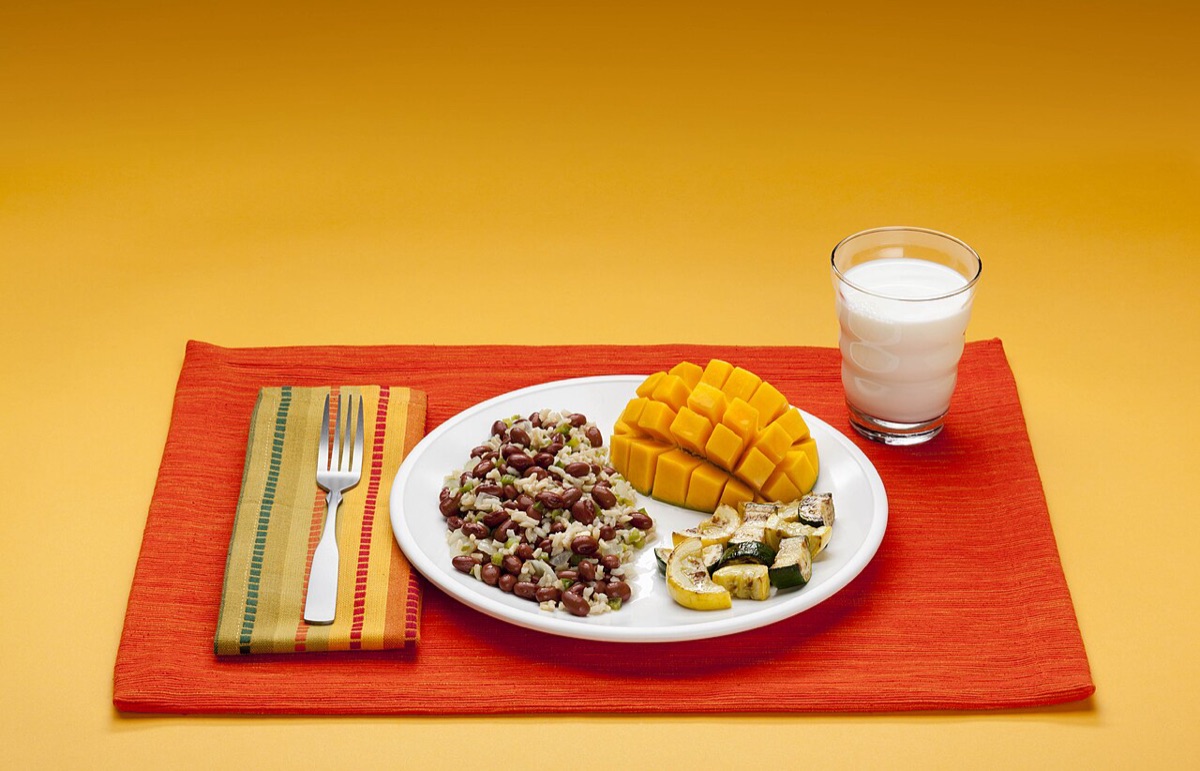
Mood and diet · October 24, 2026
A diet built to lower blood pressure went with fewer depressive symptoms in 3,465 Chinese adults, but only for those starting from the bottom. Past the halfway mark on the score, eating better made no further difference
People whose meals came closest to the DASH pattern of fruit, vegetables, whole grains, beans and low-fat dairy had roughly half the odds of depressive symptoms of those whose meals came furthest from it. Almost all of that gap sat at the low end of the score. It is a one-off survey from a hospital check-up clinic, so it cannot say whether the food lifts mood or low mood empties the plate.
Read the analysis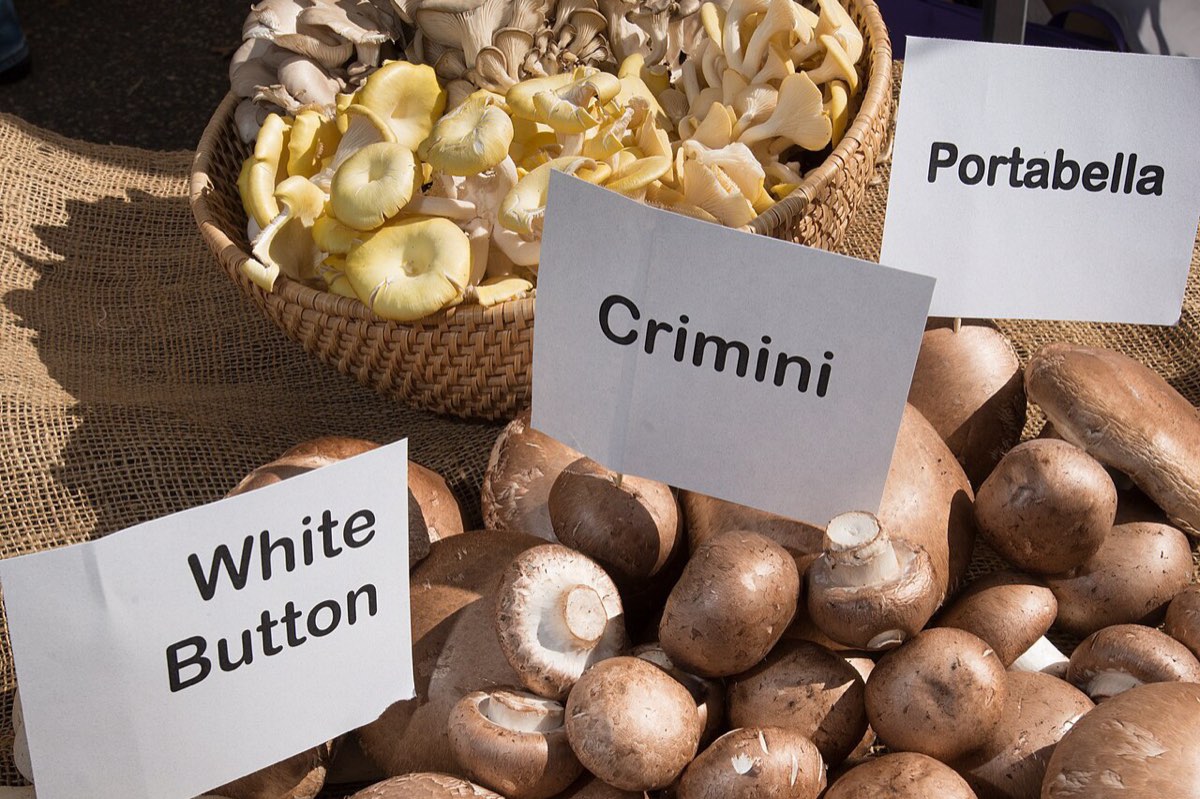
Brain health · October 24, 2026
Mushrooms or seaweed every week went with fewer signs of cognitive impairment in 11,636 Chinese adults over 65, but only on plates that already held a wide mix of foods. On a narrow diet, the weekly mushrooms made no difference
Older people who ate five or more kinds of food each week and mushrooms or algae as well had about a third lower odds of cognitive impairment than those who did neither. Variety alone did most of the work. A single survey cannot say which came first, the diet or the memory, and the people with the best diets also had more schooling and exercised more.
Read the analysis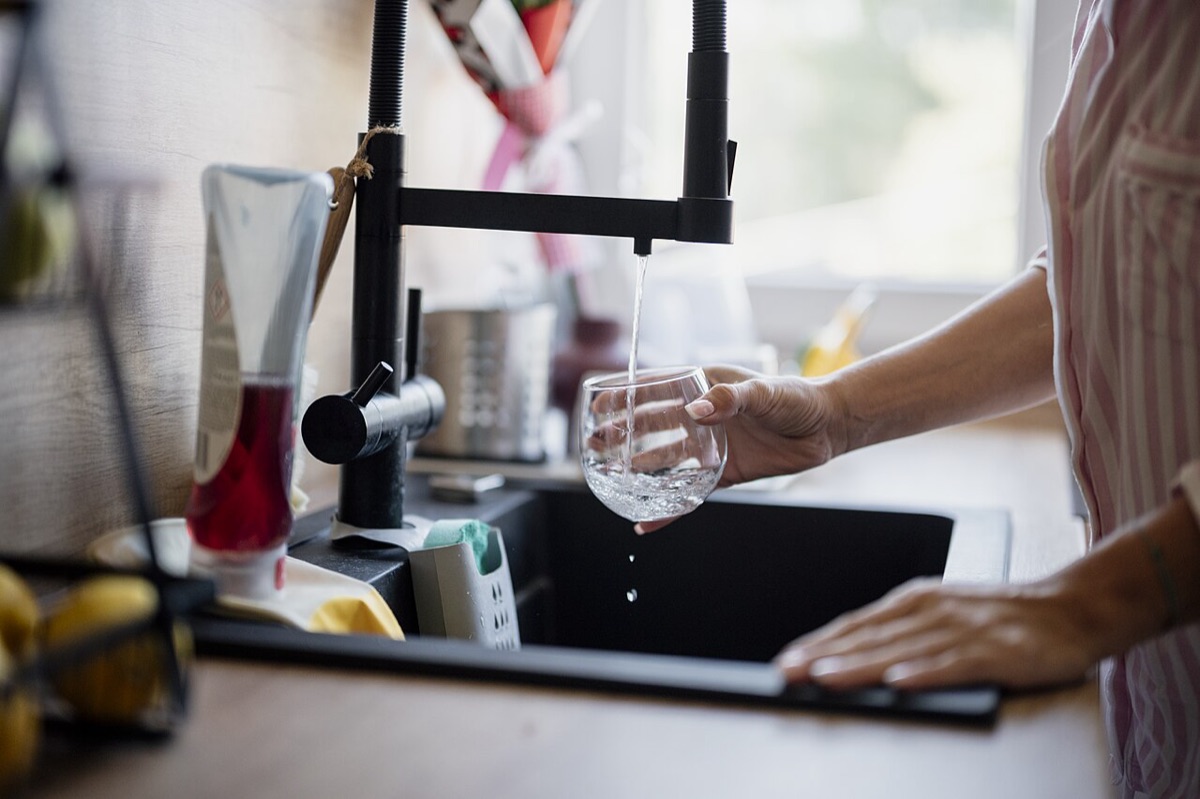
Children's drinks · October 24, 2026
A juice box or a glass of tap water in the dentist's waiting room: an hour later, 85% of children who drank the juice had raised insulin in their saliva, against 25% of those given water. In heavier children, the water's edge was much weaker
105 San Francisco children spat into a tube, drank what a sealed envelope told them to, or nothing at all, and spat again before their check-up. Water left saliva insulin lower than apple juice or an empty hand, and shifted hundreds of other molecules too. What that means for their bodies, rather than their mouths, nobody can say yet.
Read the analysis
Sustainable eating · October 24, 2026
Grandparents' plates carry a smaller climate footprint than their children's, mostly because they hold less food. In 2,348 Dutch adults, men born 1930 to 1945 ate 18% lower emissions a day than Generation X men, and per calorie the gap nearly disappeared
A Dutch town has been answering food questionnaires since the late 1980s. Sorting the latest round by generation, researchers found the oldest ate more fruit, dairy and tea and less beef, while Generation X men got slightly more of their protein from plants. Who looks greener depends on whether you count the whole plate or each calorie on it.
Read the analysisFrom our articles
Read, then eat a little better
Plain-language guides on nutrition and wellness, backed by research.

Women's health
Inositol for PCOS: the 40:1 ratio, trial doses, and food milligrams
Why do randomized trials in polycystic ovary syndrome prioritize the 40:1 myo to D-chiro inositol ratio? Here is the science behind the ovarian epimerase paradox, clinical ovulation and insulin metrics, and why cantaloupe cannot replace 4,000 mg trial powder.
21 Nov 2026

Everyday eating
Extra virgin olive oil polyphenols: the EU health claim, smoke point myths, and cooking stability
Does extra virgin olive oil degrade when cooked? What does the EU 5 mg polyphenol health claim require, how does oleocanthal act like ibuprofen, and why does oxidative stability matter more than smoke point in domestic frying? Here is the clinical and culinary data.
21 Nov 2026

Food and nutrition
L-theanine and caffeine: what cognitive trials measured on sustained attention, and milligrams in matcha vs green tea
Combining L-theanine with caffeine produces clean focus without caffeine jitters. Here is what randomized trials measured on attention-switching, EEG alpha brain waves, and the exact milligrams across ceremonial matcha, culinary powder, gyokuro, and sencha.
20 Nov 2026
Start with a virtual consultation
Tell Dr. Triveni what you want to change. You will leave with a clear next step, whether you are in Toronto, London, New York or Chennai.