Newsfeed
Nutrition research, analysed
A new analysis every hour. Each one covers a recent study or report: What was found, the numbers behind it and the sources to check. We write about research from the last two weeks, not the news of the day.

Produce prescriptions · October 25, 2026
A $15 prescription for fruit and vegetables at every check-up: 304 children in Flint, Michigan were followed for a year, and their blood pressure readings came down. The catch: there was no comparison group
When a third Flint children's clinic started handing out produce prescriptions in 2021, researchers enrolled 304 families with children aged 8 to 16 and tracked them for 12 months. The share of children with elevated blood pressure fell, and children whose families cashed at least one prescription in the first six months were less likely to be in the obesity range a year in. Their vegetable intake, though, did not change.
Read the analysis
Cooking oils · October 24, 2026
A street vendor's day in a lab: 12 Indian cooking oils were held at 230 °C for four hours, and the 'cold-pressed' label mattered less than what the oil was made of. Refined soybean oil went from under 1% trans fat to almost 6%
Scientists at India's National Institute of Nutrition in Hyderabad bought groundnut, sunflower, rice bran, palm, mustard, sesame, coconut and soybean oils from local markets and heated them in open steel pans for up to four hours, the stretch a frying oil does at a busy stall. Cold-pressed oils held up a little better for the first hour and worse by the fourth. Oils rich in polyunsaturated fat built up the most trans fat; coconut and rice bran oil changed least.
Read the analysis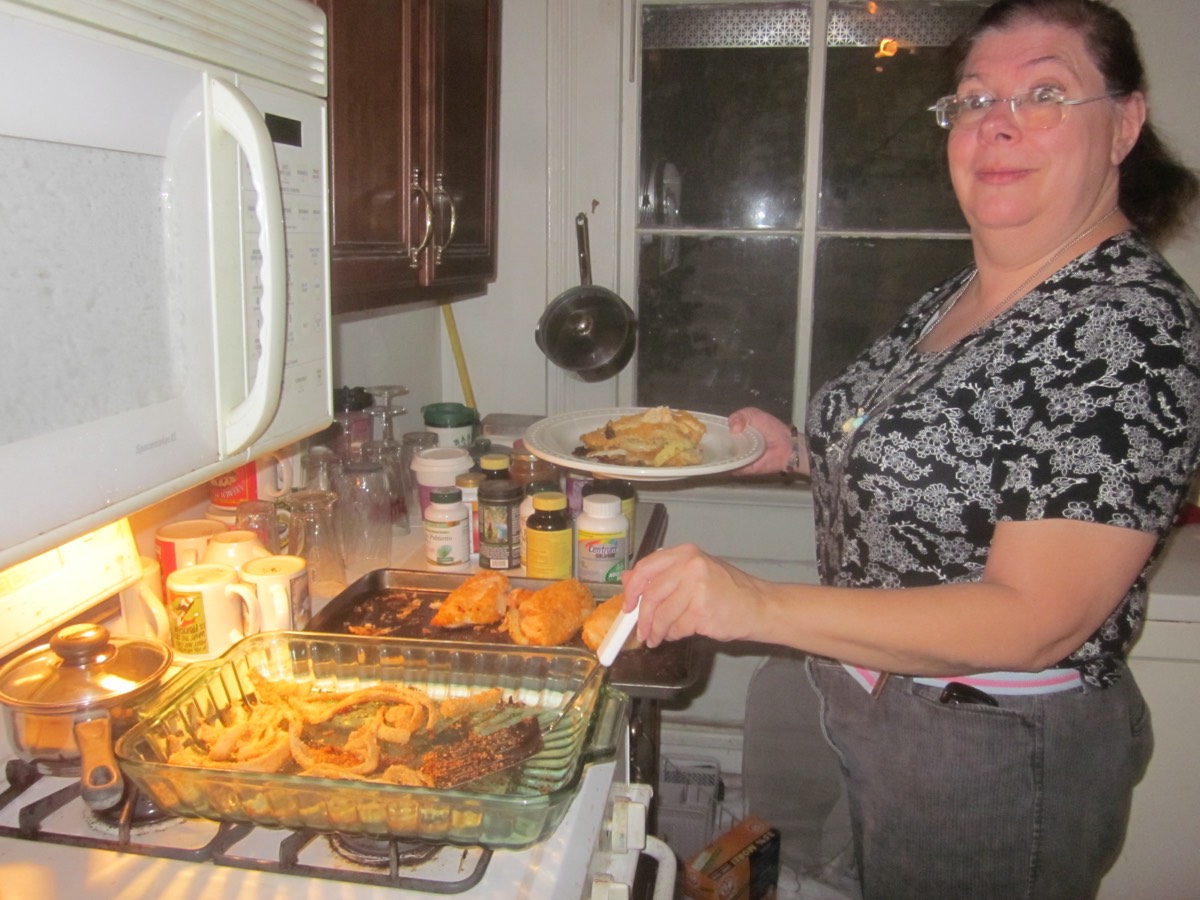
Home cooking · October 24, 2026
It isn't only knowing how to cook: 4,453 US adults were asked how confident they felt in the kitchen, whether they liked it and what got in the way, and those who scored highest cooked dinner about one more night a week and had about two fewer fast-food meals
A Johns Hopkins team looked past cooking skills to 'food agency': confidence, attitude and the time, money and kitchen that make cooking possible. In a national online survey, adults in the top quarter for food agency reported cooking dinner 5.4 nights a week against 4.1 in the bottom quarter, and about 4.7 fast-food meals a week against 6.8. Their diet scores were higher too, though only by a few points, and everyone's were low.
Read the analysis
Sports nutrition · October 24, 2026
Snap your lunch, skip the scales? 20 Serie A footballers photographed 100 canteen meals that had also been weighed, and the photo estimates landed within about 10% on calories. The catch: olive oil doesn't show up in pictures
At an Italian top-flight club, a nutritionist weighed every lunch plate while players sent photos of the same plates over WhatsApp. A second nutritionist worked out calories, carbohydrate, protein and fat from the photos alone. Across 100 meals the two methods agreed closely on average, but single meals could be out by more than 150 kcal, and fat was the hardest to judge.
Read the analysis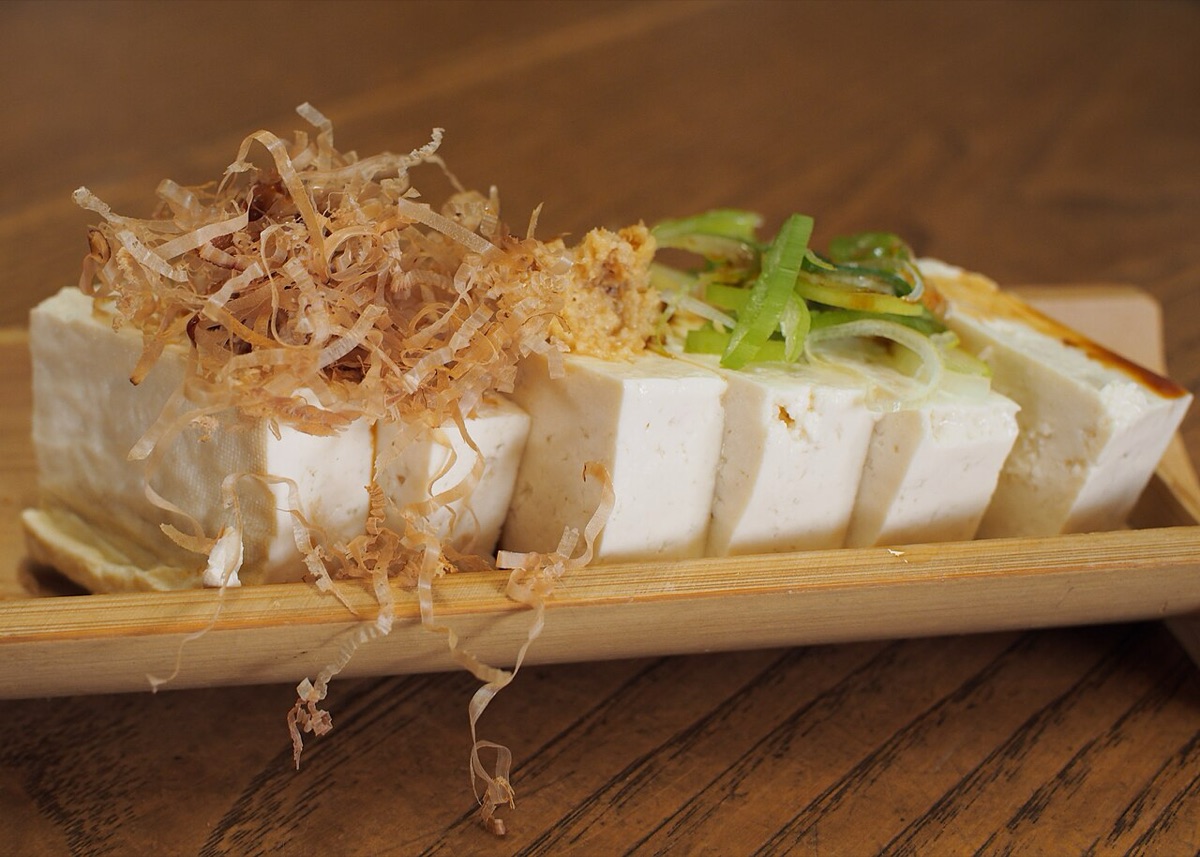
Type 1 diabetes · October 24, 2026
352 Japanese adults with type 1 diabetes, five years of follow-up: those whose diets leaned from carbohydrate towards plant protein and fat had fewer heart attacks, strokes and deaths. The catch is in the maths, and the top scorers ate more carbohydrate in grams
A Tokyo team scored the diets of 352 adults with type 1 diabetes on how far they tilted away from carbohydrate and towards protein and fat, then counted serious events over about five years. Each extra point on the plant-based version of the score went with 15% lower risk. But the link only appeared once the analysis allowed for how much people ate overall, and with 35 events in total, the numbers are small.
Read the analysis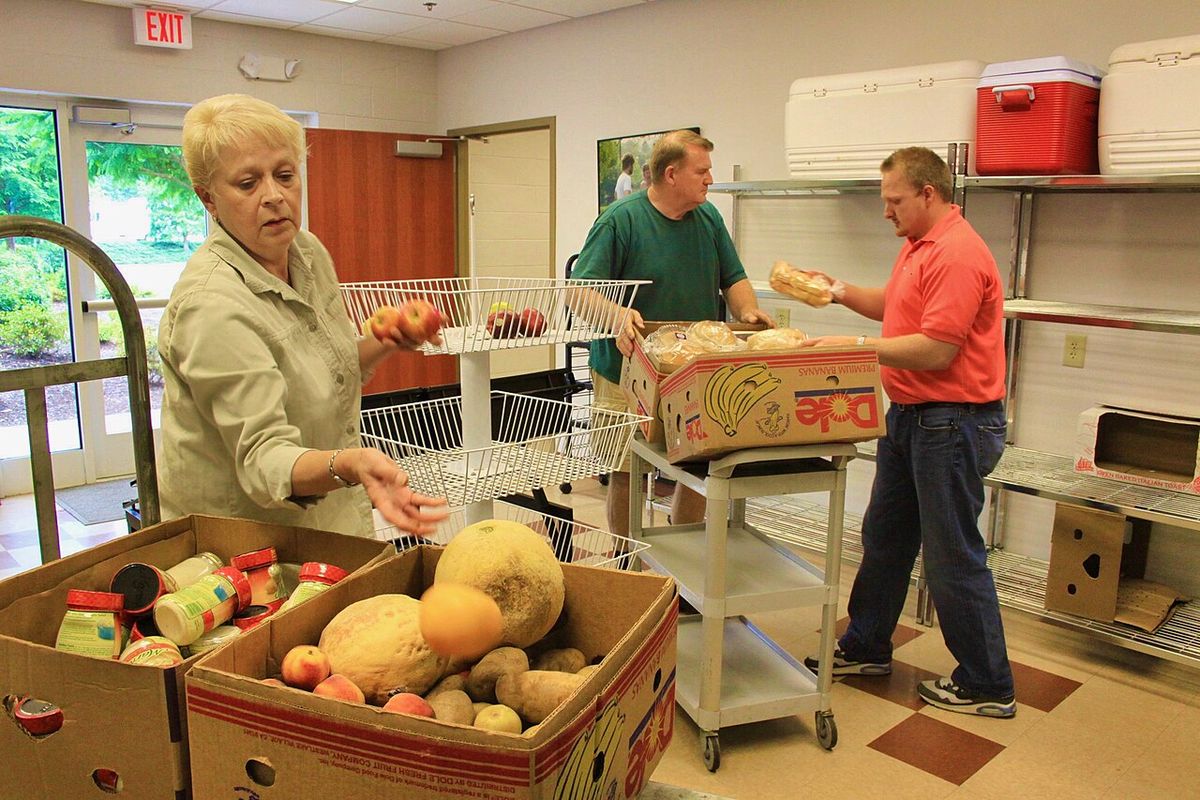
Food insecurity · October 24, 2026
Food or the gas tank? 999 food pantry clients in Houston and Atlanta were asked what they had to choose between. Those with unpaid medical bills had nearly three times the odds of having picked between food and getting around
Four in ten people queuing at 20 food pantries had unpaid medical or hospital bills at home. Among them, 57% had at some point chosen between food and paying for utilities, and 57% between food and transport, against 40% and 32% of clients without medical debt. The survey cannot show the debt caused the squeeze, but the pattern held across all five basic needs asked about.
Read the analysis
Baby colic · October 24, 2026
Five drops a day, nearly four hours less crying and fussing? 48 colicky babies in southern Italy tried a two-strain probiotic against a look-alike oil
Parents of babies with colic logged close to nine hours of crying and fussing a day at the start of a small trial in Lecce. After a week of drops with two Lactobacillus reuteri strains that fell by 43%, against 13% on placebo oil, and inconsolable crying almost vanished by week three. The catch: the maker supplied the drops and sponsors the trial, mothers' mood did not improve, and the NHS still does not recommend probiotics for colic.
Read the analysis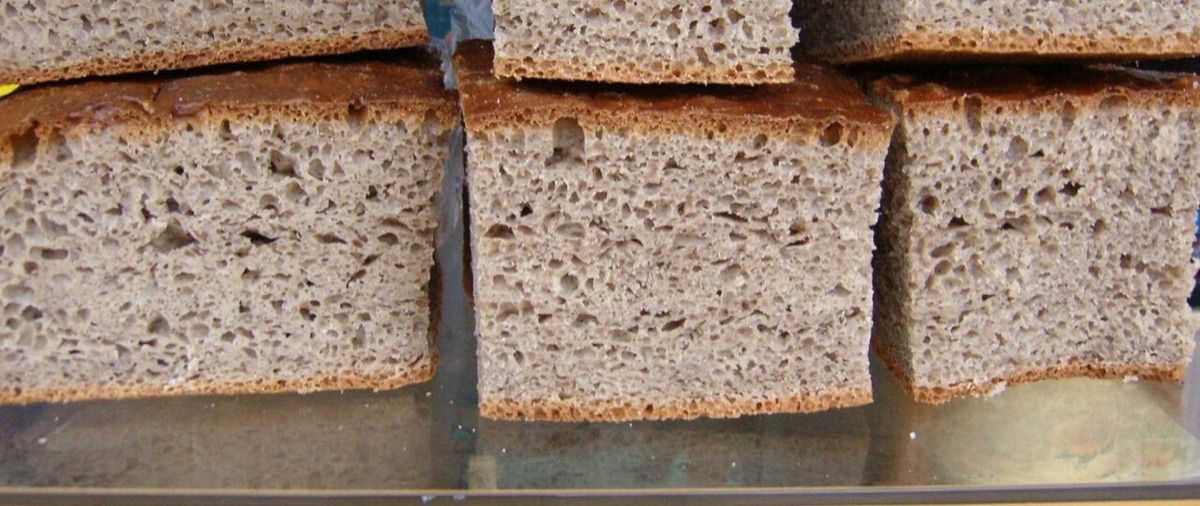
Gluten-free eating · October 24, 2026
Twice the fibre, no extra bloating: 30 Norwegian women with coeliac disease swapped their gluten-free bread for a buckwheat and quinoa loaf for three weeks
Gluten-free bread is usually starch with little fibre, and people with coeliac disease tend to eat too little of it. In a small Oslo trial, bread, rolls and muesli made with oats, buckwheat, quinoa and chia doubled the fibre from the study foods without stirring up gut symptoms. Blood sugar after a glucose drink fell within that group, but the gap against shop-bought gluten-free bread was too small to call.
Read the analysis
Weight loss · October 24, 2026
Keto, fasting, low-fat or a crash diet? A sports nutrition society's new 15-point verdict says the fat comes off about the same; what you keep is the muscle
Thirteen researchers from the International Society of Sports Nutrition have gone through the trials on every major way of dieting down. Their bottom line: intermittent fasting matches ordinary calorie cutting, low-carb and low-fat end up level, very-low-calorie diets win early and lose the lead within a year or two, and the 'starvation mode' that supposedly stalls dieters shrank to a few dozen calories a day in most of the trials they weigh. What decides the quality of the loss is protein and lifting.
Read the analysis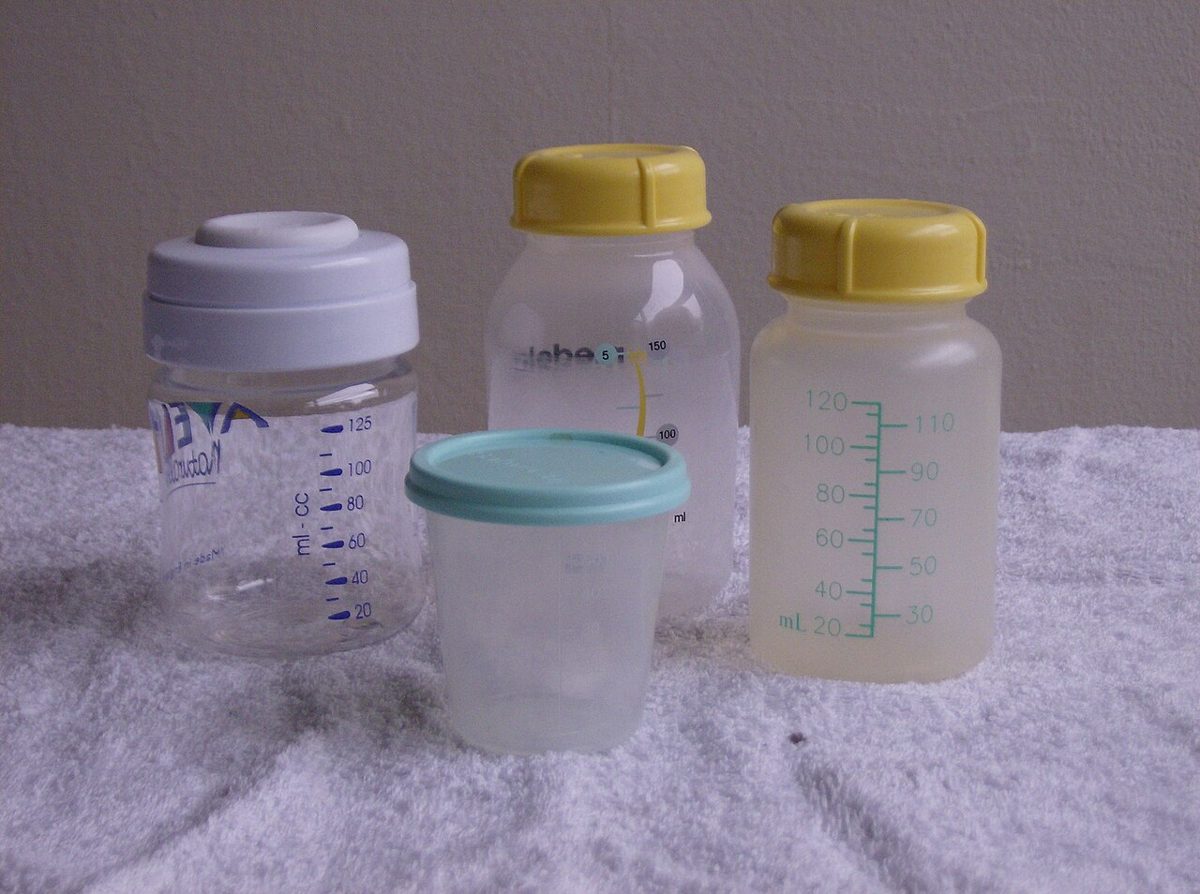
Infant feeding · October 24, 2026
A jar of breast milk, a pan of water, heat until it boils: 24 studies say this kitchen method stops bacteria and HIV in the milk and keeps its fats, sugars and most vitamins. Its antibodies take a bigger hit
When an outbreak makes doctors unsure whether breastfeeding is safe, babies are often switched to formula, which carries its own risks where clean water is short. A Johns Hopkins-led review gathered every study of 'flash-heating', a low-cost way to pasteurise expressed milk at home. No growth of the tested germs, fats, sugars and oligosaccharides intact, but only 16 to 30% of the lactoferrin left, and in half the germ studies nobody measured how hot the milk actually got.
Read the analysis
Supplements · October 24, 2026
One in 20 adult supplements containing vitamin B6 tells you to take at least the US daily upper limit, and most of them aren't sold as B6 at all
A pharmacist went through every vitamin B6 label in the US government's supplement database, 11,367 adult products, and worked out the daily dose each one's own directions give. 575 reach the 100 mg upper limit, single tablets go to 500 mg, and more than half of the high-dose products are sold for sleep, mood, women's health or general wellbeing. Measured against Europe's newer limit of 12 mg, nearly two in five products are over.
Read the analysis
Food and emotions · October 24, 2026
Quick to anger, hard to stop eating? In 1,138 Leipzig adults, a short temper went with more 'food addiction' symptoms, even after personality was taken into account
Researchers in Leipzig asked over a thousand people how easily they get angry and how much control they have over eating. The angrier ones reported more addiction-like eating, and that link held up after the Big Five personality traits, social support and drinking were allowed for. How people handled their anger, bottling it up or letting it out, mattered much less. The effect is small and the data are a snapshot, but it puts a new emotion on the map of why some eating feels out of control.
Read the analysisFrom our articles
Read, then eat a little better
Plain-language guides on nutrition and wellness, backed by research.

Women's health
Inositol for PCOS: the 40:1 ratio, trial doses, and food milligrams
Why do randomized trials in polycystic ovary syndrome prioritize the 40:1 myo to D-chiro inositol ratio? Here is the science behind the ovarian epimerase paradox, clinical ovulation and insulin metrics, and why cantaloupe cannot replace 4,000 mg trial powder.
21 Nov 2026

Everyday eating
Extra virgin olive oil polyphenols: the EU health claim, smoke point myths, and cooking stability
Does extra virgin olive oil degrade when cooked? What does the EU 5 mg polyphenol health claim require, how does oleocanthal act like ibuprofen, and why does oxidative stability matter more than smoke point in domestic frying? Here is the clinical and culinary data.
21 Nov 2026

Food and nutrition
L-theanine and caffeine: what cognitive trials measured on sustained attention, and milligrams in matcha vs green tea
Combining L-theanine with caffeine produces clean focus without caffeine jitters. Here is what randomized trials measured on attention-switching, EEG alpha brain waves, and the exact milligrams across ceremonial matcha, culinary powder, gyokuro, and sencha.
20 Nov 2026
Start with a virtual consultation
Tell Dr. Triveni what you want to change. You will leave with a clear next step, whether you are in Toronto, London, New York or Chennai.