Newsfeed
Nutrition research, analysed
A new analysis every hour. Each one covers a recent study or report: What was found, the numbers behind it and the sources to check. We write about research from the last two weeks, not the news of the day.

Starting solids · October 25, 2026
Researchers read 302 Instagram posts about babies' first foods. Nine in ten got the age right, but barely one in ten said to go easy on sugar, and none was rated excellent
A team from Dublin and Hawaiʻi took the top posts under 13 popular hashtags such as #babyledweaning and #startingsolids and checked them against World Health Organization advice. The timing message has landed: start at about six months. What most posts left out was just as telling: sources, risks, salt and sugary drinks. Posts by self-described dietitians did best, yet most posts gave no clue who was behind them.
Read the analysis
Fitness and fuelling · October 25, 2026
Five hard gym sessions a week: by their food logs, 24 of 30 recreational CrossFit-style athletes in South Carolina weren't eating enough to cover the training. Over two weeks, nothing showed it, and their own metabolism suggests some of those calories never made it into the logs
Researchers at the University of South Carolina followed 30 everyday athletes, aged about 31, through ten coached high-intensity sessions. By the usual sports-science yardstick, 80% were running low on fuel. Yet the under-fuelled group recovered, slept and kept their bones just like the rest, and most of them had a perfectly normal resting metabolism. The authors' own caution: people tend to under-record what they eat.
Read the analysis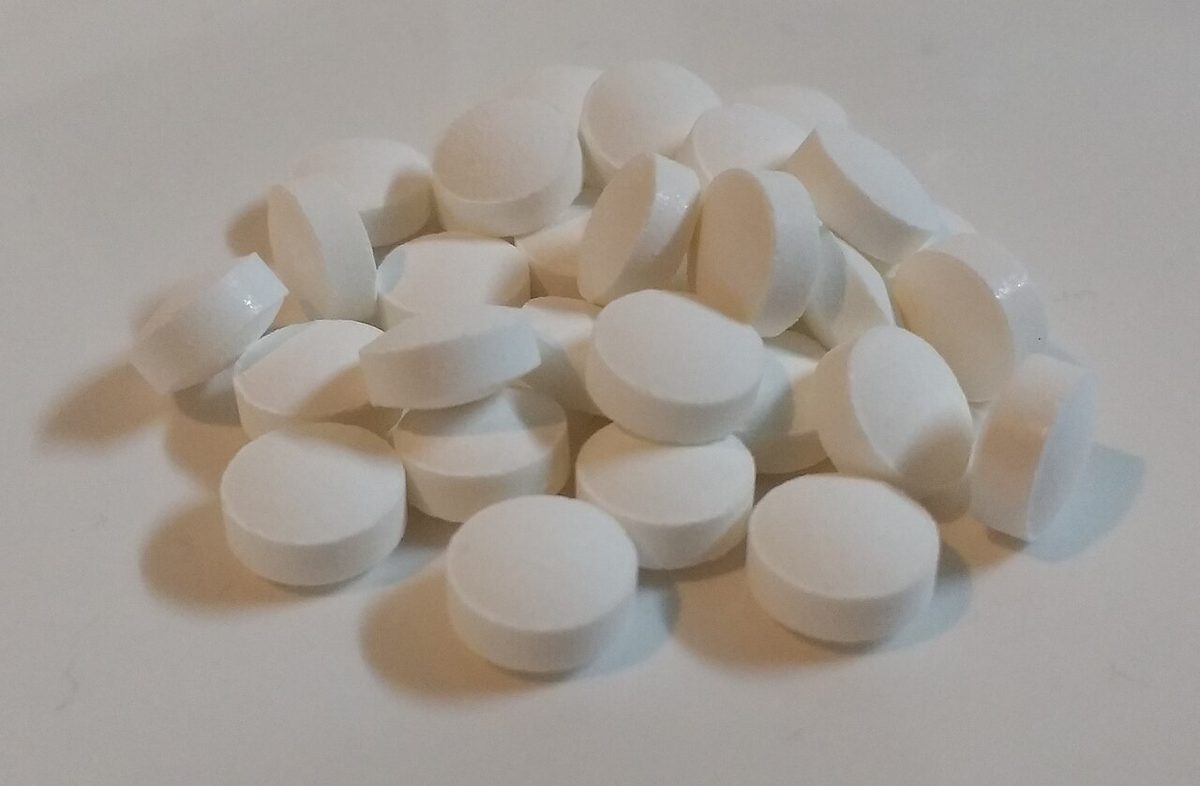
Healthy ageing · October 25, 2026
Low on zinc at 78: in a year-long Boston trial, 60 mg a day brought every nursing home resident who finished it back to a normal blood level within eight months, while 30 mg a day worked for fewer than half
Tufts researchers tested 276 nursing home residents around Boston and found 105 with low blood zinc. Given a daily capsule of 30 mg or 60 mg of zinc or a comparison capsule for a year, all 30 people who finished on 60 mg reached a normal level by month 8, against 13 of 28 on 30 mg and none in the comparison group. Copper levels held steady. Coughs and fevers were reported less often on zinc, but that was a side question in a small dose-finding study.
Read the analysis
Workplace health · October 25, 2026
Chair exercise at the office every weekday, plus a diet and water check-in every two weeks: Greek office workers with obesity lost about 5 kg and 16 points of systolic blood pressure in six months, while a control group stayed the same
A small randomised trial in four workplaces in central Greece gave 18 office workers with obesity 25 to 40 minutes of supervised chair-based exercise every working day for six months, plus 12 short sessions with nutritionists on Mediterranean eating and drinking more water. Weight, waist, blood pressure and blood fats all fell, Mediterranean diet scores and water intake rose, and 18 workers who got nothing changed little. It is a small, demanding programme, and some of the paper's percentage figures don't add up.
Read the analysis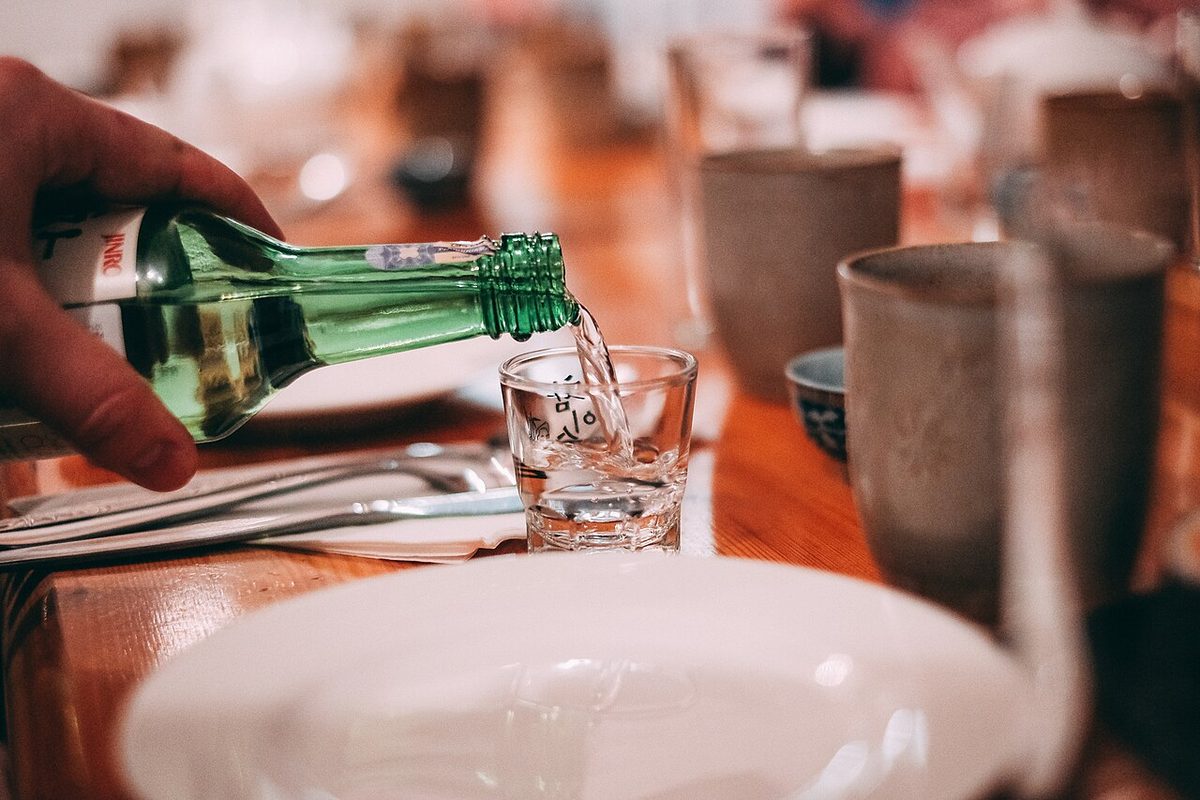
Alcohol and diet · October 25, 2026
Heavier drinkers in Korea didn't eat less overall: they ate more meat, less fruit and milk, skipped breakfast more often, and had more than twice the odds of a poor diet score as people who never drink
A national survey of 10,019 Korean adults compared what people drank with what they ate. Diet scores slipped step by step from never drinkers to heavy drinkers, and each extra daily drink (14 g of alcohol) went with 23% higher odds of a poor diet. Drinks added roughly 350 calories a day for the heaviest drinkers on top of food that was already lower in quality. It is a one-time snapshot, so it shows a link, not cause.
Read the analysis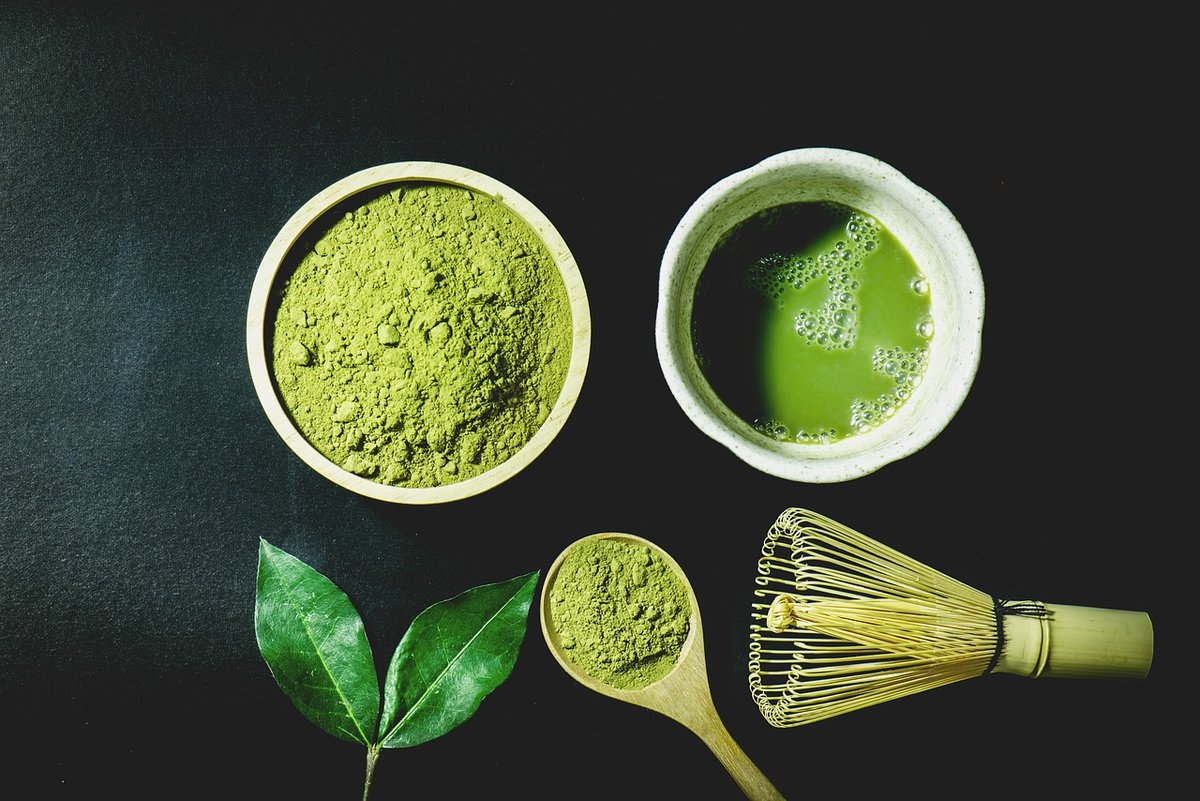
Tea · October 25, 2026
Matcha doesn't have to come from green leaves: tea scientists in Hangzhou ground purple and yellow-leaved tea into powder too. The yellow had more than twice the theanine of Japan's classic Yabukita, and the purple was the most bitter
Researchers at China's national Tea Research Institute grew six tea plants side by side, shaded them, steamed, dried and stone-milled the young leaves the same way, and then tasted and analysed the powders. Yellow-leaf matcha scored nearly as well as the green benchmark with a rounder, more savoury taste; purple matcha smelled good but tasted bitter. It is a lab and tasting study, not a health trial.
Read the analysis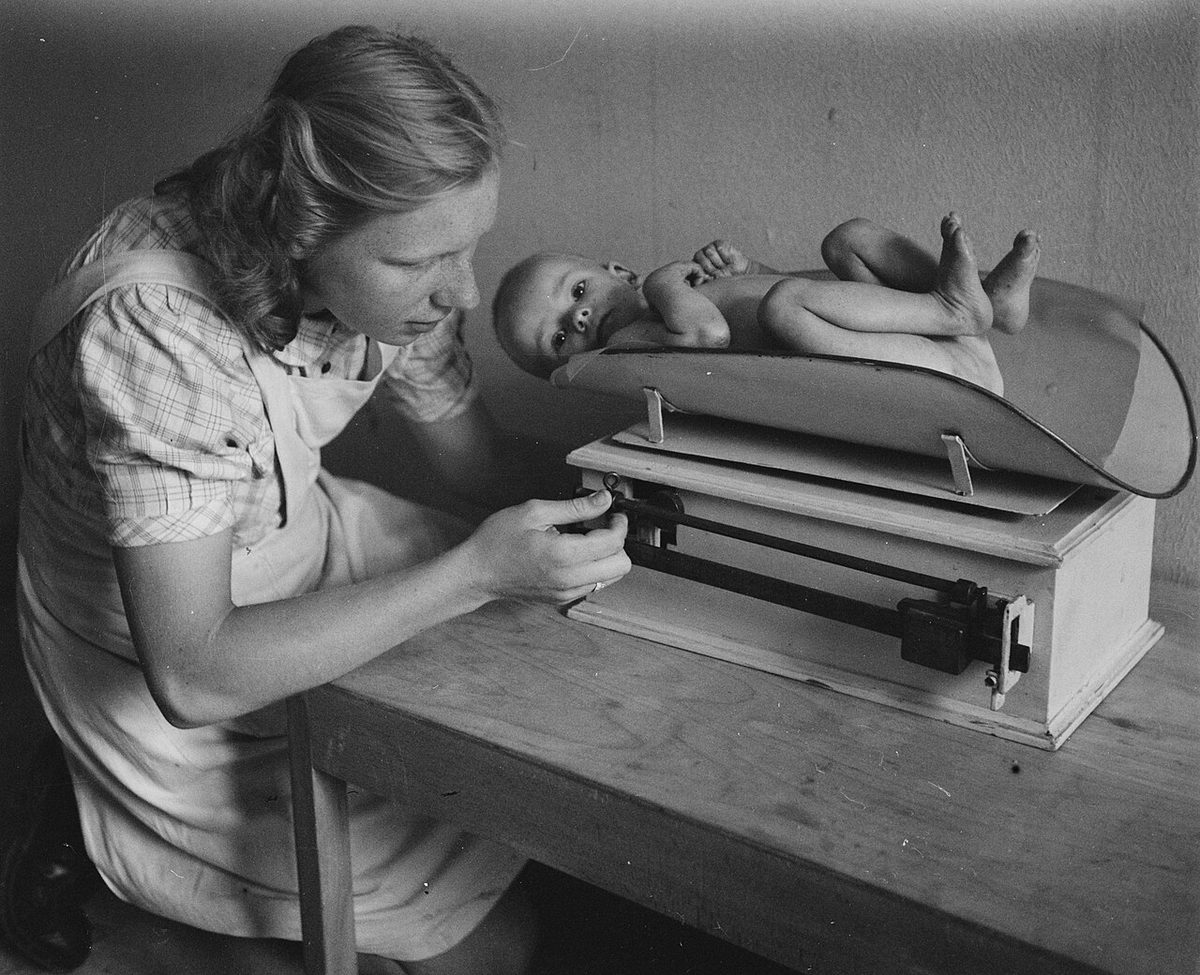
Food allergy · October 25, 2026
Babies with a food allergy were a little lighter for their length at five months, and 25 of their 30 mothers had cut foods from their own plates. 73 breastfed babies in Chongqing, weighed and measured up to their first birthday
Paediatricians at a children's hospital in Chongqing followed exclusively breastfed babies with and without a food allergy. The allergic babies started out somewhat lighter for their length, but the gap did not widen over the following months. Their mothers were far more likely to be avoiding milk, fish, shellfish or eggs themselves, usually on a doctor's advice, for a median of two months.
Read the analysis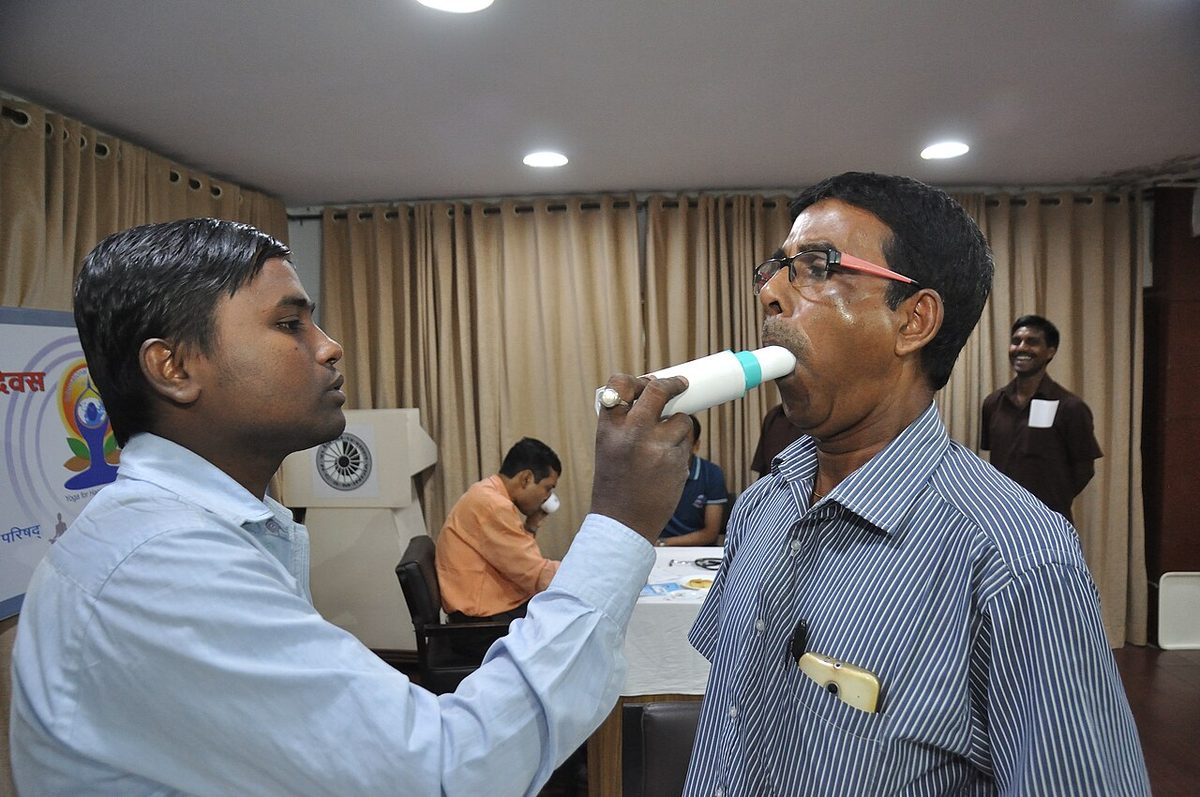
Lung health · October 25, 2026
1,021 Koreans aged 65 and over blew into a spirometer: those with the best-scoring diets had slightly better airflow out of their lungs. But the gap per step up in diet score was just 28 mL, and the authors themselves say it may not matter clinically
Researchers at Yonsei University matched one day of food records against breathing tests from South Korea's 2024 national health survey, the first since lung tests restarted after the pandemic. Better diet scores went with a little more air blown out in the first second and less narrowing of the airways, but not with lung size or peak flow. A one-off snapshot, so it cannot show which came first.
Read the analysis
Blood pressure · October 25, 2026
10,087 Chinese adults, up to 18 years of follow-up: those eating the most phenylalanine and tryptophan, two amino acids in everyday protein, had a 26-29% higher risk of developing high blood pressure. Oddly, the link ran through plant foods such as rice and wheat, not meat
Cardiologists in Dalian went back through one of China's longest-running diet surveys to see whether three 'aromatic' amino acids found in all protein foods track with who later got high blood pressure. Two of them did, modestly, and the link came from plant foods, which in this cereal-heavy diet supplied three quarters of the intake. An observational study, so a signal to test, not a reason to change what you eat.
Read the analysis
Child anaemia · October 25, 2026
101,240 Indian children had a finger-prick blood test: those born less than 33 months after an older sibling had 18% higher odds of severe anaemia. A mother's own anaemia mattered far more, up to seven times the odds
Two in three Indian children under five are anaemic. A team from Mumbai and West Bengal went through the country's biggest health survey to ask whether closely spaced births push children into the moderate and severe grades. They do, modestly, and the survey points to a mother's iron stores, her schooling and her region as bigger factors. A snapshot survey, so a link, not proof.
Read the analysis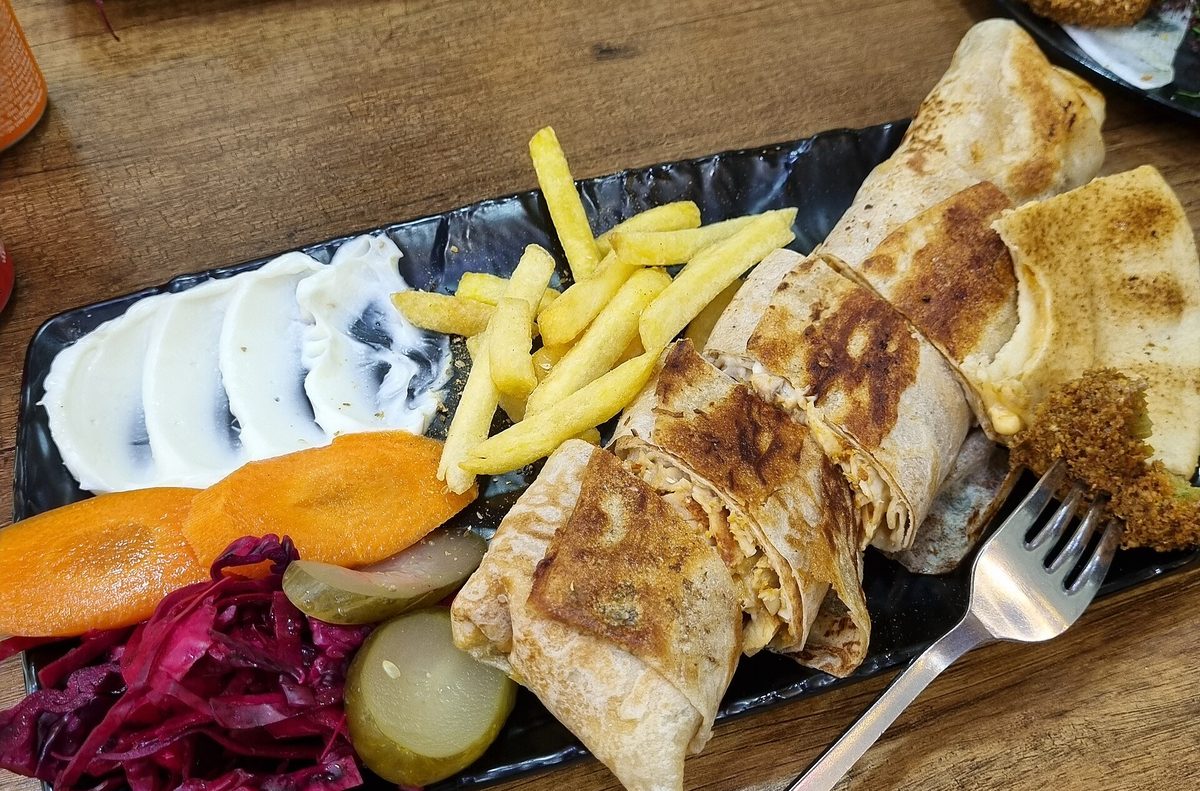
Crohn's disease · October 25, 2026
219 people newly diagnosed with Crohn's disease in Riyadh, 395 other clinic patients: daily fast food was reported by 62% of the Crohn's group against 20% of the others. Eating more vegetables, dairy, coffee or tea did not offset it
A Saudi team went back to nine years of questionnaires from one Riyadh clinic, filled in before anyone knew their diagnosis. Fast food and fizzy drinks stood out, spicy food a little, and fruit, oddly, too. The study asked people to remember how they ate before their symptoms began, so it shows a link, not a cause, and the authors say so.
Read the analysis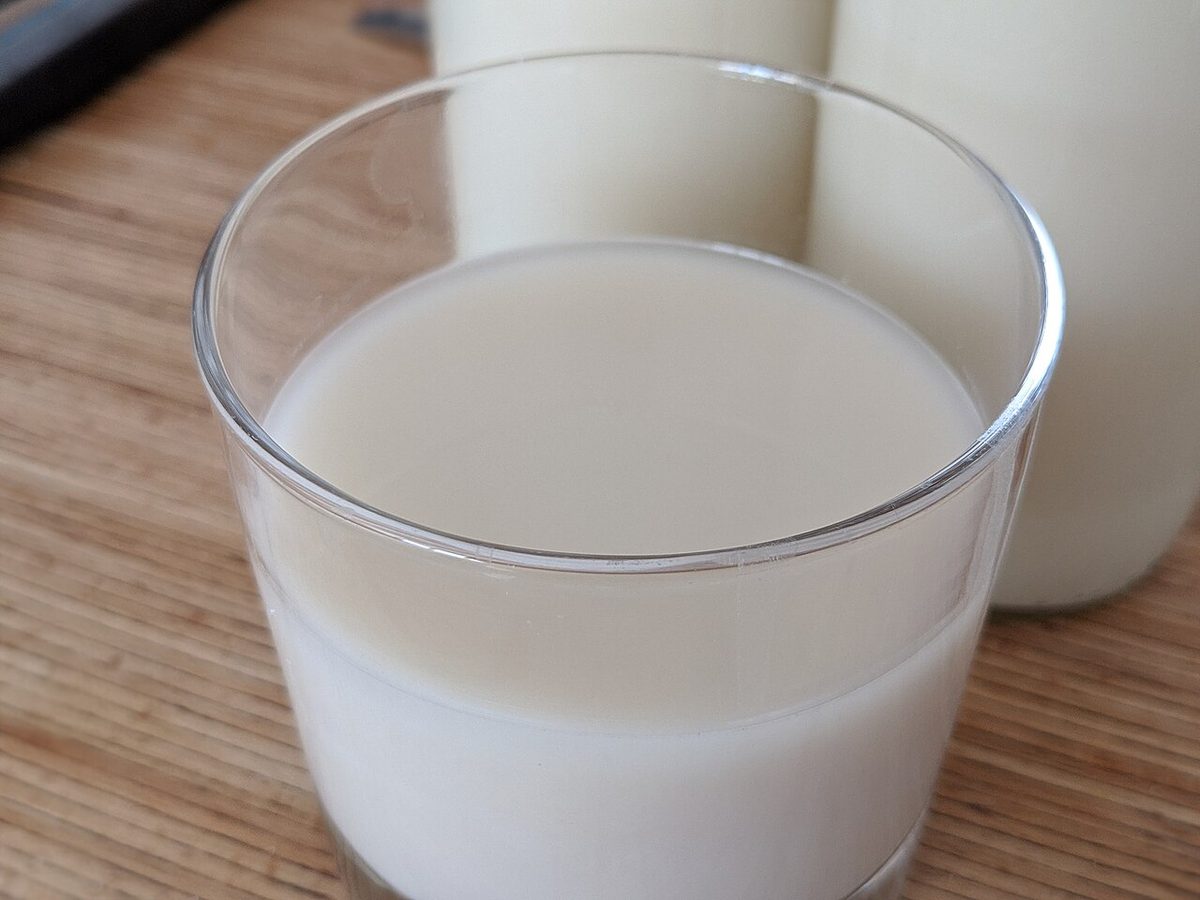
Plant-based milks · October 25, 2026
56 cartons from Turkish shelves, one set of lab tests: cow's milk had about six times the protein of most plant milks, and only soy came close. On a lab 'oxidative stress' score the plant drinks mostly came out ahead, except almond
Researchers in Konya bought eight products each of pasteurised and UHT cow's milk and of soy, oat, almond, hazelnut and coconut drinks, then measured protein, fat, minerals and five antioxidant and oxidant markers. The protein gap was wide and predictable. The antioxidant results were less so, and they describe the drink in the carton, not what happens in your body.
Read the analysisFrom our articles
Read, then eat a little better
Plain-language guides on nutrition and wellness, backed by research.

Women's health
Inositol for PCOS: the 40:1 ratio, trial doses, and food milligrams
Why do randomized trials in polycystic ovary syndrome prioritize the 40:1 myo to D-chiro inositol ratio? Here is the science behind the ovarian epimerase paradox, clinical ovulation and insulin metrics, and why cantaloupe cannot replace 4,000 mg trial powder.
21 Nov 2026

Everyday eating
Extra virgin olive oil polyphenols: the EU health claim, smoke point myths, and cooking stability
Does extra virgin olive oil degrade when cooked? What does the EU 5 mg polyphenol health claim require, how does oleocanthal act like ibuprofen, and why does oxidative stability matter more than smoke point in domestic frying? Here is the clinical and culinary data.
21 Nov 2026

Food and nutrition
L-theanine and caffeine: what cognitive trials measured on sustained attention, and milligrams in matcha vs green tea
Combining L-theanine with caffeine produces clean focus without caffeine jitters. Here is what randomized trials measured on attention-switching, EEG alpha brain waves, and the exact milligrams across ceremonial matcha, culinary powder, gyokuro, and sencha.
20 Nov 2026
Start with a virtual consultation
Tell Dr. Triveni what you want to change. You will leave with a clear next step, whether you are in Toronto, London, New York or Chennai.