Newsfeed
Nutrition research, analysed
A new analysis every hour. Each one covers a recent study or report: What was found, the numbers behind it and the sources to check. We write about research from the last two weeks, not the news of the day.
Food preservation · October 26, 2026
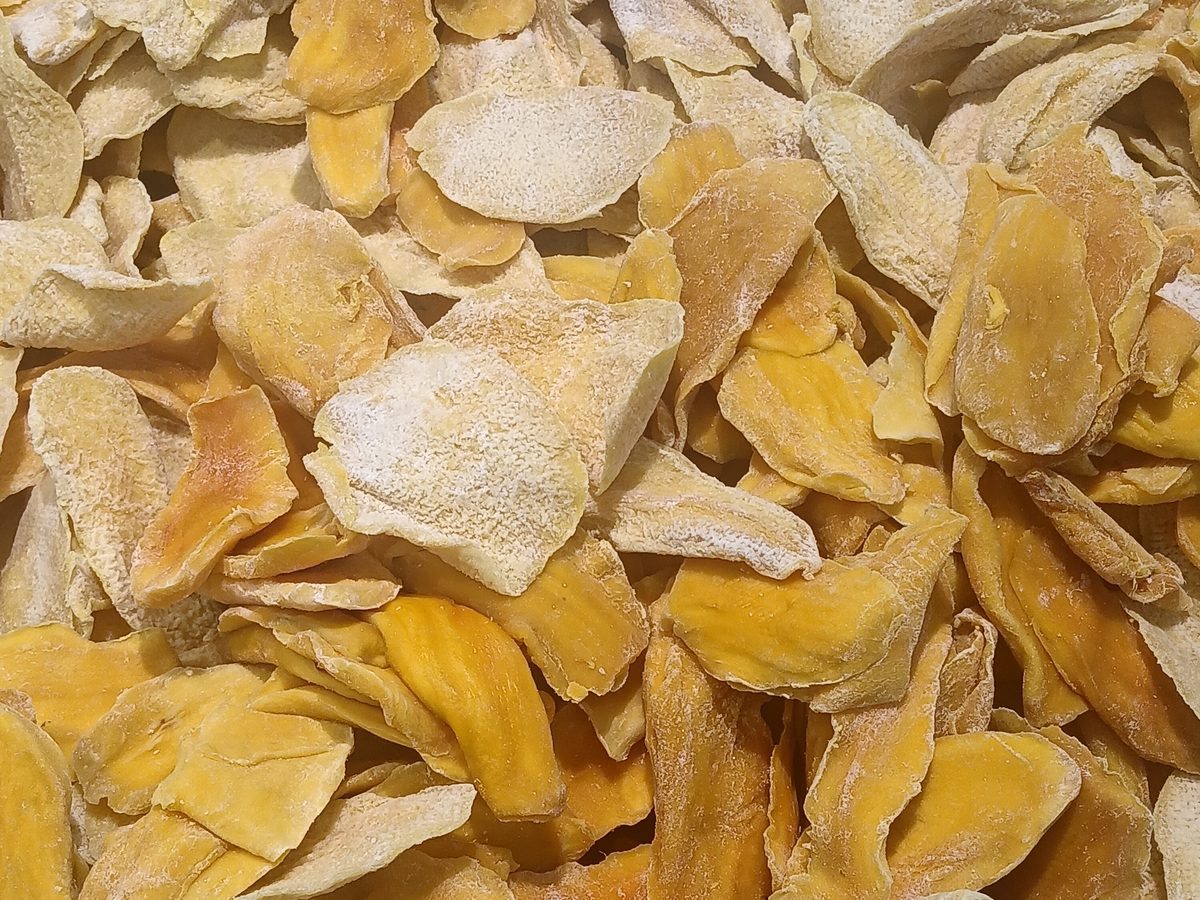
Mango slices dried by the sun under Amazon clouds: with a fan and a box of warm limestone they went from 87% water to 12% in 52 hours. The plainest solar dryer only got them to 22%
Fresh mango spoils fast, and in the cloudy highlands of the Peruvian Amazon there isn't much sun to dry it. A university team in Chachapoyas built three small solar dryers, filled each with 2 kg of sliced Keitt mango and measured what four days of drying did to the water, sugar, acid, colour and antioxidant readings.
Read the analysis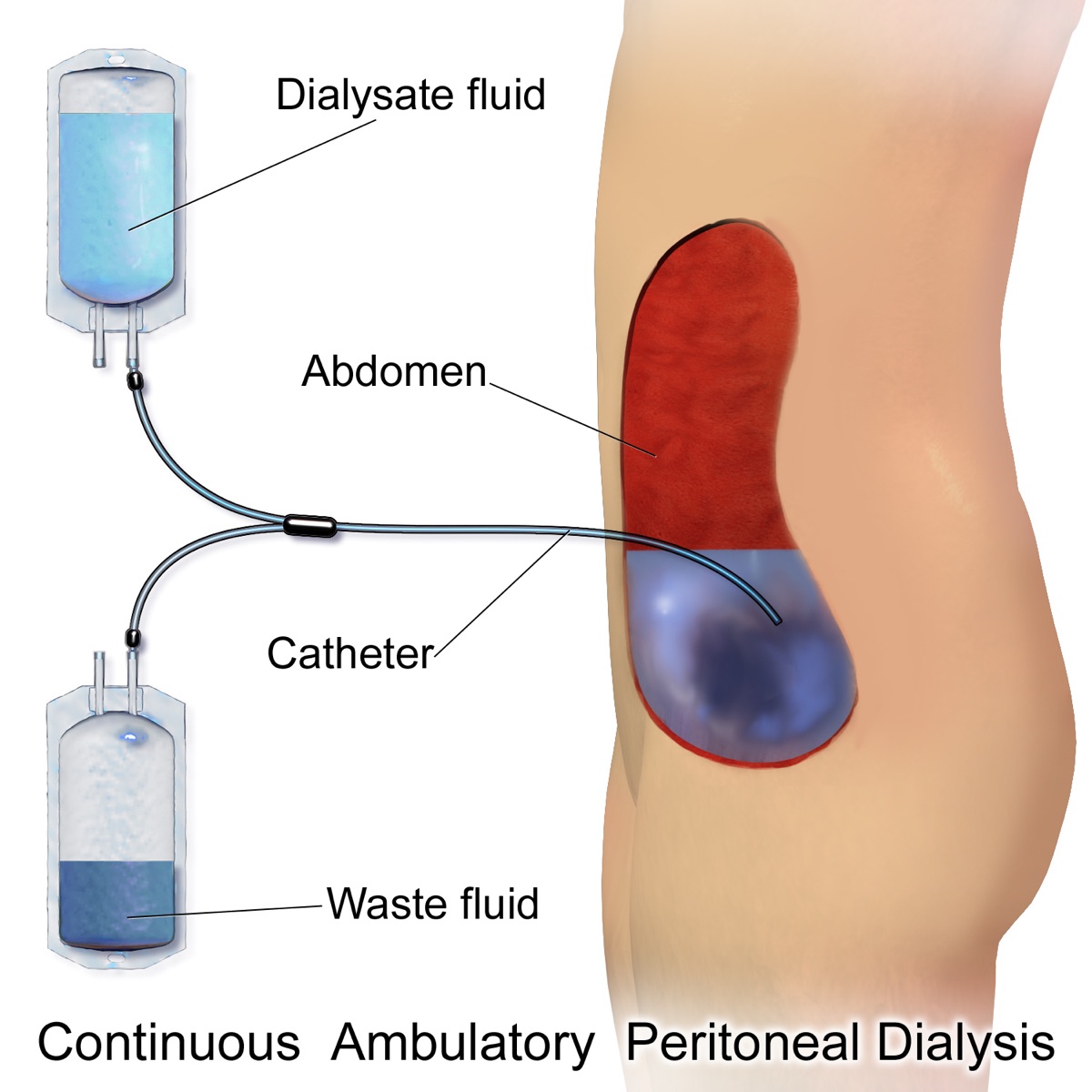
Kidney health · October 26, 2026
On home dialysis, the people who spent time at a BMI of 26 to 30 were less likely to die. Of 122 who got there, 5 died; of 548 who never did, 70
Doctors usually tell people to bring their weight down into the healthy range. A hospital in southern China followed 670 adults on peritoneal dialysis for years and found that the patients who did best were the ones who spent time a little heavier than the textbooks advise.
Read the analysis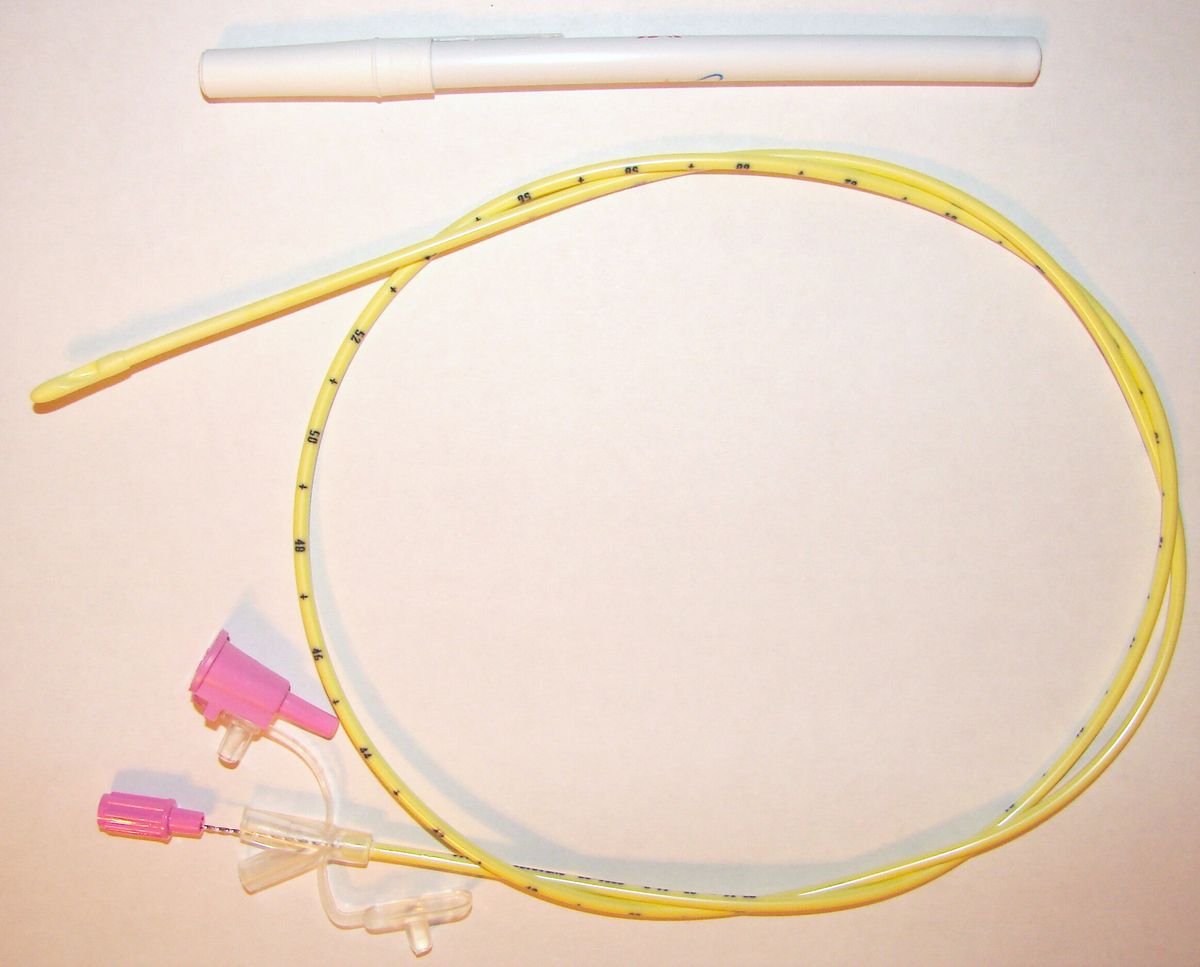
Tube feeding · October 26, 2026
Nine of 31 children fed through a tube into the small intestine ran low on copper, even though their formula gave them more than the recommended amount. None of 15 fed into the stomach did
Some children can only be fed through a tube, and when the stomach can't take it, the tube goes past it into the jejunum. A study from a Barcelona children's hospital found that skipping the stomach may also skip much of the copper, with anaemia that was first worked up as a bone marrow problem in one toddler.
Read the analysis
Infant vitamin D · October 26, 2026
Three in four babies tested at a children's hospital in Cluj, Romania, were getting 1,000 IU of vitamin D a day, above the country's own 400 to 800 IU advice. Seven of the 20 on 2,000 IU had blood levels over 100 ng/mL
Vitamin D drops for babies are one of the few supplements almost every paediatrician agrees on. A records study of 219 infants aged one to five months found the drops were being given almost universally, but mostly at two to five times the usual 400 IU dose, and the blood levels climbed step by step with every extra drop.
Read the analysis
Student eating · October 26, 2026
Fifteen international students in Pavia, from India, Iran, Peru and eight other countries, got six one-to-one food lessons over six months. Their planet-friendly diet score rose from 75 to 83 out of 140, and olive oil was the one food that clearly moved
Moving abroad changes what's on your plate. A University of Pavia pilot coached newcomers on the Mediterranean diet and on eating with a smaller footprint. Scores went up within three months and held, but the only single change that passed the statistics test was the oil in the kitchen; legumes and nuts crept up without proof.
Read the analysis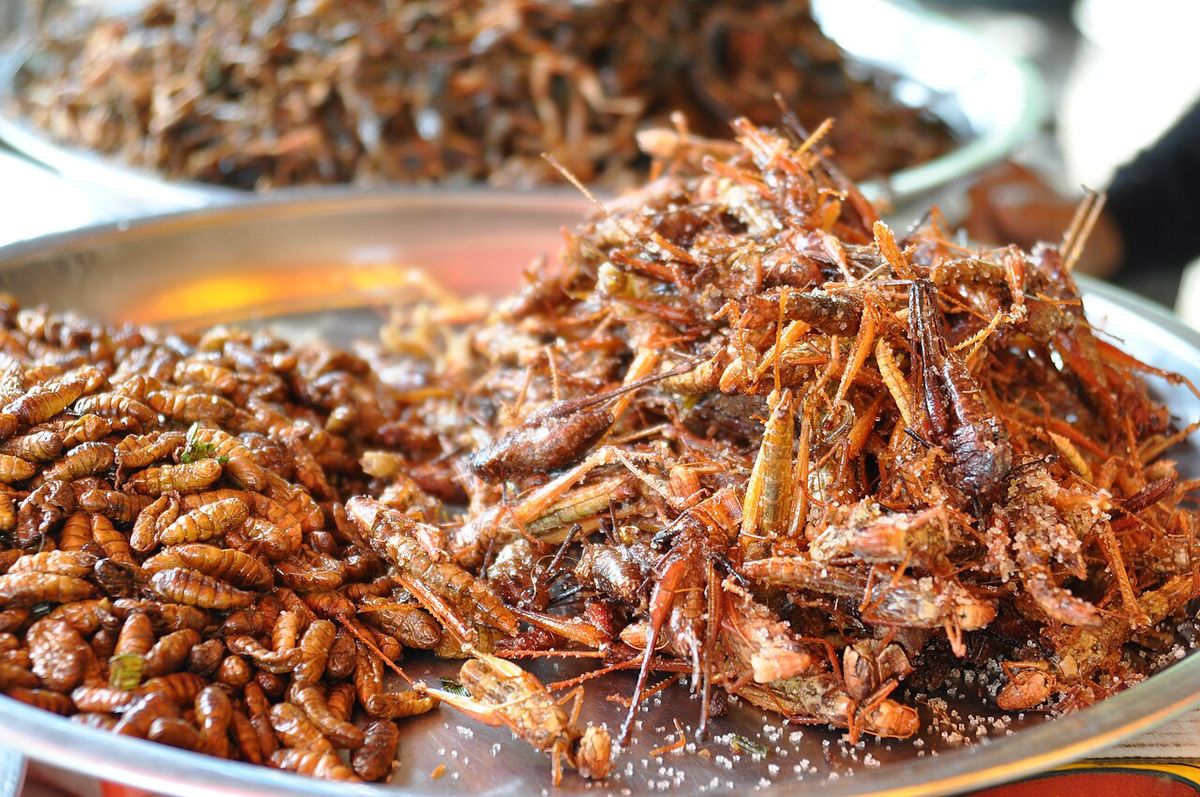
Edible insects · October 25, 2026
Scientists in Nagaland ground up 13 wild insects that people there eat, from giant water bugs to hornets. Protein ran from 19% to 68% of the dried weight, fat from 4% to 35%, and hornet pupae carried more than 20 times the antioxidant reading of a water bug
A Nagaland University team tested crickets, beetles, water bugs, weaver ants, caterpillars and a night-flying hornet at three stages of its life. "Insects" turned out to be a poor label for a food: the bush cricket was under a fifth protein, the adult hornet more than two-thirds, and the same hornet changed a lot between larva and adult.
Read the analysis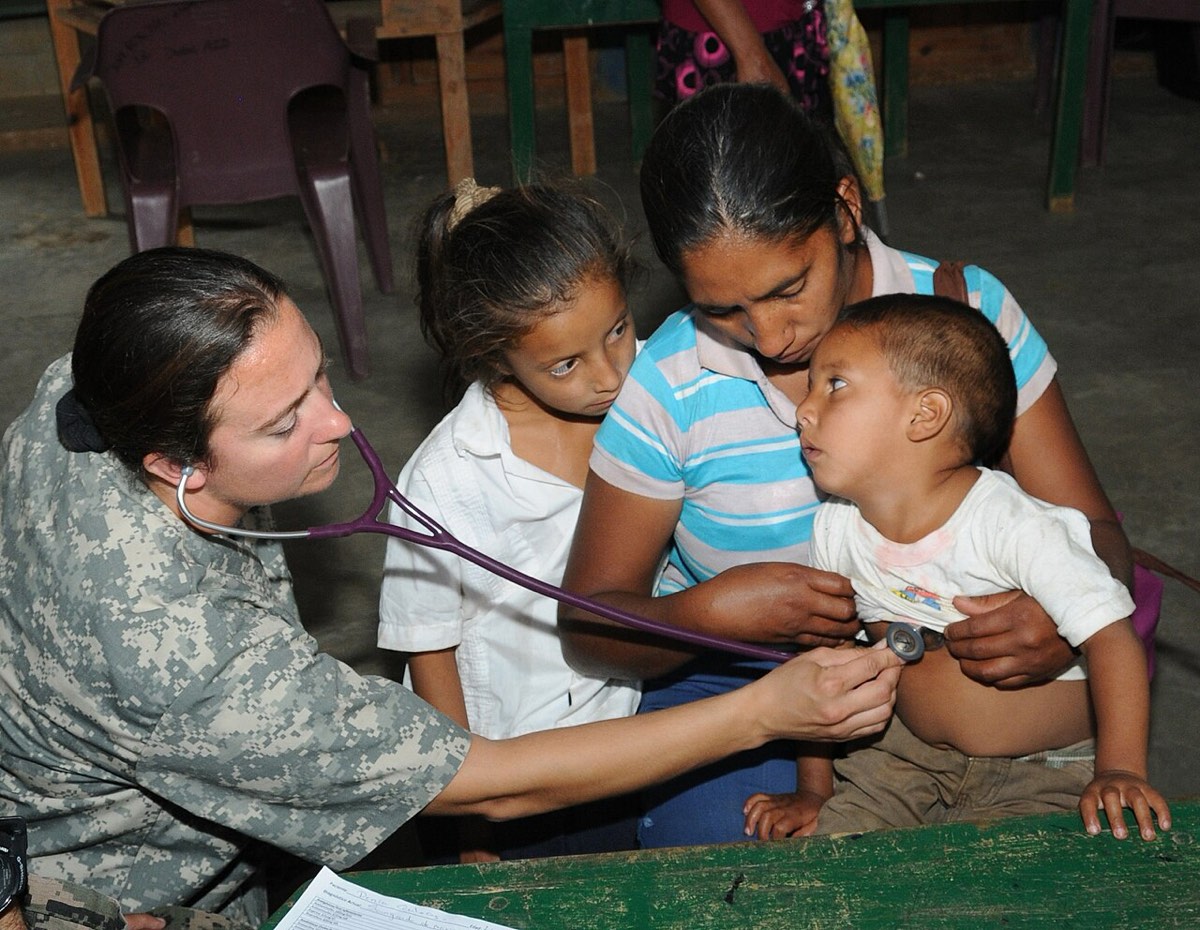
Heart defects · October 25, 2026
Of 197 young children born with a heart defect in north-west Pakistan, 44% were underweight and 40% too short for their age. The babies aged six to eleven months were faring worst, and the heart defect itself did not predict who was thin. Household money did
Doctors at three hospitals in Bannu weighed and measured every child under five who came in with a confirmed heart defect over six months. Undernutrition ran far above the national figures. Which defect a child had made no clear difference; family income and a father's job did.
Read the analysis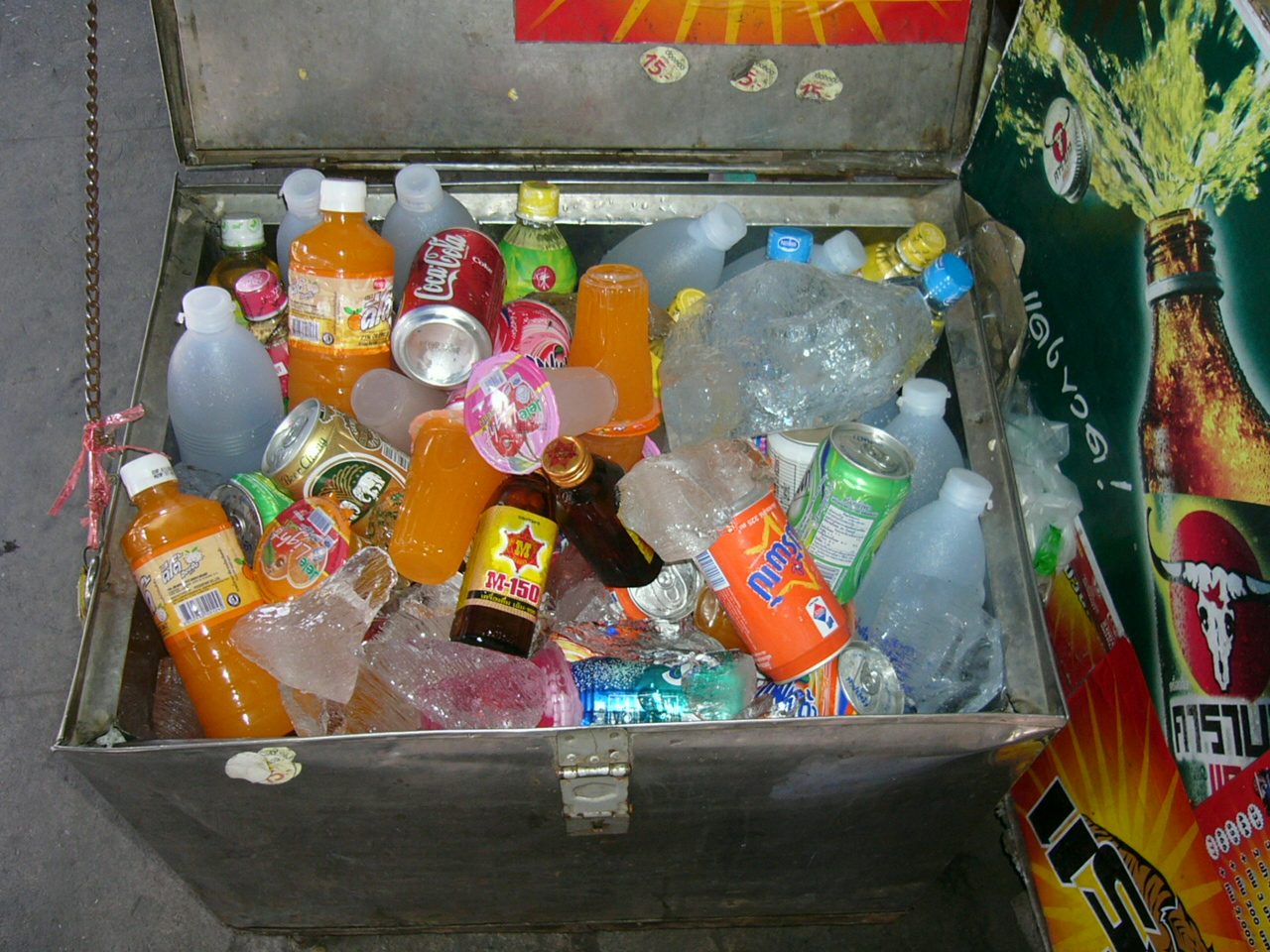
Sugar taxes · October 25, 2026
Thailand's sugary drinks tax trims about 14 calories a day from the average man's intake. Over 25 years, a new model says, that adds up to 376,297 fewer cases of type 2 diabetes. But the biggest gains in the model come from something else: drink makers cutting the sugar
Researchers at Mahidol and Griffith universities ran Thailand's stepped excise tax on sweet drinks through a population model. The tax raises far more in revenue than it saves hospitals, and the health gains depend heavily on assumptions. If companies took out a quarter of the sugar, the projected gain would be over five times larger.
Read the analysis
Eating disorders · October 25, 2026
309 Istanbul teenagers filled in three questionnaires: the ones who check their phone last thing at night and first thing in the morning worried more about how they look, and that worry, not the scrolling itself, went with signs of disordered eating
Seven in ten girls said their friends' opinion of their photos mattered, against under four in ten boys. A small school survey from Türkiye traces a chain from always-on social media to appearance anxiety to eating-disorder warning signs. It also shows where the chain is weakest, which matters more than the headline its authors gave it.
Read the analysis
Stroke · October 25, 2026
208,415 UK adults, 11 years: those whose food fit a 'gut sulfur bacteria' diet score had 13% more ischaemic strokes. In that score, though, beer and desserts count in your favour and diet drinks against you
Researchers in China scored UK Biobank food diaries for a pattern heavy in processed meat, spirits and low-calorie drinks and light on beans and vegetables, a mix linked in earlier work to gut bacteria that make hydrogen sulfide. The top quarter had a modestly higher stroke risk. Look at how the score is built, and at who scored worst, before turning it into a shopping list.
Read the analysis
Malnutrition · October 25, 2026
Stronger nutrition drinks for frail, underfed over-70s at home would save France €74 a patient a year, says a spreadsheet model paid for by a company that sells them
A cost model counted about 800,000 French people over 70 who are frail and malnourished and worked out that the most concentrated prescription drinks beat standard ones, mostly through shorter hospital stays. The drinks really are cheaper per day, because fewer bottles are needed. But the savings come from assumptions, not patients, and the paper's own numbers raise a few questions.
Read the analysis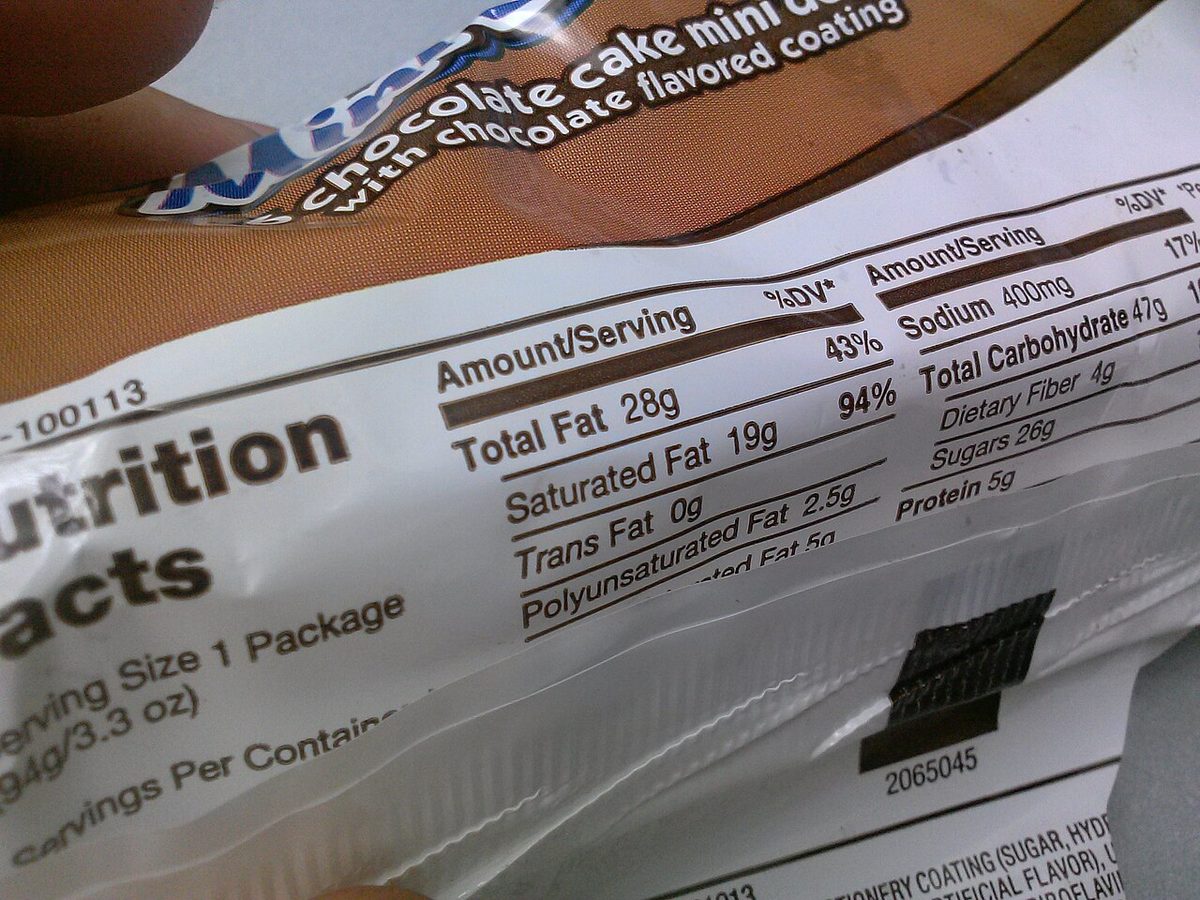
Food labels · October 25, 2026
7,401 Italians were asked one question at a street health check: do you read food labels? Those who always did had better heart scores, yet most of the rest still thought they ate well
Doctors from Rome's Gemelli hospital set up free check-ups in squares and shopping centres across Italy, took a drop of blood from each visitor and asked about their shopping habits. Seven in ten said they always read labels. Those people ate more fruit and vegetables, moved more, smoked less and weighed a little less. The catch: nobody can tell which came first.
Read the analysisFrom our articles
Read, then eat a little better
Plain-language guides on nutrition and wellness, backed by research.

Women's health
Inositol for PCOS: the 40:1 ratio, trial doses, and food milligrams
Why do randomized trials in polycystic ovary syndrome prioritize the 40:1 myo to D-chiro inositol ratio? Here is the science behind the ovarian epimerase paradox, clinical ovulation and insulin metrics, and why cantaloupe cannot replace 4,000 mg trial powder.
21 Nov 2026

Everyday eating
Extra virgin olive oil polyphenols: the EU health claim, smoke point myths, and cooking stability
Does extra virgin olive oil degrade when cooked? What does the EU 5 mg polyphenol health claim require, how does oleocanthal act like ibuprofen, and why does oxidative stability matter more than smoke point in domestic frying? Here is the clinical and culinary data.
21 Nov 2026

Food and nutrition
L-theanine and caffeine: what cognitive trials measured on sustained attention, and milligrams in matcha vs green tea
Combining L-theanine with caffeine produces clean focus without caffeine jitters. Here is what randomized trials measured on attention-switching, EEG alpha brain waves, and the exact milligrams across ceremonial matcha, culinary powder, gyokuro, and sencha.
20 Nov 2026
Start with a virtual consultation
Tell Dr. Triveni what you want to change. You will leave with a clear next step, whether you are in Toronto, London, New York or Chennai.