Newsfeed
Nutrition research, analysed
A new analysis every hour. Each one covers a recent study or report: What was found, the numbers behind it and the sources to check. We write about research from the last two weeks, not the news of the day.
Kidney health · October 26, 2026
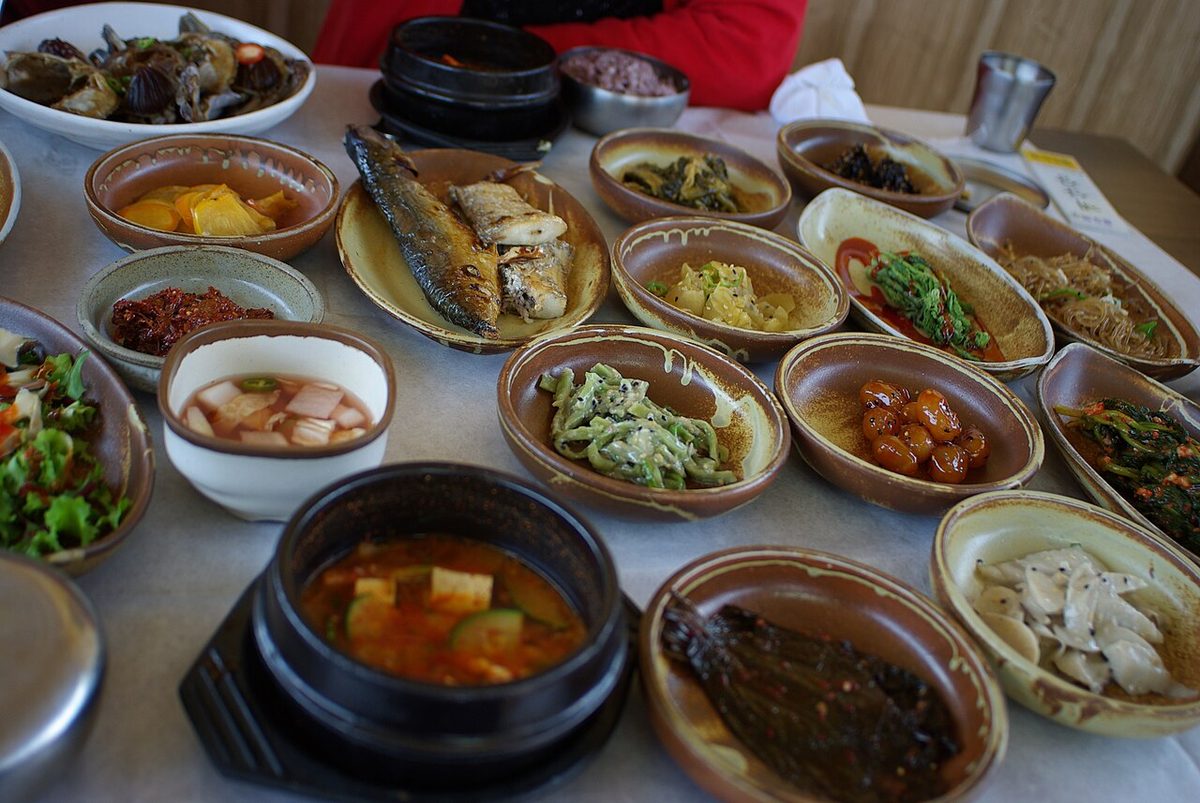
Kidney patients are often told to cut protein. In 1,861 Koreans followed for nine years, those eating the least, under 0.6 g per kilo, reached dialysis or a transplant more often, not less
A JAMA Network Open study measured protein intake from 24-hour urine rather than food diaries. Almost half of the lowest-protein group went on to kidney failure, against a quarter of the highest, and the gap held after a long list of adjustments. It is an observational study, and the low eaters were sicker to begin with.
Read the analysis
Sports supplements · October 26, 2026
20 freedivers took creatine or a look-alike powder for a week, then pedalled as far as they could on a single breath: the creatine group went a third further, the placebo group 14% further
A small double-blind trial from Athens and Belgrade is the first to test creatine loading in breath-hold divers. The creatine group covered more distance, held on longer and built up less lactate, but the edge shrank and lost statistical significance when everyone who started was counted.
Read the analysis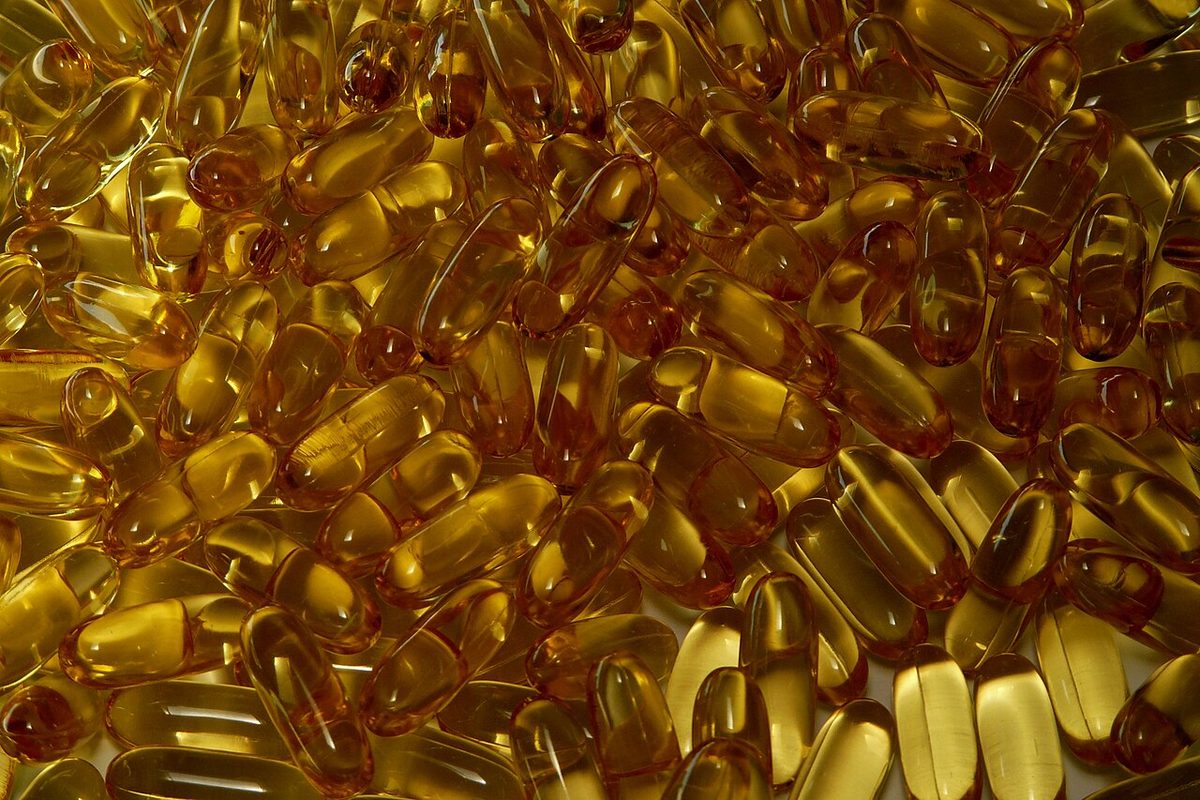
Multiple sclerosis · October 26, 2026
Among 1,083 people with multiple sclerosis, the very active had about one-eighth the rate of severe walking problems, while omega-3 helped only in the first five years and vitamin D did not show up at all
A survey analysis from the University of Melbourne set diets, supplements, mind-body practices and exercise side by side against quality of life and walking disability. Exercise was the one habit linked to better scores almost everywhere, early or late in the disease. The diet results were murkier, and some pointed the opposite way.
Read the analysis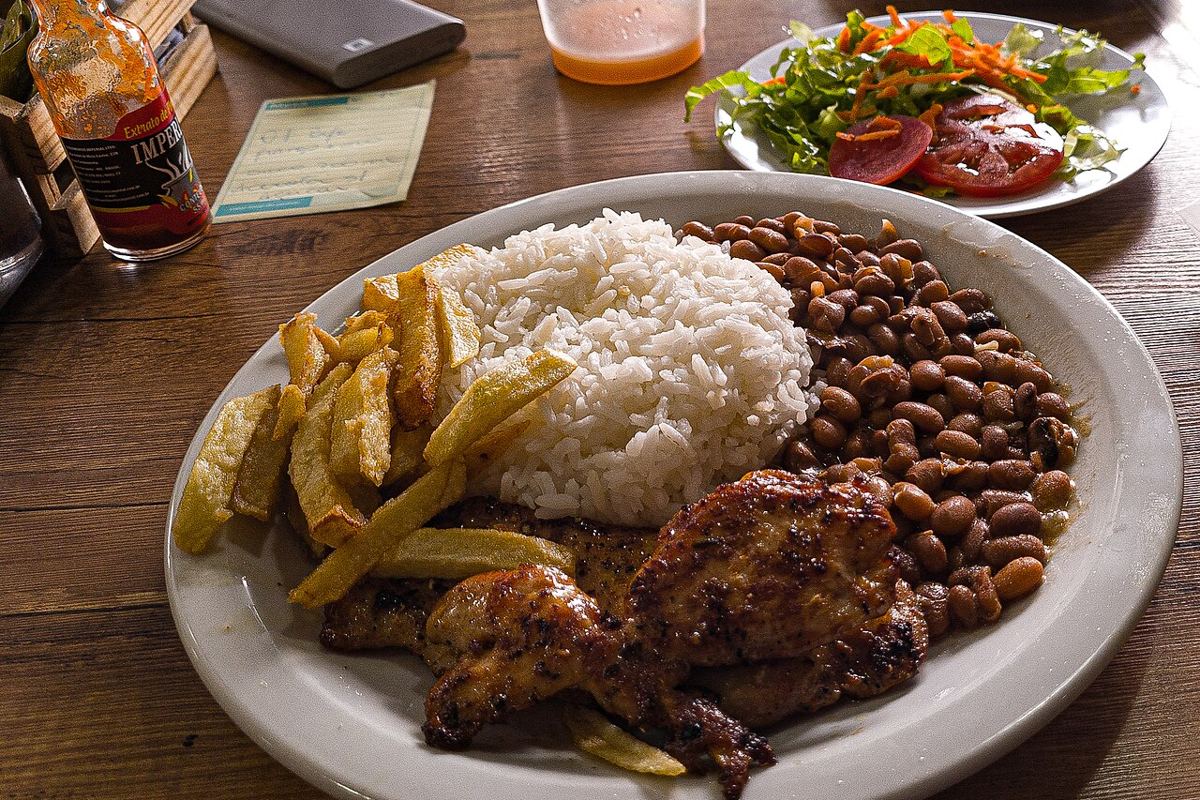
Salt and sodium · October 26, 2026
When 80 São Paulo adults told researchers everything they ate, their urine said they had left out more than a third of their sodium: 2.9 g a day reported, 4.7 g actually going through their bodies
The same check found protein reported slightly too high and potassium almost spot on, while calories came in about 380 a day below what a gold-standard water test showed people were burning. Salt added at the stove or the table is the hardest thing for anyone to remember.
Read the analysis
Heart health · October 26, 2026
Among 339,074 middle-aged Britons followed for 13 years, those who both moved for 150 minutes a week and hit most of seven food targets had about a third lower risk of death than those who did neither, and the link was strongest in people whose heart, kidney and blood sugar risks were already stacking up
Activity and diet each counted on their own, but only 13% of the group met five or more of the food targets, while 81% cleared the activity bar. The research team also found the benefit of extra exercise levelled off at roughly 90 minutes of brisk walking a day.
Read the analysis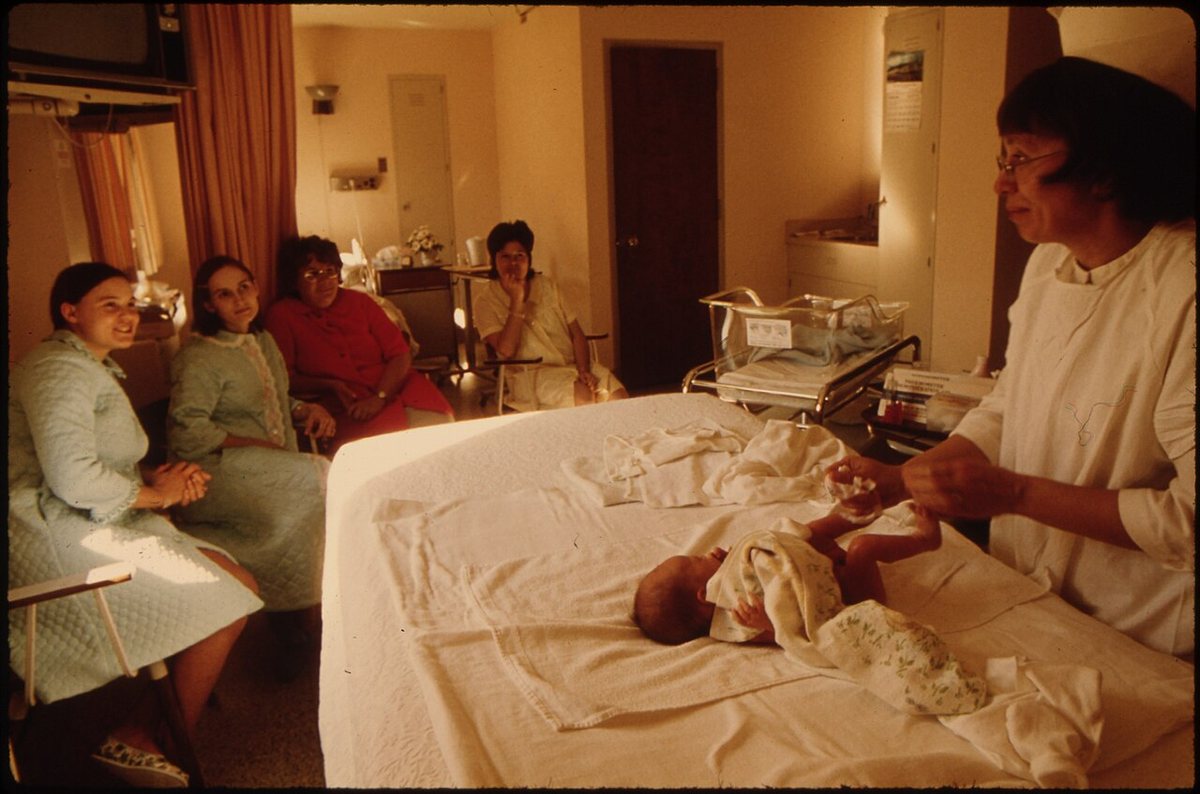
Breastfeeding · October 26, 2026
Pregnant women in a South Carolina trial who had their check-ups in groups of eight to ten knew more about breastfeeding and more often left hospital doing it, 78% against 73%, but by the six-week visit the gap was no longer clear
The 1,561 mothers who went to group visits scored higher on a breastfeeding quiz than those seen one to one, yet felt no more confident about doing it. The authors' conclusion: classes alone may not be enough to keep babies on the breast.
Read the analysis
Childhood obesity · October 26, 2026
Chile linked the school weigh-ins of 652,297 children to their health insurance bills: obesity came with about 6% higher medical spending a year, and the gap was widest in four- and five-year-olds
More than half of the children were overweight or obese. Per child the extra cost was small, about 25 US dollars a year, smaller than the gap between boys and girls. The authors' point is the total, and how early it starts.
Read the analysis
Alcohol and cancer · October 26, 2026
1,558 older US women with breast cancer: the ones who gave up alcohol around their diagnosis had a 39% higher death rate than those who kept drinking the same, and the researchers think the reason is why they quit
Cutting down made no difference to survival, before or after diagnosis. Quitting at the time of diagnosis went with more deaths, but the women who quit were already less healthy. One finding points the expected way: women already having a drink a day who drank more before diagnosis did worse.
Read the analysis
Exercise and diet · October 26, 2026
40 Brazilian teens played beach tennis twice a week for 12 weeks; the half who also got a weekly 30-minute food class saw triglycerides fall from 73 to 46
Everyone got the sport, and everyone's 'good' HDL cholesterol rose. But only the group that also learned about food labels and ultra-processed food trimmed their waists, body fat and top blood pressure number, without being put on a diet. A small trial, with healthy kids, but a neat one.
Read the analysis
Fasting · October 26, 2026
By the third week of Ramadan, 120 fasting students at a school in Syria had blood pressure 17 points lower than in the first week, while their hearts beat 5 times a minute faster
Doctors measured the same teenagers twice during Ramadan 2026, in week one and week three. Their weight didn't move and they didn't feel more tired, but their circulation clearly shifted, and the students who skipped the pre-dawn meal changed the most. There was no non-fasting group, so read it as a first look.
Read the analysis
Ultra-processed food · October 26, 2026
Shown pictures of cookies and fries in a brain scanner, 8-year-olds who got more of their calories from ultra-processed food lit up more in one reward area, and that area predicted who put on body fat over the next year
46 Los Angeles children, all a healthy weight, recalled everything they ate, then looked at food and non-food photos inside an MRI scanner after a sweet drink. A year later researchers measured them again. The study is small and can't prove cause, but it points at habit circuits in the brain, not just appetite.
Read the analysis
Pregnancy · October 26, 2026
One 15-nutrient pill a day in pregnancy, against the usual iron and folic acid: across 25 refugee clinics in Jordan, women on it ran out less, had less constipation and a third lower risk of anaemia mid-pregnancy
Over ten months of 2023, more than 15,000 pregnant women registered at UN clinics for Palestine refugees in Jordan. Half the clinics switched to a single daily multiple micronutrient tablet handed out in a bottle of 180; the rest kept iron and folic acid in blister packs. Midwives tracked who ran short, who kept taking them and who became anaemic.
Read the analysisFrom our articles
Read, then eat a little better
Plain-language guides on nutrition and wellness, backed by research.

Women's health
Inositol for PCOS: the 40:1 ratio, trial doses, and food milligrams
Why do randomized trials in polycystic ovary syndrome prioritize the 40:1 myo to D-chiro inositol ratio? Here is the science behind the ovarian epimerase paradox, clinical ovulation and insulin metrics, and why cantaloupe cannot replace 4,000 mg trial powder.
21 Nov 2026

Everyday eating
Extra virgin olive oil polyphenols: the EU health claim, smoke point myths, and cooking stability
Does extra virgin olive oil degrade when cooked? What does the EU 5 mg polyphenol health claim require, how does oleocanthal act like ibuprofen, and why does oxidative stability matter more than smoke point in domestic frying? Here is the clinical and culinary data.
21 Nov 2026

Food and nutrition
L-theanine and caffeine: what cognitive trials measured on sustained attention, and milligrams in matcha vs green tea
Combining L-theanine with caffeine produces clean focus without caffeine jitters. Here is what randomized trials measured on attention-switching, EEG alpha brain waves, and the exact milligrams across ceremonial matcha, culinary powder, gyokuro, and sencha.
20 Nov 2026
Start with a virtual consultation
Tell Dr. Triveni what you want to change. You will leave with a clear next step, whether you are in Toronto, London, New York or Chennai.