Fasting · October 26, 2026
By the third week of Ramadan, 120 fasting students at a school in Syria had blood pressure 17 points lower than in the first week, while their hearts beat 5 times a minute faster
Doctors measured the same teenagers twice during Ramadan 2026, in week one and week three. Their weight didn't move and they didn't feel more tired, but their circulation clearly shifted, and the students who skipped the pre-dawn meal changed the most. There was no non-fasting group, so read it as a first look.
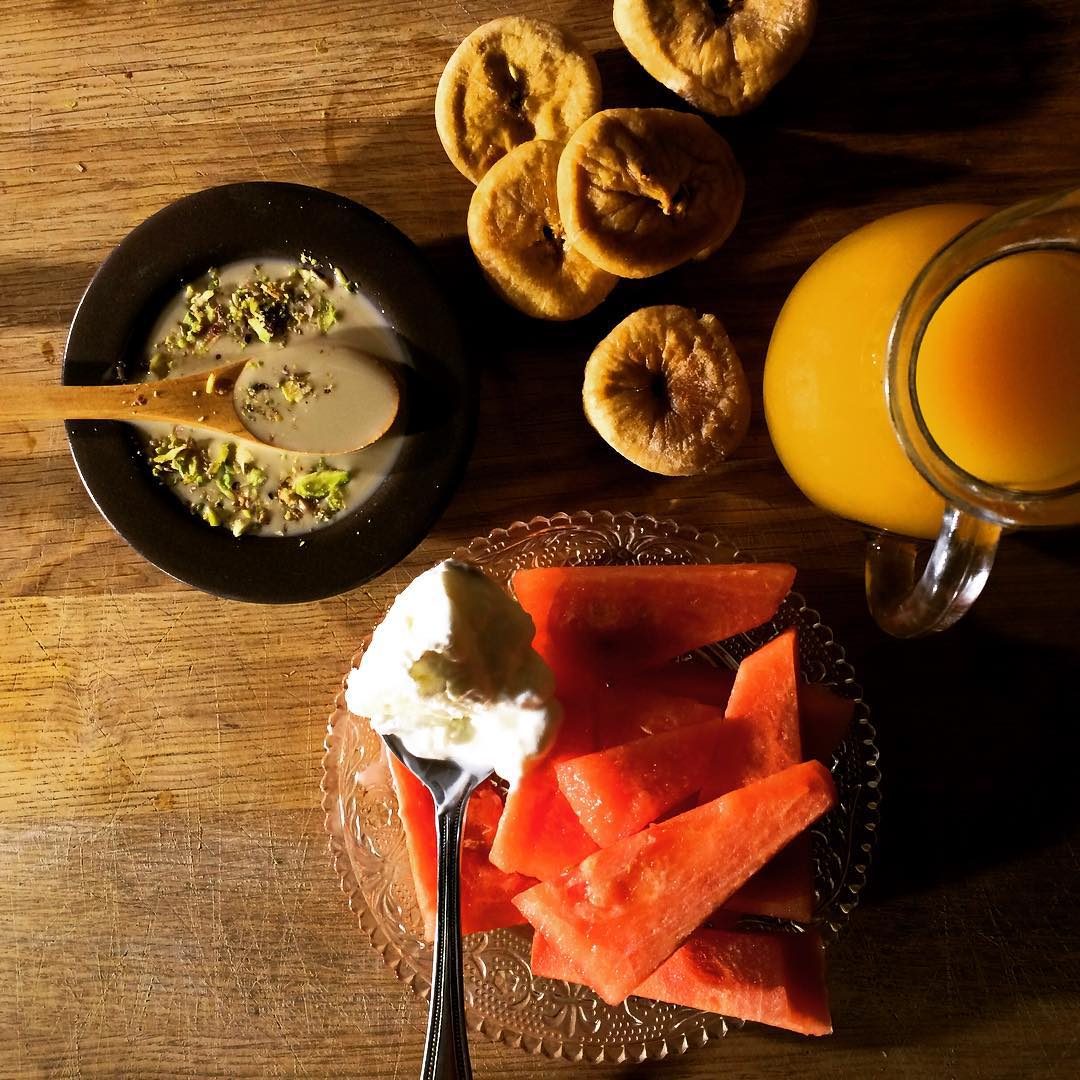
During Ramadan, Muslims who fast eat and drink nothing, not even water, from dawn to sunset for a month. Meals shift to two sittings: iftar at sunset and suhoor before dawn. That makes Ramadan one of the largest natural experiments in time-restricted eating, and its effects on the heart and blood vessels have been studied many times in adults. Teenagers, who are expected to fast once they reach puberty, have had much less attention. A team from the Syrian Private University in Damascus set out to fill part of that gap; their study was published in BMC Nutrition on 14 October.
They recruited 120 healthy students, 65 boys and 55 girls with an average age of 18, at a secondary school for gifted students in Daraa, southern Syria, during Ramadan 1447 AH, which fell in February and March 2026. Each student was measured twice: in the first week of Ramadan, when the body is just starting to adjust, and in the third week, when fasting is established. The team recorded blood pressure, resting heart rate, weight and body mass index, asked about fatigue-type symptoms, and worked out two combined measures: the rate pressure product (heart rate times systolic pressure, a rough guide to how hard the heart is working) and the shock index (heart rate divided by systolic pressure).
Between the two visits, average systolic blood pressure, the top number, fell from 129 to 113 mmHg, a drop of 17 mmHg (95% confidence interval 14 to 20), and diastolic pressure, the bottom number, fell from 81 to 73 mmHg. Resting heart rate went the other way, from 90 to 95 beats a minute. The rate pressure product fell and the shock index rose. Weight and BMI did not change, and neither did the overall pattern of fatigue symptoms. Boys and girls had similar falls in blood pressure, though the rise in heart rate was larger in boys.
The pre-dawn meal seemed to matter. Students who skipped suhoor had bigger falls in both systolic and diastolic pressure and a bigger rise in heart rate than students who ate before dawn. The authors suggest that changes in meal timing, fluid intake and daily rhythm could all play a part, but this study did not measure diet, hydration, hormones or the nervous system, and they call for studies that do.
Some caution is needed. There was no comparison group of students who were not fasting, so the study can't separate the effect of fasting from anything else that changed between the two weeks, including the students getting used to being measured; a first reading is often higher. The first-week average of 129/81 mmHg is itself on the high side for young people, so part of the fall may be a return towards their usual level. It is one school, in a setting the authors describe as low-resource and conflict-affected, and the results cover only three weeks. The study received no specific funding. The full paper was not open to us; we read the published abstract, so the figures here are the ones reported there.
Blood pressure and heart rate in week 1 and week 3 of Ramadan, 120 healthy students in Daraa, Syria, Ramadan 2026 (BMC Nutrition, 14 October 2026)
120
Healthy students measured twice, 65 boys and 55 girls, average age 18
129 → 113 mmHg
Average systolic (top) blood pressure, week 1 to week 3: down 17 mmHg (95% CI 14 to 20)
81 → 73 mmHg
Average diastolic (bottom) blood pressure: down 8 mmHg (95% CI 6 to 11)
90 → 95 a minute
Average resting heart rate: up 5 beats a minute (95% CI 3 to 8)
No change
Weight, BMI and overall fatigue-type symptoms
0.70 → 0.84
Shock index (heart rate ÷ systolic pressure), our arithmetic from the averages
Source: Jabr SJ, Al-Karad D, Alrefaai KM, Alsaleh Alatma OA, Nabulsi A, 'Short-term cardiovascular adaptations to Ramadan-associated time-restricted eating in healthy adolescents: a repeated-measures study', BMC Nutrition, published 14 October 2026, doi 10.1186/s40795-026-01489-9 (open access, CC BY 4.0). Design: community-based repeated-measures observational study at a specialised secondary school in Daraa, Syria; standardised assessments in the first and third weeks of Ramadan 1447 AH (2026); paired analyses, with subgroups by sex and by whether students ate suhoor. Effect sizes (Cohen's d): systolic 1.17, diastolic 0.65, heart rate 0.45; all three p<0.001. Mean differences are as reported (from paired data, so they need not equal the difference of the rounded averages). Rate pressure product fell and shock index rose significantly; our arithmetic from the averages: rate pressure product about 11,600 (90 × 129) to about 10,700 (95 × 113), shock index 90 ÷ 129 = 0.70 to 95 ÷ 113 = 0.84. No non-fasting control group; diet and hydration were not measured. No specific funding. Figures from the published abstract; the full text was not open to us.
- For teenagers aged 13 and over, the American Academy of Pediatrics' 2017 guideline uses the adult cut-offs: below 120/80 mmHg is normal, 120 to 129 over less than 80 is elevated, and 130/80 or more is high blood pressure.
- WHO estimates that 1.4 billion adults aged 30 to 79 had high blood pressure in 2024, a third of everyone in that age group, and many don't know it because it often causes no symptoms.
- The NHS counts a reading below 90/60 mmHg as low blood pressure; it often causes no symptoms, but it can make you feel dizzy or light-headed, especially when you stand up.
- The two combined measures in this study are simple sums you can do at home: rate pressure product is heart rate times systolic pressure, and shock index is heart rate divided by systolic pressure.
- Short-term cardiovascular adaptations to Ramadan-associated time-restricted eating in healthy adolescents: a repeated-measures studyBMC Nutrition · The study, published 14 October 2026 (abstract read)
- Clinical practice guideline for screening and management of high blood pressure in children and adolescentsPediatrics (American Academy of Pediatrics), 2017 · Blood pressure categories for teenagers
- Hypertension: key factsWorld Health Organization · 1.4 billion adults with hypertension in 2024; 140/90 threshold
- Low blood pressure (hypotension)NHS · Below 90/60 mmHg and its symptoms
- SuhurWikimedia Commons · The photo, CC BY 2.0
General information, not medical advice. This study measured healthy students and did not test whether fasting is safe or useful for anyone with a health condition. If you or your child have a heart or blood pressure problem, diabetes, or take regular medicines, talk to your doctor before fasting, and if you feel dizzy, faint or unwell while fasting, stop and get advice.
Analysis by NutroPractic from the sources listed. Written for general readers; it does not replace advice from your own doctor.
From our articles
Our guides on this subject
Plain-language guides on nutrition and wellness, backed by research.
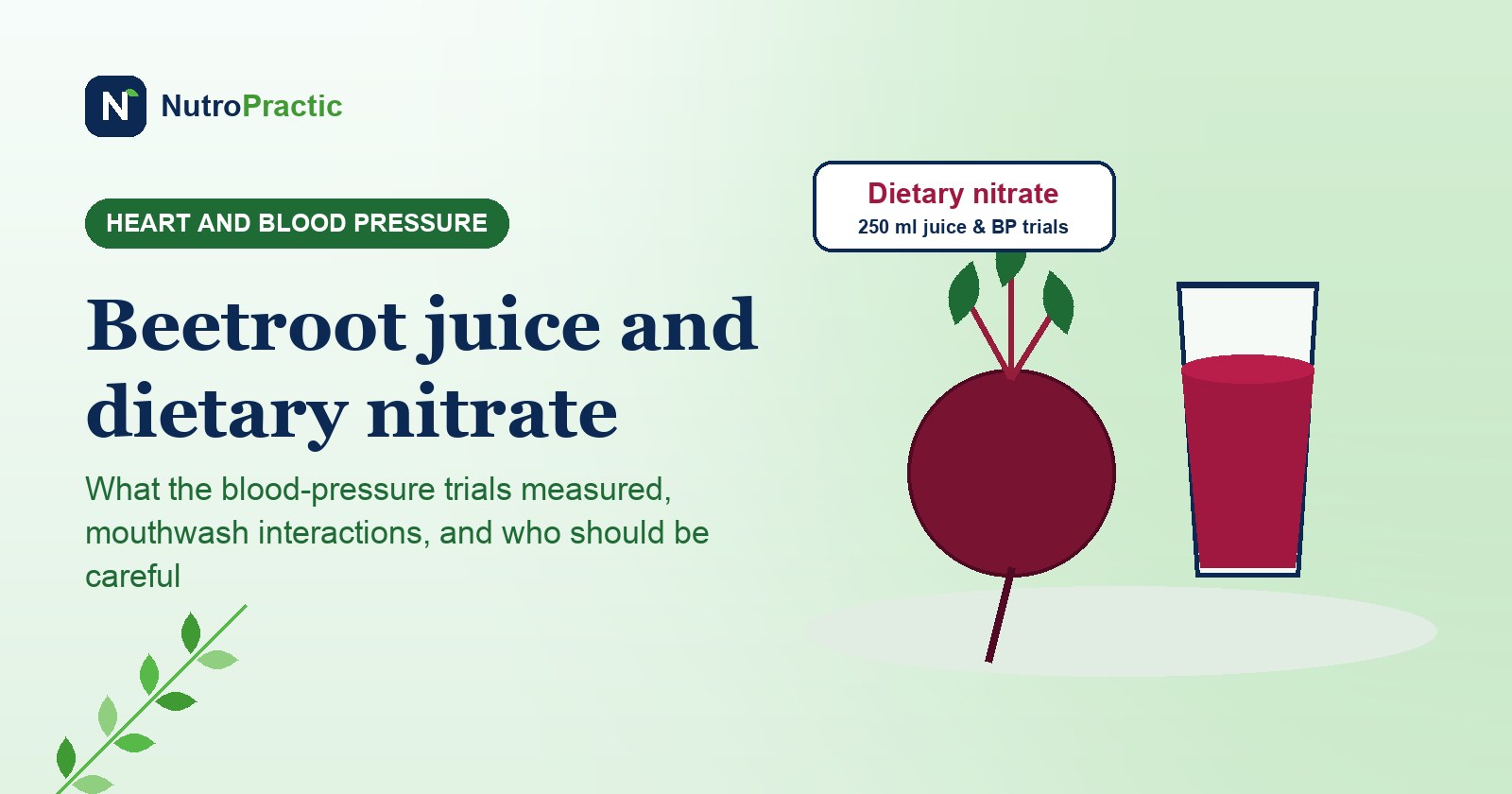
Heart and blood pressure
Beetroot juice and dietary nitrate: what the blood-pressure trials measured, and who should be careful
Drinking 250 ml of beetroot juice dropped clinic systolic blood pressure by 7.7 mmHg in 4-week clinical trials. Here is how tongue bacteria convert dietary nitrate to nitric oxide, why antiseptic mouthwash blocks it completely, and the oxalate kidney stone warning.
18 Nov 2026
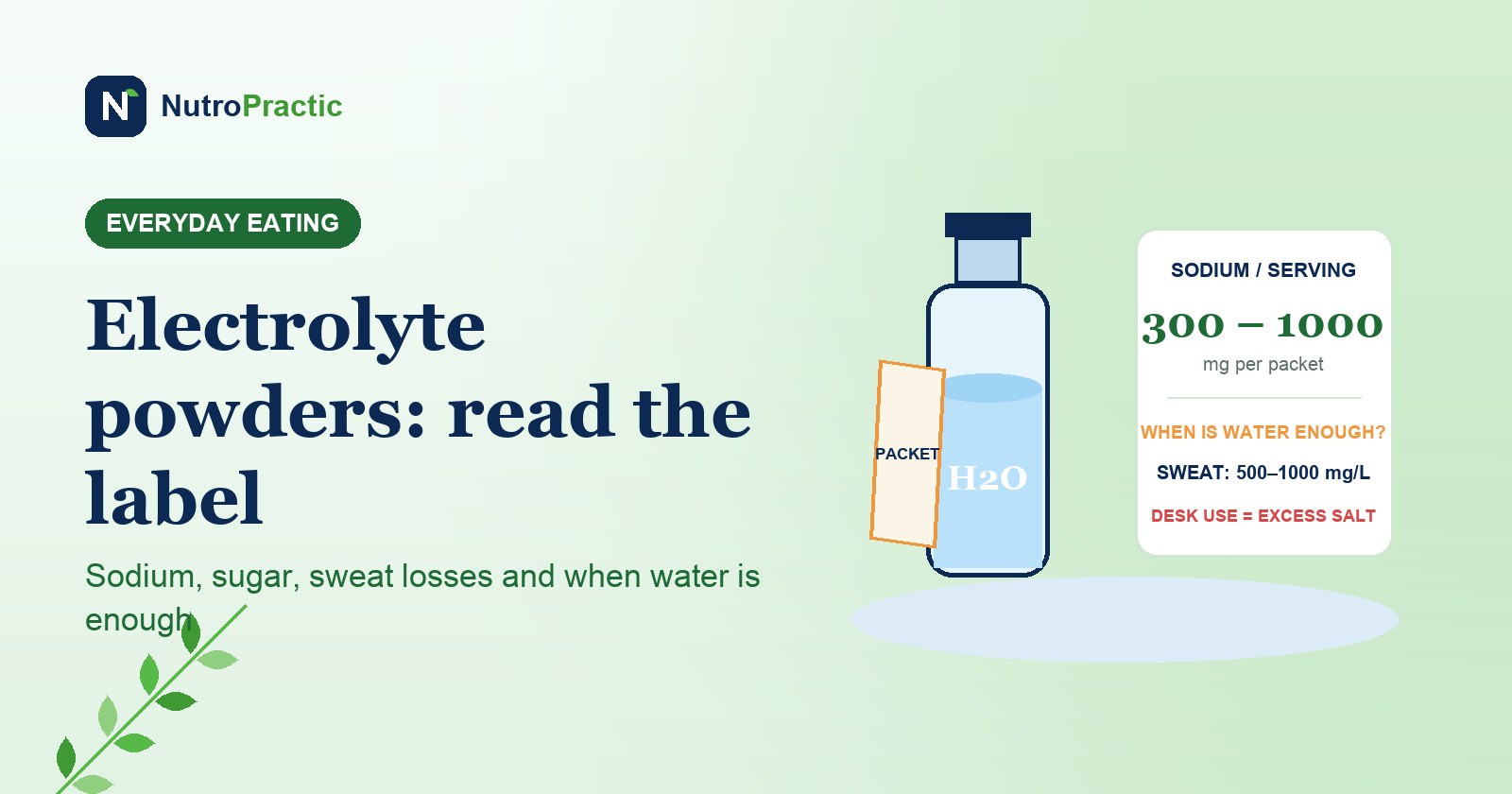
Everyday eating
Electrolyte powders: sodium and sugar per bottle, and when water is enough
Packets deliver 300 to 1,000 mg sodium and up to 11 g sugar. Here is how popular drink mixes compare with actual sweat losses—and who actually needs them.
10 Nov 2026
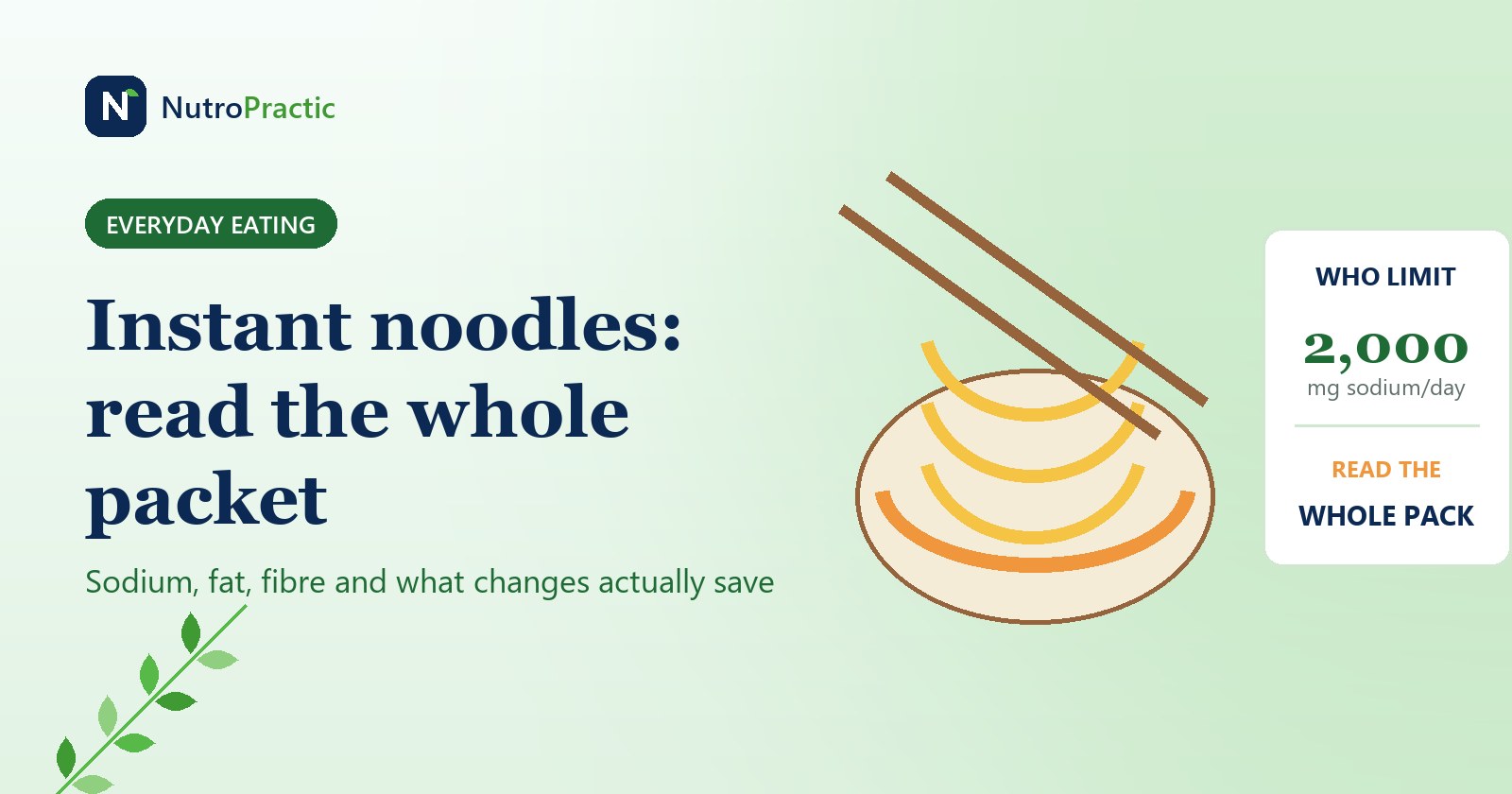
Everyday eating
Instant noodles: the sodium in the whole packet, and what actually reduces it
Three official labels range from 750 to 1,520 mg sodium per packet. Here is the whole-pack arithmetic, what the broth study measured, and how to turn noodles into a more complete meal.
6 Nov 2026
Newsfeed for your website
Want this feed on your website?
Add it to any site with one copy-and-paste snippet. No sign-up, and it updates itself every hour.
Start with a virtual consultation
Tell Dr. Triveni what you want to change. You will leave with a clear next step, whether you are in Toronto, London, New York or Chennai.