Alcohol and cancer · October 26, 2026
1,558 older US women with breast cancer: the ones who gave up alcohol around their diagnosis had a 39% higher death rate than those who kept drinking the same, and the researchers think the reason is why they quit
Cutting down made no difference to survival, before or after diagnosis. Quitting at the time of diagnosis went with more deaths, but the women who quit were already less healthy. One finding points the expected way: women already having a drink a day who drank more before diagnosis did worse.

Alcohol is an established cause of breast cancer. What is much less clear is whether drinking less after a diagnosis helps a woman live longer. Studies that measure drinking once have pointed every way, and many compare drinkers with non-drinkers, a group that quietly includes former drinkers who may have stopped because they were ill. A team from the University at Buffalo, the American Cancer Society and two other universities took a different approach: they followed changes in drinking over time and compared women who changed with women who stayed the same. Their study was published in Breast Cancer Research and Treatment on 23 October.
They used the American Cancer Society's Cancer Prevention Study-II Nutrition Cohort, which began in 1992 and asked about alcohol up to six times, in 1992, 1997, 1999, 2003, 2007 and 2013. They picked out postmenopausal women who were drinking in 1992 and were later diagnosed with breast cancer that had not spread to distant organs; their average age at diagnosis was 71. Drinking was sorted into five levels, from none to two or more drinks a day (one drink counted as 14 g of alcohol), and a woman counted as having quit, reduced or increased if she moved level between two questionnaires. Deaths were tracked through 2020. In the largest group, 1,558 women whose drinking was measured before and after diagnosis, 750 died over a median 12.6 years, 130 of them from breast cancer.
Most women didn't change much. From before to after diagnosis, 54% stayed at the same level, 20% cut down, 12% drank more and 14% stopped altogether, which means about 86% of these drinkers were still drinking after their diagnosis. Cutting down was not linked to survival at any point: the hazard ratio was 1.03 against stable drinking, with a range from 0.82 to 1.28. Neither was drinking more. Quitting before diagnosis (0.91) or in the years after it (0.98) made no clear difference either. The surprise was quitting across the diagnosis itself: those women had a 39% higher death rate than stable drinkers (hazard ratio 1.39, range 1.12 to 1.73), after allowing for age, stage, tumour type, smoking, diabetes, heart disease and how much they drank before.
The researchers don't think stopping drinking harmed anyone. The women who quit already looked different: more of them had diabetes or heart disease (24% against 17% of stable drinkers), more rated their own health as poor or fair (13% against 5%), more had only a high-school education, and they had been light drinkers to begin with, about 5 g of alcohol a day against 10 g. This is the 'sick quitter' problem: people often stop drinking because they feel unwell, and the illness, not the stopping, shapes their survival. When the team looked only at women who stayed off alcohol through the next questionnaire, the link to more deaths was no longer statistically clear. The one result in the expected direction came from heavier drinkers: among women already having at least a drink a day, those who drank more in the years before diagnosis had an 83% higher death rate (hazard ratio 1.83, range 1.02 to 3.31), though in a small group.
This is an observational study, so it can show links, not cause and effect, and the authors list its limits plainly. Drinking was self-reported, the questions changed between surveys, there was no record of why women changed or of their cancer treatment, heavy drinking was rare (about 11% had two or more drinks a day), and 98.5% of the women were white and most were in their 70s, so the results may not apply to younger women or other groups. They suggest a benefit from cutting down may need a change made earlier in life and kept up for longer, as with smoking. The study was funded by an American Association of University Women dissertation fellowship and the American Cancer Society, which runs the cohort; the authors declared no competing interests. We read the full paper; the figures here are from it.
Change in drinking and death from any cause, postmenopausal women with breast cancer, American Cancer Society CPS-II Nutrition Cohort, 1992 to 2020 (Breast Cancer Research and Treatment, 23 October 2026)
1,558 / 750
Women whose drinking was measured before and after diagnosis / deaths over a median 12.6 years
54% / 20% / 12% / 14%
Stayed the same / cut down / drank more / quit, from before to after diagnosis
1.39
Hazard ratio for death, quitting around diagnosis vs stable drinking (range 1.12 to 1.73)
1.03
Hazard ratio for death, cutting down around diagnosis vs stable drinking (range 0.82 to 1.28)
24% vs 17%
Women with diabetes or heart disease, quitters vs stable drinkers
1.83
Hazard ratio, drinking more before diagnosis among women already at 1+ drink a day (range 1.02 to 3.31)
Source: Rees S, Bodelon C, Chakraborty S, Millen AE, Wang Y, Faw K, Teras LR, Shams-White MM, Patel AV, Freudenheim JL, 'Change in alcohol consumption and all-cause mortality among postmenopausal women diagnosed with breast cancer', Breast Cancer Research and Treatment 2026;220(1):14, published 23 October 2026, doi 10.1007/s10549-026-08113-1 (open access, CC BY 4.0). Design: prospective cohort; women drinking at the 1992-93 baseline, postmenopausal at diagnosis, non-metastatic invasive breast cancer; three overlapping change intervals: before diagnosis (n = 1,330, 608 deaths), before to after diagnosis (n = 1,558, 750 deaths) and after diagnosis (n = 975, 467 deaths). Intake in five levels (0, >0 to <0.5, 0.5 to <1, 1 to <2, ≥2 drinks a day; 1 drink = 14 g ethanol). Cox models adjusted for prior intake, time between surveys, age at diagnosis, stage, oestrogen receptor status, smoking pack-years and diabetes or heart disease; deaths from the National Death Index to 31 December 2020. Hazard ratios vs stable intake (Table 2, model 2): quit 0.91 (0.69 to 1.21) before diagnosis, 1.39 (1.12 to 1.73) before to after, 0.98 (0.70 to 1.35) after; reduced 1.07, 1.03, 1.11; increased 1.06, 1.08, 0.99, all with ranges crossing 1. Group shares (before to after): stable 53.9%, reduced 20.2%, increased 11.6%, quit 14.4%. Table 1, quitters vs stable: comorbidity 24.1% vs 16.5%; poor-fair perceived health 12.5% vs 5.1%; high school or less 33.9% vs 21.9%; mean prior intake 4.6 vs 9.8 g a day. The 1.83 is from Table 3, women at ≥1 drink a day at the first measure, before-diagnosis interval (345 women, 160 deaths); the abstract also says ≥1 drink a day, while one sentence in the results text says 'less than or equal to'. Sustained cessation (Supplementary Table 4) was no longer statistically significant. Breast cancer deaths (130 in the main group) were analysed only in the supplement and should be read with caution, the authors say. 39% and 83% are our reading of hazard ratios 1.39 and 1.83. Funding: American Association of University Women dissertation fellowship; American Cancer Society. No competing interests declared.
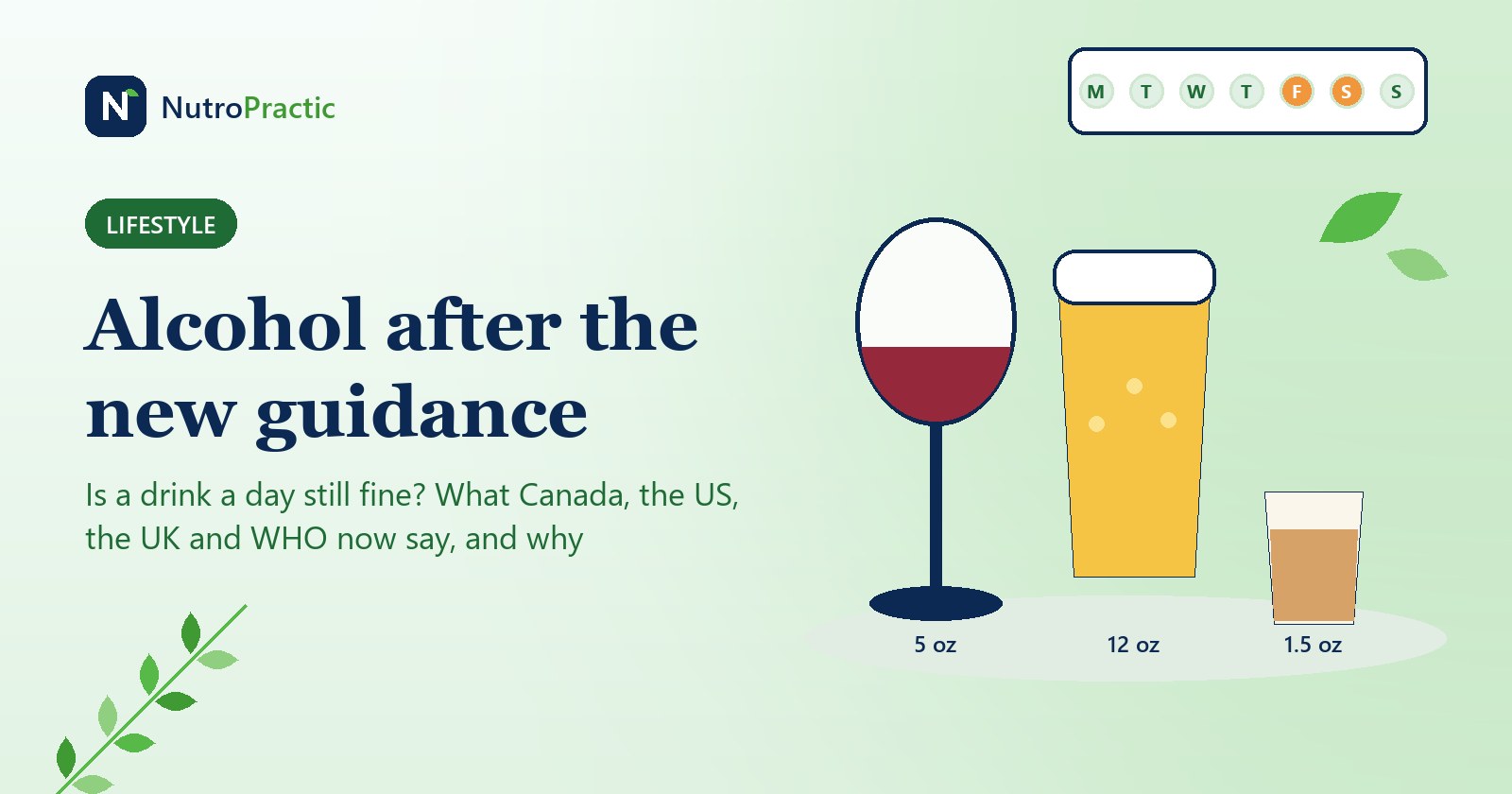
- A US standard drink holds about 14 g of pure alcohol: a 12-ounce regular beer at 5%, a 5-ounce glass of wine at 12% or a 1.5-ounce shot of 40% spirits. The study used the same 14 g to turn questionnaire answers into drinks a day.
- The US Surgeon General's January 2025 advisory called alcohol the third leading preventable cause of cancer in the United States, after tobacco and obesity, and noted that fewer than half of American adults recognise it as a cancer risk.
- Researchers call it the 'sick quitter' effect: people often stop drinking because they are already unwell, which can make former drinkers look less healthy than people who still drink. It is why this team compared changers with stable drinkers rather than with non-drinkers.
- The authors point to smoking research, where quitting earlier in life (before 40) and staying off for 10 years or more are the changes most clearly tied to longer survival, as one reason a change in drinking made in a woman's 70s may be too late or too short to show up.
- Change in alcohol consumption and all-cause mortality among postmenopausal women diagnosed with breast cancerBreast Cancer Research and Treatment · The study, published 23 October 2026
- Full text (PMC13694358)PubMed Central · Methods, Tables 1 to 3, limitations, funding and competing interests
- What is a standard drink?National Institute on Alcohol Abuse and Alcoholism · 14 g of alcohol and the beer, wine and spirits examples
- Alcohol and Cancer Risk: the U.S. Surgeon General's AdvisoryU.S. Department of Health and Human Services · Alcohol as the third leading preventable cause of cancer; public awareness
- Bottle and glass of red wineWikimedia Commons · The photo, CC0
General information, not medical advice. This observational study can't show that quitting or cutting down on alcohol helps or harms survival after breast cancer, and its results don't mean drinking is safe. Major health bodies advise limiting or avoiding alcohol. If you have had breast cancer, talk to your oncologist or doctor about alcohol and your own situation, and get support if you find it hard to cut down.
Analysis by NutroPractic from the sources listed. Written for general readers; it does not replace advice from your own doctor.
From our articles
Our guides on this subject
Plain-language guides on nutrition and wellness, backed by research.
Lifestyle
Alcohol after the new guidance: is a drink a day still fine? What Canada, the US, the UK and WHO now say
Canada now calls two drinks a week low risk, the US Surgeon General linked alcohol to about 100,000 cancer cases a year, and the 2025-2030 US guidelines swapped their daily limits for "drink less". What the studies show about the J-curve, cancer, sleep and calories, with standard drinks by country.
23 Oct 2026
Heart health
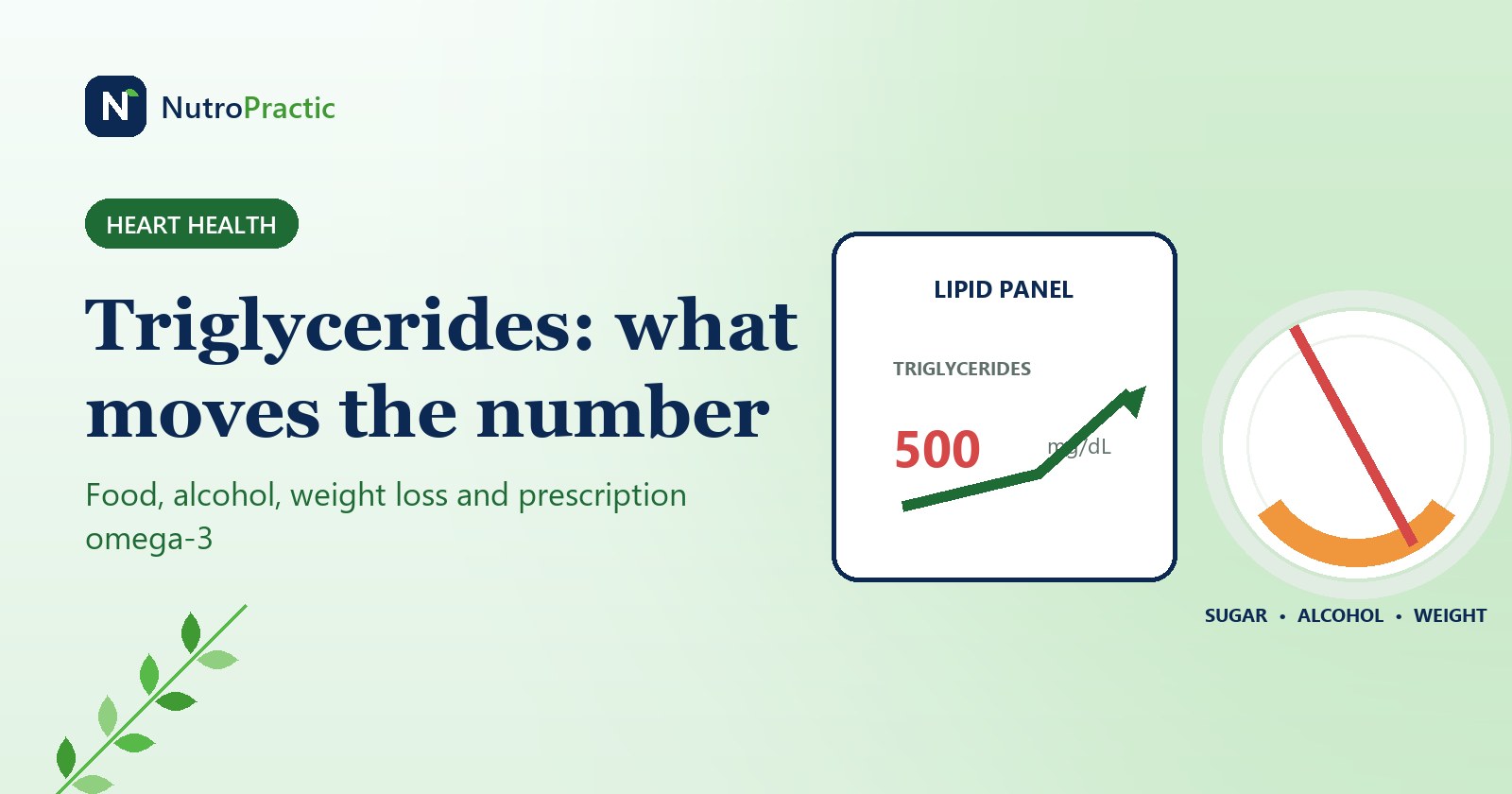
Triglycerides: what food, alcohol, weight loss and omega-3 actually change
A 5-10% weight loss often lowers triglycerides by about 20-30%, as can 4 g/day of prescription omega-3. Here is what 150, 500 and 1,000 mg/dL mean, which changes have numbers behind them, and when a result needs prompt care.
9 Nov 2026
Women's health
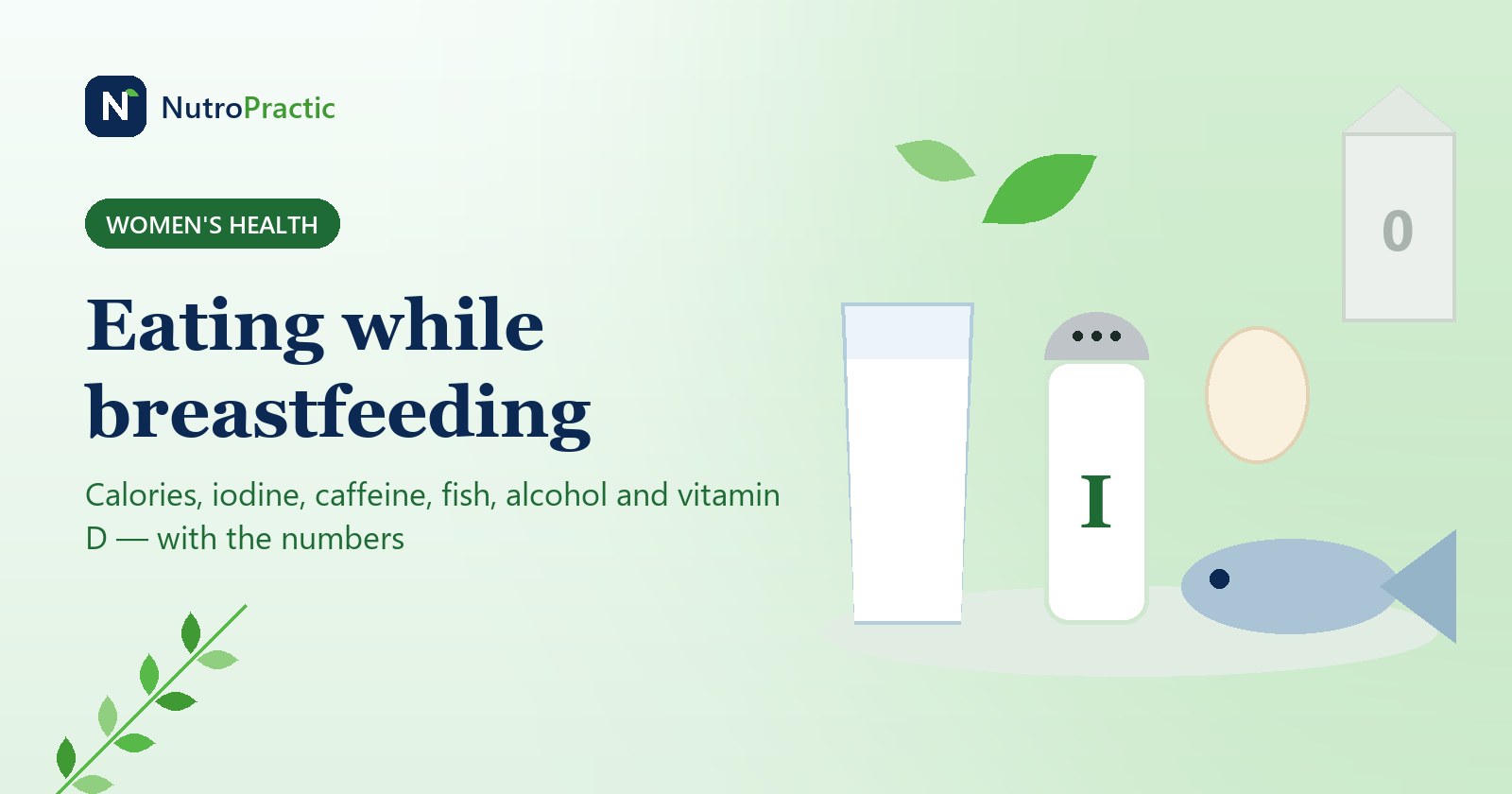
Eating while breastfeeding: extra calories, iodine, caffeine, fish and alcohol, with the actual numbers
Breastfeeding usually adds about 330–400 kcal a day, but the smaller numbers can matter more: 290 mcg iodine, 400 IU vitamin D for baby, 8–12 oz fish a week, and a caffeine total you can actually add up.
6 Nov 2026
Newsfeed for your website
Want this feed on your website?
Add it to any site with one copy-and-paste snippet. No sign-up, and it updates itself every hour.
Start with a virtual consultation
Tell Dr. Triveni what you want to change. You will leave with a clear next step, whether you are in Toronto, London, New York or Chennai.