Newsfeed
Nutrition research, analysed
A new analysis every hour. Each one covers a recent study or report: What was found, the numbers behind it and the sources to check. We write about research from the last two weeks, not the news of the day.
Gut health · October 27, 2026
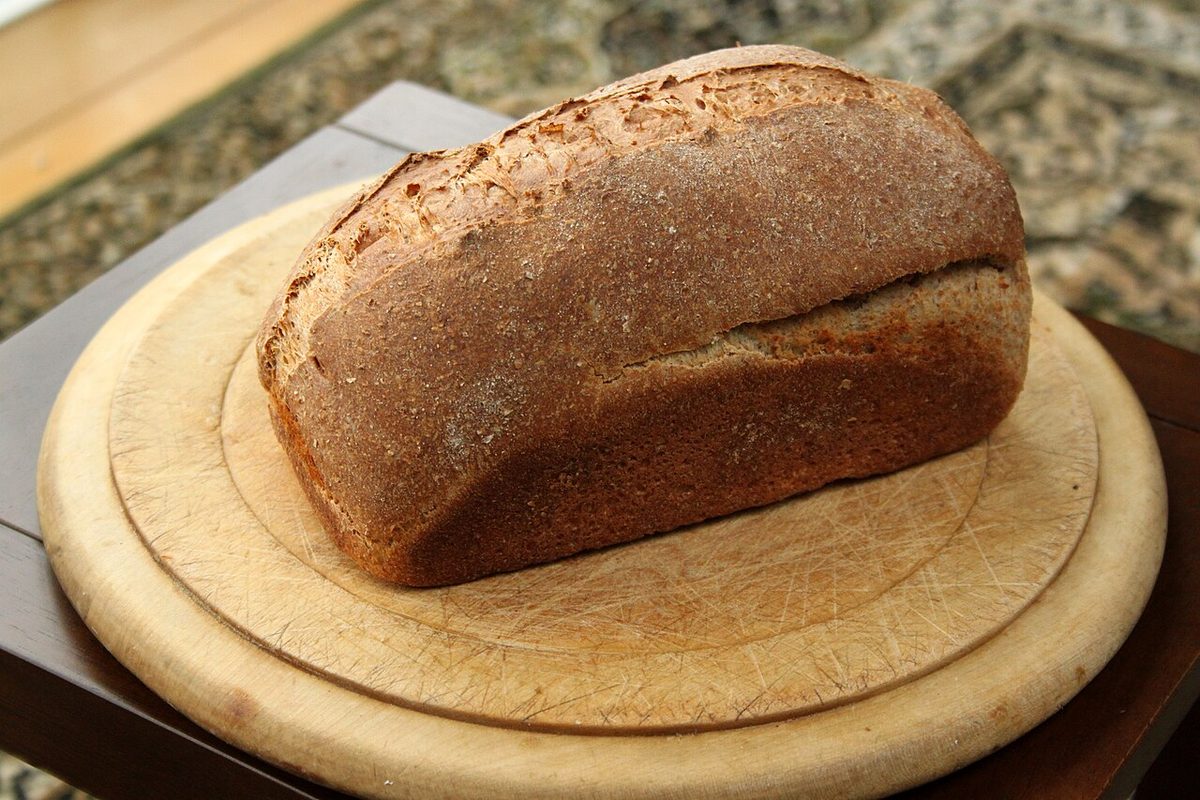
People with ulcerative colitis in a small Argentine study ate about half as much fibre as healthy volunteers, with fewer whole grains, but no difference held up once the researchers corrected for running many tests
Thirty-nine adults in Córdoba kept a seven-day food diary. People with ulcerative colitis or Crohn's disease ate about as many calories, as much protein and as much tryptophan as healthy volunteers, but those with ulcerative colitis ate less fibre (median 7.1 g a day against 12.8 g). The study is small and every gap it found faded after a stricter statistical check, so the authors treat it as a lead for bigger studies.
Read the analysis
Mental health · October 27, 2026
Young people in Zhejiang who ate fish, fruit and vegetables more often, and fried and sugary foods less often, were less likely to screen positive for anxiety. The survey can't say which came first
Researchers asked 584 sons and daughters of hospital staff, aged 10 to 24, how often they ate ten kinds of food and how they felt about their bodies and their mood. Each step up on a simple food score went with 35% lower odds of anxiety and 16% lower odds of depressive symptoms. A one-off survey like this can't show that the food made the difference, and low mood can change what people eat.
Read the analysis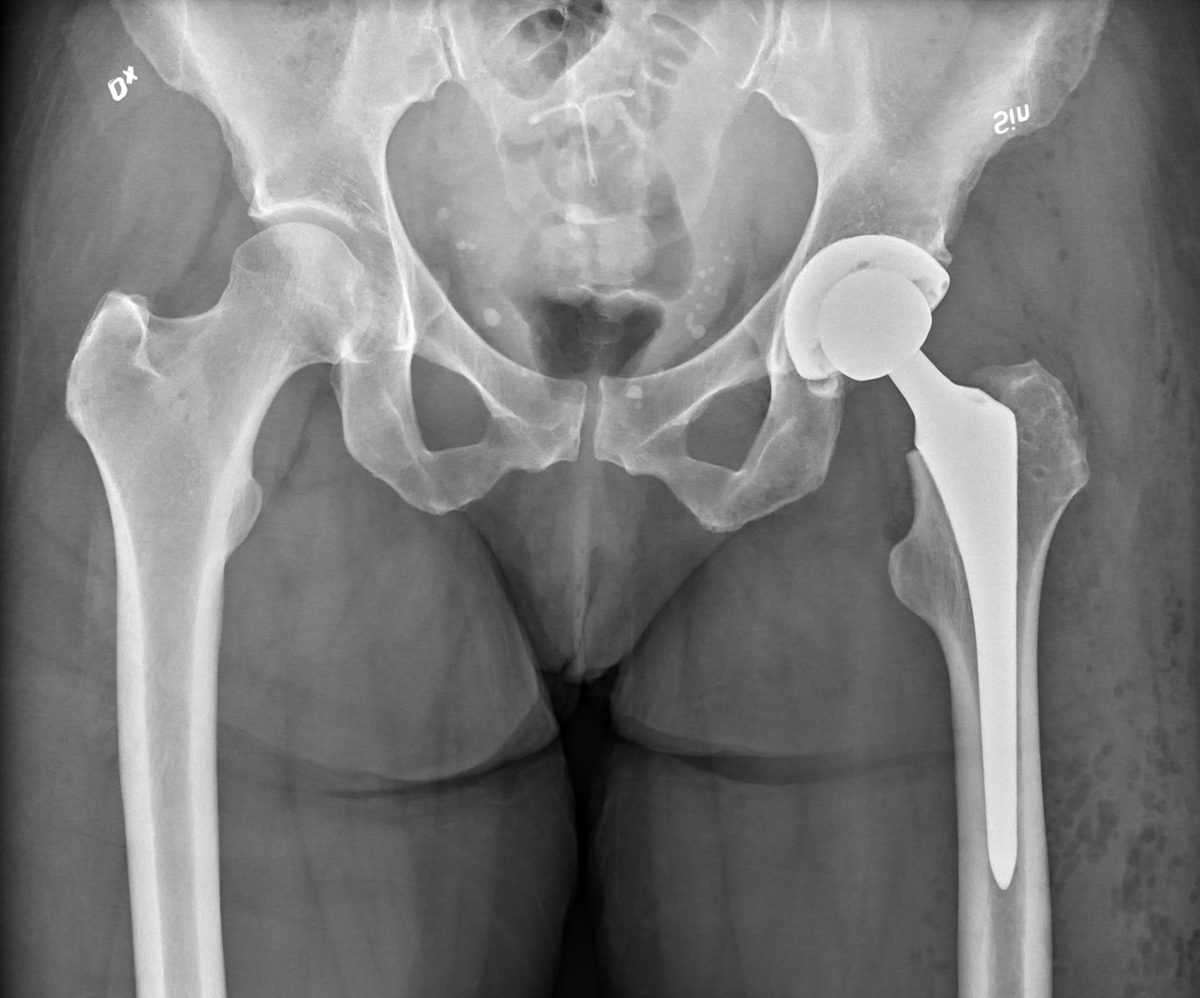
Surgery recovery · October 27, 2026
Three months after a new hip, about one in four hip fracture patients in Qingdao still hurt. Of more than 30 things the team recorded around the operation, a nutrition score from a routine blood test was the biggest single clue to who would
Researchers followed 881 people aged 50 and over who had a total hip replacement after breaking a hip. Those left with lasting pain had gone into surgery with lower scores on a simple nutrition index, thinner and fattier hip muscles on their CT scan and more signs of inflammation. A prediction model built from seven such measures held up on a later group of patients, but it points to warning signs, not causes.
Read the analysis
Picky eating · October 27, 2026
In 300 Korean families, the parents who shied away from new foods tended to have children who did too, and those children scored a little higher on a checklist of worries and behaviour problems
Parents of 6- to 12-year-olds in South Korea rated their own fear of unfamiliar food and their child's. The two went together, and parental food fear also tracked with more emotional and behavioural symptoms in the child. It is a snapshot, all of it reported by the parent, and the authors are careful to say it proves nothing about cause.
Read the analysis
Food insecurity · October 27, 2026
Food-insecure adults with high blood pressure got produce boxes or grocery money plus monthly calls from a community health worker. A year on, the calls had not got them moving more, and easing their food worries didn't either
A North Carolina trial gave adults who were short of food either twice-monthly produce boxes or $40 a month, and half of them phone coaching too. In 338 people with full data, the coached group's weekly activity was no different, and the authors think the dose of coaching was simply too light.
Read the analysis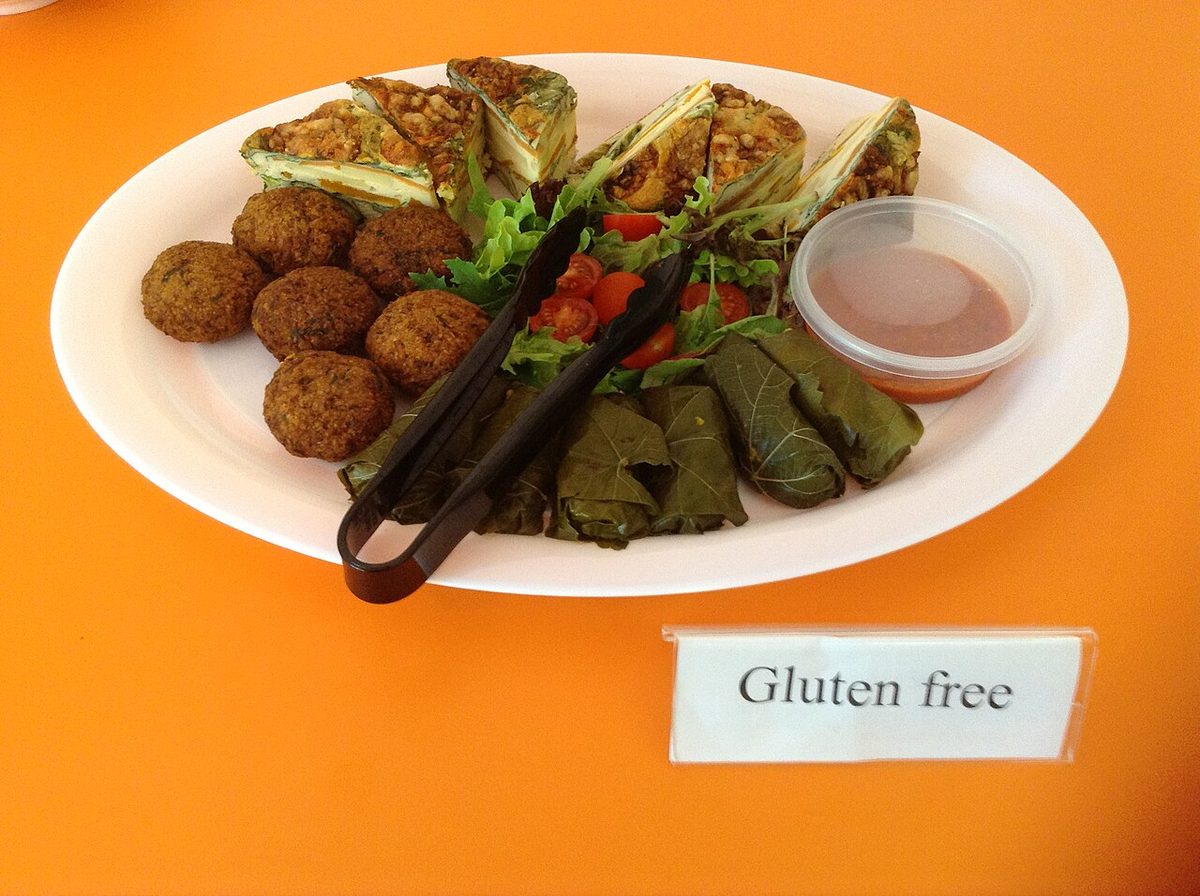
Coeliac disease · October 27, 2026
Two in three people with coeliac disease who had kept to a gluten-free diet for at least a year still had gut symptoms that fit a gut-brain disorder such as IBS, about twice the rate in the general population
A survey of 1,001 Dutch adults with coeliac disease found irritable bowel syndrome patterns more than four times as often as in the general public. Those who said they never slipped on gluten were just as likely to have them, which points beyond the diet.
Read the analysis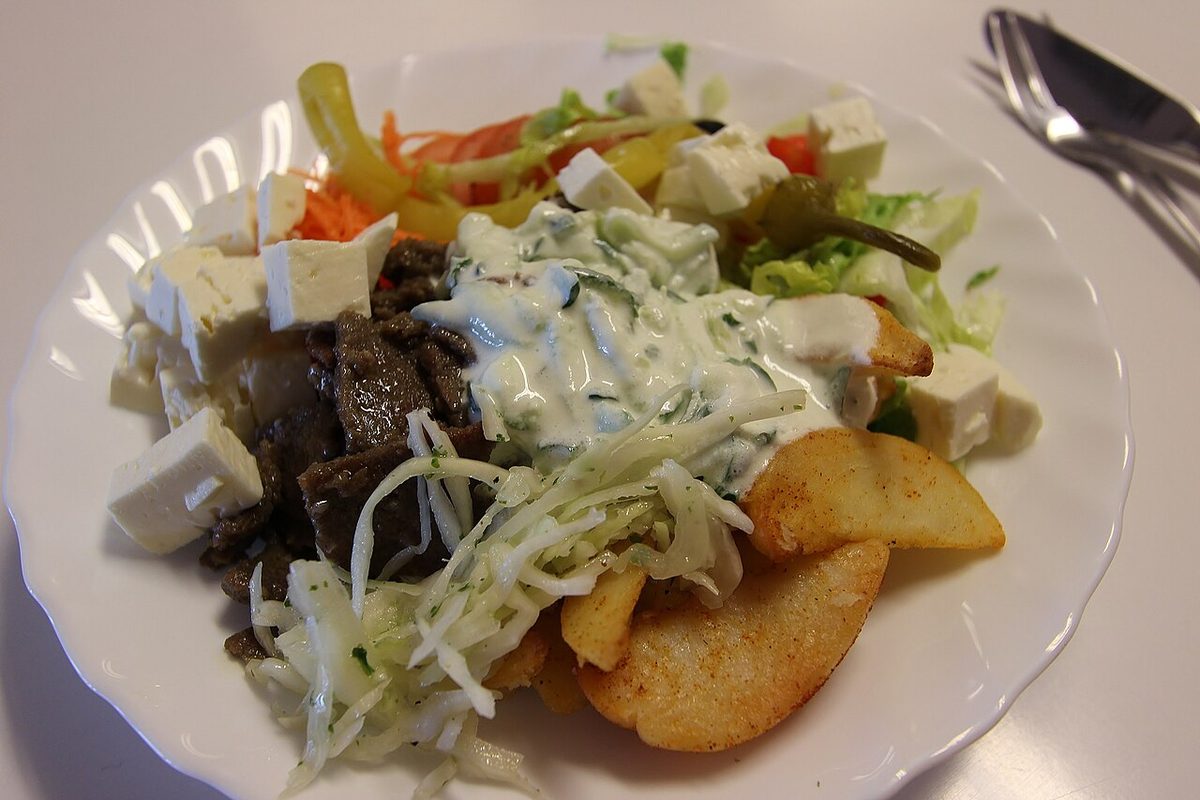
Young athletes · October 27, 2026
Nearly 1 in 10 teenage athletes at Sweden's elite sport schools screened positive for a possible eating disorder. Skipping meals and going meat-free stood out, and half said they struggled to find time to cook
Umeå University researchers added food questions to a national survey of 7,993 pupils aged about 16 to 19. Girls screened positive three times as often as boys, and pupils who felt they knew how to eat for their health were less likely to.
Read the analysis
Healthy ageing · October 27, 2026
Older women with good blood vitamin C walked about 10% faster and rose from a chair a second quicker than those running low. In 5,028 Norfolk adults, the blood test told a clearer story than the diet diary
A University of East Anglia team checked plasma vitamin C, grip strength, walking speed and chair stands in middle-aged and older adults from the EPIC-Norfolk study. The differences were clearest in women, smaller in men, and weaker when vitamin C was judged from food questionnaires alone.
Read the analysis
Pregnancy · October 27, 2026
Finland's register lists 556 babies with the facial signs of fetal alcohol damage in 28 years. A new model says that, even on cautious assumptions, more than a thousand children a year are born with the full disorder
Researchers pieced together surveys, biomarker studies and school screening from other countries to estimate how many Finnish pregnancies meet alcohol. Exposure has fallen a lot since the 1990s, but about one pregnancy in three still does, often in the weeks before anyone knows there is a baby.
Read the analysis
Child development · October 26, 2026
Born early, 376 toddlers in Ohio got a daily omega-3 and omega-6 powder or corn oil for six months. Eight years on, autism and ADHD diagnoses were no different, but one attention test leaned towards the supplement
The Omega Tots trial gave DHA and arachidonic acid to toddlers born before 35 weeks, then went back when they were about nine. Parents and teachers saw no difference and medical records showed none, yet a computer attention test, and a couple of subgroups, hinted at something worth a closer look.
Read the analysis
Inflammation · October 26, 2026
For eight weeks, 53 adults ate a fully supplied Mediterranean diet or their usual food, and their inflammation marker didn't move. It fell only after two fasting days a week were added, and the weight started coming off
A controlled-feeding trial from Washington University in St. Louis, now published in Cell Metabolism, tried to separate what the Mediterranean diet does by itself from what the weight loss that often comes with it does. Cholesterol answered to the food. Inflammation answered to the fasting.
Read the analysis
Children's weight · October 26, 2026
A year of family sessions at the children's doctor helped a third of 559 German kids with excess weight hit their target, against a fifth after one 30-minute talk. Six months after the sessions ended, the gap had closed
The STARKIDS trial in Baden-Württemberg put a low-cost programme, run by practice assistants with an online platform, against a single counselling session. It worked at 12 months. By 18 months the single-session group had caught up, and the authors now suggest starting everyone with the short talk.
Read the analysisFrom our articles
Read, then eat a little better
Plain-language guides on nutrition and wellness, backed by research.

Women's health
Inositol for PCOS: the 40:1 ratio, trial doses, and food milligrams
Why do randomized trials in polycystic ovary syndrome prioritize the 40:1 myo to D-chiro inositol ratio? Here is the science behind the ovarian epimerase paradox, clinical ovulation and insulin metrics, and why cantaloupe cannot replace 4,000 mg trial powder.
21 Nov 2026

Everyday eating
Extra virgin olive oil polyphenols: the EU health claim, smoke point myths, and cooking stability
Does extra virgin olive oil degrade when cooked? What does the EU 5 mg polyphenol health claim require, how does oleocanthal act like ibuprofen, and why does oxidative stability matter more than smoke point in domestic frying? Here is the clinical and culinary data.
21 Nov 2026

Food and nutrition
L-theanine and caffeine: what cognitive trials measured on sustained attention, and milligrams in matcha vs green tea
Combining L-theanine with caffeine produces clean focus without caffeine jitters. Here is what randomized trials measured on attention-switching, EEG alpha brain waves, and the exact milligrams across ceremonial matcha, culinary powder, gyokuro, and sencha.
20 Nov 2026
Start with a virtual consultation
Tell Dr. Triveni what you want to change. You will leave with a clear next step, whether you are in Toronto, London, New York or Chennai.