Newsfeed
Nutrition research, analysed
A new analysis every hour. Each one covers a recent study or report: What was found, the numbers behind it and the sources to check. We write about research from the last two weeks, not the news of the day.

Teen health · October 27, 2026
In 52,735 rural Chinese teenagers, those who had sugary drinks more than five times a week were about a fifth more likely to report lasting emotional or behaviour problems. Short sleep showed a bigger gap
A survey across 60 village secondary schools in five Chinese provinces, published on 26 October, set frequent sugary drinks and a waist-heavy body shape against a 15-question mental health screen. Both lined up with more symptoms, and together the odds more than doubled in one group. But the combined numbers don't climb in a straight line, and teenagers sleeping under six hours stood out more than any drink.
Read the analysis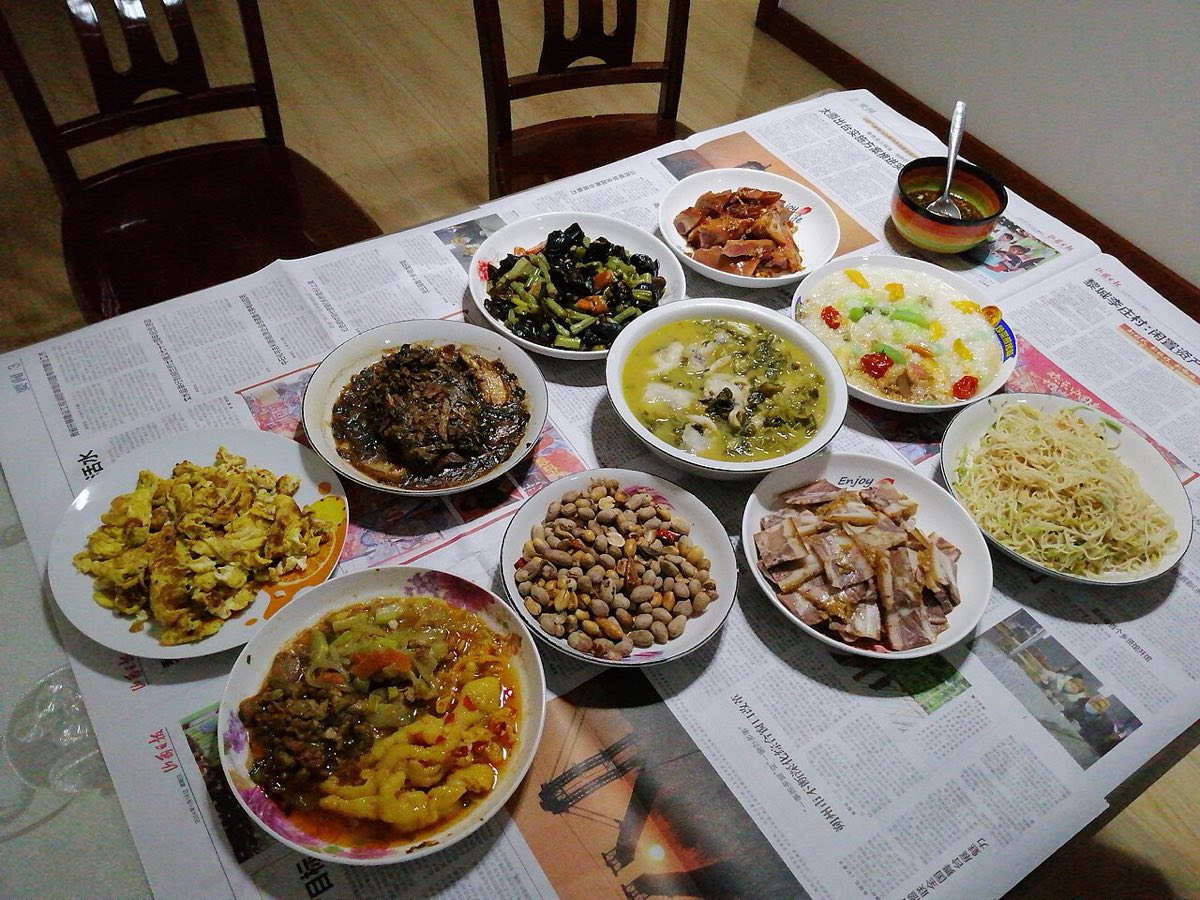
Digestive health · October 27, 2026
Chinese adults in their 80s who ate the widest range of foods were about a quarter less likely to develop a stomach ulcer. But the gap had all but vanished after the first three years
A study of 13,274 older adults in China, published on 26 October, scored how many of nine food groups each person ate regularly, from fruit and greens to eggs, fish, nuts and tea. The highest scorers developed fewer ulcers over the next decade. The catch: almost all the difference showed up early, which may mean people already unwell were eating less widely to begin with.
Read the analysis
Healthy ageing · October 27, 2026
Middle-aged and older Koreans whose plates scored as most 'inflammatory' were nearly three times as likely to report months of dizziness with unsteady standing, walking or falls. Dizziness on its own showed no link
A national survey study of 7,562 adults aged 40 and over, published on 19 October, scored one day of eating with the Dietary Inflammatory Index. The top third had 2.9 times the odds of chronic dizziness with imbalance. But that top third also ate about 880 kcal a day less, and the study can't say which came first.
Read the analysis
Sports nutrition · October 27, 2026
Three shots of beetroot juice after 200 weighted jumps: female volleyball players jumped 1.5 cm higher three days later than on a dummy drink. Their soreness, speed on court and thigh strength didn't budge
A small double-blind crossover trial in Chinese university volleyball players, published on 20 October, found that 50 mL of concentrated beetroot juice a day kept jump height closer to normal and made calves less tender to pressure at 72 hours. Almost everything else it measured came out the same, and the 'placebo' was a fruit concentrate of its own.
Read the analysis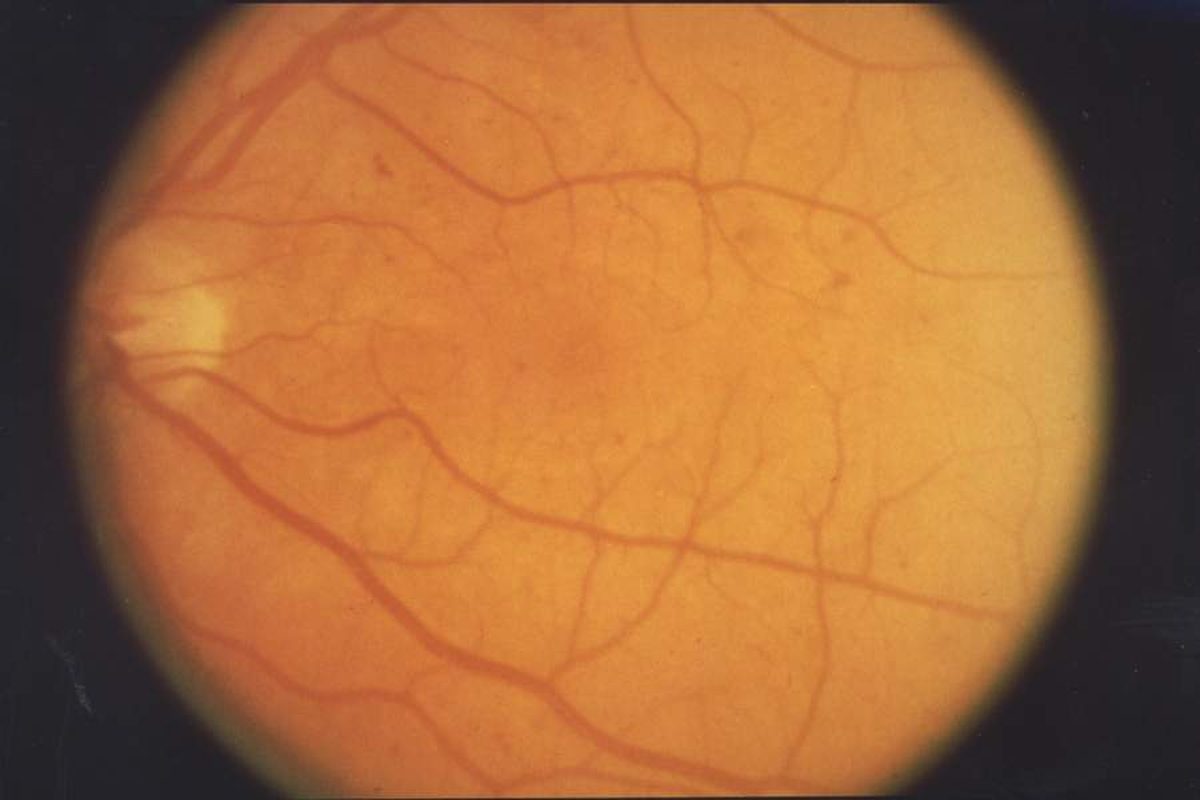
Eye health · October 27, 2026
Among 2,071 Korean adults with diabetes, those taking a probiotic supplement had about half as much diabetic eye damage. Vitamin C and lutein takers looked similar
A nationwide Korean survey with eye photographs graded by retina specialists, published on 25 October, found diabetic retinopathy in 11% of probiotic users against 21% of everyone else, even after allowing for blood sugar and years with diabetes. The authors are careful: it is a snapshot, other supplements showed similar gaps, and nobody has yet tested probiotics for the eyes in a trial.
Read the analysis
Preschool children · October 27, 2026
In 6,048 New Zealand four-year-olds, girls who ate the most white bread, sweets and salty snacks were twice as likely to be overweight. In boys the link didn't show
A study of children from New Zealand's largest birth cohort, published on 15 October, compared what preschoolers usually ate with measured height, weight and waist. A diet heavy in refined, sugary, salty and fatty foods went with more overweight, but only clearly in girls. Eating plenty of fruit, vegetables and protein foods showed no link either way. It is a snapshot, not proof of cause.
Read the analysis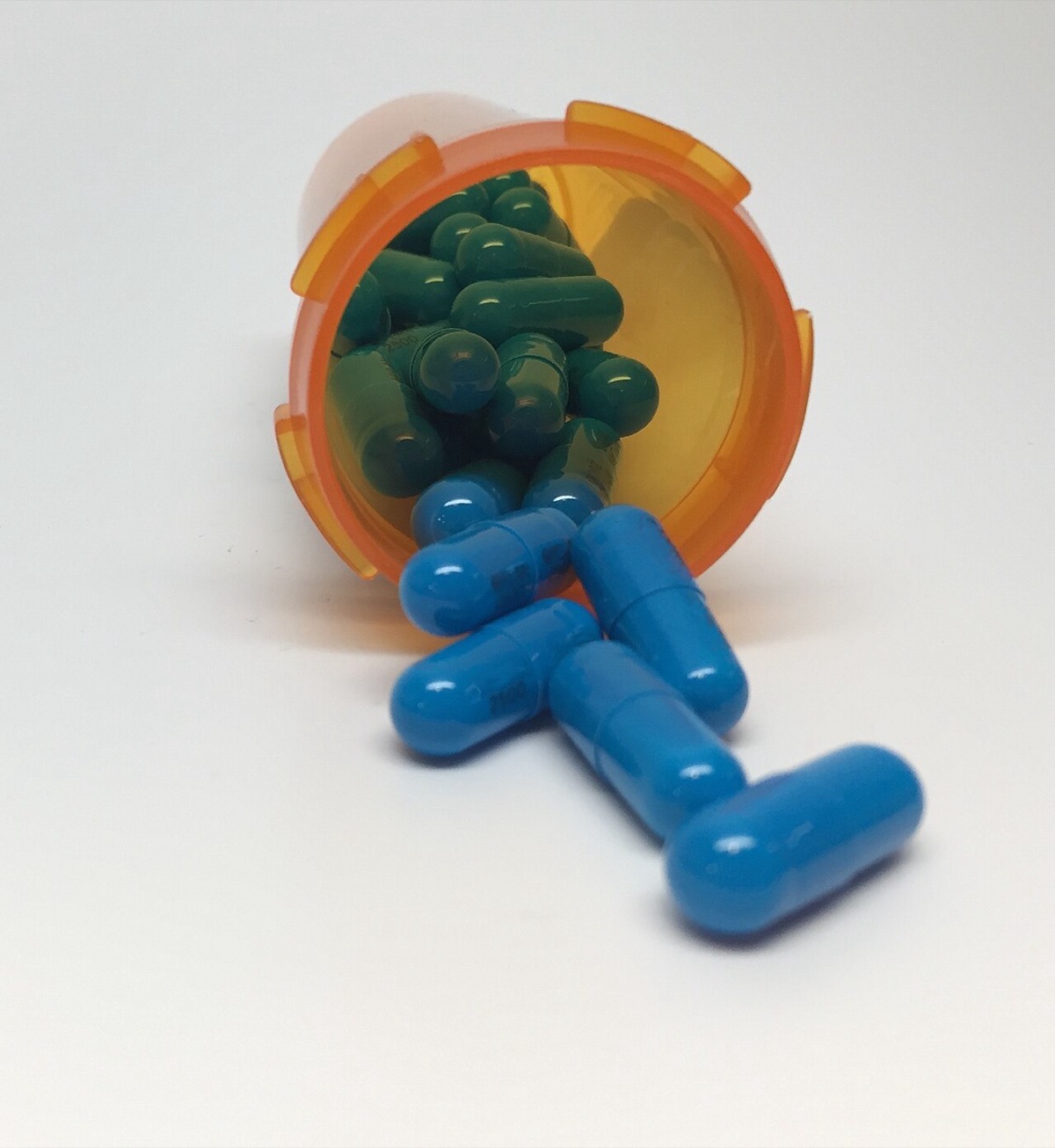
Iron and anaemia · October 27, 2026
Iron every other day, at a lower dose: in a six-week trial of 66 women, stores rose about as much as on a daily pill with roughly three times the iron
Iron pills are famous for upsetting stomachs, and the body partly shuts the door on iron for a day after each dose. An Italian trial published on 25 October gave iron-deficient women either 21 mg every other day or 30 mg every day. Ferritin climbed in both groups, with no real difference between them. The catch: it was short, small and partly industry-funded.
Read the analysis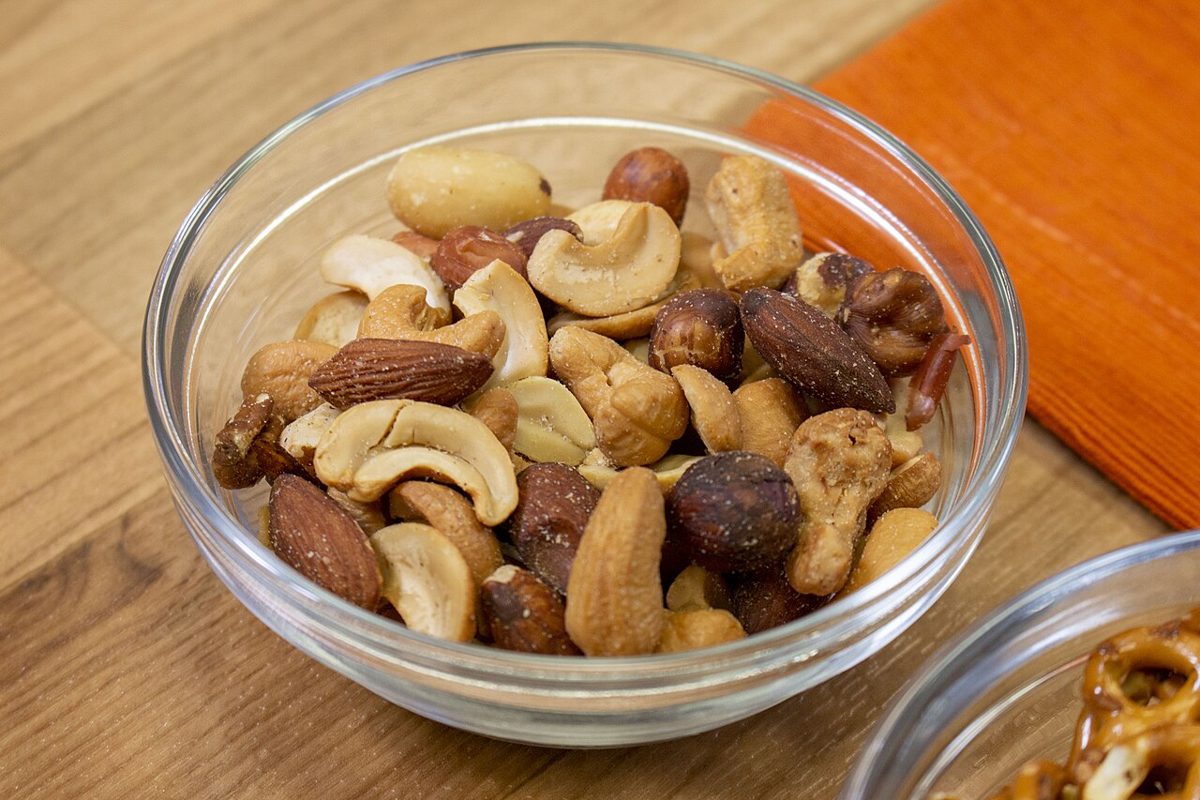
Heart health · October 27, 2026
Not all low-carb is equal: blood proteins from 19,655 UK adults link a plant-based low-carb pattern, but not an animal-based one, to less heart disease
Low-carb eating can mean nuts, beans and olive oil, or it can mean meat, butter and cheese. A UK Biobank study published on 22 October read hundreds of blood proteins to build a 'fingerprint' of each style, then followed people for almost 12 years. Only the plant-based fingerprint went with less heart disease and stroke.
Read the analysis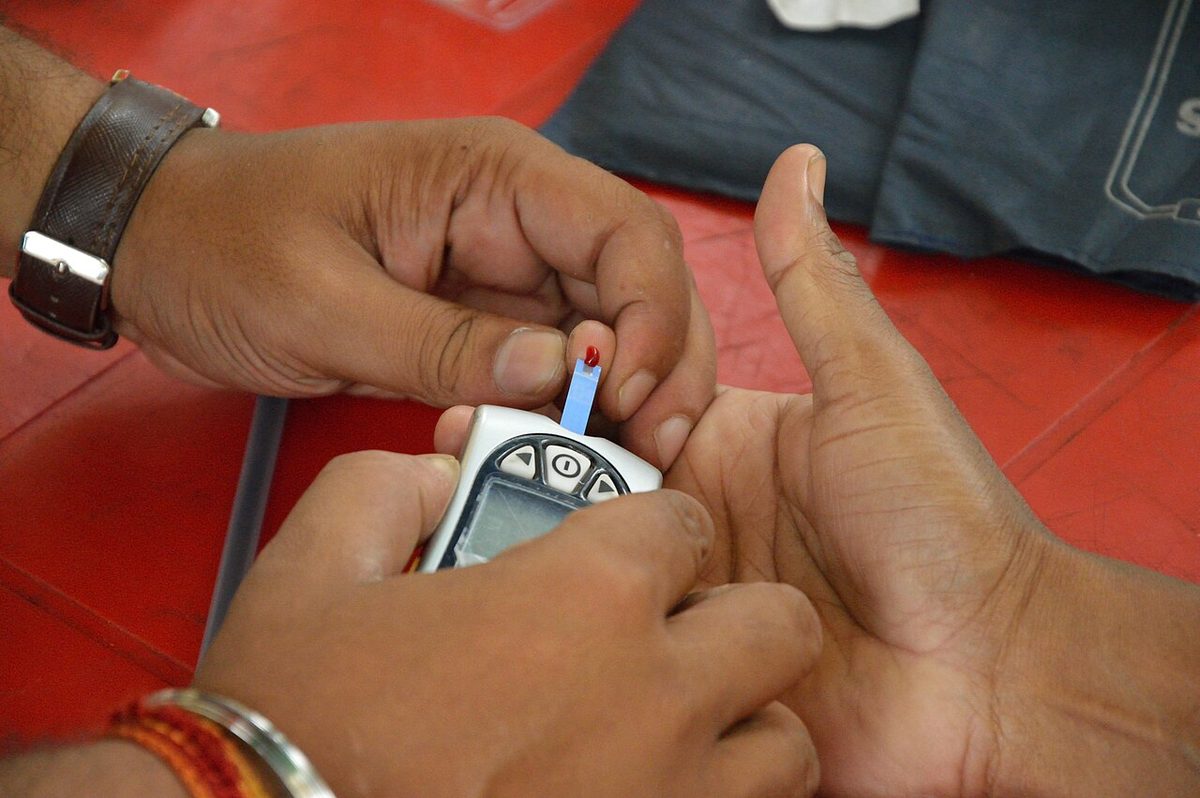
Type 1 diabetes · October 27, 2026
Insulin isn't the whole story: nine years of records from 435 Indian children with type 1 diabetes point to a 'hidden hunger' holding back their growth
Children with type 1 diabetes are usually checked for blood sugar and carbohydrate. A Pune study published on 17 October followed 435 of them for up to nine years and found that low calcium, iron, zinc, folate and B-vitamin intakes were common, got worse in puberty, and went with shorter and thinner children, whatever their sugar control.
Read the analysis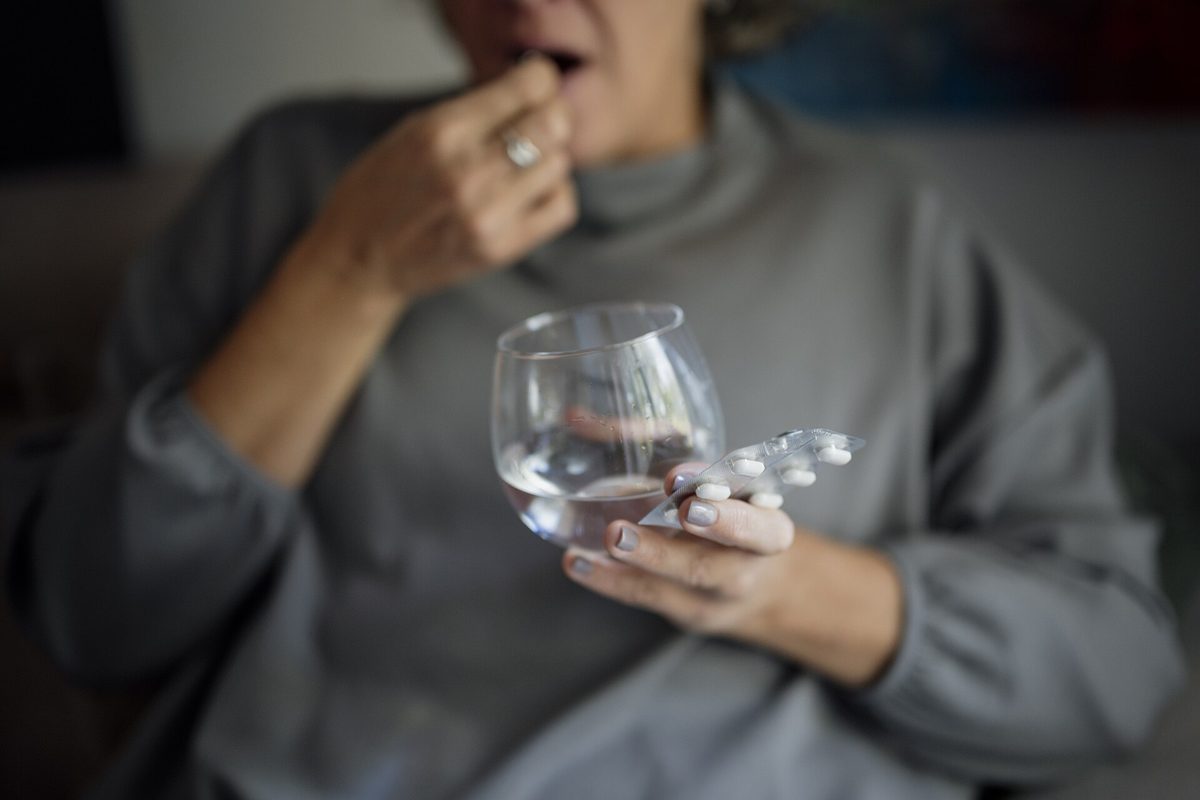
Food and medicines · October 27, 2026
Protein and the clock matter most: a new review sorts what really changes how Parkinson's pills work from what is still only theory
A big protein meal can blunt levodopa, the main Parkinson's medicine, and taking it after food instead of before slows it down. A review published on 19 October found the human evidence is strongest for those two things, and much thinner for claims that whole diets, from Mediterranean to ketogenic, change how the drugs work.
Read the analysis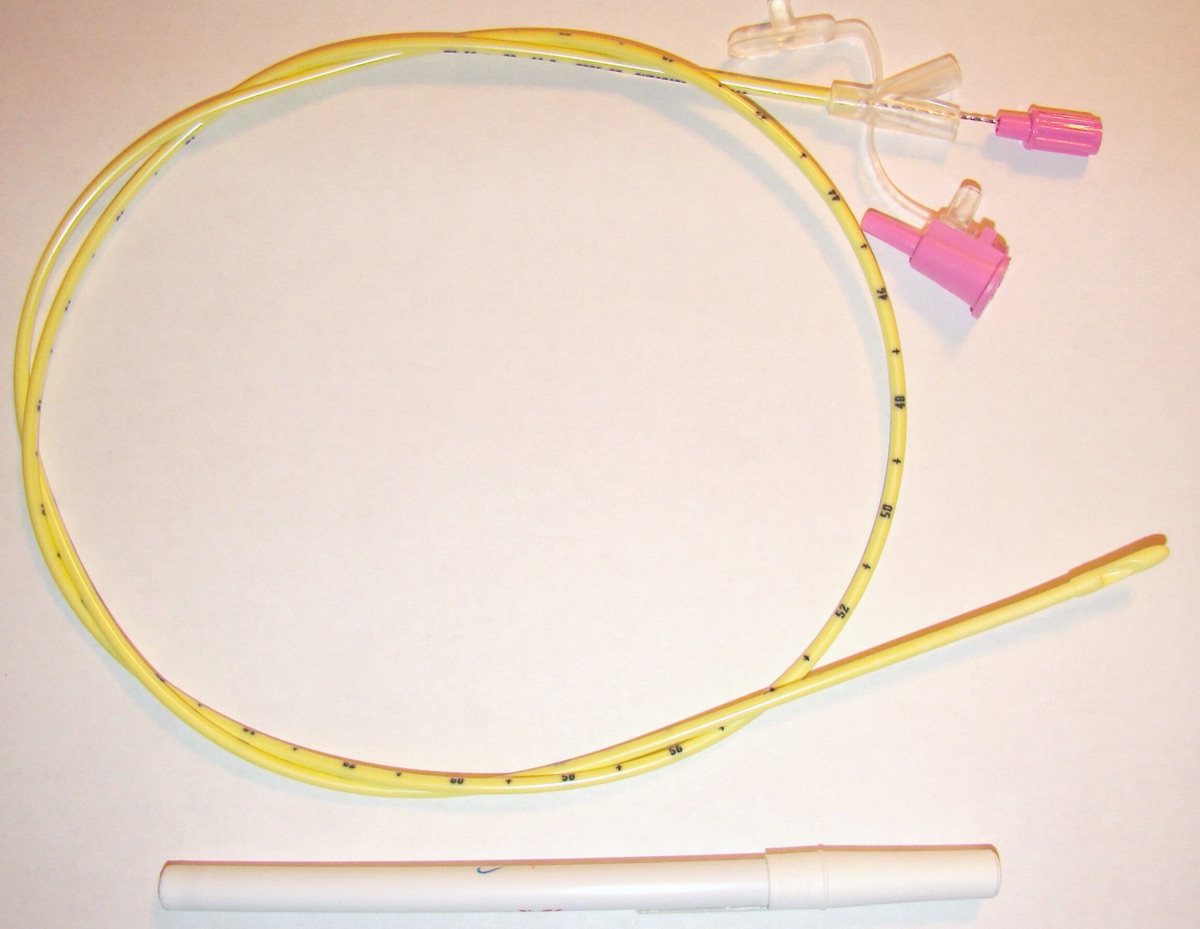
Clinical nutrition · October 27, 2026
Feeding by tube or drip at home went with better quality of life for the first four months, but at six months the gain was no longer clear, a review of 18 studies finds
Researchers in Nanjing pooled studies of adults who went home on tube feeding or intravenous nutrition. Quality-of-life scores rose from the start at one, two, three and four months, most at two to four months. At six months the pooled gain was small and could have been chance, though fewer and different studies reported that far out.
Read the analysis
Food allergy · October 27, 2026
Breastfed babies with food allergy were a little lighter for their length at five months in a Chongqing study, and most of their mothers had cut foods from their own diet
Doctors in Chongqing followed 73 exclusively breastfed babies from four to six months old. The 30 with a food allergy were about 0.4 of a standard unit lighter for their length at five months than the 43 without, and the gap didn't close or widen after that. Twenty-five of the 30 mothers (83%) were avoiding foods themselves, usually on a doctor's advice, against 8 of 43 in the other group.
Read the analysisFrom our articles
Read, then eat a little better
Plain-language guides on nutrition and wellness, backed by research.

Women's health
Inositol for PCOS: the 40:1 ratio, trial doses, and food milligrams
Why do randomized trials in polycystic ovary syndrome prioritize the 40:1 myo to D-chiro inositol ratio? Here is the science behind the ovarian epimerase paradox, clinical ovulation and insulin metrics, and why cantaloupe cannot replace 4,000 mg trial powder.
21 Nov 2026

Everyday eating
Extra virgin olive oil polyphenols: the EU health claim, smoke point myths, and cooking stability
Does extra virgin olive oil degrade when cooked? What does the EU 5 mg polyphenol health claim require, how does oleocanthal act like ibuprofen, and why does oxidative stability matter more than smoke point in domestic frying? Here is the clinical and culinary data.
21 Nov 2026

Food and nutrition
L-theanine and caffeine: what cognitive trials measured on sustained attention, and milligrams in matcha vs green tea
Combining L-theanine with caffeine produces clean focus without caffeine jitters. Here is what randomized trials measured on attention-switching, EEG alpha brain waves, and the exact milligrams across ceremonial matcha, culinary powder, gyokuro, and sencha.
20 Nov 2026
Start with a virtual consultation
Tell Dr. Triveni what you want to change. You will leave with a clear next step, whether you are in Toronto, London, New York or Chennai.