Type 1 diabetes · October 27, 2026
Insulin isn't the whole story: nine years of records from 435 Indian children with type 1 diabetes point to a 'hidden hunger' holding back their growth
Children with type 1 diabetes are usually checked for blood sugar and carbohydrate. A Pune study published on 17 October followed 435 of them for up to nine years and found that low calcium, iron, zinc, folate and B-vitamin intakes were common, got worse in puberty, and went with shorter and thinner children, whatever their sugar control.
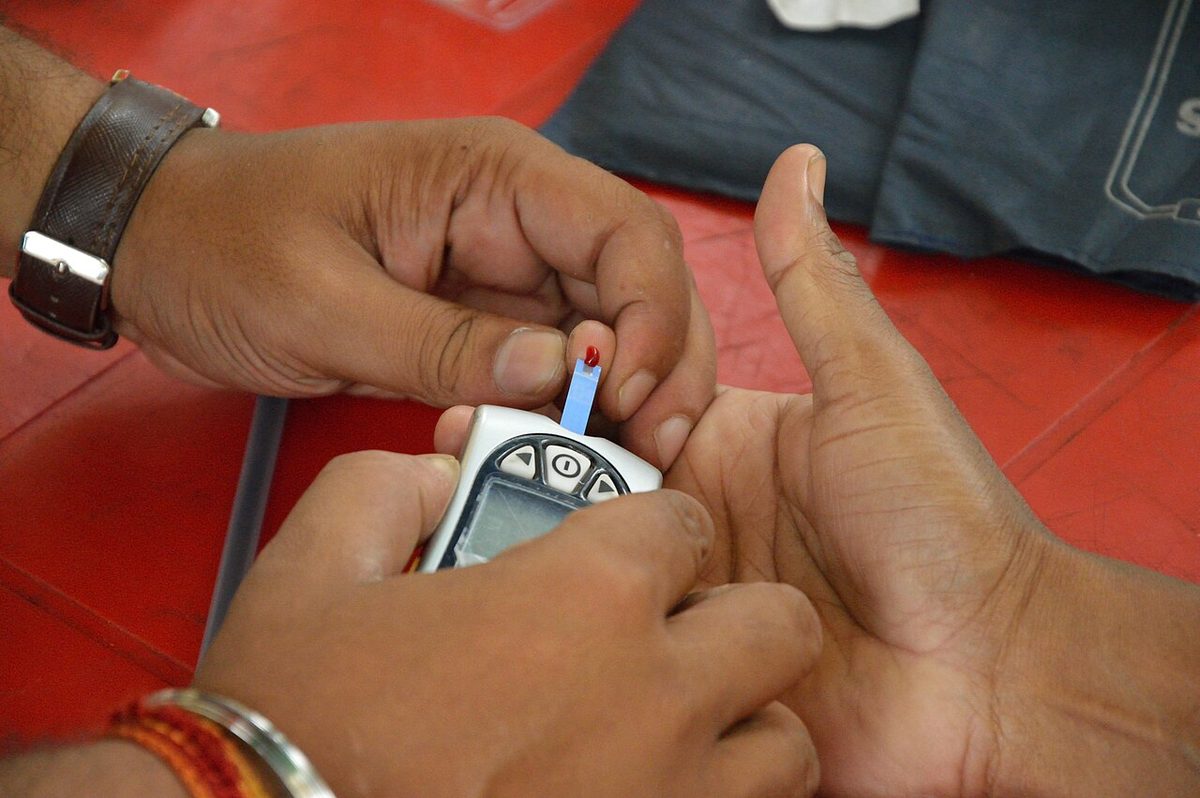
Type 1 diabetes in children is usually managed around one number: blood sugar. Families learn to count carbohydrates, match insulin to meals and watch glucose readings, and clinic visits often focus on HbA1c, the measure of average sugar control over a few months. Growth is checked too, because children with type 1 diabetes are known to be at risk of growing less well. What gets less attention is the rest of the plate, the vitamins and minerals a growing body needs. Shortfalls in these are often called 'hidden hunger', because a child can eat enough to feel full and still run short of them.
A team at the Hirabai Cowasji Jehangir Medical Research Institute in Pune, with a paediatric endocrinologist from Surya Children's Hospital in Mumbai, looked back at records from a clinic cohort of children with type 1 diabetes. The analysis, published on 17 October in BMC Nutrition, covers 435 children and adolescents aged 5 to 19, followed at a single centre between 2015 and 2024. Each year the clinic recorded what the children ate, their height and weight, and their body composition. The researchers compared each child's intake with the Estimated Average Requirements set by India's ICMR-National Institute of Nutrition in 2020, classed stunting (being short for age) and wasting (being thin for height) using WHO and Indian Academy of Pediatrics standards, and used statistical models suited to repeated measurements of the same children over time.
The children were smaller than they should be. Average height, weight and BMI scores sat below the reference values in every age group. Stunting was common and rose over the years, from 14% of children at the start to 20% at the end, while wasting stayed between 8% and 13%. Energy intake often fell short, especially in puberty, when energy adequacy was 66%. Intakes of calcium, iron, zinc, folate and riboflavin (vitamin B2) were consistently below requirements, and fell further during puberty, the years of fastest growth.
When the researchers linked diet to growth, the pattern held. Children whose diets met less of their needs for B-vitamins such as thiamine, riboflavin, niacin and folate, and for minerals including iron, zinc, copper, potassium and phosphorus, were more likely to be stunted. Wasting went with low energy intake and shortfalls in thiamine, fibre, iron, copper, niacin and micronutrients overall. Higher calcium and folate intakes went with more lean body mass. The authors report that these links were independent of glycaemic control, so they were not simply a side effect of poorly controlled diabetes, and they call for micronutrient intake to be checked and improved as a routine part of diabetes care for children.
There are limits to what this shows. It is a retrospective look at one clinic's records, so it shows associations, not that low micronutrient intake causes poor growth. Adequacy was judged from reported diets against requirements, not from blood levels of the vitamins and minerals, and each link found was modest in size. The children came from a single centre in western India and may not reflect others. The version online now is the accepted manuscript, shared before final editing, and so far the abstract is the part that can be read in full. The authors declare no competing interests and list no specific funding.
Growth and nutrient intake in Indian children and adolescents with type 1 diabetes, 2015-2024 (BMC Nutrition, 17 October 2026)
435
Children and adolescents aged 5 to 19 with type 1 diabetes in the analysis
9 years
Span of the single-centre records, 2015 to 2024, with diet, height, weight and body composition checked each year
14% → 20%
Share of children who were stunted (short for their age), at the start and at the end of follow-up
8–13%
Share of children who were wasted (thin for their height) over the study years
66%
Energy adequacy during puberty: the share of energy needs met by the diet
5
Nutrients consistently below requirements: calcium, iron, zinc, folate and riboflavin
Retrospective single-centre cohort (secondary analysis), so associations only. Figures are as stated in the study abstract; the accepted manuscript is online ahead of the final version, which may be edited. Intakes were judged against ICMR-NIN 2020 Estimated Average Requirements and growth against WHO and IAP standards. The odds ratios reported for each nutrient were small (0.96 to 0.99 for stunting and wasting), and the links were reported as independent of glycaemic control. No competing interests declared.
- 'Hidden hunger' is the term used for a lack of vitamins and minerals that doesn't show up as hunger; a child can eat enough calories and still be short of iron, zinc or folate.
- India's ICMR-National Institute of Nutrition publishes nutrient requirements for Indians; its 2020 edition includes Estimated Average Requirements, the levels this study used to judge whether intakes were adequate.
- Stunting means being shorter than expected for age and wasting means being too thin for height; both are measured against growth standards for healthy children.
- HbA1c measures how much sugar has attached to haemoglobin in red blood cells, which gives a picture of average blood sugar over roughly the past two to three months.
- Puberty is when growth speeds up most, so needs for nutrients such as calcium, iron and zinc rise just as appetite and eating habits change.
- Hidden hunger and altered growth trajectories in Indian children and adolescents living with type 1 diabetes mellitusBMC Nutrition · The study, open access (CC BY-NC-ND 4.0), accepted manuscript published 17 October 2026; figures from its abstract and article page
- DiabetesWorld Health Organization · Background on type 1 diabetes and insulin
- Blood Glucose Check - Howrah - 2015-04-12 7637Wikimedia Commons · The image, CC BY 3.0
General information, not medical advice. This study looked back at clinic records and shows links, not causes. If your child has type 1 diabetes, don't change their diet, insulin or supplements on your own; ask their diabetes team or a paediatric dietitian whether their growth and vitamin and mineral intake should be checked.
Analysis by NutroPractic from the sources listed. Written for general readers; it does not replace advice from your own doctor.
From our articles
Our guides on this subject
Plain-language guides on nutrition and wellness, backed by research.
Global data
Diabetes, obesity, child malnutrition and hunger, 1980 to 2050: what the numbers show
How diabetes, obesity, child malnutrition and hunger have changed since 1980, with sourced figures and a basic projection to 2050. Click a condition to explore the chart and its facts.
5 Oct 2026
Diabetes
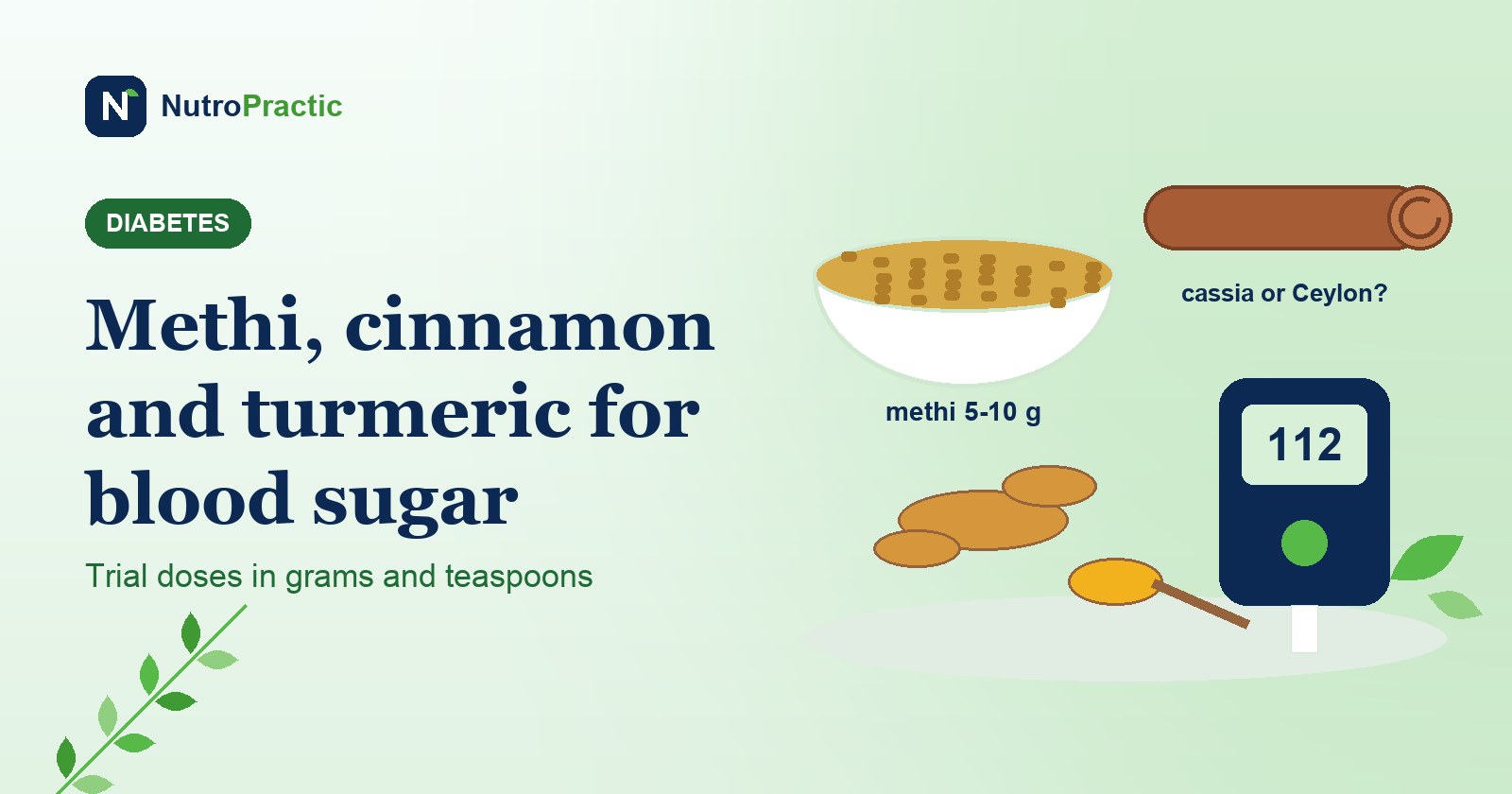
Fenugreek, cinnamon and turmeric for blood sugar: what the trials in an Indian kitchen measured
Fenugreek seed at 5-10 g a day lowered HbA1c by about 0.85 points in pooled trials, and in a 3-year Hyderabad study 23% went on to diabetes against 55%. Cinnamon trims fasting glucose by 15-25 mg/dL, but a teaspoon of cassia tops the coumarin limit. Curcumin: about 0.3-0.4 points, and rare liver injury from capsules. Doses in teaspoons, and a fair way to test it at home.
1 Nov 2026
Indian kitchen
Millets in an Indian kitchen: what they do for blood sugar, and how to cook them
Ragi, jowar, bajra and the small millets are sold as the answer to diabetes. A meta-analysis of 65 studies says they help on average, but two Chennai studies found ragi meals no better than white rice and cooked foxtail millet with a GI of 89. What actually makes the difference, and how to cook each one so it does.
30 Oct 2026
Newsfeed for your website
Want this feed on your website?
Add it to any site with one copy-and-paste snippet. No sign-up, and it updates itself every hour.
Start with a virtual consultation
Tell Dr. Triveni what you want to change. You will leave with a clear next step, whether you are in Toronto, London, New York or Chennai.