Iron and anaemia · October 27, 2026
Iron every other day, at a lower dose: in a six-week trial of 66 women, stores rose about as much as on a daily pill with roughly three times the iron
Iron pills are famous for upsetting stomachs, and the body partly shuts the door on iron for a day after each dose. An Italian trial published on 25 October gave iron-deficient women either 21 mg every other day or 30 mg every day. Ferritin climbed in both groups, with no real difference between them. The catch: it was short, small and partly industry-funded.
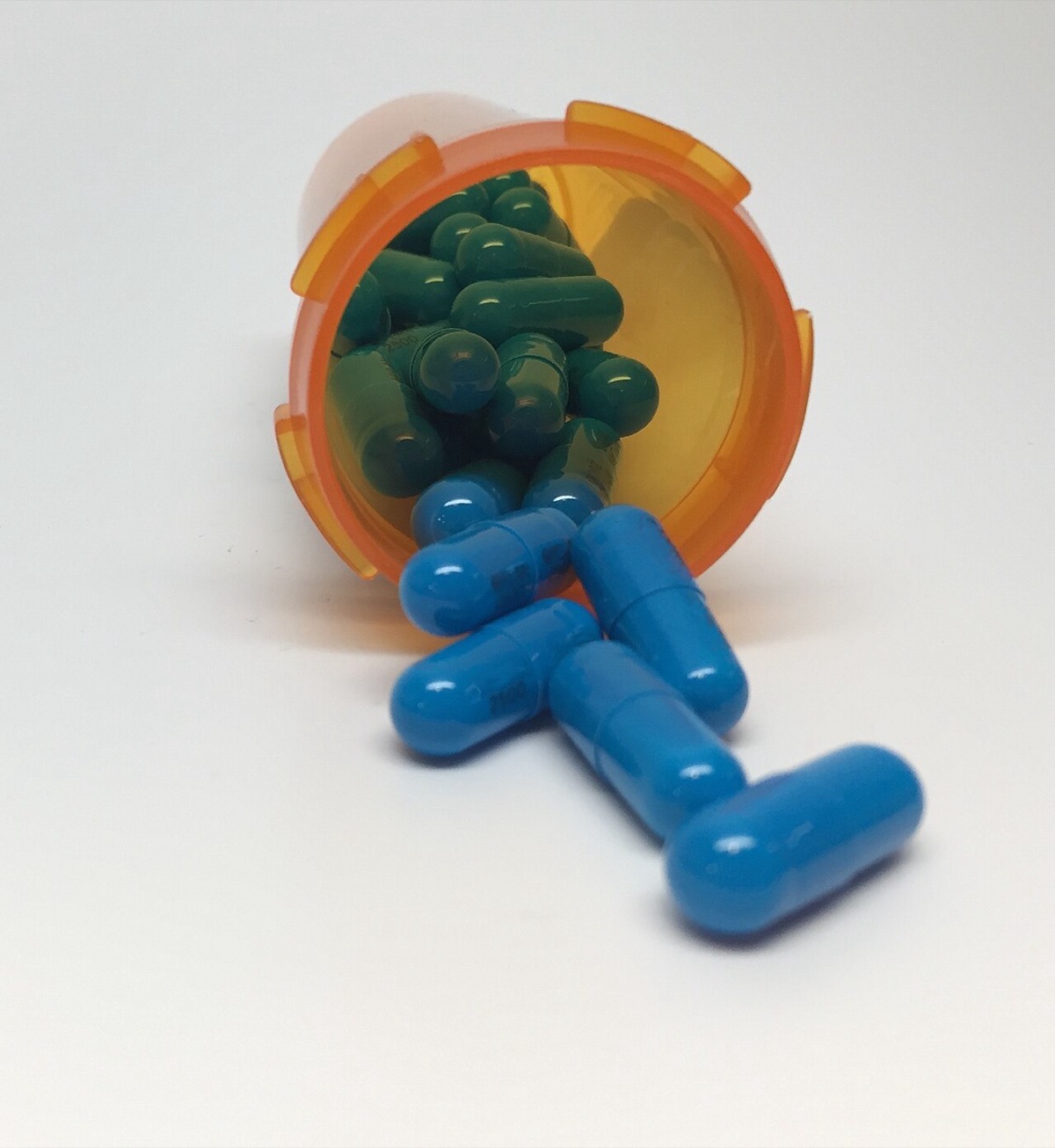
Iron deficiency is one of the most common nutrition problems in the world, and women of childbearing age are among those most at risk. The usual fix is an iron pill every day. Many people give up on it: iron in the gut can cause nausea, stomach pain, constipation or diarrhoea. There is also a twist in how the body handles it. After a dose, the liver releases a hormone called hepcidin that slows the movement of iron out of the gut into the blood. The paper notes earlier work showing that a 60 mg dose keeps hepcidin raised for up to 24 hours and cuts how much of the next dose is absorbed by 35 to 45%. That has led researchers to ask whether giving iron every other day, so hepcidin can settle, works as well with less iron.
A team from the University of Bologna and Bologna's university hospital, with colleagues from the University of Calabria and the supplement maker, tested one version of this idea. They randomly split 66 women aged 18 to 50, all with low iron stores (ferritin below 30 ng/mL) and symptoms such as tiredness, into two groups for 42 days. One group took 21 mg of iron as micronised, dispersible ferric pyrophosphate every second day, plus a daily capsule of a 'gut microbiota modulator' (palmarosa essential oil on a ginger powder base). The other group took 30 mg of iron a day as sucrosomial ferric pyrophosphate, a commercial form the authors used as the benchmark. So the every-other-day group swallowed about a third of the total iron. The study was published on 25 October in the European Journal of Nutrition.
Sixty-four women finished, 32 in each group, with high capsule compliance in both. Ferritin, the main measure of the body's iron stores, rose steadily in both groups by the end of the six weeks, and the two groups did not differ (p = 0.537 for the difference between treatments). Serum iron and transferrin saturation went up and transferrin and total iron-binding capacity went down in both groups, again with no real difference between them. Haemoglobin stayed about the same throughout in both groups. At the two-week check the every-other-day group's ferritin had risen more slowly, and the authors put that down to the lower dose and the gradual way stores refill.
Side effects were mild in both groups: six women on the every-other-day plan and five on the daily plan reported things like nausea, stomach irritation or bloating, mostly in the first days, and one woman in each group stopped because of stomach upset. Blood markers of inflammation stayed normal.
There are big caveats. The trial compared two complete commercial products, not just two schedules, so the different iron forms and the added gut capsule are mixed in with the dosing pattern; the 'every other day' effect can't be separated out. It was small, at one centre, lasted six weeks and had no follow-up after the pills stopped. The paper doesn't describe blinding, diet wasn't recorded, and all the women were of white European background. The products and part of the funding came from the company that makes the every-other-day product, one author sits on its board, and two authors founded the company that owns the patent for the gut capsule (they say they no longer have active roles). The authors also cite a 2026 pilot trial in which daily iron did better than alternate-day doses on some blood measures. Larger, longer trials are needed.
Reduced-dose alternate-day vs daily oral iron in iron-deficient women (European Journal of Nutrition, 25 October 2026)
66
Iron-deficient women aged 18 to 50 randomised (64 finished, 32 per group)
42 days
Length of the trial, with blood tests at the start, about day 14 and about day 42
21 mg every 48 h
Iron in the alternate-day group, with a daily gut 'microbiota modulator' capsule
30 mg daily
Iron in the comparison group (sucrosomial ferric pyrophosphate)
About 1/3
Share of the total iron dose taken by the alternate-day group compared with the daily group
p = 0.537
Difference in ferritin between the groups: not significant; ferritin rose in both (p < 0.001 over time)
6 and 5
Women with mild stomach symptoms in the alternate-day and daily groups; one in each group stopped
Small, single-centre randomised trial of two commercial supplements, so the iron form, the added gut capsule and the dosing schedule can't be told apart. Six weeks only, with no follow-up after stopping. Diet was not recorded and the paper does not describe blinding. The study products and part of the funding came from the maker of the alternate-day product; one author is on that company's board and two founded the company that holds the gut capsule's patent. Figures from the open-access paper.
- Ferritin is the protein that stores iron inside cells, and the small amount in the blood reflects how full those stores are. A level below 30 ng/mL was the cut-off for iron deficiency in this trial.
- The body has no proper way to get rid of extra iron, so it controls how much it takes in. The liver hormone hepcidin does this by blocking ferroportin, the 'exit door' that lets iron out of gut cells into the blood.
- Only about 10 to 15% of the iron we eat is absorbed; in healthy adults that is roughly 1 to 2 mg a day.
- Iron from meat and fish (haem iron) is absorbed more easily than iron from plant foods (non-haem iron), whose absorption depends a lot on what else is in the meal.
- Anaemia in adult women who are not pregnant is defined as haemoglobin below 120 g/L. You can be low on stored iron without being anaemic yet.
- Reduced-dose alternate-day oral iron supplementation in women with iron deficiency: a randomized controlled trialEuropean Journal of Nutrition · The study, open access (CC BY-NC-ND 4.0), published 25 October 2026; figures from the full text
- Alternate day versus consecutive day oral iron supplementation in iron-depleted women: a randomized double-blind placebo-controlled studyeClinicalMedicine · Earlier trial of alternate-day iron in young women, cited by the study
- AnaemiaWorld Health Organization · Background on anaemia and iron deficiency
- Capsules Spilling from BottleWikimedia Commons · The image, CC BY 2.0 (NIAID)
General information, not medical advice. Don't start, stop or change iron supplements without checking with your doctor: tiredness has many causes, too much iron can be harmful, and iron deficiency needs its cause looked into. If you are pregnant, have heavy periods, a gut condition or kidney disease, or take other medicines, ask your doctor or a dietitian which dose and schedule suit you.
Analysis by NutroPractic from the sources listed. Written for general readers; it does not replace advice from your own doctor.
From our articles
Our guides on this subject
Plain-language guides on nutrition and wellness, backed by research.
Medicines and nutrition
Oral iron or an infusion? Hepcidin, alternate-day dosing and when IV iron fits
A 60 mg iron dose can raise hepcidin into the next day. Here is what alternate-day trials measured, why more pills are not always more absorption, and the situations where clinicians move to IV iron.
12 Nov 2026
Children's nutrition
Feeding a teenage athlete: energy, iron, calcium and the sports drink question
Teenage athletes are growing and training at the same time, and under-eating (REDs) is found in up to 80% of female and 70% of male athletes in studies. A worked energy example for a 15-year-old footballer, protein and carbohydrate targets, iron and calcium in the growth spurt, when sports drinks help and when they are dessert, and the supplements to skip.
20 Oct 2026
Micronutrients
Iron for women: why so many run low, and how to absorb more from the food you already eat
Nearly four in ten American girls and young women are short of iron, and most of them aren't anaemic, so a routine blood count misses it. What ferritin tells you, why the plate matters as much as the number on the label, and the small timing changes (lemon in, tea later) that get more iron out of the same meal.
10 Oct 2026
Newsfeed for your website
Want this feed on your website?
Add it to any site with one copy-and-paste snippet. No sign-up, and it updates itself every hour.
Start with a virtual consultation
Tell Dr. Triveni what you want to change. You will leave with a clear next step, whether you are in Toronto, London, New York or Chennai.