Heart health · October 27, 2026
Not all low-carb is equal: blood proteins from 19,655 UK adults link a plant-based low-carb pattern, but not an animal-based one, to less heart disease
Low-carb eating can mean nuts, beans and olive oil, or it can mean meat, butter and cheese. A UK Biobank study published on 22 October read hundreds of blood proteins to build a 'fingerprint' of each style, then followed people for almost 12 years. Only the plant-based fingerprint went with less heart disease and stroke.
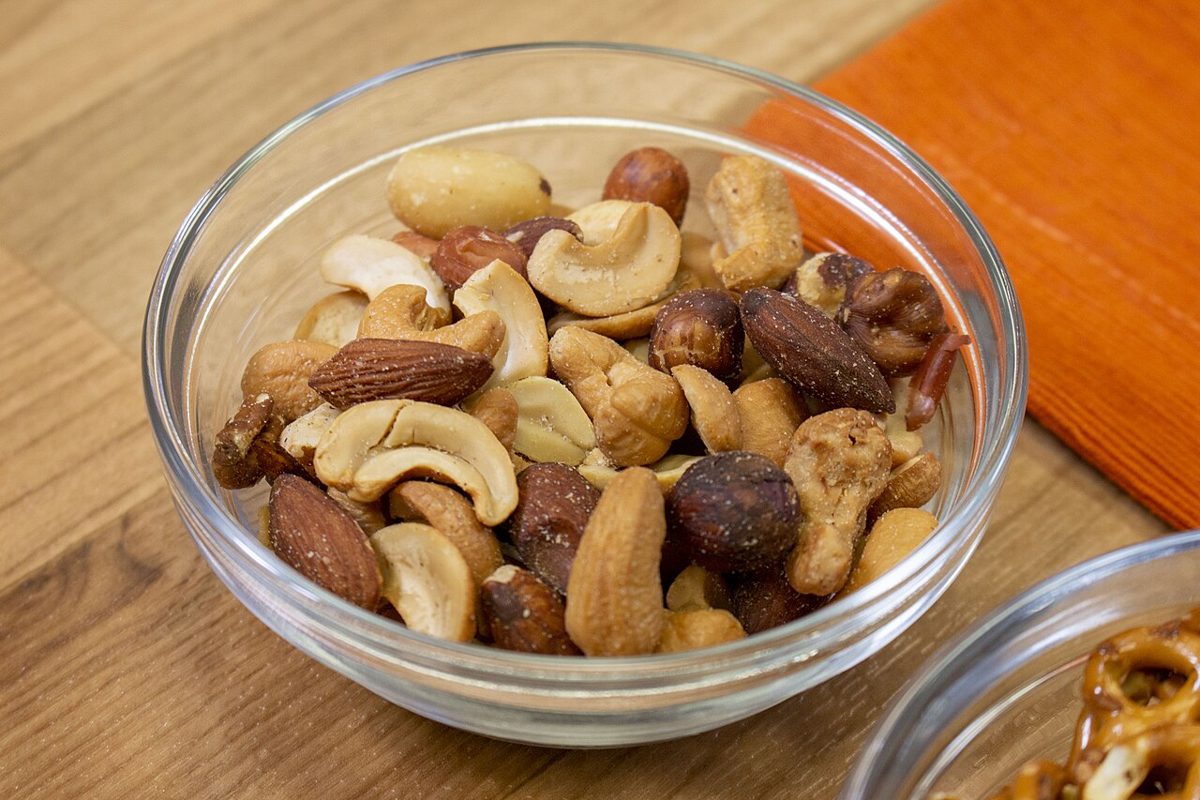
'Low-carb' is one of the most common diet labels, but it covers very different plates. One person cuts bread and rice and eats more meat, eggs and butter; another cuts the same foods and eats more nuts, beans, seeds and olive oil. Studies of what people eat have long hinted that these two versions don't do the same thing for the heart. The trouble is that food records are rough, and people who eat one way tend to differ from others in many other ways too. So researchers have started looking for traces of diet in the blood itself.
A team from Northwest University and Xijing Hospital in Xi'an, China, used data from the UK Biobank, a long-running study of adults in the UK. They took 19,655 people who had both completed 24-hour dietary recalls and given a blood sample in which a large panel of plasma proteins had been measured. Each person got a low-carbohydrate diet score from the share of their energy that came from carbohydrate, fat and protein: a total score, a vegetable-based version that counts fat and protein from plant foods, and an animal-based version that counts fat and protein from animal foods. The study was published on 22 October in Nutrition Journal.
The researchers first asked which blood proteins rise or fall with each eating style. Using a statistical method (elastic net regression with repeated nested cross-validation) that picks a smaller set of informative proteins out of many, they built a protein 'signature' for each score: 405 proteins for the total low-carb score, 173 for the plant-based score and 367 for the animal-based score. In effect, each signature is a blood-based estimate of how closely someone eats that way.
Over a median follow-up of 11.6 years, 1,506 people had a new cardiovascular event. People in the top quarter of the plant-based low-carb signature had a 23% lower risk than those in the bottom quarter (hazard ratio 0.77), after accounting for other factors. The total low-carb signature (hazard ratio 0.98) and the animal-based signature (0.96) showed no significant link either way. The team also ran mediation analyses to see whether particular proteins might carry part of the link, and concludes that the plant-based signature gives complementary biological clues to why this way of eating goes with lower heart risk.
There are limits. This is an observational study, so it shows associations, not that a plant-based low-carb diet prevents heart disease. Diet was judged from 24-hour recalls, and a protein signature is an indirect marker that can also reflect things other than food. UK Biobank volunteers are healthier on average than the UK population, and the authors say the findings need to be confirmed in independent populations. The version online now is the accepted manuscript, shared before final editing, so the figures here come from its abstract. The authors declare no competing interests; the work was funded by Chinese national and Shaanxi provincial science grants.
Low-carbohydrate diet protein signatures and cardiovascular disease in the UK Biobank (Nutrition Journal, 22 October 2026)
19,655
UK Biobank adults with both dietary recalls and blood protein measurements
11.6 years
Median follow-up for new cardiovascular disease
1,506
New cardiovascular events recorded during follow-up
405 / 173 / 367
Proteins in the signatures for the total, plant-based and animal-based low-carb scores
0.77
Hazard ratio for cardiovascular disease, top vs bottom quarter of the plant-based low-carb signature (about 23% lower risk)
0.98 and 0.96
Hazard ratios for the total and animal-based signatures: no significant link
Observational cohort study, so associations only. Figures are as stated in the study abstract; the accepted manuscript is online ahead of the final version, which may be edited. 95% confidence intervals: plant-based 0.66 to 0.91; total 0.84 to 1.14; animal-based 0.83 to 1.12. Low-carb scores were based on the share of energy from carbohydrate, fat and protein in 24-hour dietary recalls. No competing interests declared.
- A low-carbohydrate diet score doesn't count grams of carbs; it ranks people by the share of their energy from carbohydrate, fat and protein, so less carbohydrate and more fat and protein give a higher score.
- 'Proteomics' means measuring many proteins at once. Blood carries proteins made by the liver, immune cells, blood vessels and other tissues, and their levels shift with diet, weight, illness and age.
- A hazard ratio of 0.77 means that, at any point in the follow-up, the group's rate of new events was about 77% of the comparison group's rate.
- UK Biobank recruited about half a million adults aged 40 to 69 across the UK between 2006 and 2010, and approved researchers worldwide can use its data.
- Plant sources of fat and protein in a lower-carb pattern include nuts, seeds, beans, lentils, tofu, avocado and olive oil; animal sources include meat, eggs, cheese and butter.
- Low-carbohydrate diet and plasma proteomics in relation to cardiovascular disease riskNutrition Journal · The study, open access (CC BY-NC-ND 4.0), accepted manuscript published 22 October 2026; figures from its abstract and article page
- UK BiobankUK Biobank · Background on the UK Biobank cohort
- Cardiovascular diseases (CVDs)World Health Organization · Background on heart disease and stroke
- Mixed Nuts (Alabama Extension)Wikimedia Commons · The image, CC0
General information, not medical advice. This observational study shows links, not causes. If you have heart disease, diabetes or kidney disease, or take medicines for blood pressure, blood sugar or cholesterol, talk to your doctor or a dietitian before making big changes to how much carbohydrate, fat or protein you eat.
Analysis by NutroPractic from the sources listed. Written for general readers; it does not replace advice from your own doctor.
From our articles
Our guides on this subject
Plain-language guides on nutrition and wellness, backed by research.

Cardiovascular wellness
Psyllium husk: how much soluble fibre lowers LDL cholesterol and stabilizes post-meal glucose in clinical trials
Viscous soluble fibre forms a thick gel matrix in the small intestine that binds bile acids and blunts post-meal glucose spikes. Across dozens of randomized controlled trials, 7 to 10.2 grams of psyllium daily lowers LDL cholesterol by 6% to 12% without stripping HDL, while reducing postprandial glucose surges by 15% to 25% in metabolic syndrome and type 2 diabetes. Discover the bile acid sequestration mechanism, trial meta-analyses, exact timing before meals, water ratios, and titration protocols to avoid gas and cramping.
13 Nov 2026
Supplements and vitamins
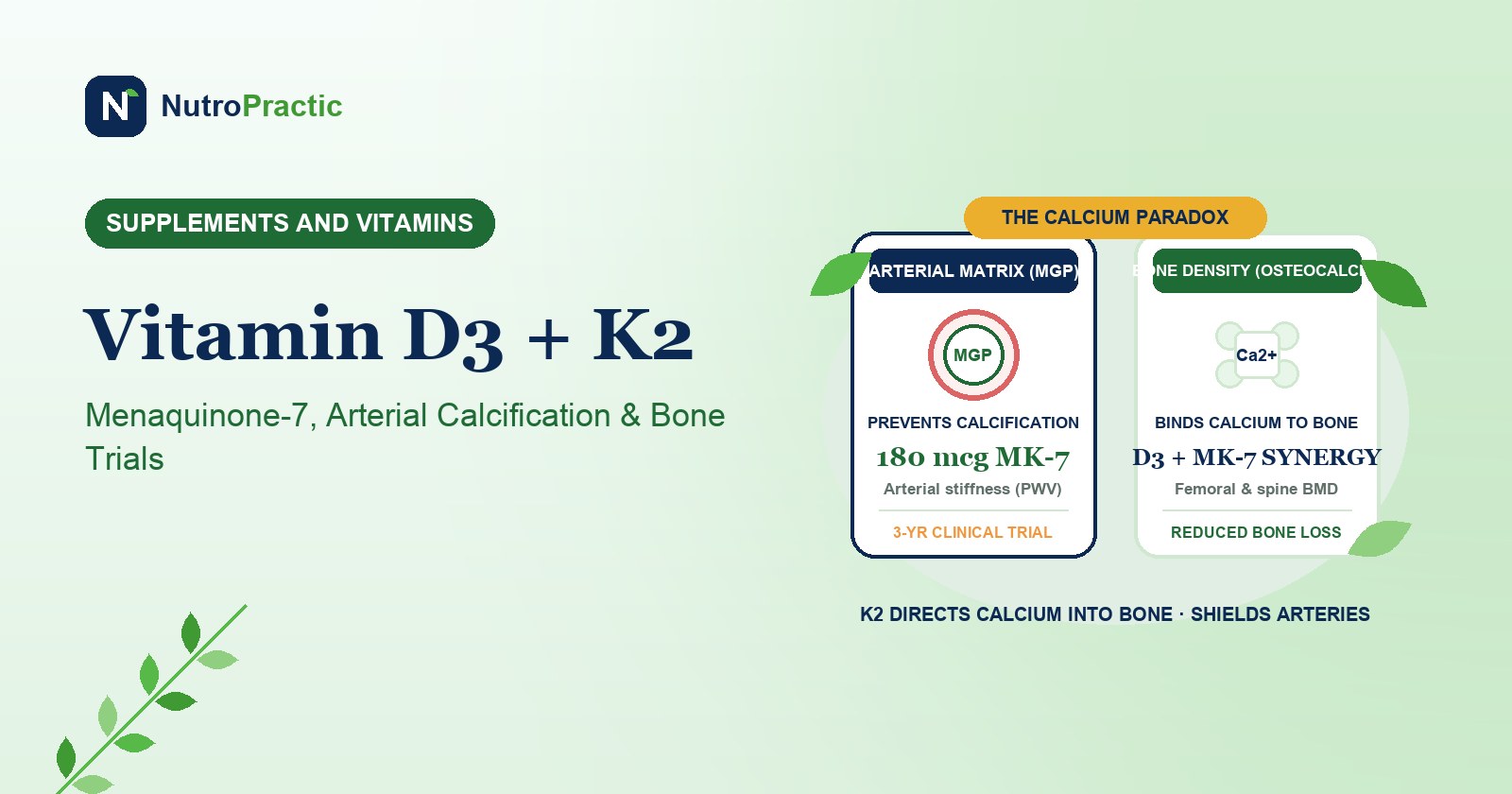
Vitamin D3 with K2: does adding menaquinone-7 actually protect arteries and bones in trials?
Vitamin D3 enhances intestinal calcium absorption, but without adequate vitamin K2, calcium can deposit in vascular walls instead of bone matrix. Clinical trials evaluating menaquinone-7 (MK-7) demonstrate improved carboxylation of Matrix Gla Protein, preserved arterial elasticity, and reduced bone mineral density loss. Discover what human clinical trials actually prove about cardiovascular calcification, bone density, MK-4 vs. MK-7 dosing, and critical drug interactions.
13 Nov 2026
Everyday eating
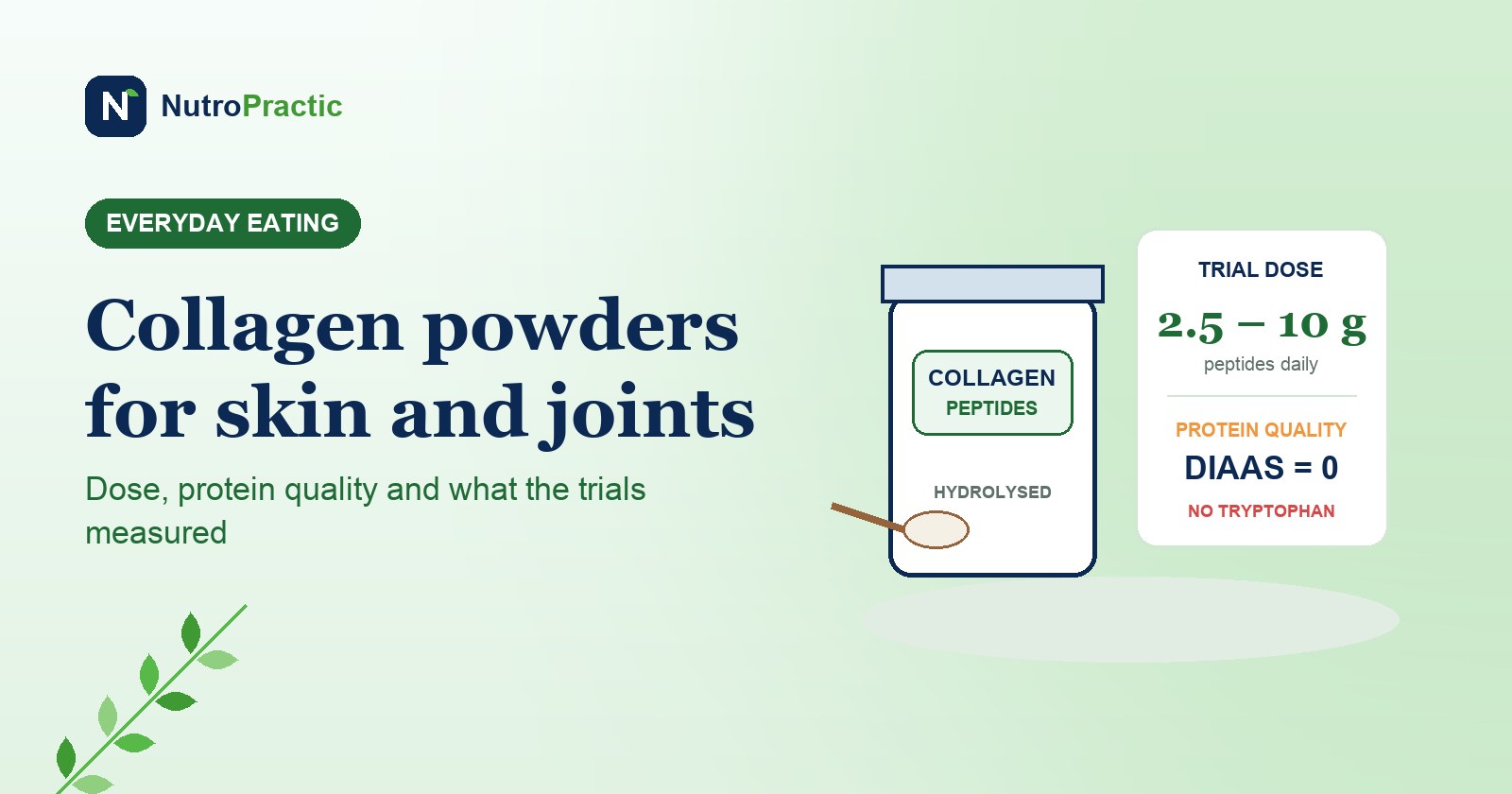
Collagen powders for skin and joints: dose, protein quality and what the trials measured
A 10 g scoop gives 9 g protein, but its protein quality score is zero. Here is what 19 skin trials and knee studies measured at 2.5 g to 10 g daily—and what collagen cannot do.
10 Nov 2026
Newsfeed for your website
Want this feed on your website?
Add it to any site with one copy-and-paste snippet. No sign-up, and it updates itself every hour.
Start with a virtual consultation
Tell Dr. Triveni what you want to change. You will leave with a clear next step, whether you are in Toronto, London, New York or Chennai.