Newsfeed
Nutrition research, analysed
A new analysis every hour. Each one covers a recent study or report: What was found, the numbers behind it and the sources to check. We write about research from the last two weeks, not the news of the day.
Diabetes · October 28, 2026
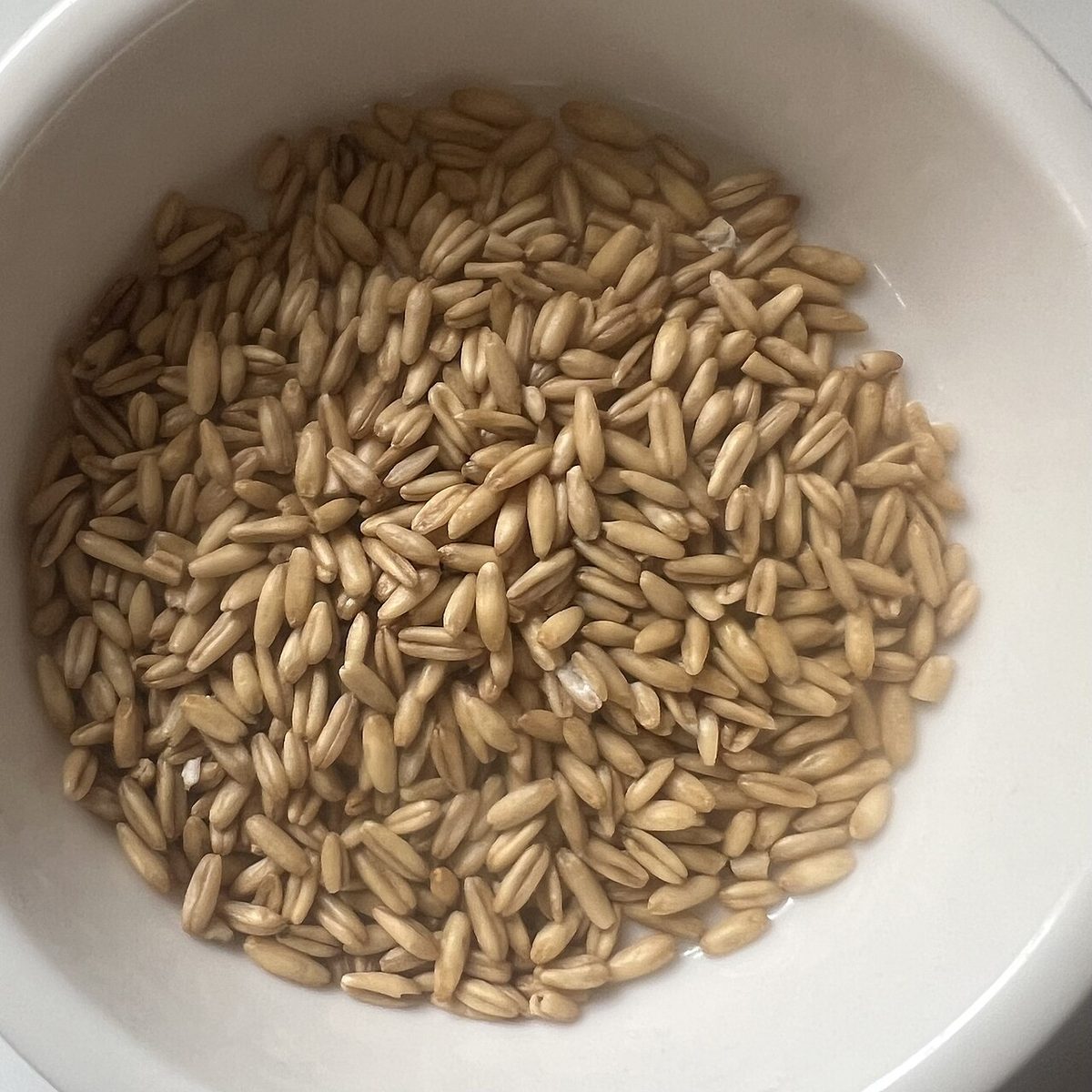
Same whole grains, different mill: 160 New Zealanders with type 2 diabetes swapped their usual grain foods for intact or finely milled versions, and after 12 weeks blood sugar was a little lower on the intact ones, with no change in weight
Every fortnight for 12 weeks, families got free whole grain wheat, rice and oat foods delivered to the door: whole oats, grainy bread and brown rice for one group, instant oats, finely milled bread and brown-rice pasta for the other. Both were 'whole grain'. HbA1c ended 2.2 mmol/mol lower with the less processed foods, a small gain that came without eating more whole grain or losing weight.
Read the analysis
Emotional eating · October 28, 2026
Teenagers in a family weight programme who also learned to handle their feelings lost no more weight than the rest. A year after it ended, they had won back less of it, and 22% still held a real loss against 4%
166 parent and teen pairs in San Diego and Minneapolis, six months of group sessions and coaching. Half also learned skills from dialectical behaviour therapy, and their parents learned to accept their teen's emotions. Weight loss during the programme was the same, but emotional eating fell and the regain afterwards was smaller. Wide margins, and most of it ran over video calls during COVID.
Read the analysis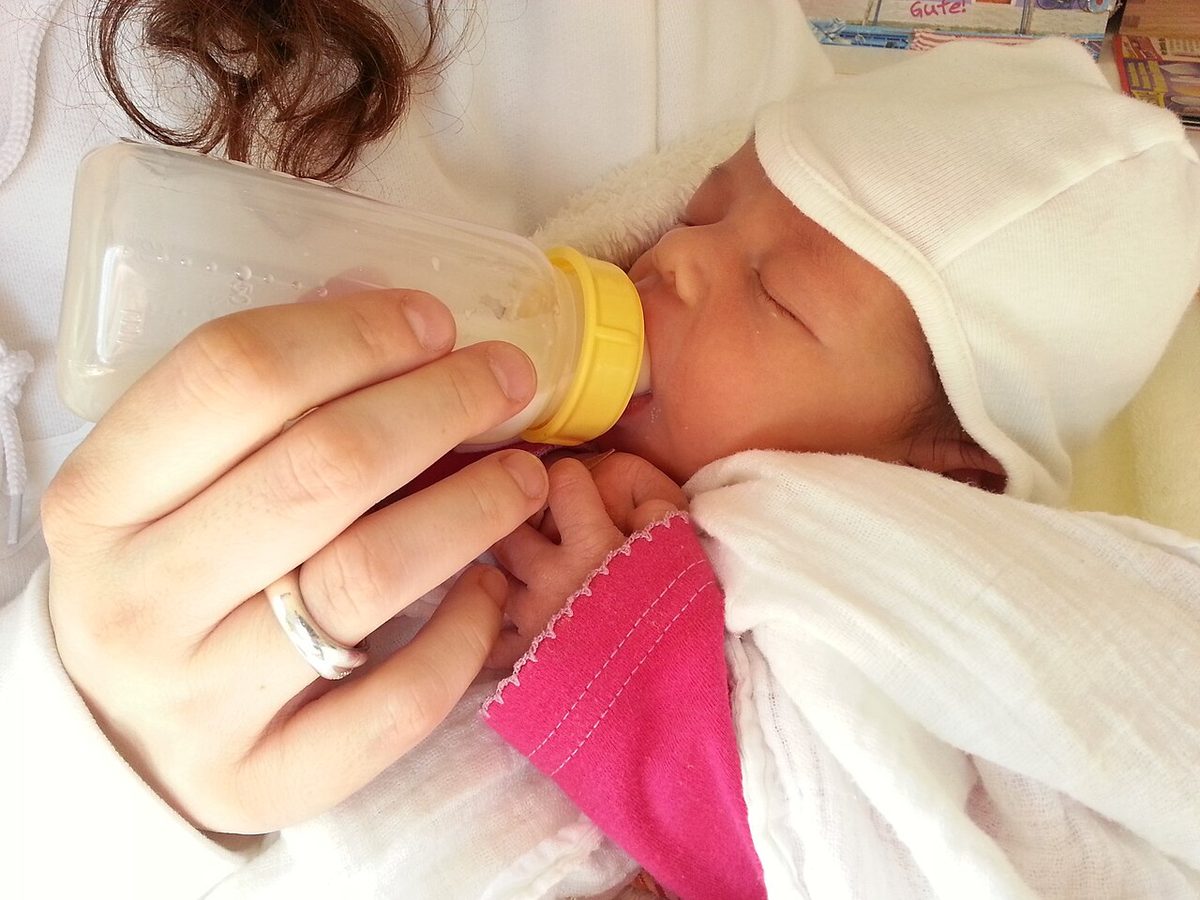
Infant feeding · October 28, 2026
Pakistani babies under one who lived on cow or buffalo milk, with no breast milk or solid food, were more often stunted and wasted. After the first birthday, milk with meals pointed the other way
Thirteen national and provincial surveys, 96,736 children aged 6 to 23 months. Before age one, animal or formula milk on its own went with about 1.5 times the odds of stunting and 1.9 times the odds of wasting, compared with breast milk plus solid food. In the second year, milk alongside food went with lower odds of both. But poverty outweighed every feeding pattern, and these are snapshots, not proof of cause.
Read the analysis
Stroke recovery · October 28, 2026
A daily iron and vitamin sachet for 120 stroke patients in Rome: fatigue scores ended 6 points lower than rehab alone, but nobody got a placebo and nobody checked their iron
Both groups got the same intensive rehabilitation, and both felt less tired over 16 weeks. The group that also took a sachet of iron, vitamin D, magnesium, B vitamins and more for eight weeks ended the main measure 6.2 points lower on an 84-point fatigue scale, and did better on balance and walking tests. The catch: the control group got nothing in its place, patients knew which group they were in, the maker paid for the study, and iron levels were never measured.
Read the analysis
Gut health · October 28, 2026
Low-FODMAP, plain diet advice or advice plus a 16:8 eating window: 81 Istanbul adults with IBS tried one for two weeks, and all three groups finished in almost the same place
The low-FODMAP group's symptom score fell twice as far as the plain-advice group's, 103 points against 51. But that group also started out the worst, and after two weeks the three groups' scores were within 8 points of each other. Once the researchers allowed for where people started, the low-FODMAP edge was gone. The fasting group had more relief from belly pain, but it was also eating about 250 kcal a day less.
Read the analysis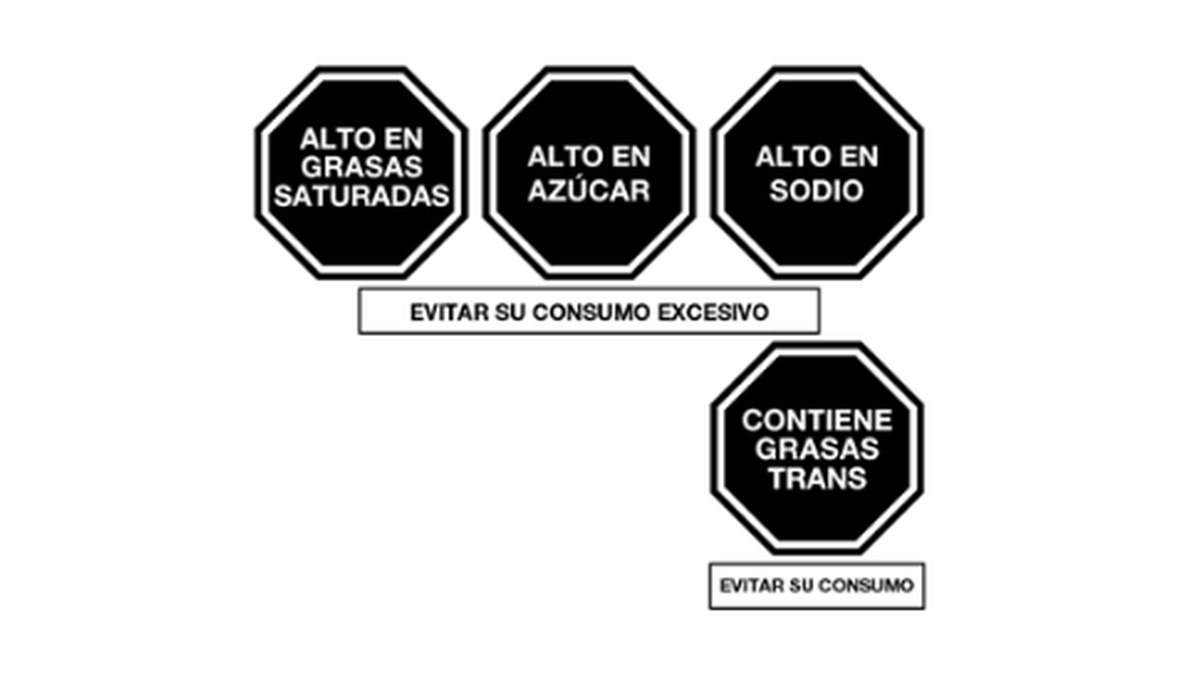
Food labels · October 28, 2026
Peru put black octagons on sugary, salty packaged food in 2019. Two years later, 1,032 Lima children were getting a third less sugar from those products, but more from instant soup and chocolate
Researchers followed the same Lima families from just before Peru's warning labels arrived until two years later. Children's sugar from the packaged products studied fell from about 45 g to 31 g a day, and fewer ate breakfast cereals and packaged desserts. Not everything moved the right way: more children were eating chocolate, instant soups and processed meats. And because the follow-up ran in the middle of the pandemic, the authors say plainly that they can't tell how much of the change the labels caused.
Read the analysis
Malnutrition · October 28, 2026
Among 388 older Serbian volunteers, the ones at risk of malnutrition weren't the thinnest. They were, on average, the gloomiest: each point on a depression scale went with 29% higher odds
Doctors in Novi Sad gave a standard nutrition check to older adults who came to a free muscle-screening day. About one in seven turned out to be at risk of malnutrition, even though the group was overweight on average and nobody was actually malnourished. What set them apart wasn't body weight, grip strength or illness but low mood: their median depression score was three times higher. The catch, which the authors point out themselves, is that the nutrition questionnaire includes a question about mood, so part of the link is built in.
Read the analysis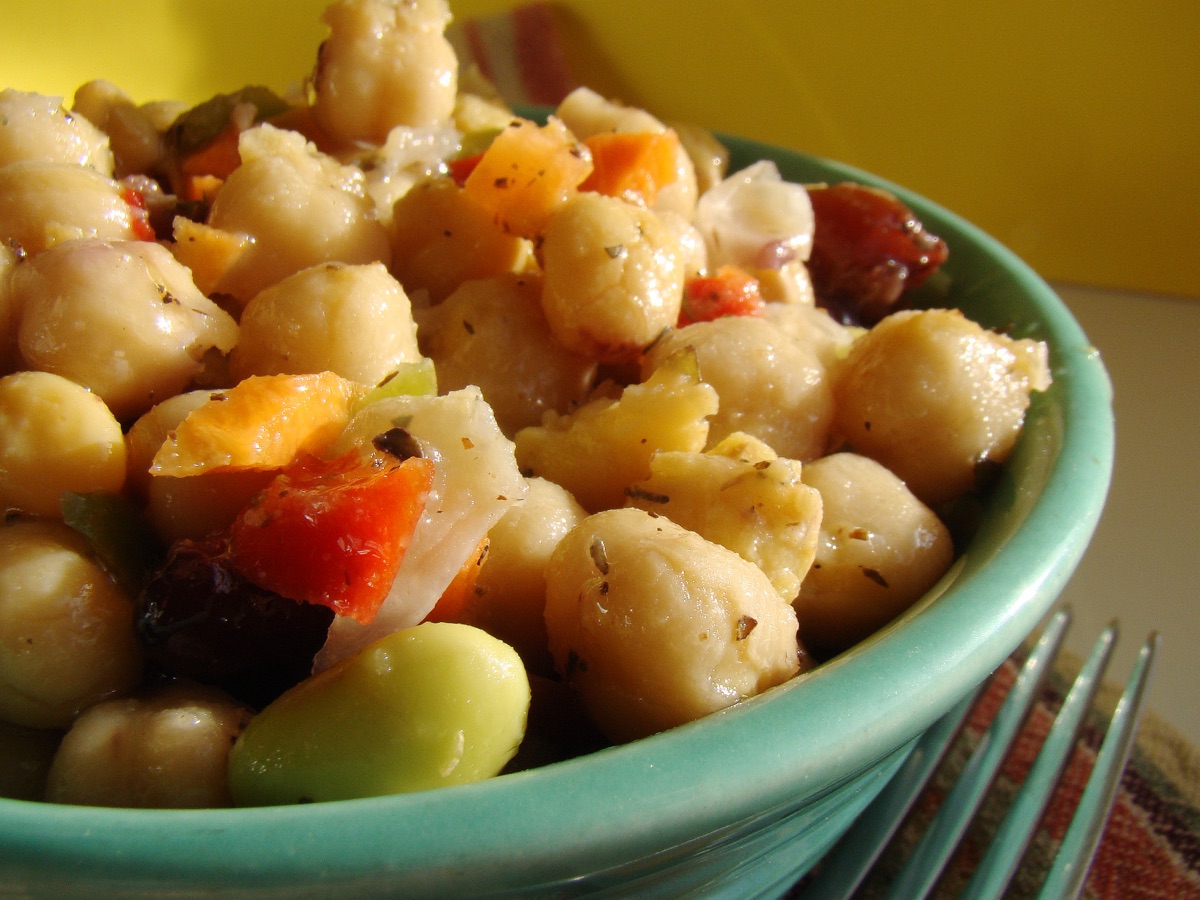
Weight management · October 28, 2026
On a low-fat vegan diet, 62 overweight adults ate about a third less protein and lost 6 kg. The more animal protein people cut, the more weight came off, but the swap can't be pulled apart from everything else that changed
A new look at a Washington, DC trial that put the same adults on a low-fat vegan diet and a Mediterranean diet for 16 weeks each. On the vegan diet protein fell by 33 g a day, almost all of it animal protein, and weight dropped by 6 kg, while the Mediterranean diet left both much as they were. Weight change tracked the protein swap, and four amino acids in particular. But fat, carbohydrate and calories shifted at the same time, the researchers stress that this doesn't show protein source drove the loss, and the work was funded by a non-profit that promotes plant-based diets.
Read the analysis
Cholesterol · October 28, 2026
Two cartons of soymilk a day lowered LDL cholesterol in 242 Thai adults. The version with added plant sterols and fibre took off another 5.5 mg/dL
In a double-blind trial at two hospitals in Chiang Mai and Bangkok, adults with high LDL cholesterol drank two 180 mL cartons of soymilk a day for eight weeks, either plain or with plant sterols and inulin added. LDL fell in both groups, by 9.8% with the enriched drink against 6.3% with the plain one, and most of the drop came in the first two weeks. The extra benefit is modest, the drink caused more stomach complaints, and the company that made both drinks funded the study.
Read the analysis
Diabetes prevention · October 28, 2026
Two years of group sessions and text messages didn't shift the scales for 691 European parents at risk of diabetes. Their waists and LDL cholesterol moved anyway
Feel4Diabetes reached families through primary schools in poorer neighbourhoods of six European countries and gave parents at high risk of type 2 diabetes six counselling sessions, then two texts a week. BMI crept up the same in both arms, yet waists, LDL cholesterol and diastolic blood pressure went the right way in the intervention group. The gains are small, the data are eight years old, and only people who came back at two years were counted.
Read the analysis
Pregnancy · October 28, 2026
In 240 Chinese pregnancies, mothers with gestational diabetes carried about half as much again ferritin in their blood, and higher ferritin went with lower development scores in their babies at one year. The vitamins they expected to matter didn't
A hospital in Chongqing followed 120 women with gestational diabetes and 120 without from early pregnancy to their child's first birthday, measuring vitamin A, vitamin K and ferritin in every trimester. The vitamins were lower in the diabetes group but fell away once other factors were counted. Ferritin held on, though it may be marking inflammation rather than iron, and some of the paper's own numbers don't sit easily together.
Read the analysis
Teen health · October 27, 2026
In 52,735 rural Chinese teenagers, those who had sugary drinks more than five times a week were about a fifth more likely to report lasting emotional or behaviour problems. Short sleep showed a bigger gap
A survey across 60 village secondary schools in five Chinese provinces, published on 26 October, set frequent sugary drinks and a waist-heavy body shape against a 15-question mental health screen. Both lined up with more symptoms, and together the odds more than doubled in one group. But the combined numbers don't climb in a straight line, and teenagers sleeping under six hours stood out more than any drink.
Read the analysisFrom our articles
Read, then eat a little better
Plain-language guides on nutrition and wellness, backed by research.

Women's health
Inositol for PCOS: the 40:1 ratio, trial doses, and food milligrams
Why do randomized trials in polycystic ovary syndrome prioritize the 40:1 myo to D-chiro inositol ratio? Here is the science behind the ovarian epimerase paradox, clinical ovulation and insulin metrics, and why cantaloupe cannot replace 4,000 mg trial powder.
21 Nov 2026

Everyday eating
Extra virgin olive oil polyphenols: the EU health claim, smoke point myths, and cooking stability
Does extra virgin olive oil degrade when cooked? What does the EU 5 mg polyphenol health claim require, how does oleocanthal act like ibuprofen, and why does oxidative stability matter more than smoke point in domestic frying? Here is the clinical and culinary data.
21 Nov 2026

Food and nutrition
L-theanine and caffeine: what cognitive trials measured on sustained attention, and milligrams in matcha vs green tea
Combining L-theanine with caffeine produces clean focus without caffeine jitters. Here is what randomized trials measured on attention-switching, EEG alpha brain waves, and the exact milligrams across ceremonial matcha, culinary powder, gyokuro, and sencha.
20 Nov 2026
Start with a virtual consultation
Tell Dr. Triveni what you want to change. You will leave with a clear next step, whether you are in Toronto, London, New York or Chennai.