Newsfeed
Nutrition research, analysed
A new analysis every hour. Each one covers a recent study or report: What was found, the numbers behind it and the sources to check. We write about research from the last two weeks, not the news of the day.
Women's health · October 28, 2026
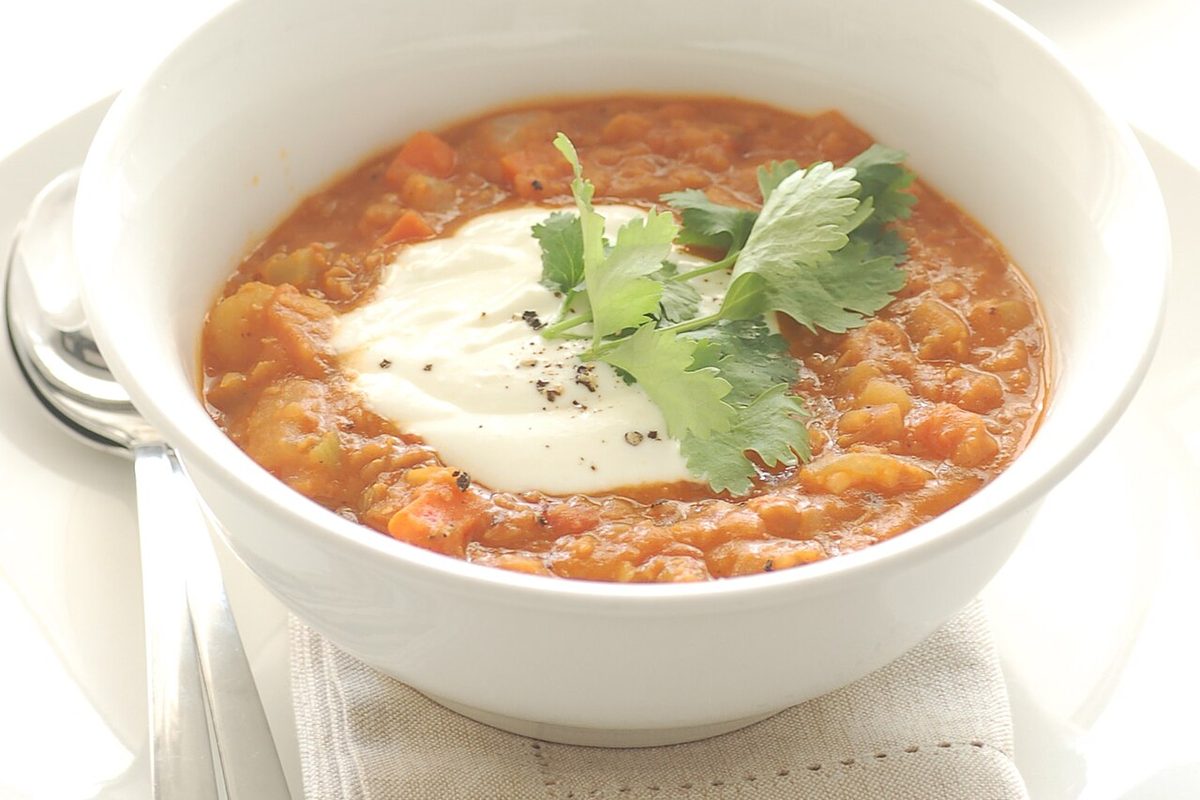
Does a Mediterranean diet ease endometriosis? 103 Australian women were asked, and almost none of them were eating one
Many women with endometriosis change what they eat to manage it, and the Mediterranean diet is the one most often suggested. A new survey looked for a link between eating that way and how much endometriosis shapes daily life. It found none, but the bigger story is how few women came close to the diet in the first place.
Read the analysis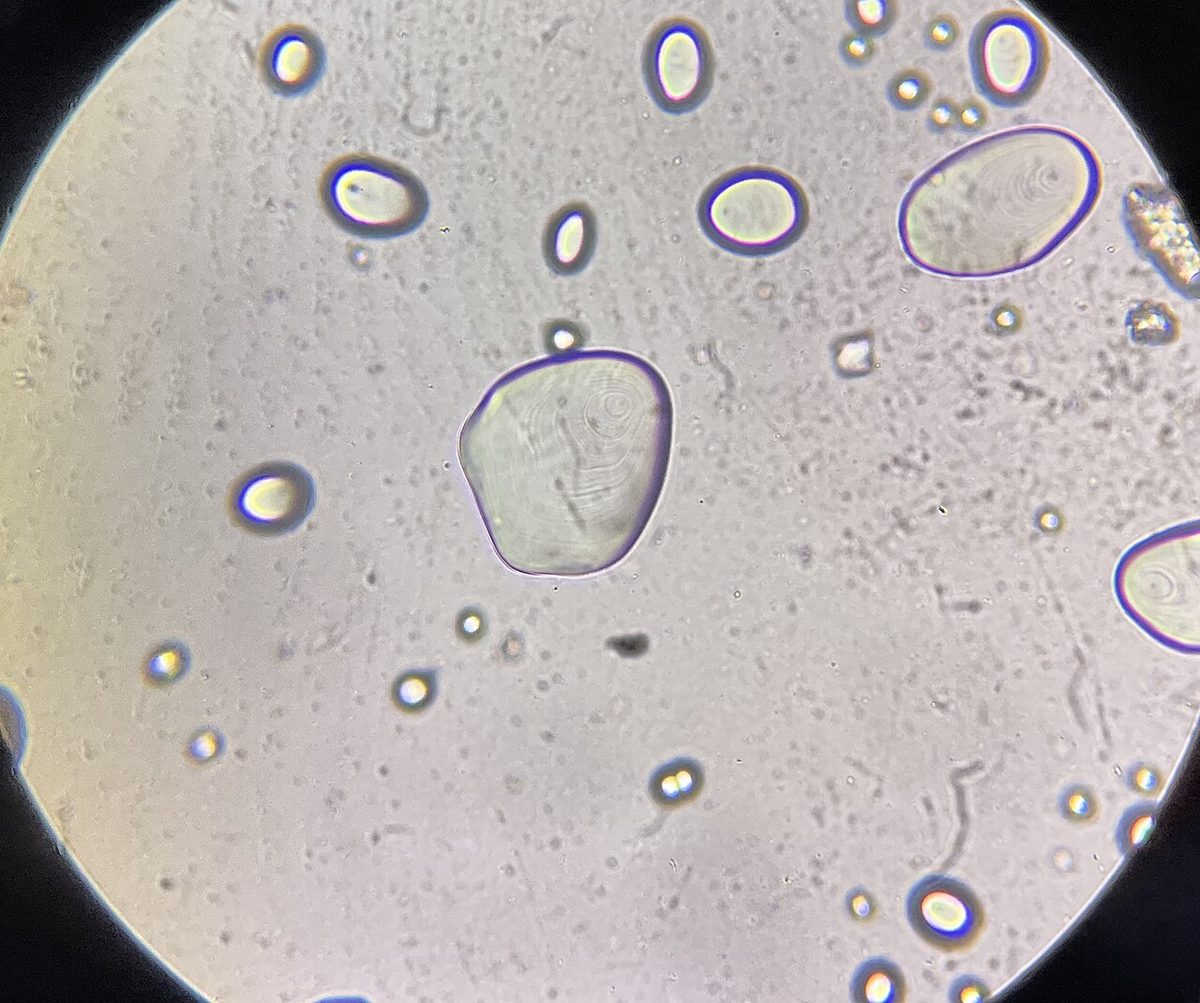
Prebiotics · October 28, 2026
Same potato starch, same dose, run a second time: the bifidobacteria rose again and stools settled. The gut bug the trial was built to find didn't show
Few supplement makers repeat their own trial exactly. The maker of a resistant potato starch did: 3.5 g a day for four weeks, again in healthy adults in Ontario, against a plain corn starch. Two of the earlier findings came back. The one chosen as the main test this time did not.
Read the analysis
Fasting and exercise · October 28, 2026
Same workouts, shorter eating window: about 1.85 kg more fat lost. Which workout won is still anyone's guess
Researchers in China and Korea pooled the randomised trials that paired time-restricted eating with an exercise programme. Adding an eating window of 12 hours or less to the same training took off about 1.85 kg more body fat, and the result barely varied between trials. Ranking spin, HIIT, weights or mixed training against each other was another matter.
Read the analysis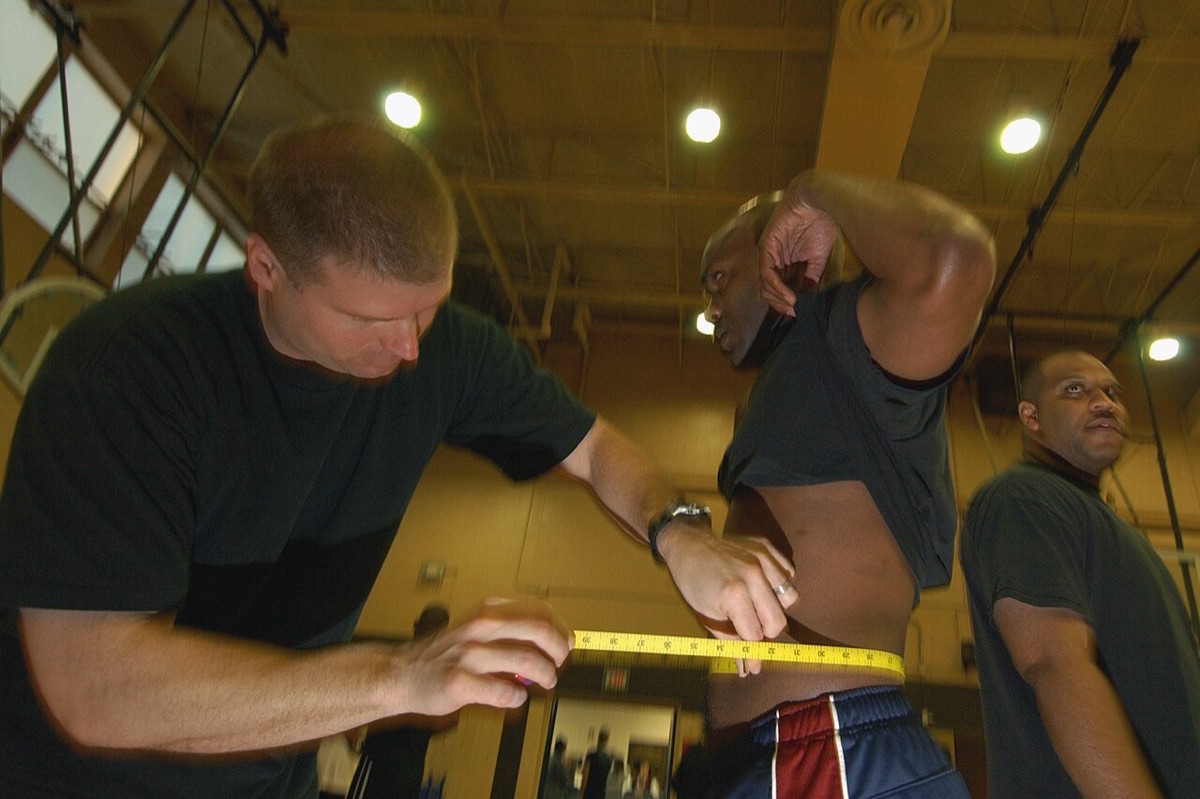
Vitamins · October 28, 2026
Vitamin D went up in every metabolic syndrome trial. Blood pressure, HDL and blood sugar mostly stayed put
A team in Sharjah gathered every randomised trial of vitamin D pills in adults with metabolic syndrome they could find: eight, with 634 people. The pills reliably raised vitamin D in the blood. What they did to the syndrome itself was patchier: lower triglycerides or better insulin numbers in a few trials, little change in blood pressure, HDL or fasting glucose in most.
Read the analysis
Probiotics · October 28, 2026
21 reviews say probiotics roughly halve antibiotic diarrhoea. Then someone counted how many of their trials were the same ones
Researchers in Gansu pooled every meta-analysis they could find on probiotics taken alongside antibiotics: 21 of them, listing 478 trials between them. Only 170 of those trials were different. The headline benefit held up, a risk about 46% lower, but 20 of the 21 reviews rated low or critically low quality, and in people over 65 the benefit all but disappeared.
Read the analysis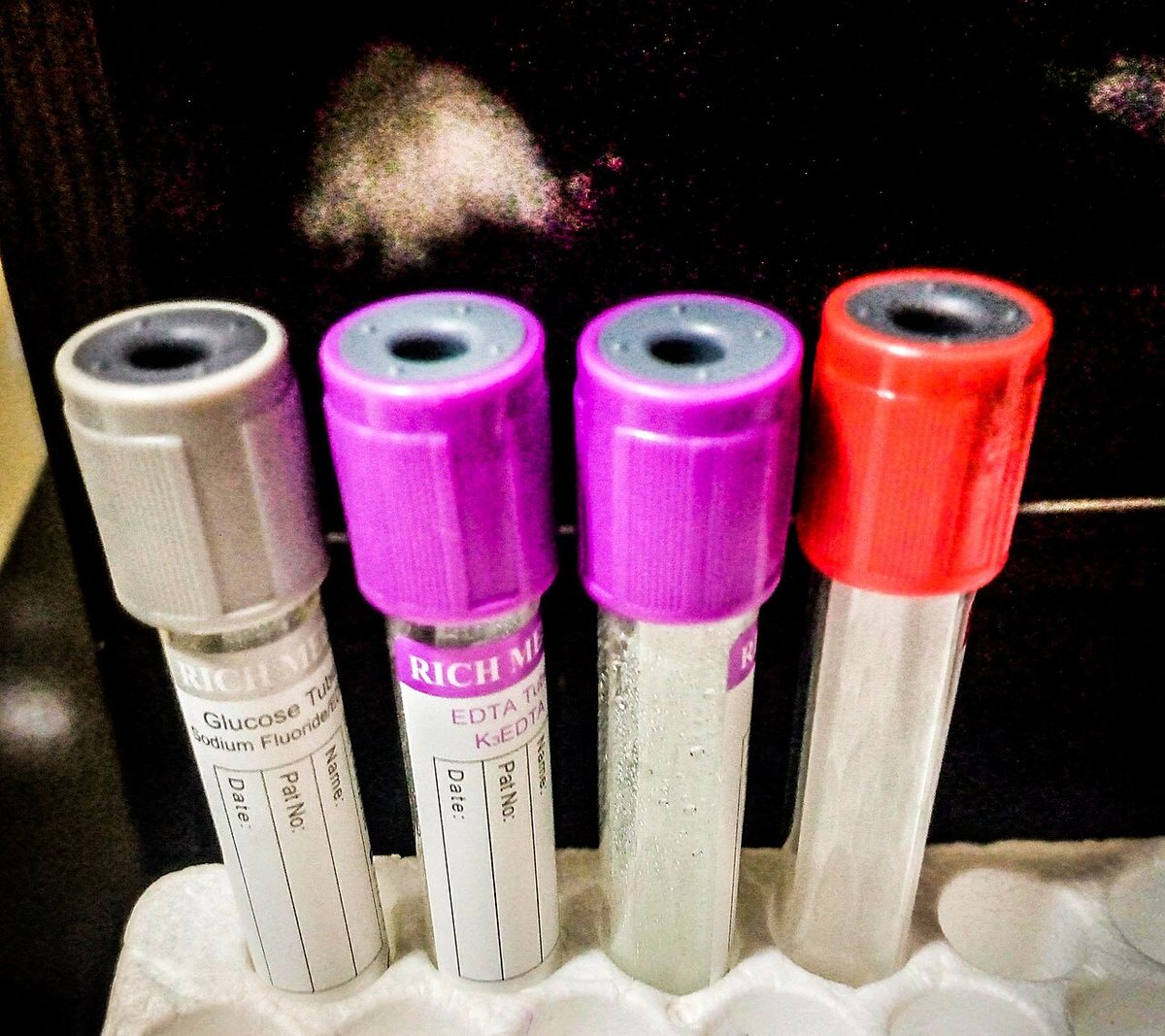
Iron deficiency · October 28, 2026
Iron by drip raised iron stores 20 times more than pills in a month. Did it also calm inflammation? Not convincingly
Doctors in Diyarbakır followed 149 women with iron deficiency for 30 days, 77 given iron through a drip and 72 given capsules. Ferritin, the body's iron store, rose by about 116 ng/mL with the drip and about 6 with pills. The inflammation marker CRP barely moved in either group, and once the groups' differences were allowed for, the gap wasn't significant.
Read the analysis
Lung health · October 28, 2026
Fish, greens, fruit and beans and asthma in 32,000 Italians: a link so faint the authors list everything it doesn't prove
An Italian team scored how often 32,000 adults in a national survey ate fish, leafy greens, other vegetables, fruit and pulses, and compared it with who said they had asthma. A higher score went with slightly lower odds, about 5% per 10 points, but the effect vanished when people were split into thirds. Meat, cheese, sweets and snacks showed nothing at all.
Read the analysis
Brain health · October 28, 2026
A sugarcane-wax pill for fading memory? In 56 older Koreans the memory scores didn't beat placebo, and they were 56 out of 151 people who started
Policosanol, a mix of waxy alcohols from sugarcane, is sold for cholesterol. A 12-week Korean trial gave it to people worried about their memory. After dropping statin users and anyone scoring too high or too low on a memory screen, the pill groups improved on a few test items, but so did the placebo group, and the gaps between them weren't significant. HDL cholesterol was the one clear difference.
Read the analysis
Precision nutrition · October 28, 2026
A diet matched to 21 gene variants didn't shift more body fat than a standard plan in 58 Mexican adults with big waists, but fasting insulin and an inflammation marker came down further
Both groups cut 500 calories a day for eight weeks and lost weight and fat. Once starting values were taken into account, the gene-guided group ended with no real advantage on fat, the trial's main measure, yet with lower fasting insulin, less insulin resistance and lower C-reactive protein. A small, short study that makes a case for testing the idea properly, not for buying a DNA diet.
Read the analysis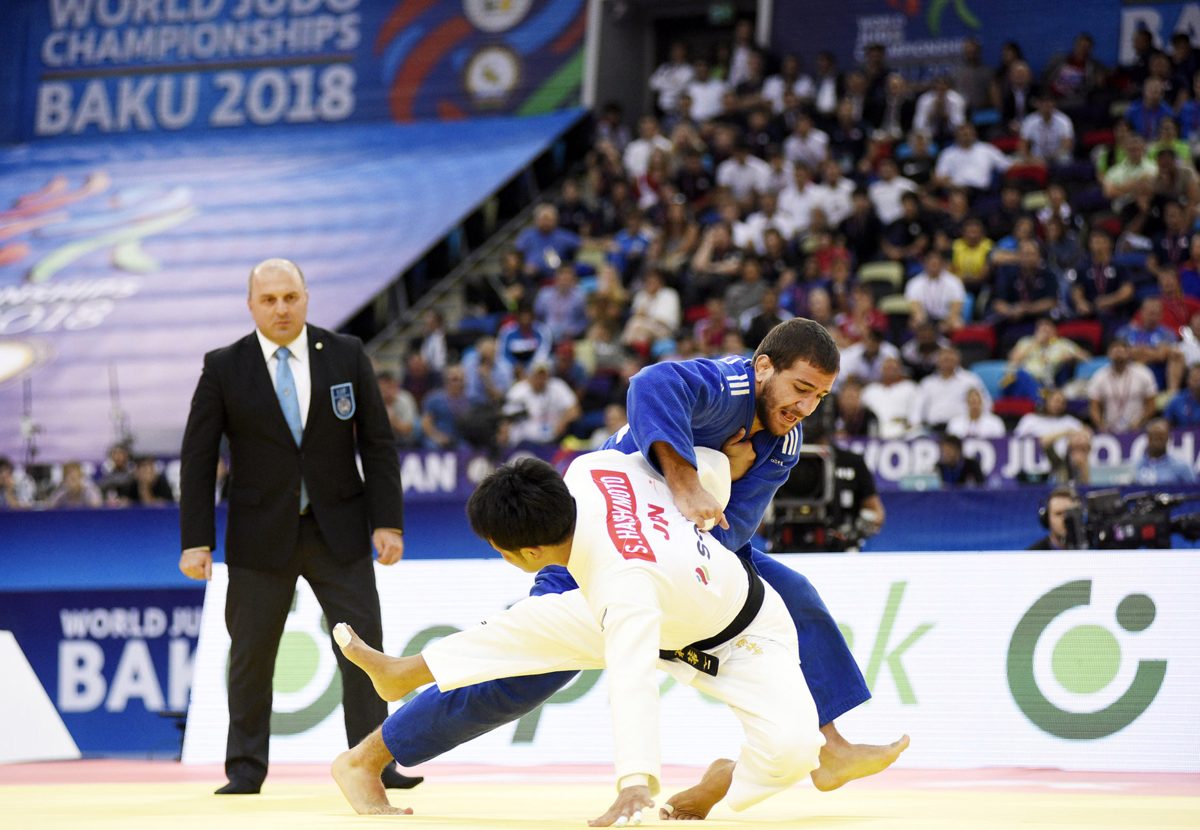
Sports nutrition · October 28, 2026
Caffeine wins the morning, beetroot juice the afternoon: across five back-to-back judo bouts, 35 athletes threw more early on caffeine but faded by the fifth, while beetroot juice held them up late and the two together did both
In a double-blind crossover trial that recreated a five-match judo tournament day, caffeine added about one throw per test in the first three bouts and then left athletes worse than placebo by the fifth. Nitrate-rich beetroot juice did little early but helped late. Taken together, the early lift stayed and the late slump went away.
Read the analysis
Cancer prevention · October 28, 2026
Ultra-processed, but not all the same: across 461,682 older Americans followed for nearly 19 years, eating more ultra-processed food did not raise bowel cancer rates overall, because the packaged bread, cereal and dairy pulled one way and the processed meat the other
A US cohort that tracked 10,075 colorectal cancers found no overall link with ultra-processed food. Split by what the food was, the picture changed: ultra-processed breads, breakfast cereals and milk-based desserts went with lower rates, reconstituted meat and fish products with higher ones. Whole grain, fibre, calcium and processed meat mattered wherever they came from.
Read the analysis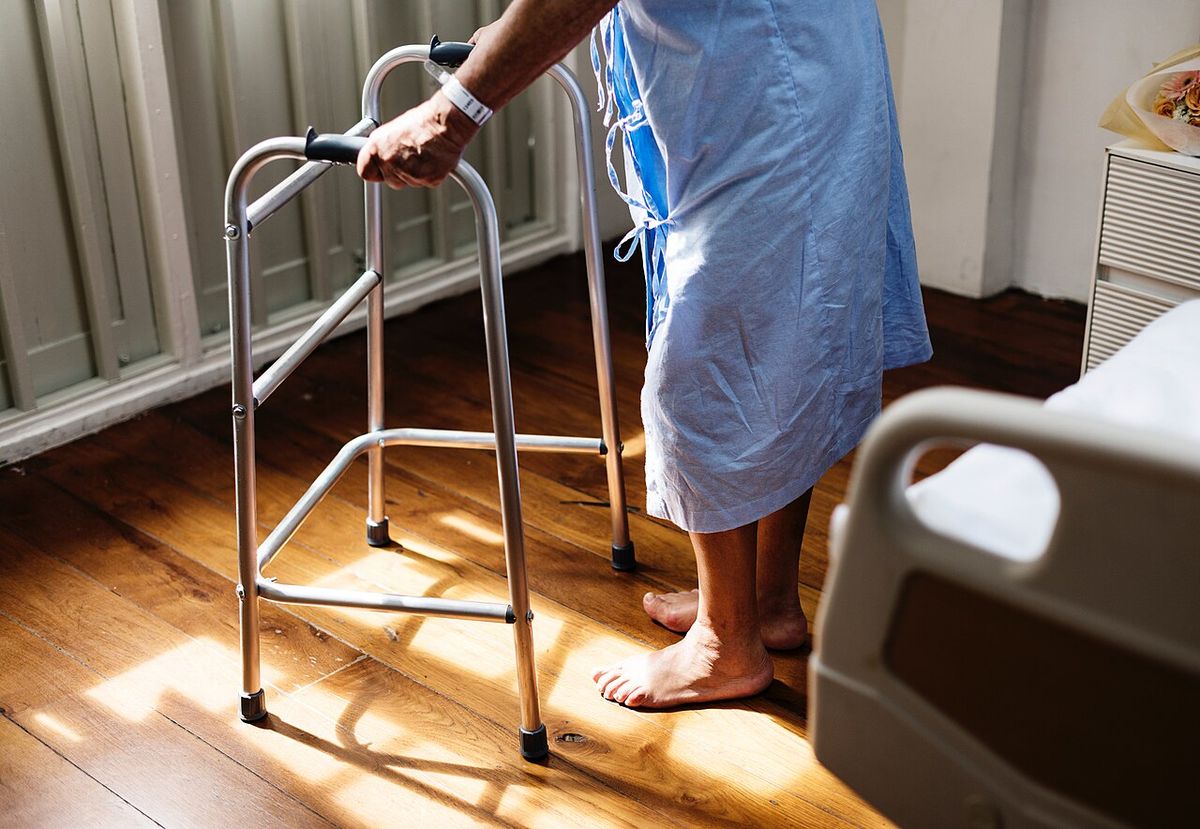
Hospital nutrition · October 28, 2026
Extra protein in hospital after a broken hip or pelvis did not get older patients home sooner: a German trial of 218 people over 70 found that frailty, not the menu, decided who went back to living on their own
Nearly half of the older patients admitted with fragility fractures to a German trauma centre screened at risk of malnutrition. Those who got three protein-rich meals a day plus 20 g protein drinks had no fewer complications, no better walking at discharge and no shorter stay than those on the usual hospital food. Only a quarter of all patients went home without extra help.
Read the analysisFrom our articles
Read, then eat a little better
Plain-language guides on nutrition and wellness, backed by research.

Women's health
Inositol for PCOS: the 40:1 ratio, trial doses, and food milligrams
Why do randomized trials in polycystic ovary syndrome prioritize the 40:1 myo to D-chiro inositol ratio? Here is the science behind the ovarian epimerase paradox, clinical ovulation and insulin metrics, and why cantaloupe cannot replace 4,000 mg trial powder.
21 Nov 2026

Everyday eating
Extra virgin olive oil polyphenols: the EU health claim, smoke point myths, and cooking stability
Does extra virgin olive oil degrade when cooked? What does the EU 5 mg polyphenol health claim require, how does oleocanthal act like ibuprofen, and why does oxidative stability matter more than smoke point in domestic frying? Here is the clinical and culinary data.
21 Nov 2026

Food and nutrition
L-theanine and caffeine: what cognitive trials measured on sustained attention, and milligrams in matcha vs green tea
Combining L-theanine with caffeine produces clean focus without caffeine jitters. Here is what randomized trials measured on attention-switching, EEG alpha brain waves, and the exact milligrams across ceremonial matcha, culinary powder, gyokuro, and sencha.
20 Nov 2026
Start with a virtual consultation
Tell Dr. Triveni what you want to change. You will leave with a clear next step, whether you are in Toronto, London, New York or Chennai.