Probiotics · October 28, 2026
21 reviews say probiotics roughly halve antibiotic diarrhoea. Then someone counted how many of their trials were the same ones
Researchers in Gansu pooled every meta-analysis they could find on probiotics taken alongside antibiotics: 21 of them, listing 478 trials between them. Only 170 of those trials were different. The headline benefit held up, a risk about 46% lower, but 20 of the 21 reviews rated low or critically low quality, and in people over 65 the benefit all but disappeared.
Loose stools are one of the most common side effects of a course of antibiotics. The drugs thin out the gut's bacteria along with the infection, and something between about 5% and 35% of people end up with antibiotic-associated diarrhoea, more often in hospital than at home. Taking a probiotic alongside the antibiotic is a popular answer, and it has been studied so often that there are now more than twenty meta-analyses of the trials. A team from Baiyin City Central Hospital and Lanzhou University in China set out to pool those meta-analyses themselves, and to check how good they were. Their umbrella review was published on 27 October in Frontiers in Nutrition.
They searched eight databases up to March 2026 and found 21 systematic reviews with meta-analyses of randomised trials, published between 2002 and 2025, covering children, adults and older people. Every one compared probiotics with placebo; most tested mixtures, mainly Lactobacillus, Bifidobacterium and the yeast Saccharomyces. Across the 18 reviews that reported a risk ratio, the pooled figure was 0.54: people taking probiotics had about 46% lower risk of diarrhoea. Dropping any single review didn't change it (0.54 to 0.55), and the two reviews that pooled side effects found no more of them with probiotics than with placebo.
Then come the caveats, and the authors spend more words on them than on the result. Between them the 21 reviews listed 478 trials, but only 170 were distinct; almost half of those appeared in two or more reviews, one in as many as twelve. Pooling reviews that share trials counts the same patients again and again, so the confidence interval looks tighter than the evidence allows. When the team kept only reviews with little overlap, the benefit shrank to a risk ratio of 0.59 to 0.63 and became less certain. And by the AMSTAR 2 checklist, just one review (a 2012 analysis in JAMA) was high quality; seven were low and thirteen critically low, most often because no protocol had been written in advance.
Age mattered, or seemed to. The estimate was similar for children (0.46) and adults (0.55), but in four reviews covering people over 65 it was 0.96, essentially no effect. One of those reviews carried about two thirds of the weight, so the authors call this a signal to confirm rather than a finding. A comparison suggesting higher doses (at least 5 billion colony-forming units a day) worked better rested on just three overlapping reviews, two of them in children, and the authors say it can't be used to choose a product.
Their conclusion is unusually blunt for a positive result: the evidence is of low certainty, it does not show that any particular probiotic product works, and it shouldn't be used to back marketing claims. Probiotics differ by species, strain, dose and even by whether the capsule holds what the label says, and an average over all of them may fit none. What would help, they write, are large trials of named strains with agreed definitions of diarrhoea, proper tracking of side effects and results reported separately for older adults.
Probiotics to prevent antibiotic-associated diarrhoea: umbrella review of 21 meta-analyses (searches to March 2026)
21
Systematic reviews with meta-analyses included, published 2002 to 2025; all compared probiotics with placebo
478 → 170
Trial entries listed across the reviews, against unique randomised trials once duplicates were removed
RR 0.54
Pooled risk ratio for diarrhoea with probiotics, 18 reviews (95% CI 0.48 to 0.61): about 46% lower risk
0.59 to 0.63
Pooled risk ratio when only reviews with little trial overlap were kept: a smaller, less certain benefit
0.46 / 0.55 / 0.96
Risk ratio in children, adults and people over 65 (older adults 95% CI 0.85 to 1.08, no clear benefit)
1 of 21
Reviews rated high quality by AMSTAR 2; 7 were low and 13 critically low
Umbrella review with a second-order meta-analysis of review-level estimates (random effects), registered in PROSPERO (CRD420261404660). Because the reviews share trials, the authors say the pooled confidence intervals are probably too narrow; the low-overlap and quality sensitivity analyses were added during peer review. Overall overlap (corrected covered area) 9.06%, moderate; 71 of 210 review pairs overlapped very highly. Heterogeneity was substantial (I² 77.8%) and fell to 25.9% without the review of over-65s. Reviews rated high or low quality only: RR 0.52 (95% CI 0.48 to 0.57). Three reviews reporting odds ratios: OR 0.37 (0.31 to 0.46). Adverse events, two reviews: risk difference 0.00 (−0.01 to 0.01). Egger's test suggested small-study effects (p = 0.017). Certainty was not graded with GRADE. Funded by the Science and Technology Program of Baiyin City; no conflicts declared. Published 27 October 2026, open access (CC BY).
- Of the 170 unique trials, 82 (48%) turned up in two or more of the 21 meta-analyses, and one was included in twelve.
- Added together, the 21 reviews report 101,416 participants, but that total counts the same trials many times over, so it isn't the number of people actually studied.
- Single-strain and multi-strain products gave almost the same pooled estimate (0.55 and 0.57); the authors stress that a mixture should be tested against its own ingredients before anyone claims it does better.
- Leaving out one review of people over 65 cut the disagreement between reviews from 77.8% to 25.9% without changing the overall estimate.
- Probiotics for the prevention of antibiotic-associated diarrhea: an umbrella review and second-order meta-analysis of 21 systematic reviewsFrontiers in Nutrition · The study, published 27 October 2026; figures from the full text, sections 3.1 to 3.6 and Table 1
- Probiotics for the prevention and treatment of antibiotic-associated diarrhea (Hempel and colleagues, 2012)JAMA · The one included review rated high quality
- Early use of probiotics might prevent antibiotic-associated diarrhea in elderly (>65 years) (Zhang and colleagues, 2022)BMC Geriatrics · The review that carried most of the weight for people over 65
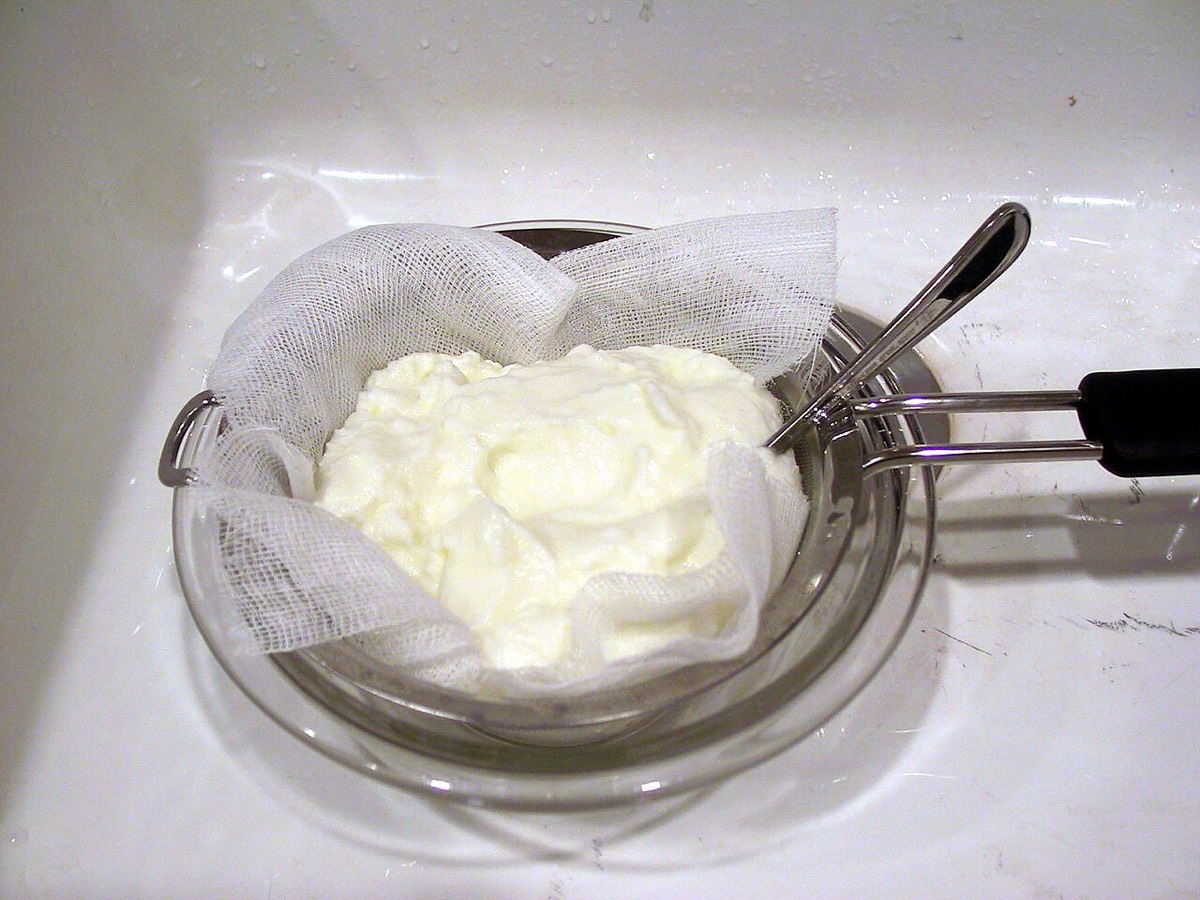
- Yoghurt in bowlWikimedia Commons · The image, CC BY 2.0
General information, not medical advice. Finish any antibiotic course as prescribed, and tell your doctor about diarrhoea that is severe, bloody or lasts more than a couple of days, as it can need treatment. Ask before taking probiotics if you are seriously ill, in intensive care or have a weakened immune system, where rare bloodstream infections have been reported.
Analysis by NutroPractic from the sources listed. Written for general readers; it does not replace advice from your own doctor.
From our articles
Our guides on this subject
Plain-language guides on nutrition and wellness, backed by research.

Gut health
Probiotic capsules: which ones have trial evidence, what they can do, and when to skip them
Children on antibiotics: 8% got diarrhoea with a probiotic, 19% without. Older hospital patients: 10.8% with, 10.4% without. Which capsules have evidence, what three guidelines say about IBS, what a course costs per case prevented, and who shouldn't take them.
2 Nov 2026
Gut health
Gluten-free without coeliac disease: who actually benefits, and what the blinded gluten challenges found
In blinded trials only 16% of people who said gluten made them ill reacted to gluten rather than placebo, and in Oslo fructans caused more bloating than gluten. Who really needs to avoid it, how to get tested before you stop, how much gluten is in a slice of bread or a roti, and what gluten-free food costs (159% more in the UK) and lacks.
1 Nov 2026

Gut health
Lactose intolerance: how much milk most people can actually tolerate, and which dairy is easiest
Most adults who don't digest lactose well still handle about 12 g at once, roughly a 250 ml glass of milk, in blinded trials. What the 12 g studies found, a lactose table for milk, yoghurt, cheese, chai and dahi, how lactase tablets and A2 milk compare, why the famous 68% figure was retracted, and how to keep calcium up if you cut back.
25 Oct 2026
Newsfeed for your website
Want this feed on your website?
Add it to any site with one copy-and-paste snippet. No sign-up, and it updates itself every hour.
Start with a virtual consultation
Tell Dr. Triveni what you want to change. You will leave with a clear next step, whether you are in Toronto, London, New York or Chennai.