Diabetes · October 28, 2026
Same whole grains, different mill: 160 New Zealanders with type 2 diabetes swapped their usual grain foods for intact or finely milled versions, and after 12 weeks blood sugar was a little lower on the intact ones, with no change in weight
Every fortnight for 12 weeks, families got free whole grain wheat, rice and oat foods delivered to the door: whole oats, grainy bread and brown rice for one group, instant oats, finely milled bread and brown-rice pasta for the other. Both were 'whole grain'. HbA1c ended 2.2 mmol/mol lower with the less processed foods, a small gain that came without eating more whole grain or losing weight.
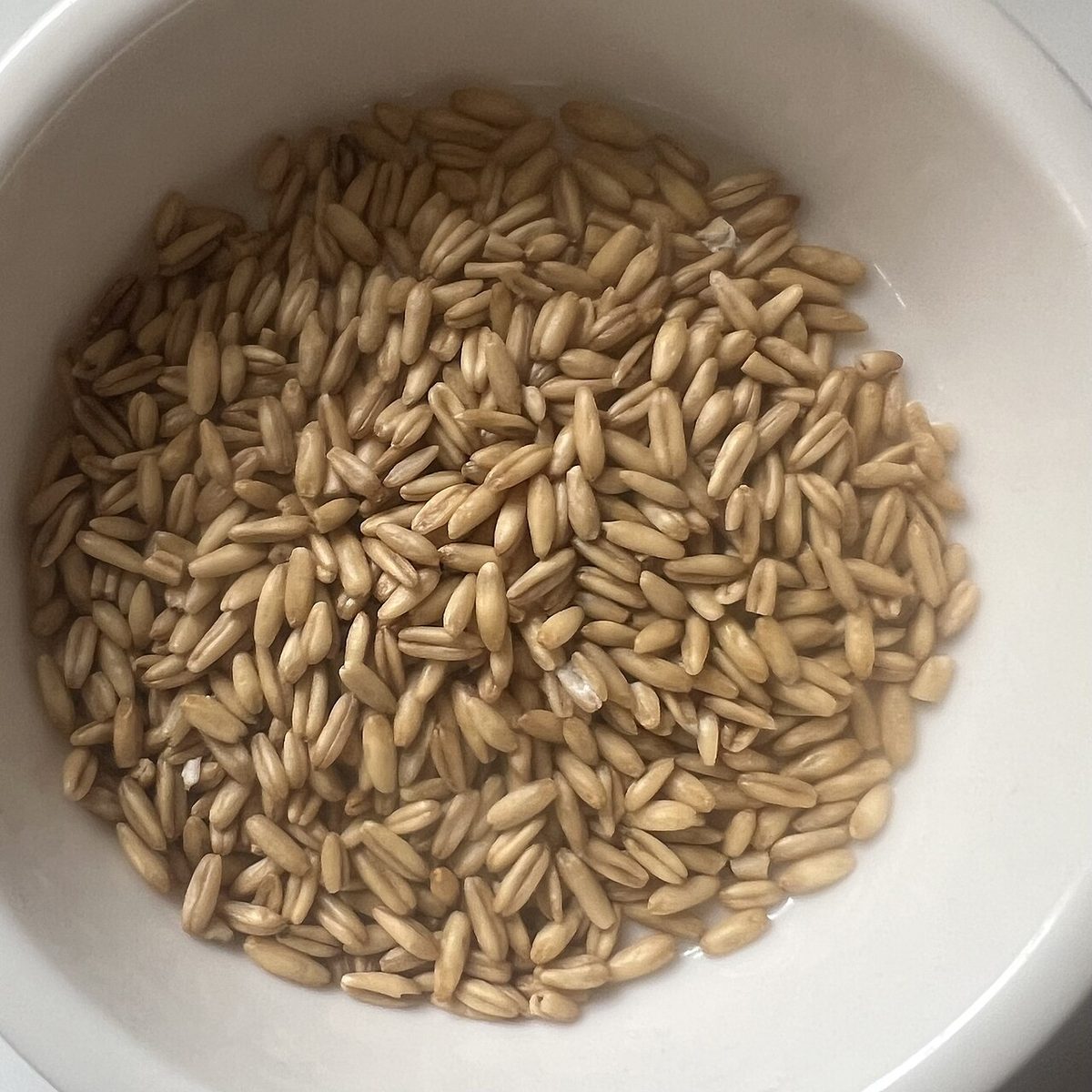
Dietary advice usually draws one line: swap refined grains for whole grains. But a 'whole grain' label covers everything from a bowl of whole oats to instant oats cut and rolled thin, as long as all parts of the grain are still in there. Small studies have suggested that how finely the grain is milled changes how fast blood sugar rises after a meal. A trial published online on 26 October in The American Journal of Clinical Nutrition, led by researchers at the University of Otago, asked whether that difference still shows up in longer-term blood sugar control when people eat these foods every day for three months.
The team randomised 160 adults with type 2 diabetes in Otago, Southland and Canterbury, recruited between April 2022 and March 2024. They were on average 58.5 years old, with a body mass index of 33.7 and an HbA1c of 56.4 mmol/mol (about 7.3%), and they kept up their usual care from their own doctors, including any diabetes medicines. Randomisation was stratified by whether people used insulin.
Both groups got free whole grain foods delivered to the door every fortnight, 4.5 to 9 kg at a time depending on the size of the household, so the whole family could eat them. Each set had four foods made from whole grain wheat, rice and oats. The trial registration gives examples: whole oats, 700 g loaves of whole grain bread with intact grains, and brown rice for the less processed group; instant oats, whole grain bread made with finely milled flour, and extruded brown-rice pasta for the milled group. People were simply asked to replace the grain foods they normally ate with the ones provided. No other diet or lifestyle advice was given.
After 12 weeks, 143 people (89%) gave end-of-trial blood samples. HbA1c was 2.2 mmol/mol lower in the less processed group than in the milled group, roughly 0.2 percentage points, though the margin ran from 4.2 down to just 0.1, so the true difference could be quite small. Body weight did not change differently between the groups. Food records showed that whole grain, refined grain and nutrient intakes were the same in both, with the delivered foods supplying about a fifth of daily energy, which points to the structure of the grain rather than how much whole grain or fibre people ate.
Among the secondary and exploratory measures, the only other one that improved was self-reported bowel habit, again in favour of the less processed foods. The authors conclude that dietary guidance, food labels and marketing should tell refined grains, milled whole grains (wholemeal) and intact whole grains apart, and that food makers could reformulate products with this in mind.
The limits matter. This was 12 weeks, in one part of New Zealand, with foods handed out for free, which makes it easier to stick to the plan than in everyday life. Everyone ate whole grain, so the trial compares two kinds of whole grain, not whole grain against white bread or white rice. The effect is modest and close to the edge of what the trial could detect. The trial was registered as ACTRN12622000060741 and funded by Lotteries Health Research, New Zealand, with the University of Otago as sponsor. This summary is based on the published abstract and the trial registration.
Intact vs milled whole grain foods in type 2 diabetes: 160 adults, 12 weeks, New Zealand
160
Adults with type 2 diabetes randomised (mean age 58.5, BMI 33.7)
56.4 mmol/mol
Average HbA1c at the start, about 7.3%
-2.2 mmol/mol
HbA1c difference, less processed vs milled whole grains at 12 weeks (range -4.2 to -0.1), about 0.2 percentage points
4.5-9 kg
Free whole grain foods delivered each fortnight, scaled to household size
~20%
Share of daily energy supplied by the trial foods; whole grain, refined grain and nutrient intakes did not differ between groups
89%
Participants (143) who gave end-of-trial blood samples
Randomised parallel trial, 12 weeks, analysed by intention to treat with generalised linear models; randomisation stratified by insulin use. Body weight did not change differently between groups; self-reported bowel habits were the only secondary or exploratory outcome that improved. HbA1c in % is converted from mmol/mol with the standard IFCC-NGSP formula. Registered as ACTRN12622000060741. Published online 26 October 2026 under a CC BY licence.
- HbA1c reflects average blood sugar over roughly the last two to three months, which is why a 12-week trial is about the shortest that can test it.
- In a 2020 crossover study by the same Otago group, 15 adults with type 2 diabetes ate whole grain breads made from flours and grains of different sizes, and the larger the grain particles, the smaller the rise in blood sugar after eating.
- The trial planned to check whether people really ate the whole grains with alkylresorcinols, compounds from the bran of wheat and rye, measured from a dried drop of blood.
- In line with New Zealand's dietary guidelines, the researchers set no maximum number of whole grain serves a day.
- Instant oats and whole oats can both count as whole grain: the difference is how finely they are cut, rolled or ground, not what is in them.
- Impact of minimally processed versus milled whole grains on glycaemic control in type 2 diabetes: A 12-week randomised trialThe American Journal of Clinical Nutrition · The study, published online 26 October 2026; figures from the abstract
- PubMed record (PMID 42933538)PubMed · Abstract and author details
- Wholegrain structure in the blood glucose management of adults with type 2 diabetes (ACTRN12622000060741)ANZCTR · Trial registration: example foods, regions, recruitment dates and funding
- Wholegrain Particle Size Influences Postprandial Glycemia in Type 2 DiabetesDiabetes Care · The group's earlier crossover study of whole grain breads (2020)
- Uncooked oat groatsWikimedia Commons · The image, CC0
General information, not medical advice. If you have diabetes, talk to your doctor, diabetes nurse or dietitian before changing your diet, and don't change or stop any diabetes medicine on the strength of a single study.
Analysis by NutroPractic from the sources listed. Written for general readers; it does not replace advice from your own doctor.
From our articles
Our guides on this subject
Plain-language guides on nutrition and wellness, backed by research.

Cardiovascular wellness
Psyllium husk: how much soluble fibre lowers LDL cholesterol and stabilizes post-meal glucose in clinical trials
Viscous soluble fibre forms a thick gel matrix in the small intestine that binds bile acids and blunts post-meal glucose spikes. Across dozens of randomized controlled trials, 7 to 10.2 grams of psyllium daily lowers LDL cholesterol by 6% to 12% without stripping HDL, while reducing postprandial glucose surges by 15% to 25% in metabolic syndrome and type 2 diabetes. Discover the bile acid sequestration mechanism, trial meta-analyses, exact timing before meals, water ratios, and titration protocols to avoid gas and cramping.
13 Nov 2026
Everyday eating
The fibre gap: why most adults fall short, and an easy 30-gram day
Most adults in the US, Canada and Europe eat far less fibre than recommended, even though higher intakes are linked to lower rates of heart disease, type 2 diabetes and bowel cancer. How much you need, where it hides, and a sample day that gets you to 30 grams.
3 Oct 2026
Diabetes
Fenugreek, cinnamon and turmeric for blood sugar: what the trials in an Indian kitchen measured
Fenugreek seed at 5-10 g a day lowered HbA1c by about 0.85 points in pooled trials, and in a 3-year Hyderabad study 23% went on to diabetes against 55%. Cinnamon trims fasting glucose by 15-25 mg/dL, but a teaspoon of cassia tops the coumarin limit. Curcumin: about 0.3-0.4 points, and rare liver injury from capsules. Doses in teaspoons, and a fair way to test it at home.
1 Nov 2026
Newsfeed for your website
Want this feed on your website?
Add it to any site with one copy-and-paste snippet. No sign-up, and it updates itself every hour.
Start with a virtual consultation
Tell Dr. Triveni what you want to change. You will leave with a clear next step, whether you are in Toronto, London, New York or Chennai.