Young athletes · October 27, 2026
Nearly 1 in 10 teenage athletes at Sweden's elite sport schools screened positive for a possible eating disorder. Skipping meals and going meat-free stood out, and half said they struggled to find time to cook
Umeå University researchers added food questions to a national survey of 7,993 pupils aged about 16 to 19. Girls screened positive three times as often as boys, and pupils who felt they knew how to eat for their health were less likely to.
Around 11,600 teenagers in Sweden attend upper secondary elite sport schools, where training sits inside the school day and many pupils move away from home at 16 to be near a club or coach. That means running their own food lives while training hard, at an age when habits around eating and body image take shape. Young athletes need more energy than their classmates, and eating too little for the training load, whether from disordered eating or simply from not getting round to meals, can hold back growth, weaken bones and slow recovery.
Researchers at Umeå University added 20 food questions to the Swedish Sports Confederation's annual pupil survey in spring 2023. They included SCOFF, a five-question screen for eating disorders that asks, for example, whether you make yourself sick because you feel uncomfortably full or worry you have lost control over how much you eat. Two or more yeses count as a positive screen, a signal that a clinical assessment is warranted, not a diagnosis. Of 10,145 registered pupils, 7,993 also completed the food questions, close to 70% of everyone enrolled. The results appeared in the Journal of Eating Disorders on 23 October.
Overall 9.5% screened positive: 15.8% of girls and 5.1% of boys. With all the factors in one model, being female carried the highest odds (3.5 times), followed by not eating three main meals a day (2.3 times), eating no meat (1.9 times) and using energy or performance supplements (1.7 times). Pupils in individual sports had 1.4 times the odds of those in team sports. Each extra practical barrier a pupil reported raised the odds by about 28%, while each step up in agreeing that they knew what to eat for their health cut them by about 27%.
The everyday picture was telling in its own right. One pupil in six (15.5%) usually skipped at least one main meal, most often breakfast. Almost four in ten took supplements such as protein powder, bars, gels or creatine, more boys than girls. Half (49.1%) named at least one practical barrier, led by lack of time to cook (26.5%) and to plan and shop (23.5%), then lack of cooking skills (14.0%) and money (9.8%). Only a quarter said eating disorders had come up in their sports teaching, and those who said so screened positive no less often. Surprisingly, sports that favour a lean body or use weight classes did not stand out once everything else was taken into account.
This is a one-off survey, so it shows links, not causes: going meat-free, for instance, can be a way of restricting food, a sign of it, or have nothing to do with it. The researchers changed SCOFF's format to fit the survey (one tick-box list instead of five yes/no questions) and did not validate that version; they think it may have made the figure lower, not higher. Even so, they call for school and sport staff who can spot problem eating early, practical cooking and meal-planning lessons, and extra free meals on top of the school lunch most Swedish upper secondary schools already provide.
Positive eating disorder screen (SCOFF, 2 or more yeses) and everyday food practices among Swedish upper secondary elite sport pupils, survey spring 2023 (Journal of Eating Disorders, 23 October 2026)
7,993
Pupils aged about 16 to 19 who answered the food questions, close to 70% of those enrolled (59.2% boys, 40.3% girls)
9.5%
Screened positive for a possible eating disorder: girls 15.8%, boys 5.1%
2.31×
Odds of a positive screen for pupils not eating three main meals a day (15.5% of all pupils)
1.87×
Odds for vegetarian or vegan pupils (1.8% of all), 21.8% of whom screened positive
49.1%
Reported at least one practical food barrier; top ones: no time to cook (26.5%) or to plan and shop (23.5%)
+28%
Higher odds of a positive screen for each extra practical barrier (scale 0 to 6)
Cross-sectional, self-reported online survey, so associations only. Odds ratios come from one logistic regression model (7,739 pupils with complete data, 99% confidence intervals) that also included sex, meal pattern, diet type, supplement use, practical barriers, type of sport, body type favoured by the sport, accommodation, nutrition knowledge and eating disorder teaching. SCOFF was asked as one tick-all-that-apply question rather than five yes/no questions, a format not validated for this study. A positive screen is not a diagnosis. Funded by Umeå University and the Swedish Research Council for Sport Science; the authors declare no competing interests.
- SCOFF takes its name from its five questions: Sick, Control, One stone (about 6 kg lost in three months), Fat and Food. In a Danish study of athletes aged 16 to 47 it picked up 94% of those diagnosed with an eating disorder at interview.
- With a lower cut-off of just one yes, suggested by an earlier Swedish study of teenagers, one pupil in four (25.3%) screened positive for disordered eating: 35.2% of girls and 18.4% of boys.
- 12.3% of the pupils said they were worried that some of their peers had the problems SCOFF asks about.
- A review of 177 studies cited by the authors put self-reported disordered eating among athletes at 19% on average, and noted that countries including Sweden had rarely reported figures.
- Most Swedish upper secondary schools serve lunch free of charge to all pupils; some elite sport schools add extra meals around training.
- Exploring a positive screen for eating disorders among 7,993 elite sport pupils in Sweden and its association with everyday food practices, demographics, and sportsJournal of Eating Disorders · The study, open access (CC BY), published 23 October 2026
- Full text with tables and figuresPubMed Central · Survey questions, SCOFF results by sex, regression model and limitations
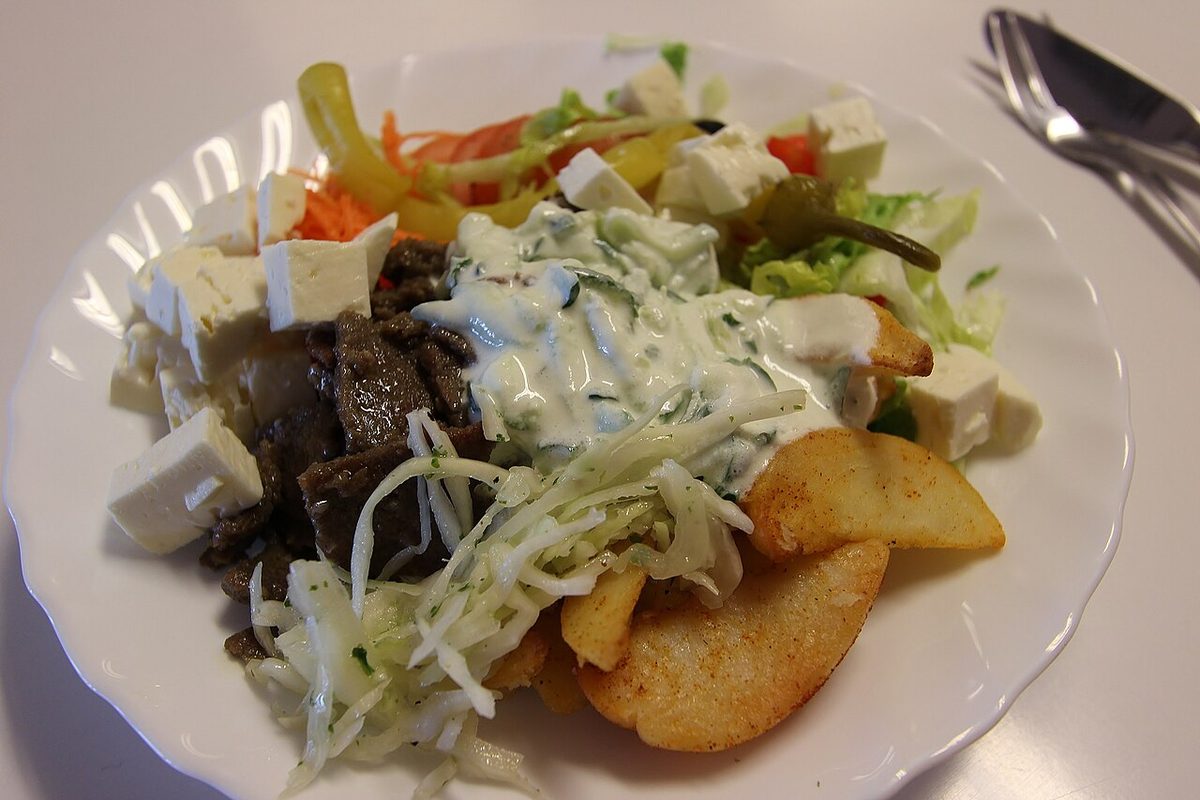
- School lunch in SwedenWikimedia Commons (Charlotta Wasteson) · The photo, CC BY 2.0
General information, not medical advice. A positive screening result is not a diagnosis, and this survey shows associations, not causes. If you are worried about your own or a young athlete's eating, weight or energy levels, talk to a doctor, a registered dietitian or an eating disorder support service.
Analysis by NutroPractic from the sources listed. Written for general readers; it does not replace advice from your own doctor.
From our articles
Our guides on this subject
Plain-language guides on nutrition and wellness, backed by research.

Children's nutrition
Feeding a teenage athlete: energy, iron, calcium and the sports drink question
Teenage athletes are growing and training at the same time, and under-eating (REDs) is found in up to 80% of female and 70% of male athletes in studies. A worked energy example for a 15-year-old footballer, protein and carbohydrate targets, iron and calcium in the growth spurt, when sports drinks help and when they are dessert, and the supplements to skip.
20 Oct 2026

Women's health
Inositol for PCOS: the 40:1 ratio, trial doses, and food milligrams
Why do randomized trials in polycystic ovary syndrome prioritize the 40:1 myo to D-chiro inositol ratio? Here is the science behind the ovarian epimerase paradox, clinical ovulation and insulin metrics, and why cantaloupe cannot replace 4,000 mg trial powder.
21 Nov 2026

Everyday eating
Extra virgin olive oil polyphenols: the EU health claim, smoke point myths, and cooking stability
Does extra virgin olive oil degrade when cooked? What does the EU 5 mg polyphenol health claim require, how does oleocanthal act like ibuprofen, and why does oxidative stability matter more than smoke point in domestic frying? Here is the clinical and culinary data.
21 Nov 2026
Newsfeed for your website
Want this feed on your website?
Add it to any site with one copy-and-paste snippet. No sign-up, and it updates itself every hour.
Start with a virtual consultation
Tell Dr. Triveni what you want to change. You will leave with a clear next step, whether you are in Toronto, London, New York or Chennai.