Coeliac disease · October 27, 2026
Two in three people with coeliac disease who had kept to a gluten-free diet for at least a year still had gut symptoms that fit a gut-brain disorder such as IBS, about twice the rate in the general population
A survey of 1,001 Dutch adults with coeliac disease found irritable bowel syndrome patterns more than four times as often as in the general public. Those who said they never slipped on gluten were just as likely to have them, which points beyond the diet.
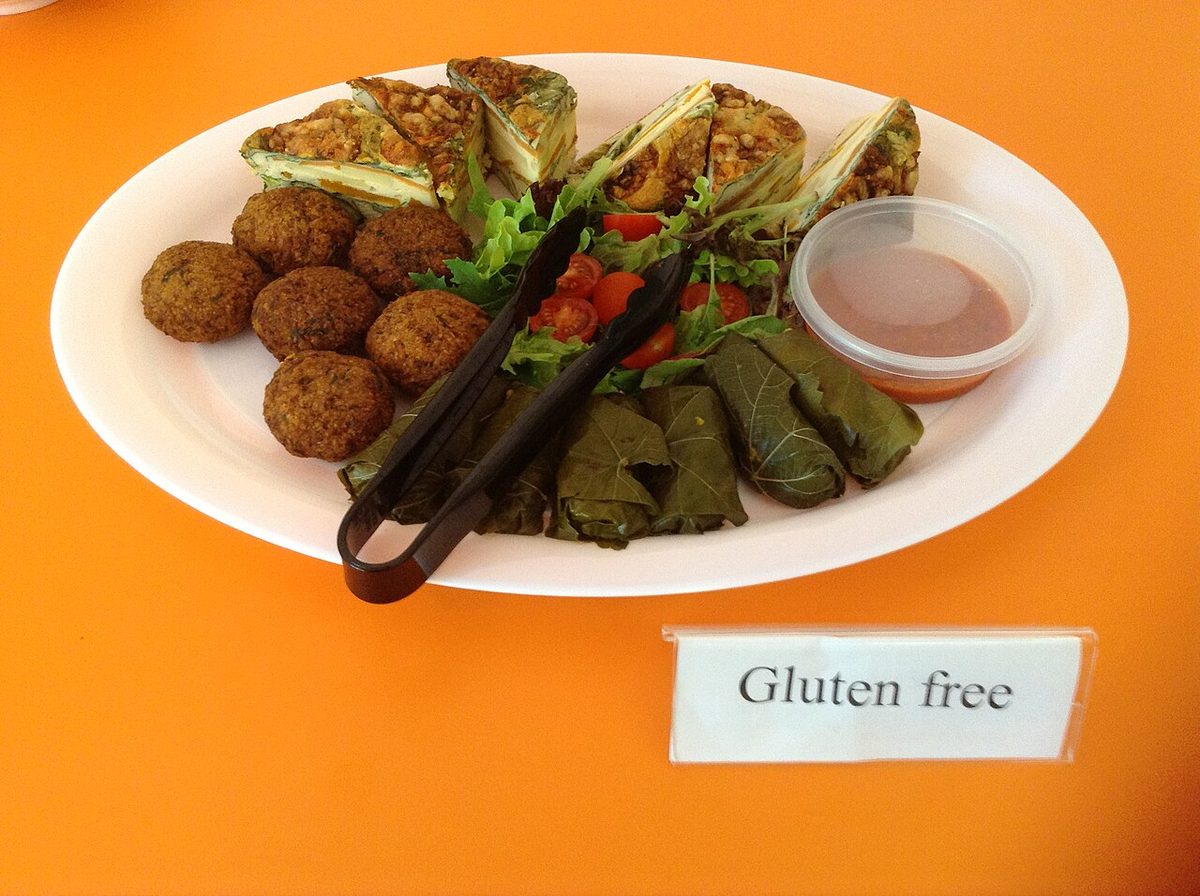
About one person in a hundred has coeliac disease, an immune reaction to gluten that damages the lining of the small intestine. The only treatment is a strict gluten-free diet for life, and for most people it works: the gut heals and the antibodies fall. Yet many keep getting stomach pain, bloating, diarrhoea or constipation years later. The usual suspicion is hidden gluten. A study published on 16 October in the United European Gastroenterology Journal looked at another explanation: disorders of gut-brain interaction, the group of conditions that includes irritable bowel syndrome (IBS), where the gut works and feels wrong without visible damage.
In June and July 2025 the Dutch Coeliac Society sent an online survey to its members through its newsletter, website and social media. To avoid attracting only people with symptoms, it was presented as a general health survey. The researchers kept 1,001 adults with a doctor's diagnosis of coeliac disease who had been gluten-free for at least a year (median age 50, 79% women; three in four had been on the diet for five years or more). Everyone answered the Rome IV questionnaire, the standard tool that checks symptoms against the criteria for all 22 of these disorders. The comparison group was 1,896 Dutch adults without coeliac disease from a 2017 global survey that used the same questionnaire.
64.8% of the coeliac group had symptoms fitting at least one of the 22 disorders, against 31.3% of the comparison group. After allowing for sex, age, psychological distress and other bodily symptoms, the odds were 3.2 times higher. Bowel patterns led (59.8%). IBS-type symptoms showed up in 18.2% compared with 3.9%, odds 4.5 times higher, and functional bloating in 6.1% compared with 1.4%, odds 3.9 times higher. Women (69.4% against 47.5% of men) and adults under 35 (73.6% against 55.7% of those 65 and over) were most affected, the same pattern seen in the general population.
The striking finding is what made no difference. Rates were much the same whether people had been gluten-free for one year or more than five, whether they were diagnosed as children or adults, and whether they said they kept to the diet 100% of the time (65.3%) or less than 95% of the time (64.8%). Those with these symptom patterns reported more psychological distress, lower physical and mental quality of life, and took more medicines, such as painkillers bought without a prescription (22.7% against 11.9%) and medicine for constipation (14.8% against 4.5%).
The study has real limits. Diagnoses and diet were self-reported, so unnoticed gluten or gut damage that has not healed could still explain some symptoms; checking that needs blood tests and a biopsy. Members of a patient society who answer a health survey may have more symptoms than coeliac patients in general, and the comparison group was surveyed before the COVID-19 pandemic. A second, smaller comparison group gathered in 2025 still gave odds between 1.9 and 3.2 times higher. The authors call for better ways to tell a gut-brain disorder apart from active coeliac disease without a biopsy, note that treatments used for these disorders, such as a low-FODMAP diet or probiotics, have some early evidence in coeliac patients, and point out that the lower fibre of a gluten-free diet may add to constipation and bloating.
Rome IV gut-brain disorder symptom profiles in adults with coeliac disease on a gluten-free diet for at least a year, compared with Dutch adults without coeliac disease (United European Gastroenterology Journal, 16 October 2026)
1,001
Dutch adults with coeliac disease surveyed in June and July 2025, gluten-free for a year or more (79.3% women, median age 50)
64.8%
Had symptoms fitting at least one of 22 gut-brain disorders, against 31.3% of 1,896 adults without coeliac disease
3.2×
Odds after adjusting for sex, age, psychological distress and other bodily symptoms
18.2%
Had IBS-type symptoms, against 3.9% in the comparison group (adjusted odds 4.5×)
65.3% vs 64.8%
Share with these symptoms among those 100% gluten-free in the past year and those under 95%: no real difference
14.8%
Of those with these symptoms used medicine for constipation, against 4.5% of those without
Cross-sectional online survey, so associations only, with self-reported diagnosis and diet. Symptom profiles were matched to Rome IV criteria by questionnaire, which is not a clinical diagnosis; ongoing gluten exposure or unhealed gut damage could not be ruled out. The main comparison group was surveyed in 2017; a smaller 2025 comparison group gave adjusted odds of 1.9 to 3.2. Partly funded by the Dutch Coeliac Society; the 2017 comparison survey was funded by drug companies with no role in this analysis; some authors report fees from drug companies.
- 22.9% of the people with coeliac disease had a parent, brother or sister with it too, against 1.6% of the comparison group.
- In a 33-country survey using the same Rome IV questionnaire, about 40% of adults had symptoms fitting at least one gut-brain disorder.
- A Swedish registry study found only 2.7% of coeliac patients were given an IBS diagnosis over about 11 years, against 18.2% with IBS-type symptoms in this survey; the authors think IBS often goes unrecorded once coeliac disease is on file.
- A meta-analysis cited by the authors put symptoms that persist after six months or more of a gluten-free diet at between 12.5% and 50% of coeliac patients, depending on the study.
- Rome V, the newest version of the criteria, was published in 2026, after this survey was run, so the researchers used Rome IV.
- Symptom Profiles Compatible With Disorders of Gut-Brain Interaction in Individuals With Coeliac Disease on a Long-Term Gluten-Free DietUnited European Gastroenterology Journal · The study, open access (CC BY), published 16 October 2026
- Full text with tablesPubMed Central · Prevalence by subgroup, odds for each of the 22 disorders, medicine use and limitations
- Gluten-free lunchWikimedia Commons (Rmjelley) · The photo, CC BY 3.0
General information, not medical advice. This survey shows associations, not causes, and a symptom pattern on a questionnaire is not a diagnosis. If you have coeliac disease and still have gut symptoms on a gluten-free diet, see your doctor or a registered dietitian to check for gluten exposure and other causes before changing your diet or taking medicines.
Analysis by NutroPractic from the sources listed. Written for general readers; it does not replace advice from your own doctor.
From our articles
Our guides on this subject
Plain-language guides on nutrition and wellness, backed by research.

Food and nutrition
L-theanine and caffeine: what cognitive trials measured on sustained attention, and milligrams in matcha vs green tea
Combining L-theanine with caffeine produces clean focus without caffeine jitters. Here is what randomized trials measured on attention-switching, EEG alpha brain waves, and the exact milligrams across ceremonial matcha, culinary powder, gyokuro, and sencha.
20 Nov 2026

Women's wellness and nutrition
Creatine for women: cognitive performance, menstrual cycle phases, and bone density beyond muscle building
Creatine is widely stereotyped as a bodybuilding supplement for men, but female physiology tells a very different story. Women exhibit 70% to 80% lower endogenous creatine stores, reduced dietary intake, and cyclical fluctuations in brain creatine kinase across the follicular and luteal phases. Robust clinical trials demonstrate that 3 to 5 grams of daily creatine monohydrate enhances cognitive performance during sleep deprivation, augments clinical response in unipolar depression, preserves femoral neck bone geometry in postmenopausal women, and causes cellular intracellular hydration rather than subcutaneous bloating.
13 Nov 2026
Gut health
Probiotic capsules: which ones have trial evidence, what they can do, and when to skip them
Children on antibiotics: 8% got diarrhoea with a probiotic, 19% without. Older hospital patients: 10.8% with, 10.4% without. Which capsules have evidence, what three guidelines say about IBS, what a course costs per case prevented, and who shouldn't take them.
2 Nov 2026
Newsfeed for your website
Want this feed on your website?
Add it to any site with one copy-and-paste snippet. No sign-up, and it updates itself every hour.
Start with a virtual consultation
Tell Dr. Triveni what you want to change. You will leave with a clear next step, whether you are in Toronto, London, New York or Chennai.