Blood pressure · October 21, 2026
Two ginseng extracts beat a dummy tablet by 11 to 15 points of systolic blood pressure in a 12-week Korean trial. The dummy group started 7 points lower, and its pressure then went up by 5
Ninety adults with mildly raised blood pressure took tablets of one of two Rg3-enriched Korean ginseng extracts, or a look-alike placebo, for 12 weeks. Both extracts came out well ahead, more than the authors themselves expected from earlier ginseng studies. But the groups were not well matched at the start, part of the gap came from the placebo group getting worse, and the extracts were made by a company whose staff helped run and write up the study.
Ginseng is sold in Korea and far beyond as a tonic for almost everything, blood pressure included, but trials of ordinary ginseng have given mixed answers: one meta-analysis of randomised trials found no overall effect on blood pressure, while a later one limited to people with high or borderline-high pressure found modest drops with Korean red ginseng taken for several weeks. Attention has turned to ginsenoside Rg3, one of ginseng's active compounds, which relaxes blood vessels in laboratory and animal studies. There is little Rg3 in fresh roots; it forms when other ginsenosides are changed during processing, and manufacturers use enzymes, acid, vitamin C and other processing steps to raise it.
A trial published on 20 October in Nutrients tested two such products made by BTGin, a ginseng company in Daejeon, South Korea. At Dankook University Hospital in Cheonan, between November 2020 and October 2021, 90 adults aged 20 to 70 with what the team called early-stage hypertension (a top reading of 125 to 145 mmHg or a bottom reading of 80 to 95) were randomly split into three groups of 30. Nobody was on blood pressure medicine. One group took a white ginseng extract treated with vitamin C, about 2.7 g a day; another an enzyme-treated red ginseng extract, about 0.4 g a day; both worked out at about 40 mg of Rg3 a day. The third took cellulose tablets with ginseng flavouring. Everyone swallowed six tablets after breakfast and six after dinner for 12 weeks, and the tablets looked, smelled and were packed the same. Staff measuring blood pressure did not know who was taking what.
Eighty-seven people finished, and on average they took about 96% of their tablets. In the white ginseng group, systolic pressure (the top number) fell from 135.7 to 128.4 mmHg, a drop of 7.3. In the red ginseng group it fell from 135.5 to 125.7, a drop of 9.9. In the placebo group it rose from 128.8 to 133.8, up 5.0. Allowing for each person's starting reading, the extracts were 10.7 and 15.3 mmHg better than placebo. Diastolic pressure (the bottom number) fell by 5.3 and 6.3 mmHg on the extracts against 0.9 on placebo, a gap of 4.3 and 5.3 mmHg once starting readings were allowed for. Pulse rate and the inflammation marker hs-CRP did not change differently between groups, and nitric oxide, the vessel-relaxing signal Rg3 is thought to work through, differed from placebo only for the red ginseng extract and only in the adjusted analysis.
The authors note that the drop against placebo was larger than earlier ginseng studies and meta-analyses had reported, and say it should be treated with caution. Two reasons stand out in their own tables. First, the groups were not alike at the start despite randomisation: the placebo group was younger (average age 32.6 against 39.3 and 42.9) and its systolic pressure was about 7 mmHg lower (128.9 against 135.7 and 135.2), and only 5 of the 30 in that group had a reading in the grade 1 hypertension range, against 17 and 8 in the extract groups. Second, the 'before' reading was the one taken at screening, four weeks before the tablets began. People let into a trial because one reading was high tend to read lower next time anyway, and the authors write that this regression to the mean, together with the unexplained rise in the placebo group, may have shaped the results. The placebo group's 5-point rise makes up about two-fifths of the white ginseng group's unadjusted 12.3-point gap and a third of the red ginseng group's 14.9-point gap.
There are other limits. It was one hospital, 12 weeks and under 30 finishers per group. With no ordinary ginseng or Rg3-free comparison and only one dose, the trial cannot say whether Rg3 was what made the difference, and it was not designed to compare the two extracts with each other. The trial was approved by the hospital's ethics board in October 2020 but only entered in Korea's public trial registry in May 2023, after it had finished; the authors say the team did not know registration beforehand was required, and call it a limitation. The study was funded by the Korean Ministry of Agriculture, Food and Rural Affairs' food functionality programme and partly by the Korea Food Research Institute. BTGin supplied the products, three authors work for the company and two hold shares, and according to the paper the company authors helped design the study, run the statistics, manage the project and write the first draft. Eighteen side effects were reported, spread evenly across the three groups (5, 7 and 6), and none, including three serious ones (an ear infection, a colon polyp and a torn knee ligament), was judged to be caused by the tablets.
Blood pressure after 12 weeks of two Rg3-enriched Korean ginseng extracts or placebo, 90 adults with mildly raised blood pressure, one hospital in South Korea, 2020 to 2021
−7.3 and −9.9 mmHg
Change in systolic pressure on the white and red ginseng extracts (from about 135.6 at the start)
+5.0 mmHg
Change in systolic pressure on placebo (from 128.8 to 133.8)
10.7 and 15.3 mmHg
Systolic gap against placebo for the two extracts after allowing for starting pressure (95% CIs 7.1 to 14.4 and 11.3 to 19.4)
4.3 and 5.3 mmHg
The same gap for diastolic pressure (95% CIs 1.3 to 7.3 and 2.4 to 8.2)
128.9 vs 135.7 and 135.2
Average systolic pressure at the start: placebo group against the two extract groups
32.6 vs 39.3 and 42.9
Average age at the start: placebo group against the two extract groups
About 40 mg
Rg3 a day from either extract: 2.7 g of white ginseng extract or 0.4 g of red, in 12 tablets
5, 7 and 6
Side effects reported on white ginseng, red ginseng and placebo; none judged to be caused by the tablets
Study: Oh J-H, Cheong Y-S, Lim S-H, Lee S, Kim J-H, Jang H, Hour Y, Vuksan V, Baek H-I, 'Effects of Two Rg3-Enriched Korean Ginseng Preparations on Blood Pressure in Adults with Early-Stage Hypertension: A Randomized, Double-Blind, Placebo-Controlled Trial', Nutrients 2026, 18(20):3448, published 20 October 2026, doi 10.3390/nu18203448 (open access, CC BY 4.0; read in full). Single-centre trial at Dankook University Hospital, 9 November 2020 to 7 October 2021; IRB approval 21 October 2020; retrospectively registered with CRIS (KCT0008475) on 26 May 2023. Groups: vitamin C-treated white ginseng (Rg3 15 mg/g, 2,698 mg/day), enzyme-treated red ginseng (Rg3 about 100 mg/g, 398 mg/day), placebo (crystalline cellulose with 0.2% ginseng flavour), 12 tablets of 425 mg a day. Per-protocol analysis (87 of 90; 30, 28 and 29), the prespecified primary analysis; the full analysis set gave consistent results. Baseline blood pressure was the screening reading at week −4. Adjusted gaps are ANCOVA mean differences (placebo minus extract) adjusted for the baseline value (Tables 3 and 4). Baseline age, systolic pressure and pulse rate differed between groups (Table 2; the per-protocol placebo baseline was 128.76). The two-fifths and one-third shares are our arithmetic from the unadjusted changes. Funding: Ministry of Agriculture, Food and Rural Affairs (Food Functionality Evaluation Program, G0190300-01) and partly the Korea Food Research Institute; products from BTGin Co., Ltd., which employs three authors (two shareholders). Side facts are from the paper.
- Twelve tablets a day is a lot to swallow: each group took 5.1 g of tablets daily, mostly cellulose filler, so all three looked the same. The red ginseng tablets were 92% filler.
- The trial's own definition of early-stage hypertension, a top reading of 125 to 145 or a bottom reading of 80 to 95, spans several categories in Korea's 2018 guidelines, from elevated to grade 1 hypertension.
- Anyone already on blood pressure medicine, or who needed it, was left out, so the trial says nothing about taking ginseng alongside blood pressure pills.
- An earlier trial of an Rg3-enriched red ginseng given together with American ginseng, in people with type 2 diabetes and high blood pressure on their usual medicines, also reported better blood pressure, but with two ginsengs at once it could not show what the Rg3 product did on its own.
- Neither extract changed nitric oxide in the main analysis. A recent meta-analysis that pooled nitric oxide results from ginseng trials rested on just four effect sizes from three studies, the authors note.
- Effects of Two Rg3-Enriched Korean Ginseng Preparations on Blood Pressure in Adults with Early-Stage Hypertension: A Randomized, Double-Blind, Placebo-Controlled TrialNutrients, October 2026 · The paper: full text, open access
- GinsenosideWikipedia · The active compounds in ginseng, including Rg3
- HypertensionWikipedia · What the numbers mean and how high blood pressure is treated
- Asian ginsengUS National Center for Complementary and Integrative Health · What is known about safety and medicine interactions
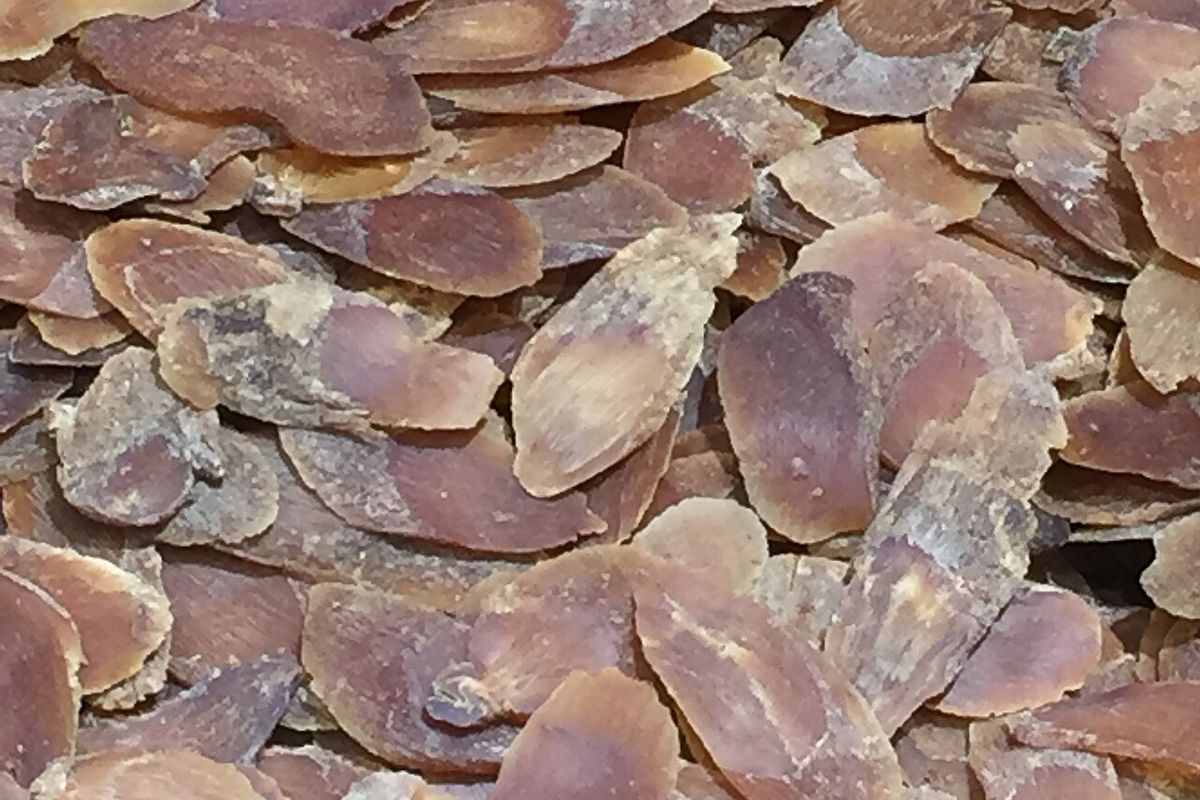
- Red ginseng slicesWikimedia Commons · The photo, CC0 (Fumikas Sagisavas)
General information, not medical advice. This was a small, company-linked trial with groups that differed at the start, and it does not show that ginseng can replace blood pressure treatment. Ginseng can interact with some medicines, and the US National Center for Complementary and Integrative Health advises people with diabetes to check first, so anyone with high blood pressure should talk to their doctor before taking ginseng supplements or changing their treatment.
Analysis by NutroPractic from the sources listed. Written for general readers; it does not replace advice from your own doctor.
From our articles
Our guides on this subject
Plain-language guides on nutrition and wellness, backed by research.
Heart and blood pressure
Beetroot juice and dietary nitrate: what the blood-pressure trials measured, and who should be careful
Drinking 250 ml of beetroot juice dropped clinic systolic blood pressure by 7.7 mmHg in 4-week clinical trials. Here is how tongue bacteria convert dietary nitrate to nitric oxide, why antiseptic mouthwash blocks it completely, and the oxalate kidney stone warning.
18 Nov 2026
Everyday eating
Electrolyte powders: sodium and sugar per bottle, and when water is enough
Packets deliver 300 to 1,000 mg sodium and up to 11 g sugar. Here is how popular drink mixes compare with actual sweat losses—and who actually needs them.
10 Nov 2026
Everyday eating
Instant noodles: the sodium in the whole packet, and what actually reduces it
Three official labels range from 750 to 1,520 mg sodium per packet. Here is the whole-pack arithmetic, what the broth study measured, and how to turn noodles into a more complete meal.
6 Nov 2026
Newsfeed for your website
Want this feed on your website?
Add it to any site with one copy-and-paste snippet. No sign-up, and it updates itself every hour.
Start with a virtual consultation
Tell Dr. Triveni what you want to change. You will leave with a clear next step, whether you are in Toronto, London, New York or Chennai.