Diabetes · October 21, 2026
Mediterranean, keto, time-restricted eating or plain calorie cutting for type 2 diabetes? 25 trials and no clear winner: keto lost the most weight and caused the most side effects, the Mediterranean diet the smallest but steadiest drop in blood sugar
Pharmacists at Peking University Third Hospital pooled 25 randomised trials that put adults with type 2 diabetes on one of four popular diets for up to six months. All four lowered blood sugar and weight against a usual diet. None did anything clear for cholesterol. The authors meant to rank the diets head to head and found they could not: too few trials compared them directly.
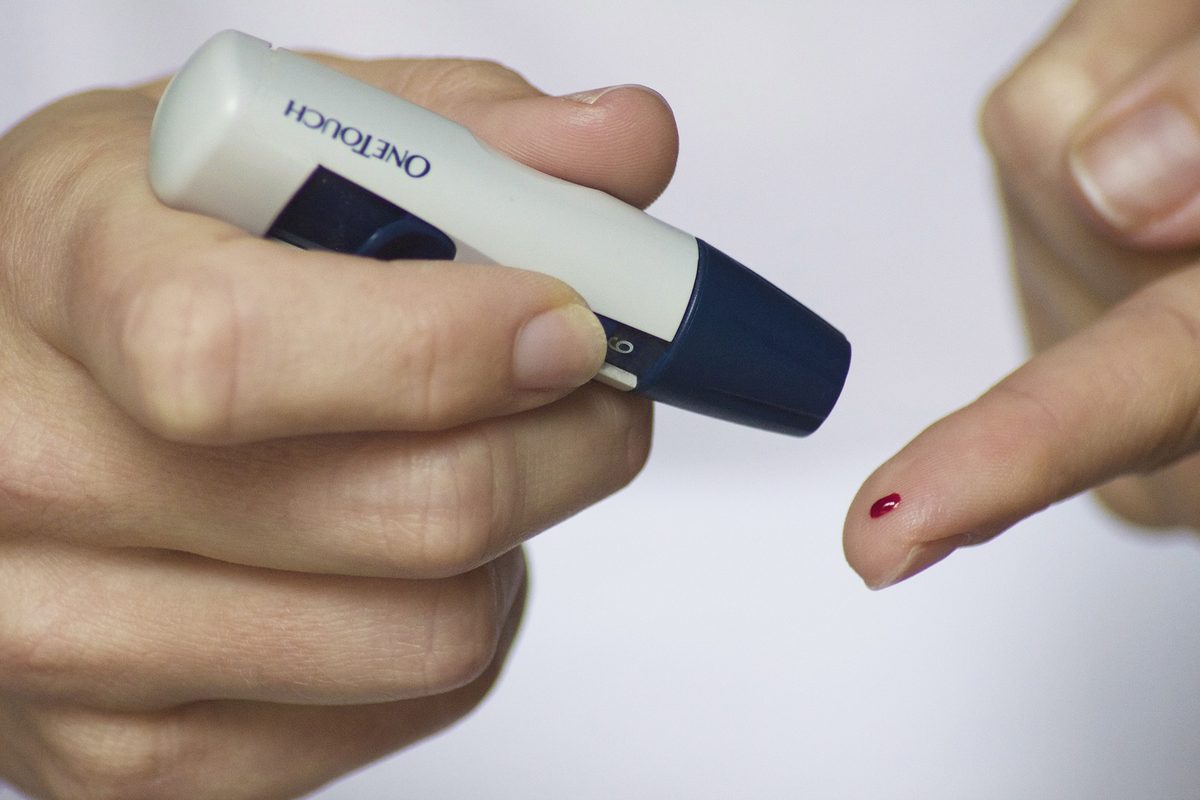
Ask what someone with type 2 diabetes should eat and you can get four confident answers: a Mediterranean diet of olive oil, fish, vegetables and whole grains; a ketogenic diet with almost no carbohydrate; time-restricted eating, where all food goes into a daily window of six to ten hours; or simply eating fewer calories. A team from the pharmacy department of Peking University Third Hospital and Beijing Children's Hospital set out to compare them, and published the result in Frontiers in Nutrition on 12 October.
They searched four databases up to 13 March 2025 and kept 25 randomised trials, each setting one of the four diets against a usual or standard diet for between six weeks and six months, most for about 12. The trials ran from 12 to 200 participants (one large Spanish trial contributed more than 600), with average ages from 37 to 67, in Spain, Italy, Greece, Denmark, the Netherlands, France, Canada, the USA, Australia, China and Malaysia. Some combined the diet with exercise or lifestyle coaching, so the authors say the results describe diet-centred programmes rather than food alone. Every intermittent fasting trial was of time-restricted eating, so the findings say nothing about 5:2 or alternate-day fasting.
Across all four diets, HbA1c, the blood test that reflects average blood sugar over the past two to three months, came down by 0.50 percentage points more than on a usual diet (95% CI 0.36 to 0.65). Calorie cutting (−0.61) and keto (−0.46) gave the most consistent results here. Fasting blood glucose fell too. The ketogenic diet showed the biggest average drop, but its trials disagreed so much (I² 79.7%) that a new trial could plausibly find no effect. The Mediterranean diet's drop was less than half as big, but its trials agreed almost perfectly (I² 0%) and even the range expected for a future trial stayed on the side of benefit, which the authors call the most robust result in the review.
Weight loss followed a different order. Against a usual diet, people lost 4.87 kg more on keto, 3.35 kg more on calorie cutting, 1.44 kg more on the Mediterranean diet and 0.66 kg more with time-restricted eating, an average of 3.00 kg across 2,159 people. Waist size did not change clearly (four trials). Cholesterol and triglycerides did not move in any statistically clear way on any of the four diets; the overall change in LDL cholesterol was −0.10 mmol/L, with a range that included zero. The price of keto showed up in the safety data: in one very-low-calorie ketogenic trial of 45 people, 20% had headaches, 20% nausea, 17.8% constipation and 13.3% a drop in blood pressure on standing, and low-sugar episodes clustered in the first four weeks. The other three diets brought few complaints beyond occasional hunger and mild low blood sugar in 1.3% of people.
The authors are frank about the limits. They had registered the review planning a network meta-analysis to rank the diets, then found too few links between trials to run one, so each diet was only compared with a usual diet, and the control diets themselves differed from trial to trial. Ranking the diets from these numbers is unreliable, they write. Heterogeneity was high for most outcomes, smaller trials reported bigger effects, and the search stopped 19 months before publication, so the newest trials are missing. No trial lasted longer than six months. Their conclusion is that any of the four can help and the choice should rest on what a person can stick to and tolerate. The work was funded by the National Natural Science Foundation of China; the authors declare no conflicts of interest.
Four diets against a usual diet in adults with type 2 diabetes: 25 randomised trials, 6 weeks to 6 months
25 trials
Randomised trials found up to 13 March 2025; 12 to 200 people each, plus one of over 600; average ages 37 to 67
−0.50 points
HbA1c, all four diets pooled (95% CI −0.65 to −0.36, I² 83.8%); prediction interval −1.04 to 0.03
−0.61 / −0.46
HbA1c on calorie cutting (I² 15.5%) and on keto (I² 14.8%), the two most consistent results
I² 0%
Mediterranean diet and fasting blood glucose: smaller effect (−0.40), but a prediction interval wholly on the side of benefit (−0.59 to −0.20)
−4.87 kg
Weight on keto (95% CI −8.35 to −1.40); calorie cutting −3.35 kg, Mediterranean −1.44 kg, time-restricted eating −0.66 kg
−0.10 mmol/L
LDL cholesterol, all diets pooled (95% CI −0.23 to 0.03, 22 trials): no clear change on any diet
20%
Headache, and also nausea, in a very-low-calorie ketogenic trial of 45 people; constipation 17.8%, blood pressure drop on standing 13.3%
0
Head-to-head comparisons the review could rank: the planned network meta-analysis was dropped for lack of linked trials
Study: Xu H, Ma H, Jin S, Li Y, Zhang S, Zhao L, 'Effect of different dietary patterns on patients with type 2 diabetes: a systematic review and meta-analysis of randomized controlled trials', Frontiers in Nutrition 2026, 13:1929818, published 12 October 2026, doi 10.3389/fnut.2026.1929818 (open access; read in full). PROSPERO CRD420261478257, registered retrospectively; the protocol planned a network meta-analysis and was changed to pairwise meta-analyses before analysis because the trial network was too sparse. Cochrane Library, Embase, PubMed and Web of Science searched to 13 March 2025; 6,759 records screened. Random-effects models; results are mean differences against usual or standard diets, with 95% prediction intervals. The paper reports fasting glucose differences (overall −0.63, Mediterranean −0.40, keto −0.90, keto prediction interval −2.23 to 0.43, Mediterranean −0.59 to −0.20) without stating the unit, so we have not converted them. Weight and BMI subgroup differences were statistically significant (p < 0.001 and p = 0.0059), but the authors say they should be read descriptively because of high heterogeneity. BMI overall −1.73 kg/m² (I² 97.5%); waist −1.96 cm (95% CI −5.15 to 1.23, 4 trials, 675 people). Egger's test suggested small-study effects for weight, BMI, fasting glucose and triglycerides. Intermittent fasting here means time-restricted eating only. Funding: National Natural Science Foundation of China (82574505); no conflicts declared.
- The International Diabetes Federation estimates that 589 million adults aged 20 to 79 were living with diabetes in 2024, about one in nine; most have type 2.
- HbA1c measures how much sugar has stuck to haemoglobin in red blood cells. Because those cells live about three months, the test reflects average blood sugar over the previous two to three months rather than on the day.
- Blood glucose is reported in millimoles per litre in the UK, Canada and Australia, and in milligrams per decilitre in the USA, India and several other countries. To convert, multiply mmol/L by 18: 7 mmol/L is about 126 mg/dL.
- The 'keto flu', the headaches, tiredness and nausea some people get in the first weeks of a very low-carbohydrate diet, is the reason the authors say a ketogenic diet in diabetes needs close medical supervision, especially for anyone on insulin or other drugs that can push blood sugar too low.
- The blood sugar and weight findings do not hinge on any one trial: the authors removed each trial in turn and the results held every time. The cholesterol and waist results, by contrast, were unstable.
- Effect of different dietary patterns on patients with type 2 diabetes: a systematic review and meta-analysis of randomized controlled trialsFrontiers in Nutrition, October 2026 · The paper: full text, open access
- IDF Diabetes AtlasInternational Diabetes Federation · Global estimates of how many adults live with diabetes
- Glycated hemoglobinWikipedia · What the HbA1c test measures and why it covers about three months
- Testing Blood Sugar LevelsWikimedia Commons · The photo, CC0
General information, not medical advice. These trials lasted six months at most and compared each diet only with a usual diet. Changing how you eat can change how diabetes medicines act, and a very low-carbohydrate or very low-calorie diet can cause low blood sugar in people on insulin or some tablets. Anyone with diabetes should talk to their doctor or a registered dietitian before starting a new diet.
Analysis by NutroPractic from the sources listed. Written for general readers; it does not replace advice from your own doctor.
From our articles
Our guides on this subject
Plain-language guides on nutrition and wellness, backed by research.

Nutrition science
Intermittent fasting and time-restricted eating: what the head-to-head trials found
When trials give an eating window and plain calorie cutting the same calories, weight, blood sugar and cholesterol end up in much the same place. The window works by helping some people eat less. What the trials found, early versus late windows, the muscle catch, who shouldn't fast, and a 12-hour default.
30 Oct 2026

Cardiovascular wellness
Psyllium husk: how much soluble fibre lowers LDL cholesterol and stabilizes post-meal glucose in clinical trials
Viscous soluble fibre forms a thick gel matrix in the small intestine that binds bile acids and blunts post-meal glucose spikes. Across dozens of randomized controlled trials, 7 to 10.2 grams of psyllium daily lowers LDL cholesterol by 6% to 12% without stripping HDL, while reducing postprandial glucose surges by 15% to 25% in metabolic syndrome and type 2 diabetes. Discover the bile acid sequestration mechanism, trial meta-analyses, exact timing before meals, water ratios, and titration protocols to avoid gas and cramping.
13 Nov 2026
Heart health
Oats and beta-glucan: how many grams lower LDL, and how much steel-cut, rolled and instant oats it takes
The 3 g a day of beta-glucan behind the FDA and EFSA claims lowers LDL by about 0.25 mmol/L (10 mg/dL). That is roughly 60 to 68 g of dry oats or 50 g of oat bran a day. Grams per portion, glycaemic index by oat type and the gluten caveat.
17 Nov 2026
Newsfeed for your website
Want this feed on your website?
Add it to any site with one copy-and-paste snippet. No sign-up, and it updates itself every hour.
Start with a virtual consultation
Tell Dr. Triveni what you want to change. You will leave with a clear next step, whether you are in Toronto, London, New York or Chennai.