Diabetes · October 19, 2026
54,313 Danes, 15 years: those whose diet came closest to the new Nordic guidelines were 37% less likely to get type 2 diabetes
In 2023 the Nordic countries rewrote their official advice on what to eat: mostly plants, plenty of fish, less red meat, and for the first time a nod to the planet as well as your health. Danish researchers went back to food questionnaires from more than 54,000 middle-aged adults and scored them against that advice. Fifteen years on, the best-scoring group had far fewer cases of type 2 diabetes. Here's what the study can and can't tell us.
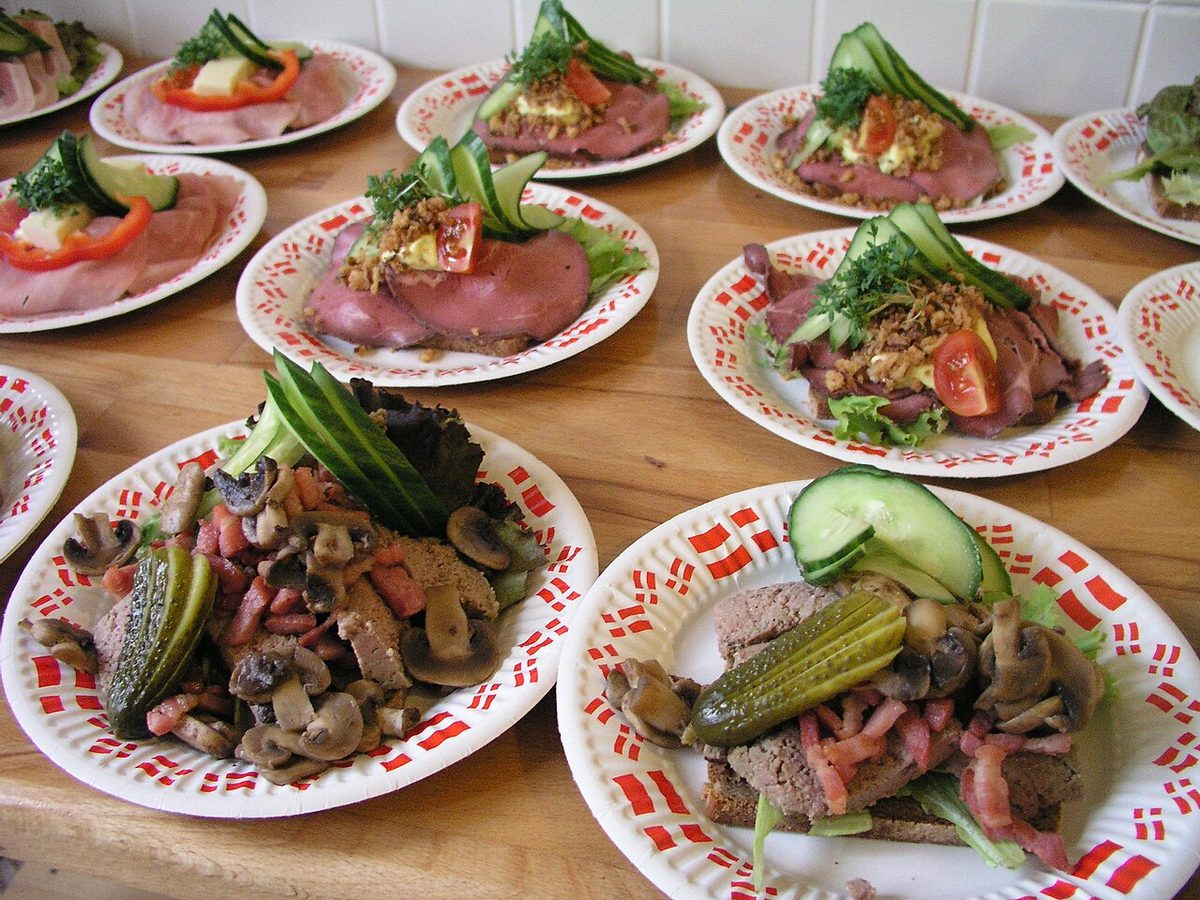
Every few years the Nordic countries publish a shared rulebook on healthy eating, the Nordic Nutrition Recommendations. The sixth edition came out in June 2023, after about 400 experts spent five years reviewing thousands of studies. Its message is a mainly plant-based diet: vegetables, fruit, berries, pulses, potatoes and whole grains at the centre, fish two to three times a week, a moderate amount of low-fat dairy, and limits on red meat, processed meat, alcohol and foods high in fat, salt and sugar. It was also the first edition to weigh what food does to the environment as well as to the body.
Guidelines like these are built from many studies on single foods and nutrients. What's less often tested is whether eating the way the whole package says actually goes with better health. A study published online on 12 October in the European Journal of Nutrition looked at that question for type 2 diabetes, one of the most common and costly long-term diseases.
The team, mostly from Aarhus University, used the Danish Diet, Cancer and Health cohort: more than 57,000 adults aged 50 to 64 from the Copenhagen and Aarhus areas who filled in a detailed 192-item food questionnaire when they joined in the 1990s. After leaving out anyone who already had diabetes or cancer, or had missing data, 54,313 people remained. Each person's diet was given a score from 0 to 15 for how closely it matched the 2023 food-based advice, and the researchers then followed them through Denmark's National Diabetes Register.
Over a median of 15.3 years, 7,143 of them developed type 2 diabetes. People with moderate to high scores (more than 10 points) had a 37% lower risk than those with low scores (0 to 8 points): a hazard ratio of 0.63, with a 95% confidence interval of 0.57 to 0.70. The link was not a straight line. The risk did not fall by the same amount for every extra point, so the gain from each step up the scale was not equal.
There are important limits. This is an observational study, so it shows that a guideline-style diet goes with less diabetes, not that the diet caused the difference: people who eat this way may also differ in other ways, such as income, weight or exercise, that statistics can only partly account for. Diet was measured once, decades ago, from people's own reports, and eating habits change. The participants were all middle-aged Danes, and the cohort is known to under-represent lower-income groups. The first author's funding came partly from a project paid for by Arla Food for Health, a research foundation linked to the dairy company, though the authors declare no conflict of interest.
Still, it adds to a long line of evidence that eating patterns built around plants, whole grains and fish go with lower diabetes risk, and it is one of the first checks of the 2023 Nordic advice as a whole. The practical point is a modest one: you don't need a perfect score to be in the better-off group. Shifting a few habits towards more vegetables, pulses, whole grains and fish, and less processed meat, is the direction the evidence keeps pointing.
Adherence to the Nordic Nutrition Recommendations 2023 and type 2 diabetes, 54,313 Danish adults followed for a median of 15.3 years
54,313
Danish adults without diabetes or cancer at the start, from the Diet, Cancer and Health cohort
15.3 years
Median follow-up through Denmark's National Diabetes Register
7,143
People who developed type 2 diabetes during follow-up
0 to 15
Range of the diet score measuring how closely each person's food matched the 2023 Nordic advice
HR 0.63
Risk of type 2 diabetes for moderate-high scores (more than 10 points) vs low scores (0 to 8), 95% CI 0.57 to 0.70
37%
Lower risk in the best-scoring group: an association, not proof of cause
Study: Nørgaard MM, Hansen ML, Mørch AB, Juhl SH, Linnet MH, Jørgensen T, Chocano-Bedoya PO, Ibsen DB, Olsen A, Dahm CC, 'Adherence to the Nordic Nutrition Recommendations 2023 and incidence of type 2 diabetes: a Danish cohort study', European Journal of Nutrition, volume 65, article 280, published online 12 October 2026, doi 10.1007/s00394-026-04133-1. Department of Public Health, Aarhus University, with the University of Bern, Steno Diabetes Center Aarhus and the Danish Cancer Institute. Data from the Danish Diet, Cancer and Health cohort (57,053 adults aged 50 to 64 recruited in the Copenhagen and Aarhus areas, 1993 to 1997); analysis limited to participants with complete baseline data and no cancer or type 2 diabetes at baseline (n = 54,313). Diet from a validated semi-quantitative 192-item food frequency questionnaire, scored with the Nordic Nutrition Recommendations 2023 Food-Based Diet Score (0 to 15 points). Type 2 diabetes cases from the National Diabetes Register; Cox proportional hazards regression. Median follow-up 15.3 years, 7,143 cases. Moderate-high adherence (more than 10 to 15 points) vs low adherence (0 to 8 points): HR 0.63 (95% CI 0.57 to 0.70). Restricted cubic splines showed a non-linear inverse association (p < 0.001 for non-linearity). Funding: the cohort was established with funding from the Danish Cancer Institute; one author is supported by Steno Diabetes Center Aarhus, which receives partial funding from an unrestricted Novo Nordisk Foundation donation; the first author received support from the DIDOF project, funded by Arla Food for Health. The authors declare no conflict of interest. The 37% figure is 1 minus the hazard ratio of 0.63. The full paper is behind a paywall; figures here are from the published abstract and article page.
- The Nordic Nutrition Recommendations were first published in 1980; the 2023 edition is the sixth.
- The 2023 edition was the first to take the environmental effects of food into account alongside health, which is one reason it leans so strongly towards plant foods.
- Dark, dense rye bread, the base of a Danish open sandwich (smørrebrød), is a traditional source of whole grain in Denmark.
- Of the 160,725 people invited to join the Diet, Cancer and Health cohort between 1993 and 1997, 57,053 took part, and researchers still follow their health through national registers.
- Adherence to the Nordic Nutrition Recommendations 2023 and incidence of type 2 diabetes: a Danish cohort studyEuropean Journal of Nutrition, October 2026 · The study: abstract, authors, funding and conflict-of-interest statements
- New Nordic Nutrition Recommendations 2023: a diet that promotes good healthDirectorate of Health, Iceland, June 2023 · Summary of the 2023 advice, the 400 experts and five years of work, and the first-time environmental angle
- EPIC centre profile: Denmark (Diet, Cancer and Health)International Agency for Research on Cancer · Who was invited to and recruited into the Danish cohort, 1993 to 1997
General information, not medical advice. This observational study shows a link between a guideline-style diet and lower diabetes risk, not proof that the diet caused it. If you have diabetes, prediabetes or a family history of it, talk to your doctor or a registered dietitian before making big changes to your diet, and don't stop any prescribed medicine on the strength of a news story.
Analysis by NutroPractic from the sources listed. Written for general readers; it does not replace advice from your own doctor.
From our articles
Our guides on this subject
Plain-language guides on nutrition and wellness, backed by research.

Cardiovascular wellness
Psyllium husk: how much soluble fibre lowers LDL cholesterol and stabilizes post-meal glucose in clinical trials
Viscous soluble fibre forms a thick gel matrix in the small intestine that binds bile acids and blunts post-meal glucose spikes. Across dozens of randomized controlled trials, 7 to 10.2 grams of psyllium daily lowers LDL cholesterol by 6% to 12% without stripping HDL, while reducing postprandial glucose surges by 15% to 25% in metabolic syndrome and type 2 diabetes. Discover the bile acid sequestration mechanism, trial meta-analyses, exact timing before meals, water ratios, and titration protocols to avoid gas and cramping.
13 Nov 2026
Diabetes
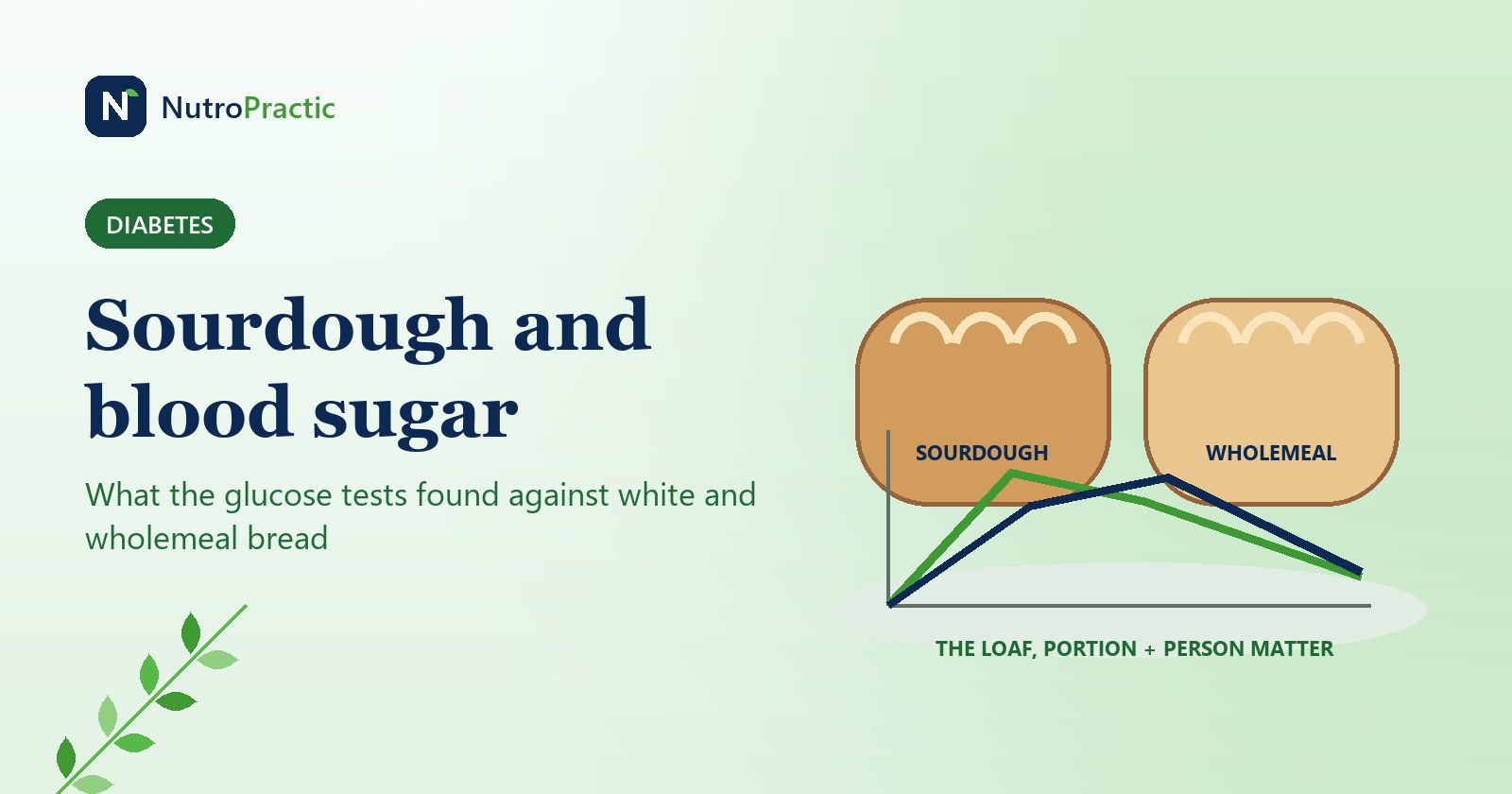
Sourdough and blood sugar: what the glucose tests found against white and wholemeal bread
Sourdough did not beat white bread on average in a 20-person crossover trial, and half responded better to white. A trial-by-trial look at fermentation, flour, portions, GI and how to test your own loaf fairly.
6 Nov 2026
Diabetes
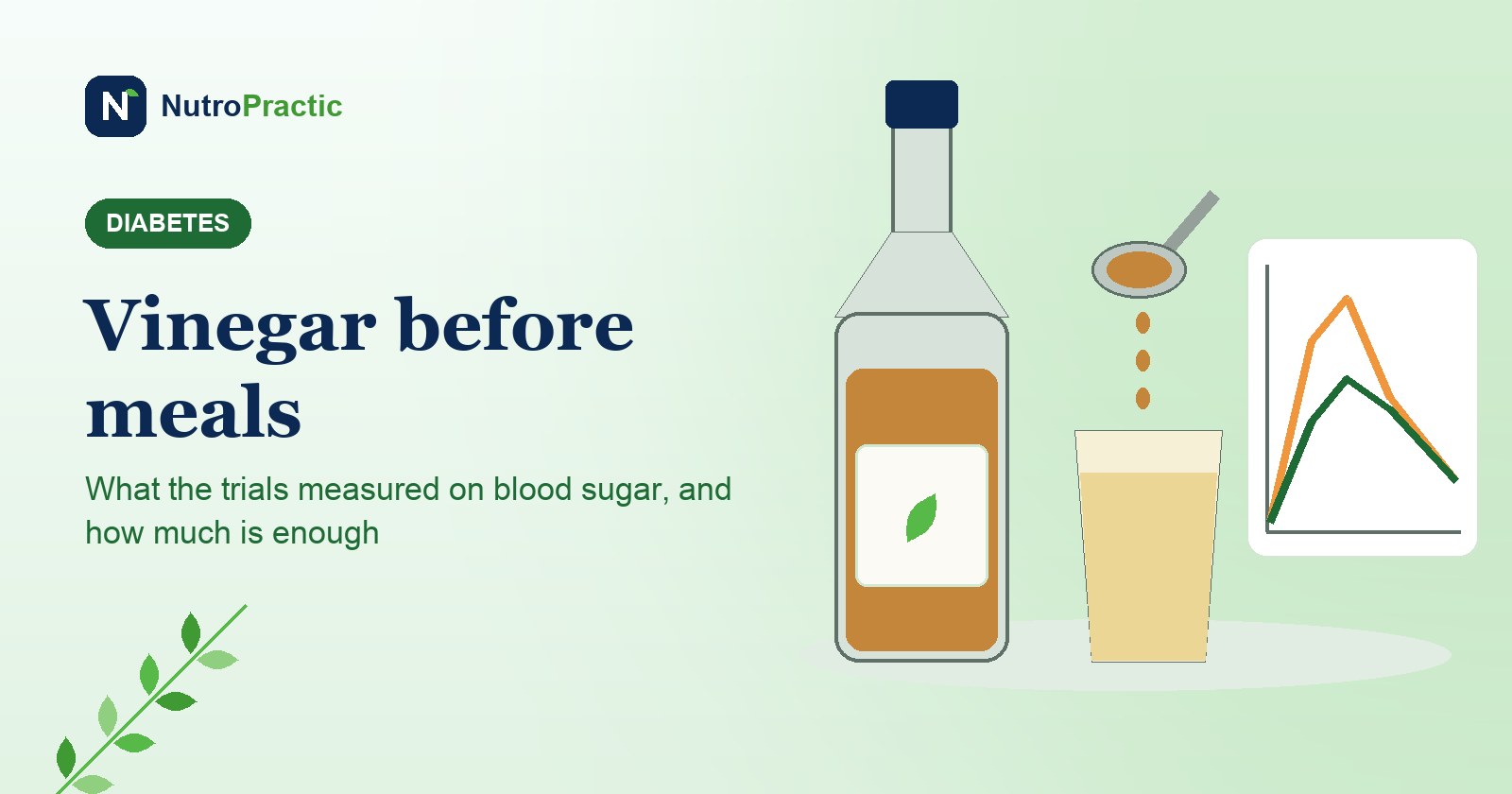
Vinegar before meals: what the trials measured on blood sugar, and how much is enough
Two teaspoons to a tablespoon with a starchy meal trims the glucose peak at 30 minutes, and the gap fades by two hours. HbA1c reviews range from -0.39 to -1.53, and we explain which to trust. Two gummies hold about 50 mg of acetic acid against 750 mg in a tablespoon.
5 Nov 2026
Newsfeed for your website
Want this feed on your website?
Add it to any site with one copy-and-paste snippet. No sign-up, and it updates itself every hour.
Start with a virtual consultation
Tell Dr. Triveni what you want to change. You will leave with a clear next step, whether you are in Toronto, London, New York or Chennai.